
The Renaissance of a Railway Legend
For decades, low-cost air travel pushed the European night train into a corner, relegating it to an aging network throttled by budgetary neglect. However, the climate emergency and a growing desire to reclaim travel time as a pleasurable experience have spurred a radical turnaround. Today, the continent’s major railway authorities are decisively committed to renewing and expanding the routes that cross borders under the starlight.
This phenomenon is not born of nostalgia, but of a carefully considered sustainable mobility strategy. Traveling from Vienna to Paris or from Zurich to Berlin while resting allows business and leisure travelers to make the most of every day, avoiding airport queues and lengthy commutes from remote suburbs into city centers. The night train is once again the symbol of a connected, unhurried Europe.
New Operators and Fleet Modernization
The primary driver of this transformation is Austria’s national railway, ÖBB, with its Nightjet services, joined by collaborative initiatives from French, German, and Swiss operators. Multi-million-euro investments have funded the introduction of next-generation trains built by Siemens, specifically engineered for acoustic comfort and ergonomic excellence.
These new compositions not only improve interior aesthetics but redefine safety and privacy on board. Modern engineering has drastically reduced nighttime rattling and vibration. Passengers no longer experience the relentless metallic clatter that once disturbed sleep in older 1980s carriages, guaranteeing deep rest even when crossing complex mountain passes.
Accommodation Tiers: From Seats to Deluxe Compartments
Understanding accommodation options is essential before embarking on a long-distance journey. The current commercial offering is clearly divided into three main categories, each tailored to very different budgets and needs:
- Reclining Seats: The most economical option, located in open salons or shared compartments. Not recommended for journeys exceeding six hours if you need to arrive rested.
- Couchettes (Berths): Four- or six-berth compartments, ideal for families, groups of friends, or flexible travelers. Basic bedding and a light breakfast are included.
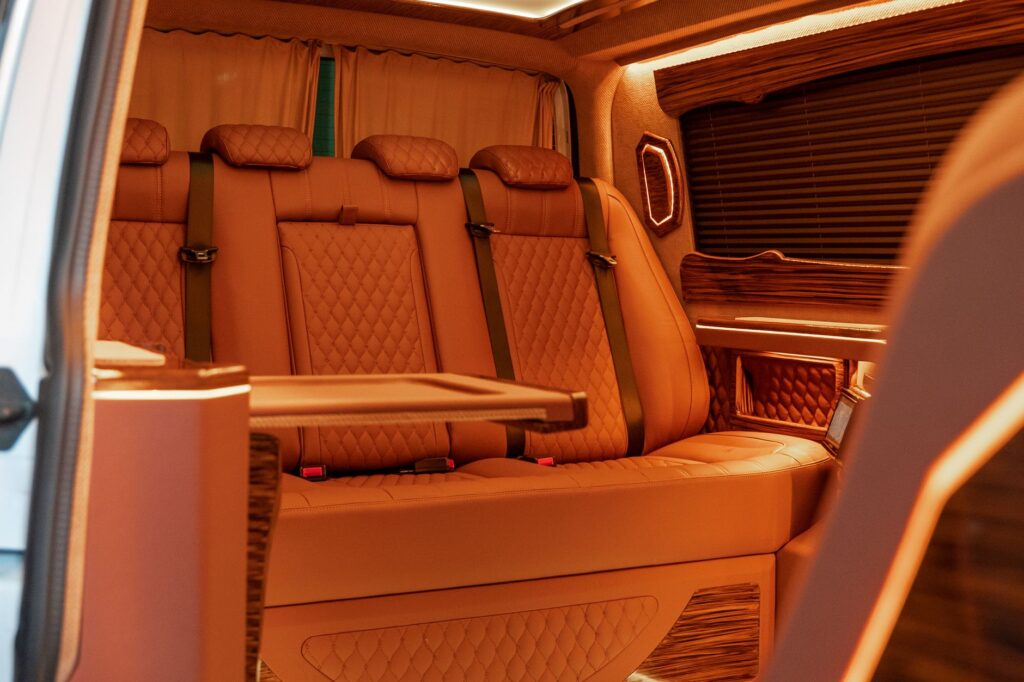
- Sleeper Cars (Wagon-Lits): The pinnacle of comfort. Single, double, or triple private rooms featuring a washbasin, independent climate control, and, in Deluxe categories, private showers and toilets.
Booking months in advance is vital, especially for single and double sleepers, as their availability is extremely limited and they tend to sell out the moment official sales channels open.
Key Routes Shaping the Continent
The European night map has been redesigned to connect major economic and cultural hubs without unnecessary intermediate stops. Among the most established arteries is the line linking Vienna and Innsbruck to Hamburg and Berlin, operated with daily frequencies and high occupancy year-round.
Another jewel in the system is the connection between Zurich and Amsterdam, which traverses Germany during the small hours of the morning to wake up alongside Dutch canals. Similarly, the recently revived Paris-Vienna service proves the technical and commercial viability of joining Western and Central Europe in under fifteen hours on board.
Life On Board: Dining, Rest, and Routine
Stepping onto a night train requires adopting a different pace. Departure usually occurs at dusk, when passengers stow their luggage in the compartments and prepare for dinner. While some trains feature a basic dining car, seasoned travelers typically bring their own selection of light food and drinks.
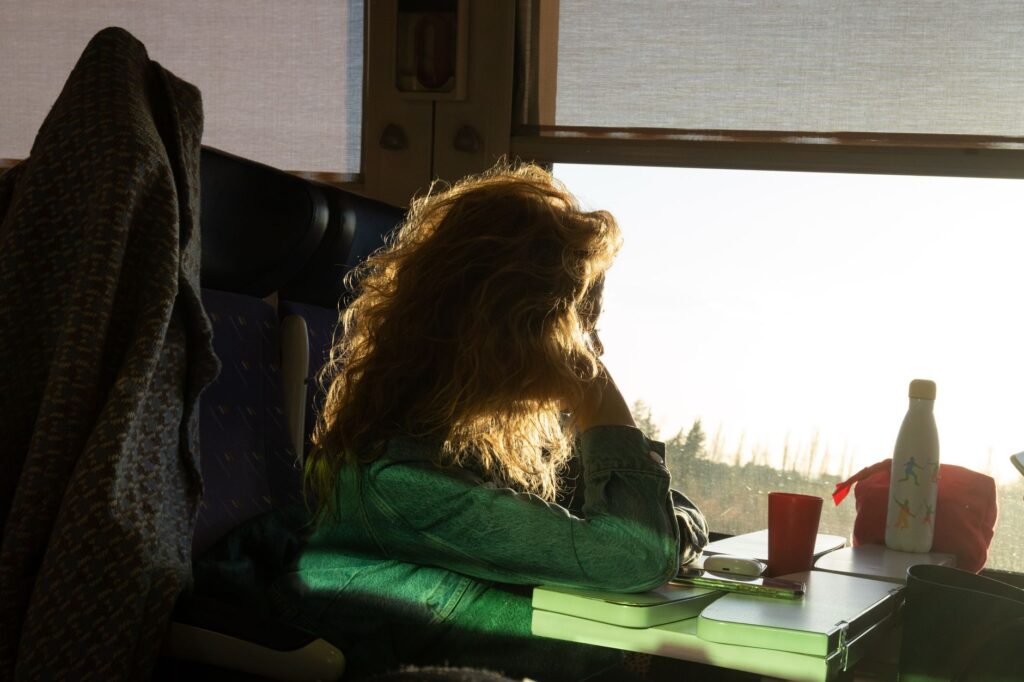
Onboard staff discreetly check tickets before midnight to avoid interrupting sleep. The true luxury of the night train lies in forced digital disconnection caused by intermittent data coverage in rural and forested zones, leaving space for reading, conversation, or simply watching the darkness illuminated by distant village lights.
Planning and Logistics: Practical Tips for the Traveler
Organizing a night train trip requires specific methods that differ from buying conventional airline tickets. Timing is critical, as booking windows typically open between 90 and 180 days prior to departure.
The success of an overnight journey depends not only on the punctuality of the train, but on the traveler’s ability to accept slowness as an aesthetic value and coexistence as an inescapable part of the European travel experience.
It is advisable to bring earplugs, an eye mask, and comfortable, breathable clothing, since the temperature inside compartments can fluctuate overnight depending on outside weather and the centralized heating system.
Environmental Advantages Over Air Travel
From a sustainability perspective, the data is conclusive. A journey by train emits up to ninety percent less carbon dioxide per passenger compared to the same route flown commercially, taking into account takeoffs, landings, and direct routings.
Furthermore, rail usage relieves chronic congestion at major European airport hubs and distributes visitor flows more evenly toward stations located directly in historic city centers, facilitating immediate access to local public transport networks without the need for expensive taxis.
Operational Challenges and Tariff Harmonization
Despite widespread enthusiasm, the overnight rail sector faces significant structural hurdles. The lack of a unified ticketing platform comparable to flight aggregators forces users to consult multiple national websites to combine international itineraries.
Additionally, steep track access charges levied by infrastructure managers in certain countries limit the profitability of these lines. Fiscal and regulatory harmonization at the EU level remains the major political pending task to definitively level the playing field against tax-exempt aviation fuel.
The Future of Slow Travel in Europe
The resurgence of the night train represents far more than an alternative transport method; it embodies a travel philosophy where the journey reclaims its status as a destination. With the gradual addition of new rolling stock and constant improvements in cross-border connections, Europe proves that modernization does not require abandoning the human scale.
For those willing to plan rigorously and embrace the unhurried rhythm of the track, spending the night crossing the continent in a sleeper car remains one of the most evocative, civilized, and sustainable experiences in contemporary travel.