
Proximity travel often suffers from a sense of overfamiliarity, that deceptive belief that every corner of the map has already been mapped out before setting foot outside. Yet when the coastal highway leaves behind the relentless pace of Miami and curves northward toward Palm Beach, the surrounding landscape begins to exhale a distinct rhythm. This shift is not merely a matter of changing postal codes; it involves crossing an invisible frontier where time suddenly broadens its margins. Scarcely ninety minutes away from the glittering skyscrapers and luminous asphalt of southern Florida, the Atlantic coastline unfurls a palette of deeper blues and a marine breeze thick with salt and quietude.
Within this historic stronghold of American high society, where Mediterranean-revival mansions hide behind century-old bougainvillea walls, luxury resorts have traditionally competed in ostentation. Nevertheless, rare exceptions choose the path of effortless elegance. Eau Palm Beach Resort & Spa, located in Manalapan, embodies this subtle transformation: a space where the heritage of grand East Coast resort traditions dialogues with a contemporary, vibrant aesthetic devoid of institutional stiffness.
The journey toward the pause: beyond the urban commute
Leaving Miami via Interstate 95 or the scenic coastal A1A entails witnessing a continuous visual metamorphosis. The concrete blocks and commercial clutter of the suburbs gradually cede ground to the exuberance of subtropical vegetation, winding mangrove creeks, and drawbridges connecting urban keys to barrier islands. This short yet transformative drive acts as a psychological balm, a necessary rite of passage to shed the urgency of professional routines.
For years, the concept of a weekend getaway has been inextricably linked to the logistical fatigue of airports, complex connections, and oversized luggage. Rediscovering one’s home region through a brief road trip encourages an appreciation of geographic immediacy. Travel need not entail crossing oceans to offer renewal; sometimes shifting perspectives just a short distance from home allows the senses to adapt naturally to an environment where the marine horizon reassumes absolute command of the day.

Design as narrative: Jonathan Adler’s visionary touch
Upon stepping through the doors of the resort, the initial impression dispels any trace of stiff formality. The interior design, conceived by celebrated New York designer Jonathan Adler, injects a dose of pop optimism and coastal sophistication that redefines Florida’s traditional aesthetic codes. Here, tedious neutral palettes and solemn dark woods are refreshingly absent; instead, bursts of lemon yellow, turquoise blue, bold graphic prints, and tactile textures pay homage to the retro glamour of the sixties and seventies.
This decorative choice is far from superficial; it serves a clear psychological function for the visitor. The visual environment stimulates the senses without overwhelming them, crafting a playful and welcoming atmosphere that invites disinhibition. Sculptural ceramic lamps, organically shaped mirrors, and nautical details reinterpreted with gentle irony demonstrate that contemporary luxury can afford to smile, stepping away from the pompous rigidity that historically characterized the region’s grand hotels.
Architecture facing the Atlantic: the geometry of the breeze
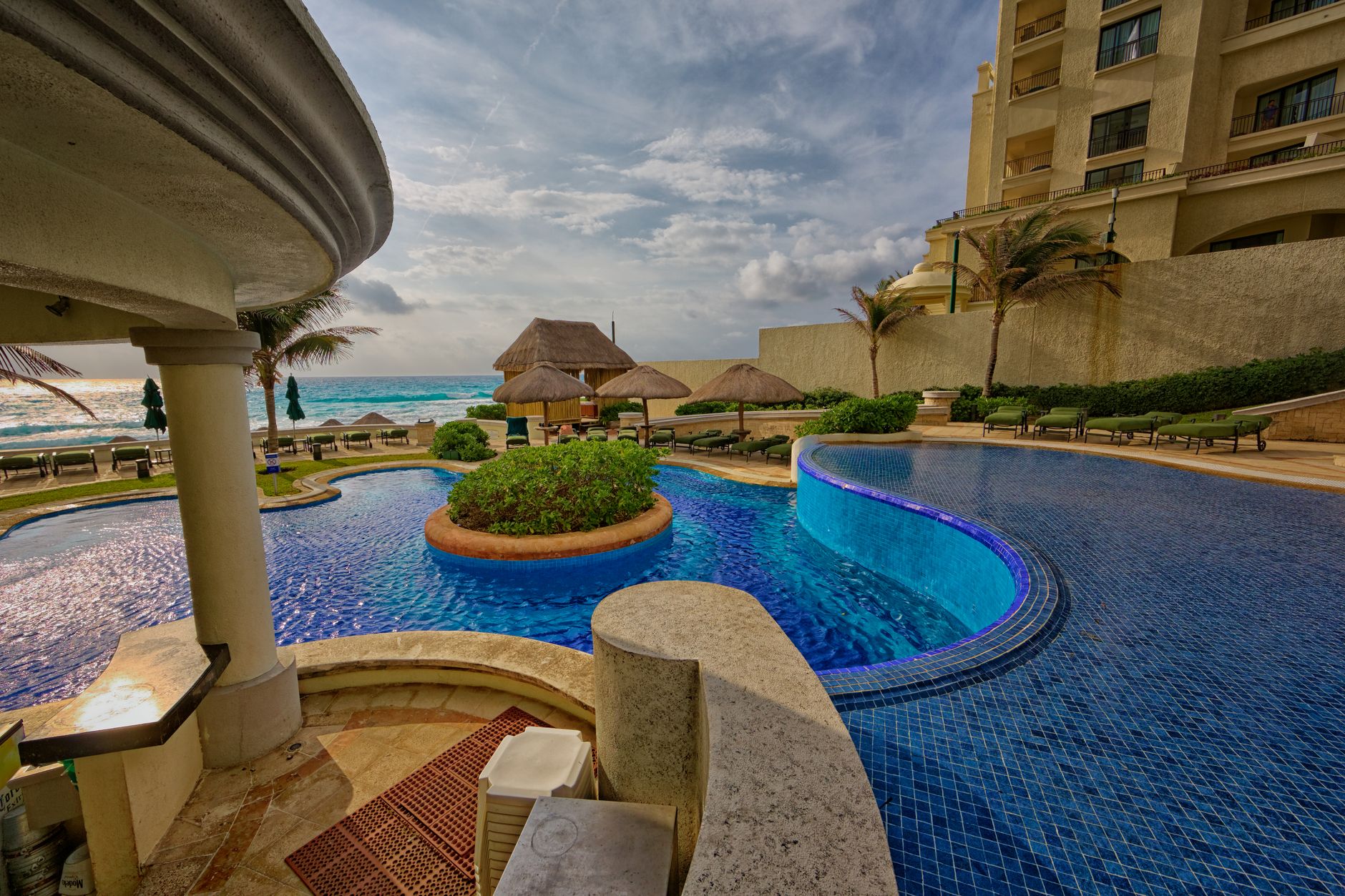
The main building and its surrounding wings stretch across several acres of oceanfront terrain, maximizing both visual and physical connection with the Atlantic. The architecture leverages an eastern orientation to flood interiors with the golden light of dawn, a daily spectacle many guests choose to witness directly from private balconies suspended above the surf.

Public areas are conceived as open-air extensions where boundaries between climate-controlled interiors and tropical outdoors blur gracefully. Expansive galleries, palm-shaded terraces, and wooden boardwalks leading directly to white sands allow the ocean breeze to circulate freely through every corner of the property. This architectural integration with the coastal landscape reinforces a sense of seclusion and well-being, transforming the simple act of strolling through the hotel corridors into a deeply pleasurable sensory experience.
The art of repose: hospitality without rigid protocols
One of the greatest challenges for five-star properties is ensuring guests feel genuinely at ease, free from the tension sometimes imposed by overly ceremonious service protocols. In this regard, the staff’s philosophy stands out for its genuine and relaxed warmth, prioritizing personalized attention and empathy over rehearsed formalities.
From arrival, where a glass of champagne and a frank smile replace tedious front-desk paperwork, the tone is clearly set. Hospitality here is understood not as protocol-driven subservience, but as the capacity to anticipate a traveler’s needs while safeguarding absolute tranquility. It is an environment designed for mental unlacing, where the ocean sets the tempo and the sole pending obligation is deciding between a morning of reading by the pool or a contemplative stroll along the shore.
Holistic well-being: the philosophy of Eau Spa
If the resort as a whole is an exercise in unwinding, its sprawling 40,000-square-foot spa serves as the spiritual epicenter of the experience. Multi-awarded and widely acclaimed, this sanctuary of wellness rejects cookie-cutter wellness approaches in favor of absolute treatment customization, inviting visitors to curate their own relaxation journey according to their current state of mind.
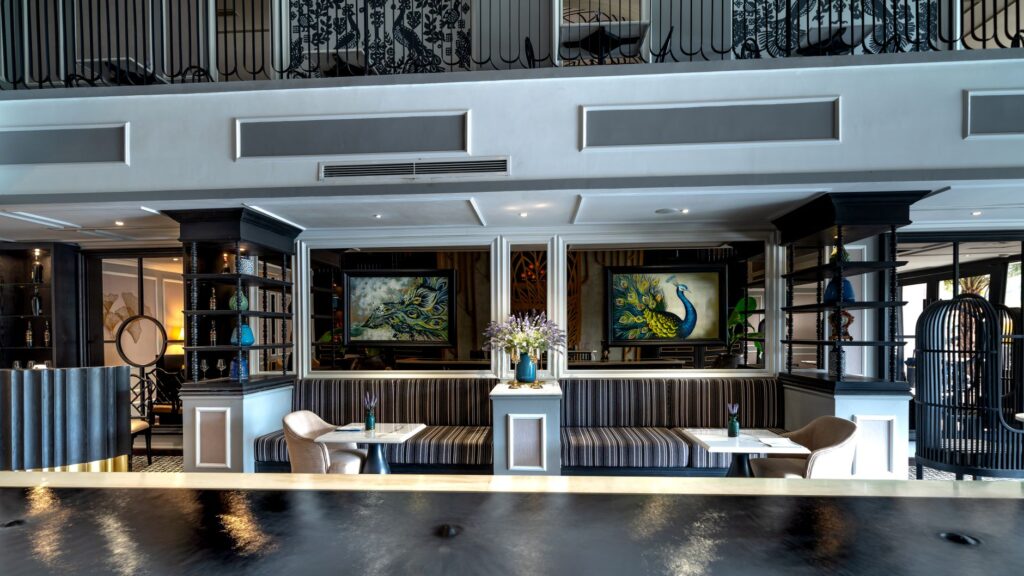
The ritual typically begins in the spa’s outdoor self-guided garden, a private courtyard equipped with hydrotherapy pools, swinging daybeds, and bubbling fountains where the murmur of water dissolves accumulated tension. Treatments combine ancient healing techniques with aromatherapy and advanced marine-based cosmetics. Here, time seems to grind to a gentle halt, offering a restorative pause that transcends conventional aesthetics to delve into deep mental and emotional equilibrium.
Coastal gastronomy: flavors of the Florida Atlantic
The culinary offerings of the complex reflect the richness of the local pantry, fusing Caribbean heritage with fresh Florida seafood and contemporary high-end American dining influences. The various dining venues—ranging from casual poolside spots to refined auteur culinary experiences—prioritize seasonality and ingredient traceability.
Dining with views of the moonlit Atlantic becomes one of the highlights of the stay. Locally caught daytime fish, fresh crustaceans, and vegetables harvested from regional farms are prepared with precise techniques that respect the original integrity of the ingredients. An extensive and thoughtfully curated wine list accompanies each proposal, completing a circle where gastronomic pleasure aligns seamlessly with the resort’s wellness philosophy.
Practical guide
How to get there: Eau Palm Beach Resort & Spa is located at 100 S Ocean Blvd, Manalapan, FL 33462. It is approximately a 90-minute drive from Miami via I-95 North and 20 minutes south of Palm Beach International Airport (PBI).

When to go: While South Florida remains a year-round destination, the months between November and April offer the most pleasant temperatures and lower humidity, ideal for outdoor pursuits and extended stays.
Accommodations: Rooms and suites feature signature Jonathan Adler designs, private balconies, and views of either the ocean or tropical gardens. Advance booking is strongly recommended during peak weekends and local holidays.
Dining and Spa: Securing treatments at Eau Spa prior to arrival is essential to guarantee availability. Hotel restaurants require advance reservations for dinner, particularly for tables with direct ocean views.
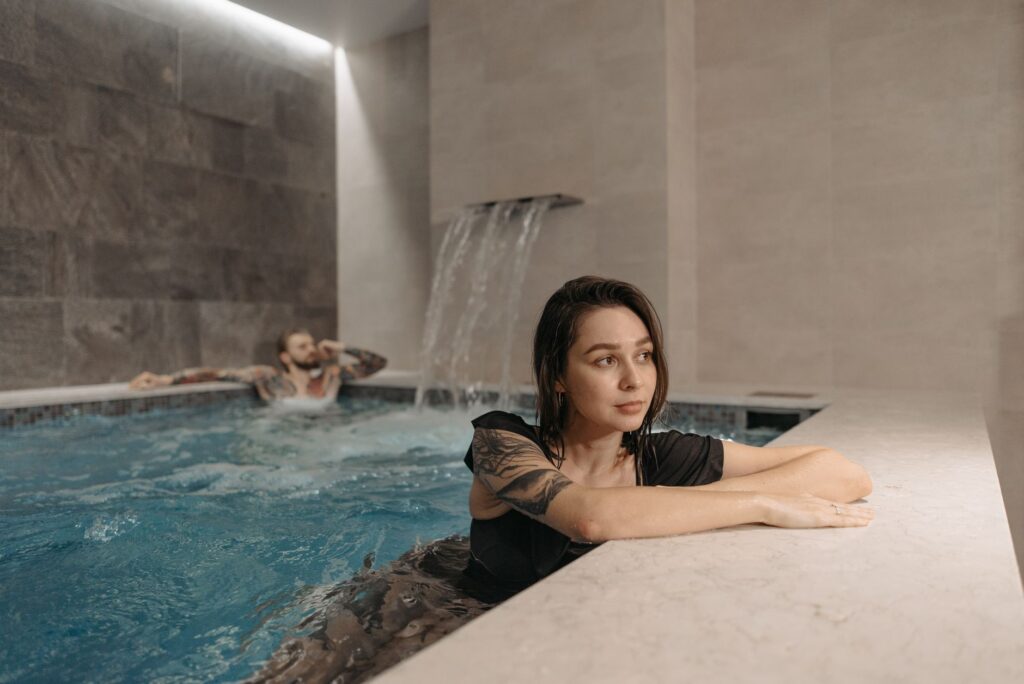
Activities: The resort provides direct access to a private beach, separate pools for adults and families, tennis courts, and wellness programs. Bicycles are also available for exploring the coastal surroundings of Manalapan.
Epilogue: the echo of the tide in memory
Embarking on the return journey southward, windows rolled down and salt air still clinging to the car interior, the experience in Manalapan settles with the sharp clarity of joyful yet restful memories. A weekend is never an eternal parenthesis, but when properly calibrated, it possesses the rare virtue of altering one’s perception of time, allowing the return to everyday life to be met with renewed clarity.
On occasion, transoceanic voyages or drastic shifts in hemisphere are entirely unnecessary to rediscover the value of pausing. It is often enough to find the right sanctuary where architecture embraces the ocean, design celebrates optimism, and silence ceases to be a luxury absence and transforms into the natural soundtrack of every single moment.
Source in EN: Oneika the Traveller