
Monsanto and the Springs of Santarém: Water, Stone, and Biodiversity in Portugal
Geological Origins and Aquifers in Monsanto, Portugal
The territory of Monsanto, located in the district of Santarém, Portugal, constitutes a singular geological enclave where rock and water establish a millenary dialogue. At an average altitude of around one hundred and forty-three meters above sea level, this municipality combines limestone formations with a network of underground currents that nourish the local ecosystem. The morphology of the terrain, shaped by erosion and water action over the centuries, defines a landscape where rainfall filtration recharges aquifers essential for the survival of native flora and fauna. The edaphic characteristics of the region favor the seasonal retention of moisture at specific points in the valley, creating microclimates that harbor highly specialized plant communities. While the higher areas feature vegetation adapted to surface water scarcity and direct insolation, the lower areas and small watercourses shelter hygrophilous species. This topographic contrast is the key to understanding the municipality’s biodiversity, which acts as an ecological corridor of great value in the center of the Portuguese territory.
The hydrogeological configuration of this zone in Portugal responds to complex patterns of infiltration in karst terrains. The limestone layers act as natural sponges that absorb winter precipitation and release it gradually during the drier months. This underground drainage feeds numerous resurgence points that have historically determined the location of human settlements and the distribution of wildlife. The relationship between the rock and underground water resources defines the environmental identity of Santarém, where each spring represents a nucleus of life that contrasts with the apparent aridity of the upper slopes. The preservation of these geological structures is indispensable to maintain the natural water cycle and ensure long-term ecological stability throughout the municipality of Monsanto.
The Aquatic Ecosystem and Local Watercourses
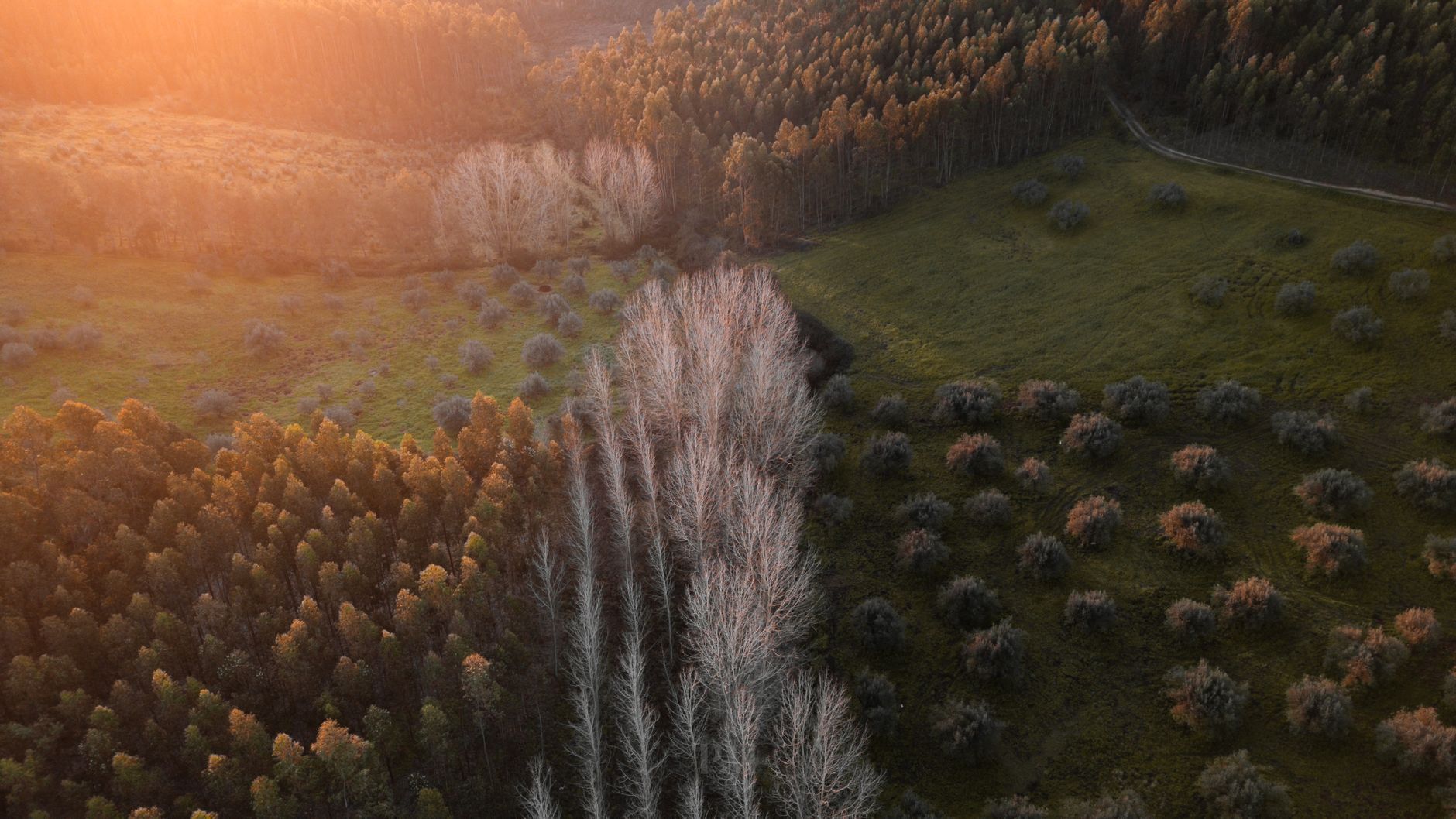
The hydrological pulse of Monsanto is marked by small streams and springs that run through the municipal term. These fluvial courses, although modest in flow compared to the large national rivers, play a fundamental role in maintaining local trophic chains. The riverbanks act as a refuge and nesting area for various species of birds and small mammals that find the necessary food and protection in these green corridors against the advance of habitat fragmentation. Preliminary studies on water quality in the demarcation of Santarém indicate that the preservation of natural riverbanks significantly reduces bank erosion and curbs excessive sedimentation. Riparian vegetation, composed of willows, poplars, and shrubs adapted to temporary flooding, functions as a natural filter that retains nutrients and stabilizes the substrate. The conservation of these riparian margins is indispensable to maintain ecological connectivity and ensure the quality of the water resource in minor basins.
The fluvial dynamics in these secondary basins are closely linked to the seasonal variations of the Portuguese climate. During periods of intense rainfall, the streams increase their flow remarkably, renewing the channels and dragging essential nutrients toward the lower areas of the valley. In contrast, prolonged dry spells reduce surface flows, forcing aquatic fauna to concentrate in permanent pools that act as authentic climatic refuges. This cycle of fluvial contraction and expansion demands very careful environmental management that avoids the overexploitation of channels and maintains soil permeability against runoff. Human interventions in these areas must be limited to ecological restoration and the cleaning of channels from artificial elements that hinder the natural flow of water.
Fauna Adapted to Humid and Rocky Habitats
The fauna of Monsanto reflects the duality of its landscape: on the one hand, species typical of Mediterranean and dry environments; on the other, a notable variety of organisms associated with aquatic biotopes. In the vicinity of springs and temporary ponds, it is possible to record the presence of amphibians such as the midwife toad and various species of newts, whose populations depend strictly on the stability of these small bodies of water during their reproductive cycles. Likewise, birds of prey soaring over rock formations coexist with riparian passerines and migratory waterfowl that use local wetlands as provisional resting areas. This faunistic wealth is not exempt from anthropogenic pressures, mainly derived from changes in land use and pressure on underground water resources. Sustainable management of these habitats requires a constant balance between the needs of human communities and the integral protection of biodiversity.
The presence of microhabitats associated with rocks and water also favors the proliferation of endemic invertebrates and small reptiles that find an optimal refuge in dry-stone walls and humid shady spots. Species of lizards and snakes adapted to stony terrain share the territory with pollinators that depend on riparian flora and surrounding scrublands. Connectivity between rocky outcrops and watercourses allows the safe displacement of fauna through a landscape fragmented by paths and small agricultural plots. Protecting these ecological transit routes is a key objective to maintain the genetic diversity of animal populations in this region of Portugal.
Endemic Flora and Riparian Vegetation in the Portuguese Landscape
The vegetation cover of Monsanto is a mosaic of Mediterranean scrubland, scattered holm oak forests, and riparian strips winding between hills. Plant species have developed morphological and physiological adaptations to endure prolonged periods of drought, such as sclerophyllous leaves and deep root systems. However, near aquifers and currents, vegetation adopts an exuberant character that contrasts sharply with the summer aridity of the surrounding rocky outcrops. Among the scrublands, aromatic and medicinal plants stand out, forming stable plant communities fundamental for the conservation of pollinating insects. Policies for the protection of local flora seek to prevent the introduction of invasive species that displace native vegetation. The balance of these ecosystems depends closely on the conservation of the original vegetation cover, which acts as a protective shield against water and wind erosion.
The botanical diversity of this environment is framed within the phytogeographic characteristics of central Portugal, where Atlantic and Mediterranean elements converge. In the shadier areas of ravines, ferns and mosses take advantage of constant environmental humidity to colonize rocks, while in sun-exposed areas, rockroses and thymes dominate. This gradual transition between different plant communities enriches the landscape and provides a wide variety of food resources for herbivorous fauna and insects. The preservation of this complex vegetation cover prevents soil degradation and favors the infiltration of rainwater toward the underground aquifers sustaining the entire system.
The Impact of Human Activity and Environmental Management
Historical settlement in Monsanto and its surroundings has shaped the landscape through traditional agricultural practices, grazing, and the use of springs. These activities, when practiced with sustainability criteria, have historically contributed to maintaining high landscape diversity. However, the intensification of certain agrarian uses and peripheral urban growth pose new challenges for the conservation of natural spaces in the municipality. Local administrations and conservationist groups promote initiatives aimed at environmental education and responsible water use. Aquifer monitoring and the restoration of degraded stream sections are priority lines of action to mitigate the effects of climate change in the region. Citizen participation is revealed as a fundamental pillar to ensure that the natural heritage of Santarém is valued and protected by future generations.
Traditional water management practices, such as the construction of irrigation channels and stone fountains, form part of the cultural and architectural heritage of the area. These elements not only fulfilled a practical supply function, but today they serve as observation points to understand the historical interaction between rural communities and the aquatic environment. The integration of this historical heritage into current hiking routes fosters greater awareness of the need to preserve water resources. Collaboration among farmers, administrations, and visitors is essential to ensure that current human activities are compatible with the conservation of the municipality’s natural values.
Climate Challenges and Resilience of Aquatic Ecosystems
The current climate scenario, characterized by greater irregularity in precipitation and longer, warmer summers, tests the resilience of Monsanto’s aquatic ecosystems. Minor springs experience more pronounced seasonal fluctuations, which directly impacts water availability for wildlife. Water management must adapt to this variability through the implementation of preventive measures that ensure a minimum ecological flow in streams. Furthermore, forest fire prevention has become an absolute priority to safeguard the forest mass and fragile soils of the municipality. The recovery of burned areas through bioengineering techniques and reforestation with native species reinforces terrain stability against episodes of torrential rains. The adaptive capacity of local nature demonstrates that, with proper management, ecosystems can recover from climatic disturbances.
In the face of rising summer temperatures, the protection of riparian shade zones acquires critical relevance to prevent excessive evaporation in small channels and maintain water temperatures suitable for amphibians and fish. Climate change adaptation strategies in the Santarém region prioritize the creation of natural water reserves and the improvement of soil retention through the recovery of abandoned terraces and dry-stone walls. These structural measures help buffer the effects of prolonged droughts and reduce the risk of sudden floods during autumn storms, guaranteeing the survival of the most vulnerable biological communities.
Sustainable Tourism and Low Impact on the Natural Environment
The growing interest in nature tourism in Portugal has placed Monsanto on the map of travelers seeking environmentally friendly alternatives. Signposted hiking trails allow visitors to traverse the territory without altering sensitive habitats, fostering an educational and conscious approach to the region’s scenic and cultural heritage. The dissemination of good practices among visitors is essential to avoid overcrowding and the deterioration of fragile spaces. The tourism development model in the municipality focuses on boosting the local economy through sustainable rural accommodations and the promotion of native products. In this way, nature conservation becomes a viable economic motor that directly benefits the inhabitants of Monsanto and Santarém, aligning environmental protection with social well-being and respect for the surroundings.
Low-impact tourism promotes the use of non-polluting means of transport and rigorous respect for the indications on informative panels located at the entrances of natural trails. Visitors are encouraged to observe flora and fauna from a prudent distance, avoiding plant collection and the alteration of fluvial habitats. This tourist modality not only minimizes the ecological footprint of travelers but generates economic resources destined directly for the maintenance of green infrastructures and environmental education programs organized by local entities throughout the district of Santarém.
Practical Guide
How to get there: Monsanto is accessible mainly by road from Lisbon and Santarém through the regional road network, and the use of a private vehicle is recommended to explore the rural surroundings.
When to go: Spring and autumn offer the best climatic conditions for hiking and nature observation, avoiding the high temperatures of summer.
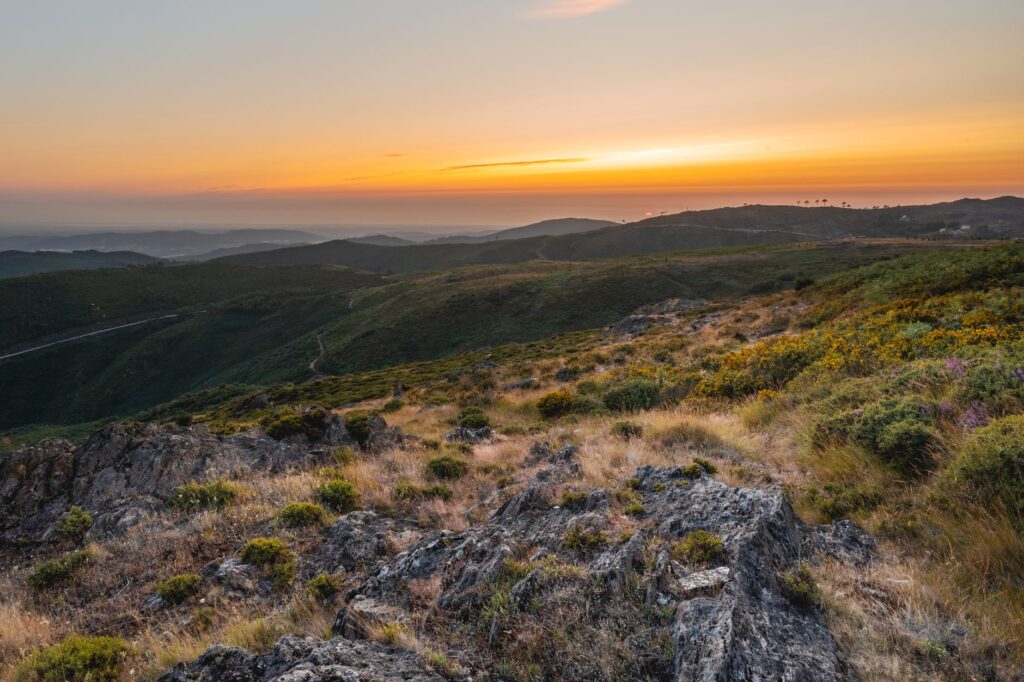
What to see: Historical springs, limestone geological formations, riparian trails, and natural viewpoints over the landscape of the Santarém district.
Recommendations: Respect local environmental protection regulations, do not litter, wear appropriate footwear for stony terrain, and maintain a prudent distance from wildlife.
The silence of the springs of Monsanto, which continue to well up among the millenary stone of Santarém, encapsulates the liquid memory of a landscape where nature persists despite the challenges of time and climate.