Barreiro, Portugal: Industrial Memory and Daily Life on the Tagus Riverbank
A journey through the Portuguese town of Barreiro, where recovered manufacturing heritage, community warmth, and riverside landscapes define contemporary identity.
The Riverside Facade Facing Lisbon from the Opposite Shore
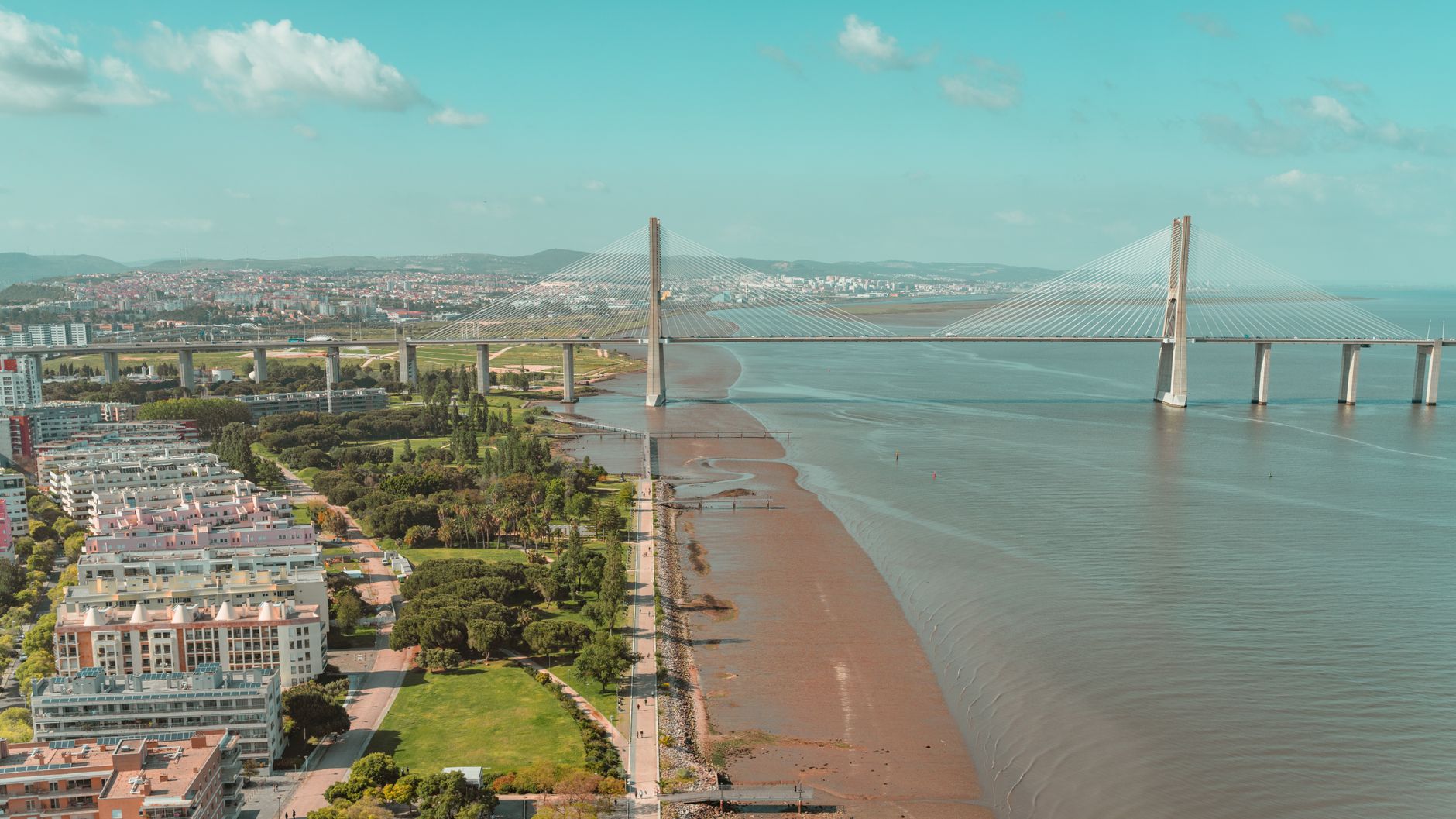
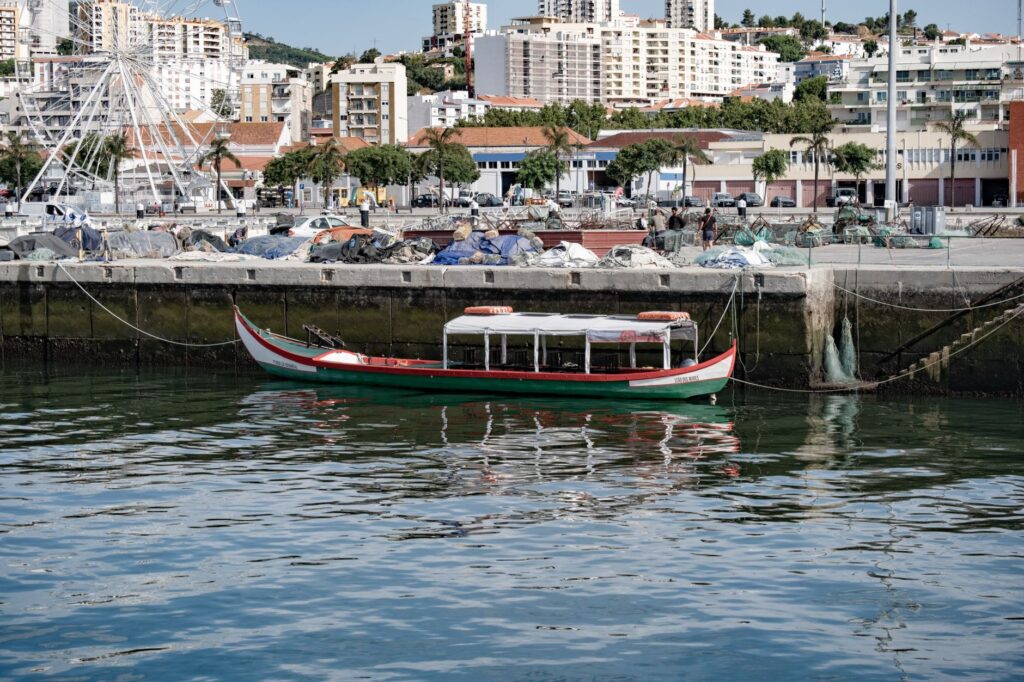
Opposite the monumental bustle of the Portuguese capital, the silhouette of Barreiro rises in Portugal with a geometric sobriety that defies any rush. On this side of the Tagus estuary, the urban geography is not composed of baroque palaces or hills draped in tourist tiles, but of concrete docks, former industrial warehouses, and squares where time seems measured by the rhythm of the tides. The presence of water conditions every aspect of local life, from the morning breeze entering the cafés to the layout of its main streets.
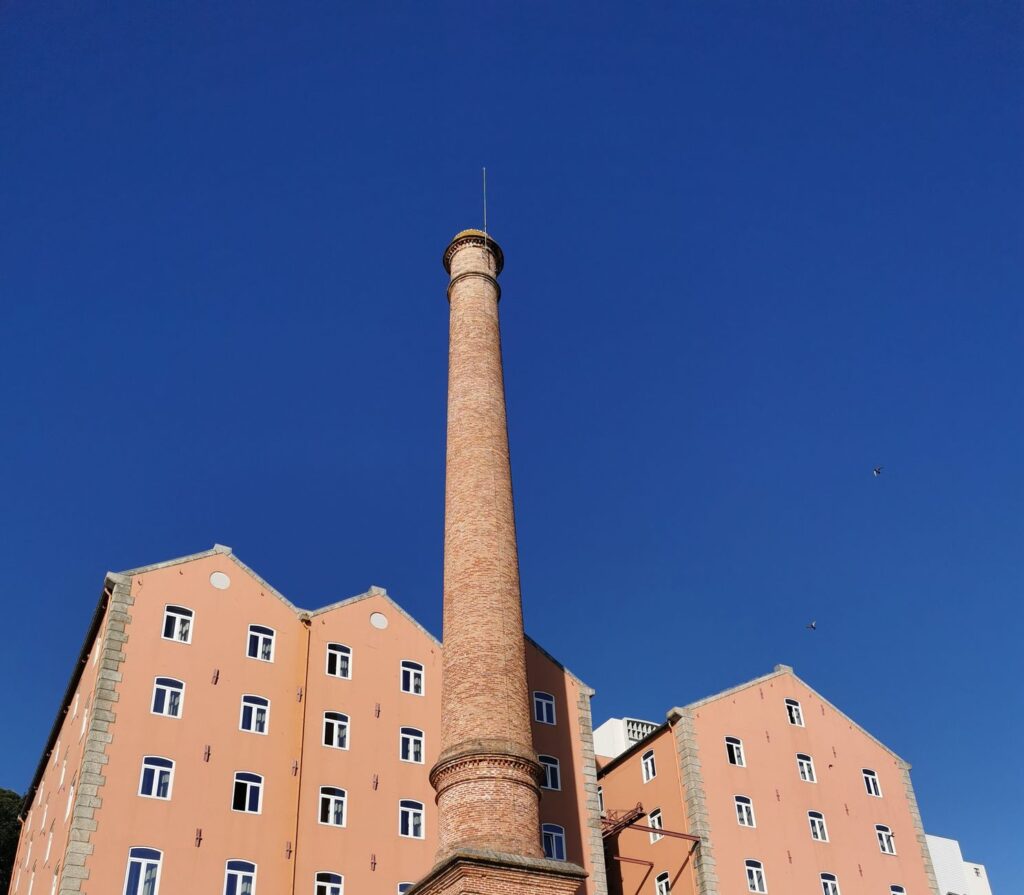
Walking along the waterfront reveals how a working-class community has successfully transformed its manufacturing legacy into a space for everyday gathering. The exposed brick chimneys, which once marked the rhythm of endless shifts in cork, fertilizer, and metallurgy factories, now stand as public sculptures guarding the collective memory. Far from artificial aestheticization, this environment retains a raw and vibrant authenticity, sustained by residents who have inhabited these streets for generations.
The integration of the river into daily routines reflects an intimate connection with the maritime geography of the region. Local inhabitants often spend their afternoons along the seawalls, observing the changing colors of the water as the light shifts across the horizon. This continuous dialogue between land and water defines the visual and emotional landscape of the area, creating a distinct sense of place that resists homogenization.
The Architectural Pulse of a Manufacturing Past
Barreiro’s visual identity is deeply tied to its late 19th- and early 20th-century industrial architecture. The former factory complexes, currently undergoing various processes of rehabilitation and cultural reinterpretation, showcase the constructive boldness of an era when machinery and steam redesigned Portuguese geography. The systematic use of fired brick, metal structures, and large south-facing windows responds to a functional logic that today acquires undeniable aesthetic value.
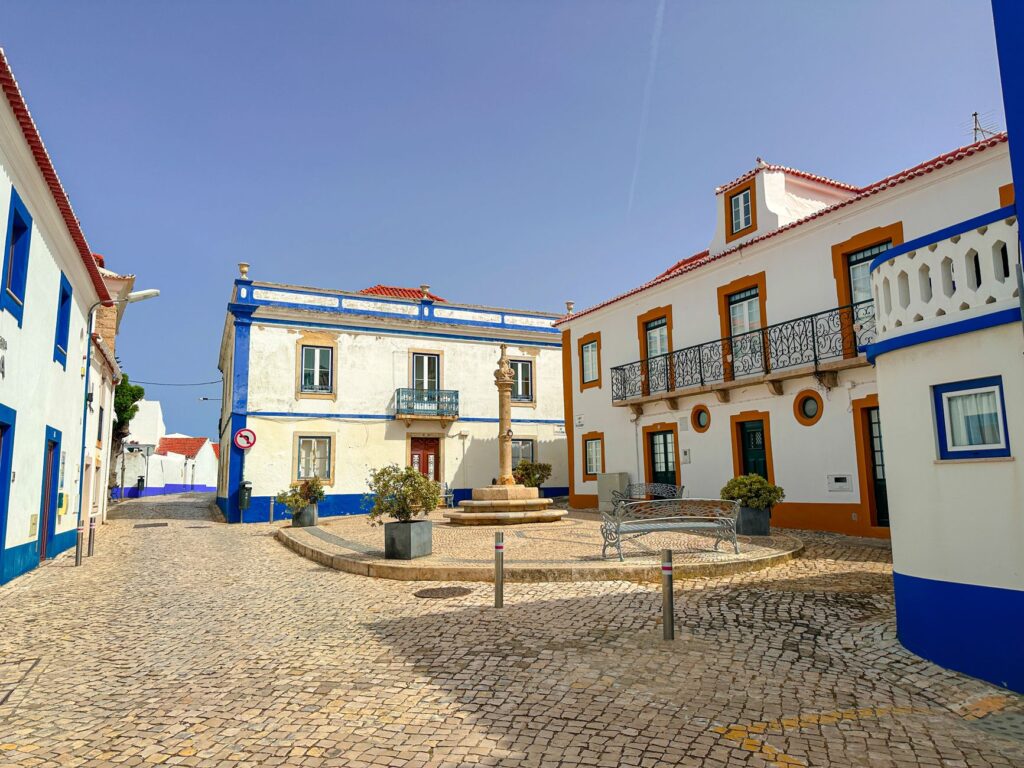
Around these industrial archaeology colossi, residential neighborhoods are structured, characterized by low houses with simple facades and interior patios where orange and rose trees grow sheltered from the estuarine wind. This urban grid, designed to house thousands of workers who arrived from different regions of the country, fosters close-knit sociability. Doors often remain open during the warmest hours of the day, and sidewalk conversations form a social fabric as resilient as the foundations of the old factories.
Preserving these architectural elements requires a delicate balance between historical conservation and modern urban needs. Local civic groups and municipal entities frequently collaborate to ensure that abandoned structures find new community purposes without losing their original character. Through exhibitions, guided routes, and cultural workshops, the built heritage remains an active part of educational and social initiatives.
Daily Life in Neighborhood Squares and Markets
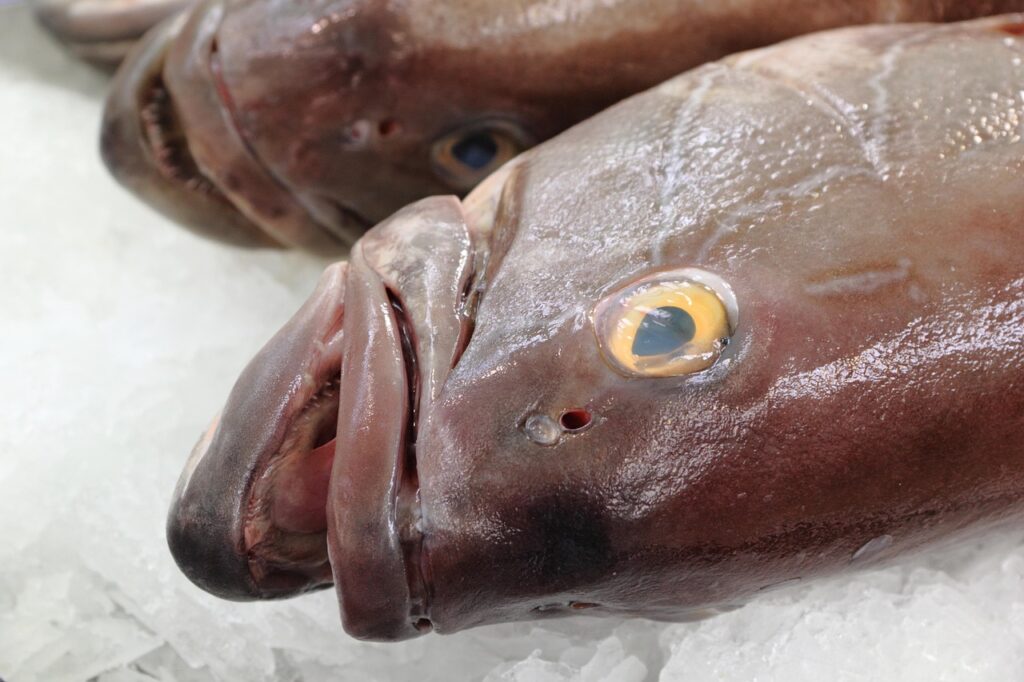
The social heart of Barreiro beats strongly in its municipal markets and tree-lined squares that act as open-air living rooms. In the mornings, stalls offering fresh fish brought directly from estuary ports share prominence with vegetables grown in nearby gardens of the Setúbal peninsula. Here, the act of shopping is not a mere commercial transaction, but a ritual of mutual recognition between shoppers and local vendors.
The morning coffee break in traditional taverns sets the pace of a day where the neighborhood prioritizes human connection over the speed of large shopping malls. Conversations revolve around the weather, municipal news, or memories of the high tides that once flooded the lower docks before the construction of modern seawalls.
The landscape of Barreiro is not contemplated through distant stances, but by walking slowly among brick walls that preserve the memory of collective effort.
In the afternoons, public benches become meeting points for retired workers and neighbors exchanging stories about the changing tides and neighborhood developments. This communal spirit reinforces a collective identity rooted in mutual support and shared history, ensuring that newcomers and long-time residents alike feel a strong sense of belonging.
Public Spaces and the Integration of the Natural Environment
In recent years, the municipality has redoubled its efforts to stitch the urban fabric together with its valuable natural heritage. Former degraded areas along the riverbank have given way to linear parks, wooden walkways over marshes, and protected areas where migratory birds such as flamingos and grey herons can be spotted. This ecological transition demonstrates a clear willingness to reconcile past industrial history with contemporary sustainability demands.
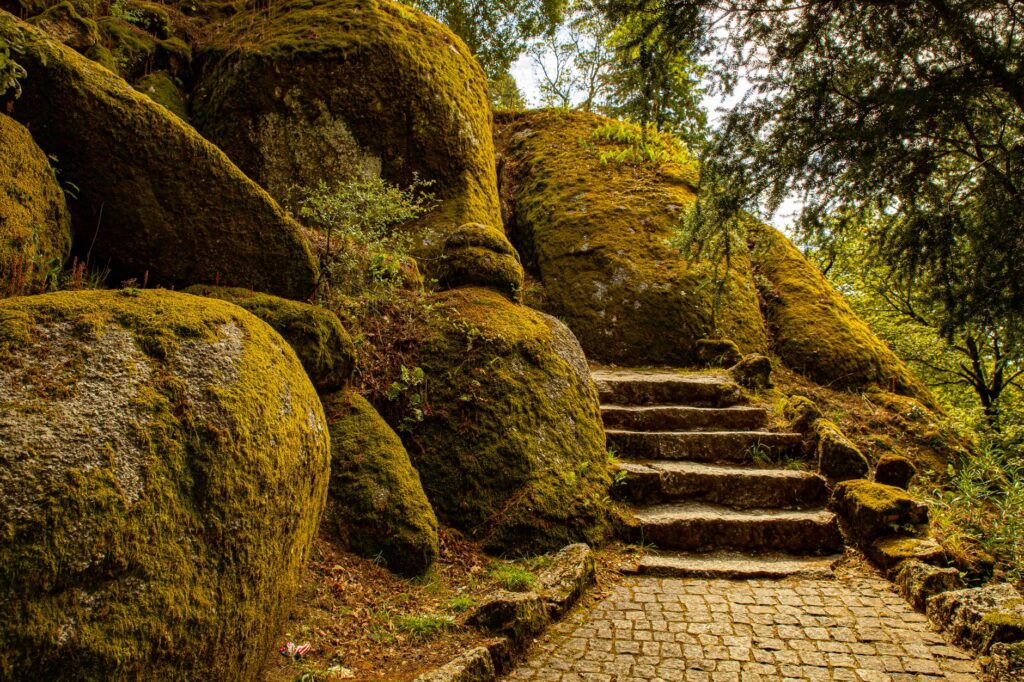
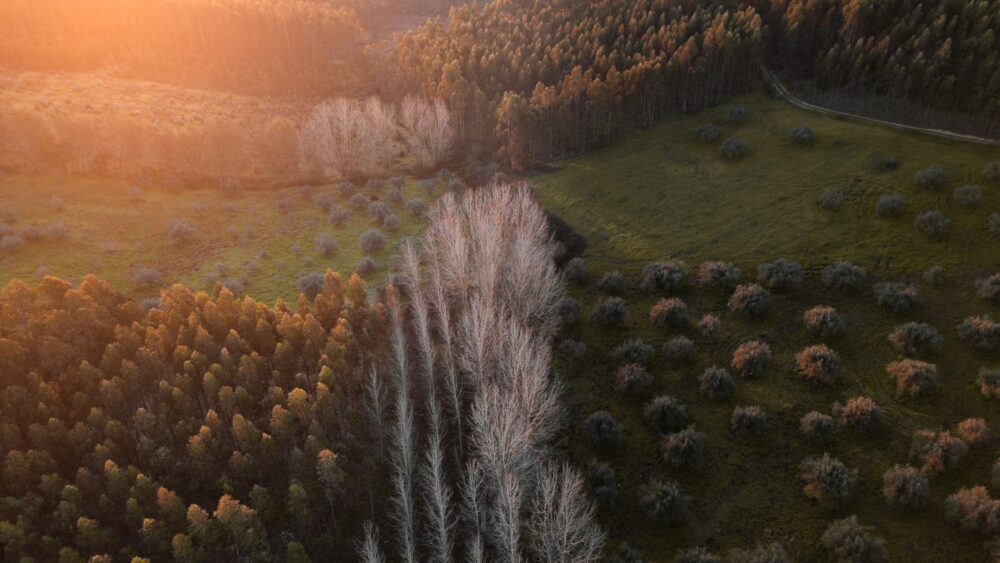
On weekends, these green corridors fill with families, cyclists, and walkers seeking direct contact with a landscape open to the horizon. The Mata da Machada peninsula, located nearby, offers a lung of cork oaks and pines where the silence is only interrupted by the rustle of wind and the song of local birdlife, reminding visitors that nature was always there, waiting to be rediscovered.
Environmental education programs organized within these natural spaces encourage younger generations to appreciate local biodiversity and the importance of conservation. Protecting these fragile ecosystems ensures that the estuarine environment remains vibrant for future residents and thoughtful visitors alike.
Riverside Gastronomy: Flavors of the Estuary and Garden
Dining in Barreiro is a faithful reflection of its geographical condition: a meeting point between maritime tradition and the agricultural pantry of inland Setúbal. Family-run restaurants and historic taverns serve specialties where fish from the Tagus and the nearby Atlantic hold a place of honor. Sea bass, sole, and clams prepared with cilantro, garlic, and extra virgin olive oil synthesize the essence of unpretentious cooking.
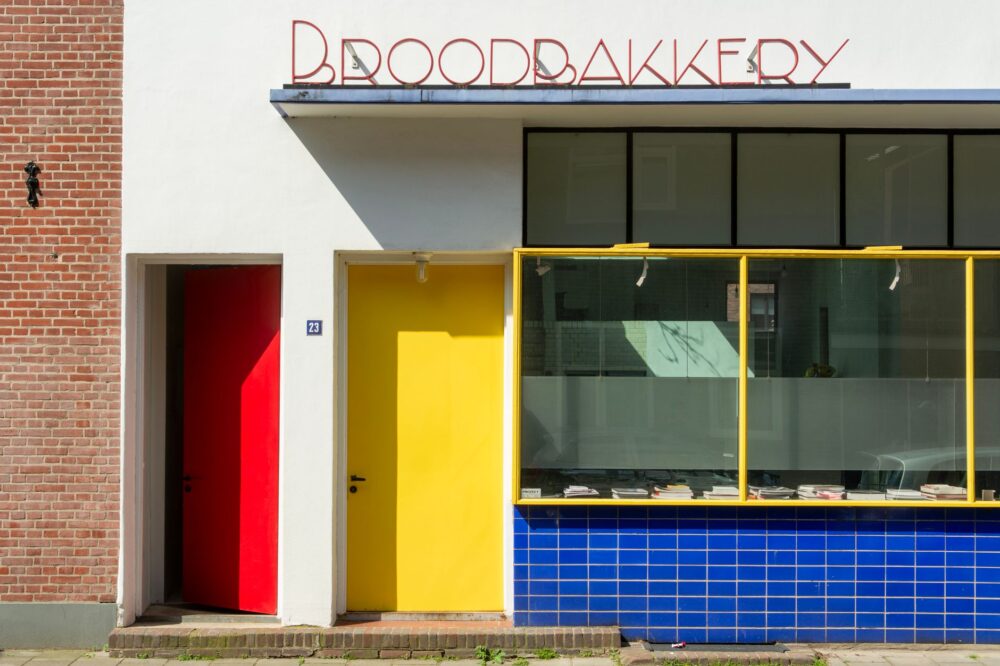
Pairing these dishes with a white wine from the neighboring region of Azeitão rounds out a culinary experience deeply rooted in popular heritage. Traditional sweets, such as cakes and pastries crafted in artisan bakeries open for decades, complete a gastronomic panorama based on local produce and recipes passed down through generations.
The culinary traditions of the area also highlight the seasonal nature of local agriculture, incorporating fresh vegetables and herbs from nearby plots into daily menus. This direct farm-to-table approach supports regional producers and maintains authentic flavors that have defined local gatherings for decades.
Visitor Ethics and Responsible Design Practices
Travelers arriving in Barreiro find their greatest appeal in leisurely observation and respect for local rhythms. Unlike mass-market destinations, visitors here must adopt a receptive attitude, prioritizing public transport—such as the historic river ferries crossing from Lisbon—and supporting neighborhood commerce.
Walking without haste through central streets, photographing industrial architecture discreetly without invading neighbors’ privacy, and consuming at traditional establishments are unwritten but essential rules. The city’s urban and cultural design invites an understanding that true heritage resides not only in grand monuments, but in the dignity of daily life renewed each day.
Traveling with awareness means accepting that every place has its own rhythm and voice, demanding attention from the visitor rather than rapid consumption.
Responsible tourism in this context involves minimizing environmental impact by using non-motorized transport whenever possible and respecting wildlife habitats in marshland areas. By engaging respectfully with local residents and customs, visitors contribute to the sustainable preservation of the community’s unique cultural landscape.
Reflections on Urban Identity in Portugal
Understanding the essence of this enclave in Portugal requires accepting its resistance against homogenizing global trends. Recent urban interventions seek to revitalize public spaces without distorting the working-class character that defines the collective memory of its inhabitants. Each rehabilitated square and corner functions as a silent witness to a continuous transformation where the industrial past dialogues harmoniously with present demands.
The ongoing dialogue between historical preservation and modern architectural design ensures that public spaces remain functional and aesthetically engaging. This careful urban evolution serves as a model for other industrial towns seeking to reinvent themselves while honoring their historical roots and community values.
Practical Guide
How to get there: The most efficient and traditional way to reach Barreiro from Lisbon is by using the river ferry service departing regularly from Terreiro do Paço station, crossing the Tagus River in approximately twenty-five minutes.
When to visit: Spring and autumn offer mild temperatures ideal for walking through both the riverside industrial heritage and the surrounding protected natural areas.
Getting around: The historic center and river promenades are completely pedestrianized and accessible on foot. For accessing peripheral natural areas like Mata da Machada, bicycles or local public transport are recommended.
Accommodation: Small family-run guesthouses and tourist apartments integrated into the residential fabric predominate, fostering an independent and community-respectful stay.
Recommended gastronomy: Do not miss fresh estuary fish in the dockside taverns and artisan pastries in historic center cafés.