
A Settlement Along the Great River
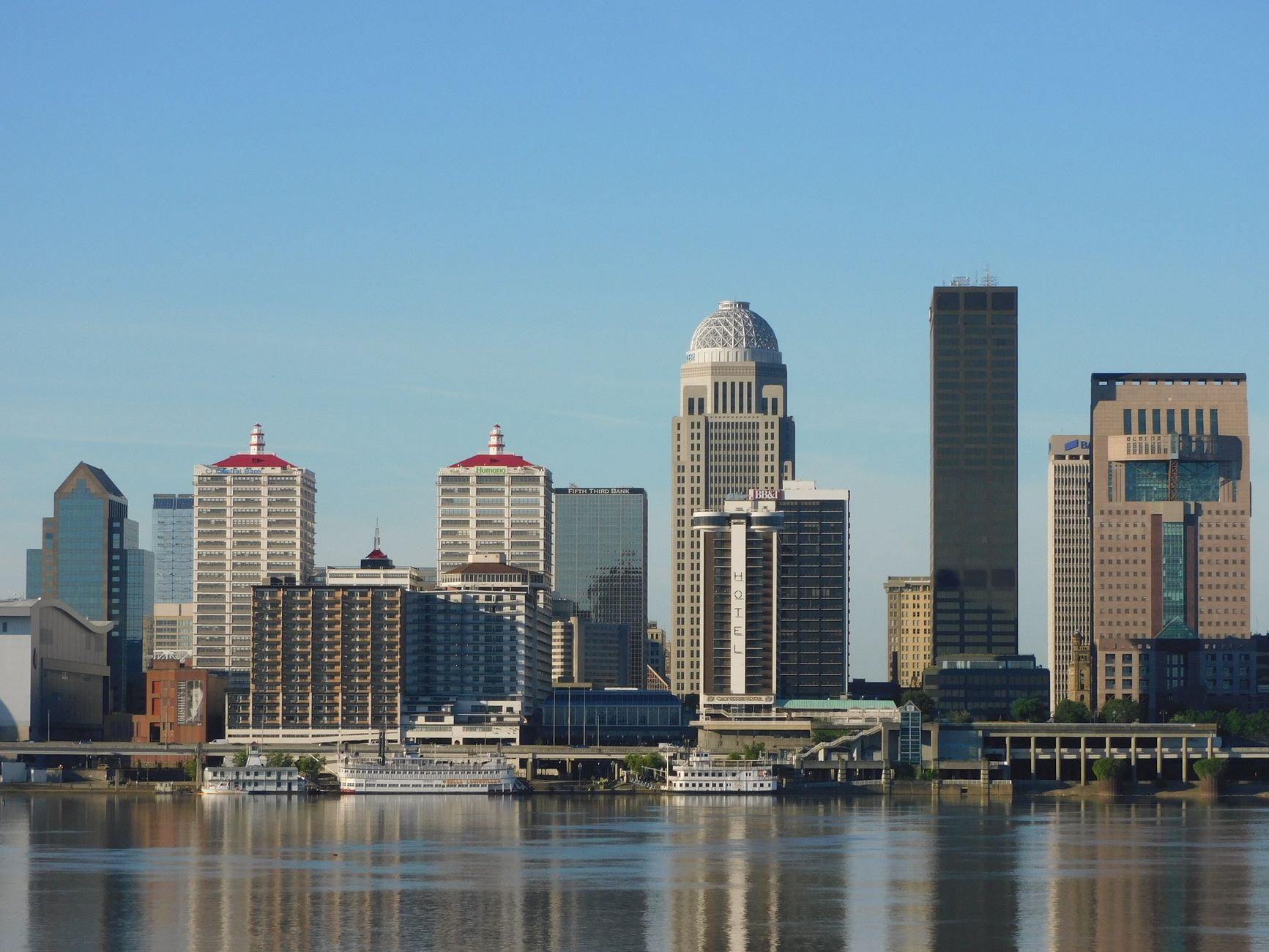
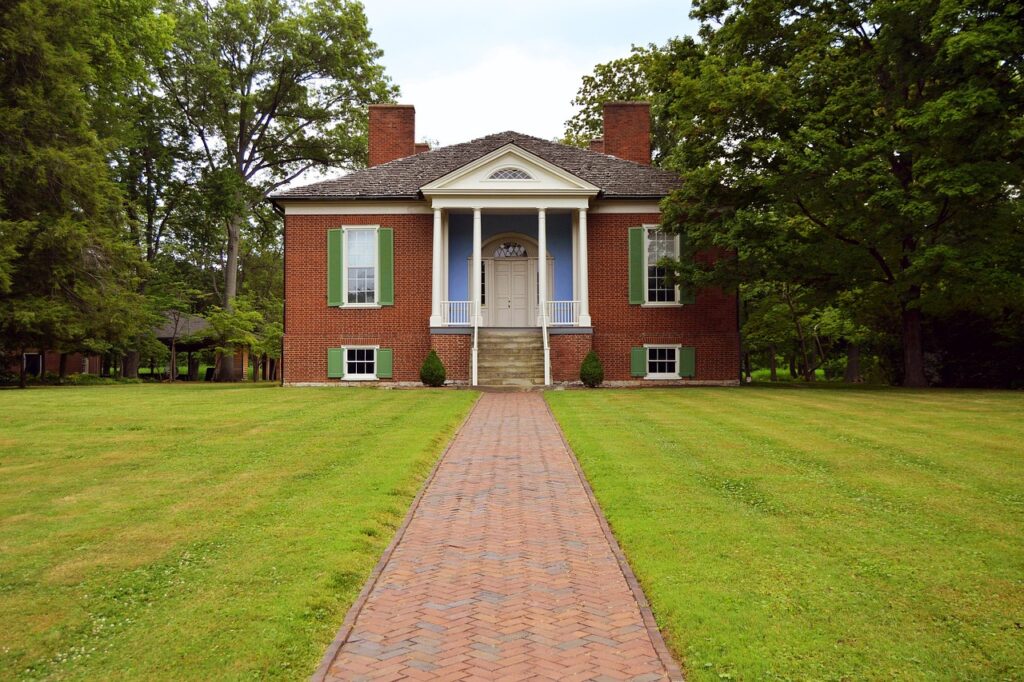
Situated along the banks of the Ohio River, the city of Louisville in the United States displays a geography where water sets the rhythm of daily existence. Far from the dizzying rush of large industrial metropolises, this Kentucky enclave possesses a human scale that encourages pauses. Mornings begin with a light mist slowly lifting over the river surface, revealing an urban landscape where historic exposed-brick architecture dialogues with sprawling green spaces and tree-lined boulevards.
The original urban layout, designed with wide streets and accessible blocks, invites travel on foot and by bicycle. The relationship between residents and their natural environment is manifested in the conservation of ecological corridors connecting residential neighborhoods with the riverfront. This balance between historic concrete and native vegetation sustains a leisurely pace, where daily wellbeing is built upon respect for shared space and the collective memory of the territory.
Exploring the surrounding districts allows visitors to appreciate how neighborhood design prioritizes community welfare over vehicular congestion. Pedestrian pathways link residential sectors with local commercial zones, facilitating daily commutes without relying constantly on motorized transport. This thoughtful urban planning reflects a deep commitment to maintaining environmental health and social cohesion across every neighborhood.
Iron and Brick Architecture in the Urban Landscape
Louisville’s architectural heritage stands out for concentrating one of the country’s most significant collections of cast-iron facade buildings. These structures, erected primarily during the 19th century in the historic commercial district, display technical and aesthetic mastery that has endured the passage of decades without losing functionality. The ornamented columns and large windows reflect an era of riverborne prosperity when coastal trade propelled the local economy.
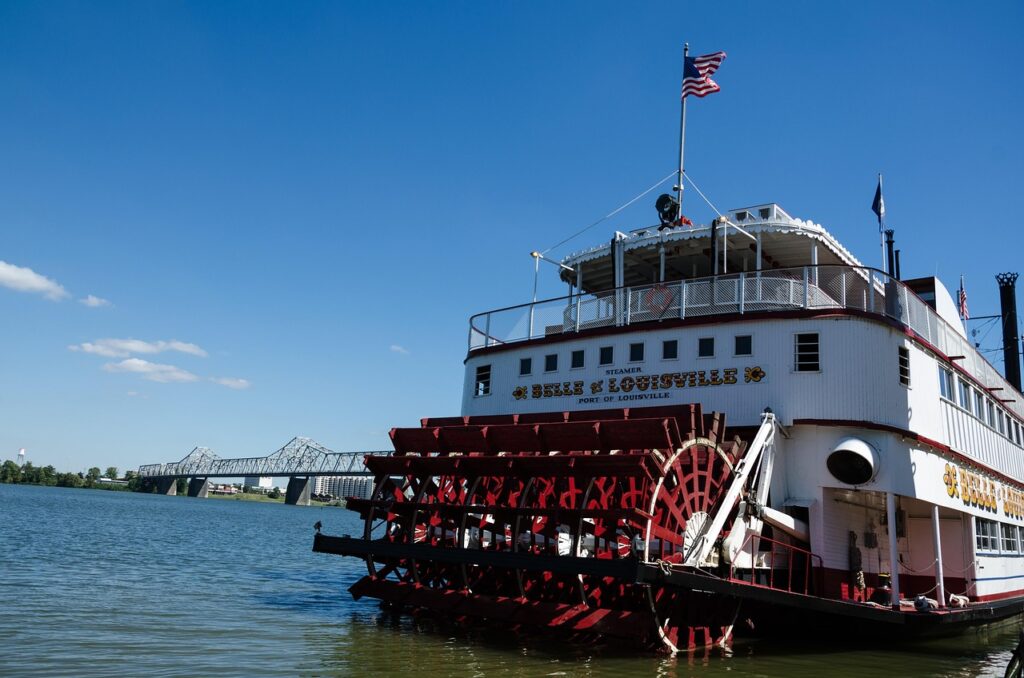
Today, these properties are not mere museum pieces, but living spaces housing independent bookstores, artisanal workshops, and neighborhood cafes. Fostering this historic fabric nurtures a deeply rooted sense of belonging among residents. Walking through these streets involves encountering ornamental details that reveal the builders’ dedication and civic will to preserve a cohesive aesthetic against the uniformity of contemporary urbanism.
Preservation efforts extend beyond individual facades to encompass entire commercial blocks, ensuring that the visual narrative of the 19th century remains intact. Local artisans and architects collaborate continuously to maintain these historic structures using traditional techniques, which guarantees their structural integrity while respecting their original aesthetic value for future generations.
Green Spaces and Neighborhood-Scale Coexistence
The city’s public park system, planned in the late 19th century, constitutes another fundamental pillar guaranteeing urban quality of life. These large green lungs, designed with a landscape vision respecting the original topography of hills and meadows, offer the community a tranquil refuge accessible minutes from downtown. Shaded paths are traversed daily by neighbors of all ages seeking direct contact with nature.
Community life flourishes around these green areas and peripheral neighborhood squares. Rather than massive tourist agglomerations, Louisville’s public spaces prioritize neighborly tranquility, local seasonal produce markets, and self-managed urban garden initiatives. This social fabric fosters coexistence rooted in mutual understanding and active participation in improving the immediate environment.
Neighborhood associations actively participate in the maintenance and programming of these parks, organizing seasonal events that bring residents together. These green spaces serve as outdoor living rooms where children play safely, elders share stories, and local communities celebrate their shared heritage through cultural gatherings and educational workshops.
Fluvial Pulse and Sustainable Mobility
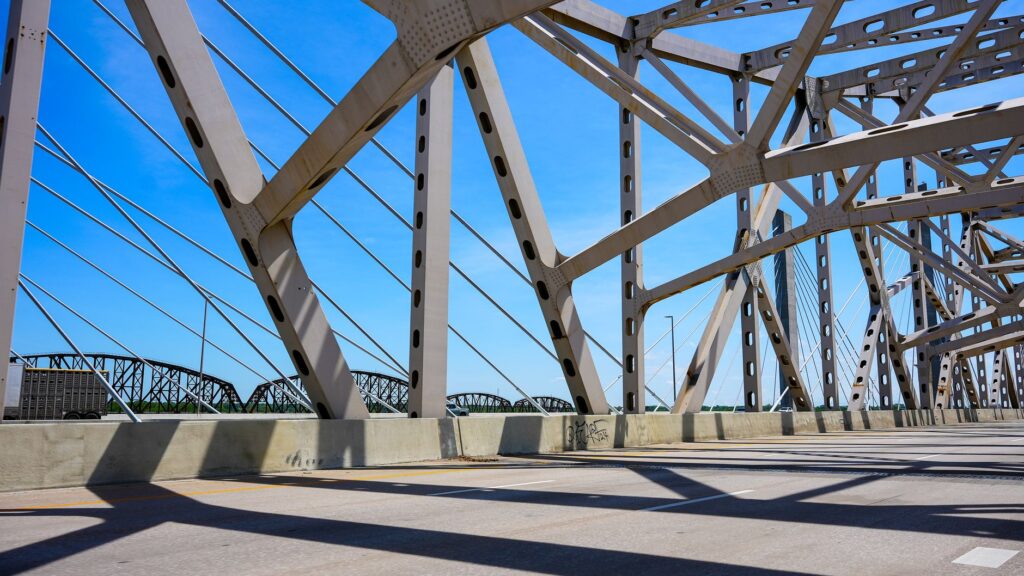
The constant presence of the Ohio River conditions both the economy and transportation and recreation options across the region. Historic river routes have yielded to an integrated mobility system combining segregated bike lanes with public transit lines designed to connect different districts without generating congestion. This commitment to urban sustainability reduces environmental impact and promotes smooth, safe displacement.
For those exploring the area, non-motorized transport options allow a closer appreciation of the transition between residential neighborhoods and protected riverside natural areas. Road infrastructure prioritizes pedestrians in commercial hubs, reducing vehicle speeds and creating an environment conducive to spontaneous social exchange and urban landscape contemplation.
Intermodal transport hubs facilitate seamless transitions between buses, bicycles, and walking routes across the city. This network encourages residents and visitors alike to leave private vehicles behind, contributing to cleaner air quality and a more peaceful urban atmosphere throughout the downtown and riverside districts.
Local Flavors and Deep-Rooted Culinary Traditions
Louisville’s gastronomy reflects the agricultural wealth of the Kentucky region and the influence of southern United States culinary traditions. Local farmers’ markets offer a variety of fresh seasonal products supplying both traditional restaurants and private households. This direct connection between rural producer and urban consumer ensures a diet based on proximity ingredients of high quality.
Typical dishes highlight long-standing preparations crafted with corn, artisanally smoked meats, and recipes inherited across generations. Far from standardized commercial offerings, the city’s culinary scene invites visitors to sit without haste in family dining rooms and local taverns, where food becomes an act of social communion and a vehicle for transmitting the valley’s cultural history.
Culinary artisans take pride in preserving heritage recipes, utilizing locally sourced ingredients that celebrate the agricultural bounty of the surrounding countryside. Food festivals held throughout the year further highlight this rich gastronomic heritage, offering educational tastings and community banquets that honor local farming traditions.
Working-Class Memory and Cultural Identity
Louisville’s cultural identity draws nourishment from its manufacturing and port past, a heritage perceived in industrial architecture converted into cultural centers and artistic creation spaces. Former factories and warehouses along the river have found a second life as independent creator studios, exhibition halls, and small tech ventures, proving heritage recovery can accompany economic innovation.
This respect for historical roots translates into constant cultural programming including traditional music festivals, community art exhibitions, and literary events. Resident participation in these activities strengthens the social fabric and ensures collective memory remains active against the accelerated changes of the modern world, keeping alive the traditions distinguishing this community on the national map.
Local museums and archival centers document the industrial evolution of the riverfront, preserving oral histories and photographs that detail the daily lives of past generations of workers. This conscientious documentation ensures that the city’s modern cultural renaissance remains firmly anchored in its authentic historical foundations.

Community Engagement and Responsible Tourism
Responsible tourism in Louisville emphasizes mutual respect between travelers and local residents, ensuring that visitor growth enhances rather than disrupts neighborhood stability. Visitors are encouraged to engage with local enterprises, support community-led initiatives, and explore areas beyond standard commercial itineraries with mindfulness and consideration for everyday civic life.
By prioritizing authentic cultural exchange over mass tourism, the city maintains its welcoming character and protects its historic neighborhoods. Travelers who respect local customs and support sustainable practices contribute directly to the preservation of Louisville’s unique heritage and vibrant community spirit.
Practical guide
Practical information for visitors to Louisville, United States:
- Getting There: Louisville Muhammad Ali International Airport (SDF) connects the city with major national hub airports. Regular long-distance bus services are also available.
- Local Transport: The TARC urban bus system efficiently covers different districts. For short trips, public bicycle rentals are highly recommended.
- When to Go: Spring (April to June) and autumn (September to November) offer moderate temperatures ideal for exploring parks and historic districts on foot.
- Accommodation: Choosing boutique hotels or historic inns located downtown or in nearby residential neighborhoods is advised for an authentic experience.
- Gastronomy: Visit local farmers’ markets and sample regional specialties in family-run establishments supporting local agriculture.
- Civic Rules: Respect nighttime quiet hours in residential areas and always use marked trails within protected natural reserves.