
The Administrative Capital Alongside the Atlantic Ocean
Rabat rises proudly above the mouth of the Bou Regreg River, gazing steadily toward the vast expanse of the Atlantic Ocean. As the capital of the Kingdom of Morocco, this city of over a million and a half residents subtly balances its prominent institutional role with a remarkably leisurely urban pace. Far from the commercial frenzy frequently associated with other large metropolises in the North African country, the ancient fortified capital unfolds an atmosphere where daily rhythm is marked by marine breezes, tree-lined promenades, and a steadfast preservation of architectural traditions. Walking through its main thoroughfares reveals how modern administration and ancestral heritage coexist seamlessly.
The urban layout of Rabat reflects the overlapping of distinctly defined historical epochs. From the vestiges of the ancient Roman occupation at Chellah to the imposing presence of Almohad architecture, every century has left an indelible mark on the physical and social landscape. Local residents walk daily past secular walls that once served to protect the territory from external incursions and now act as elements of shade and shelter. Urban planning, particularly that developed during the protectorate and expanded in subsequent decades, prioritized wide open spaces, palm-lined boulevards, and landscaped squares that invite contemplation rather than haste.
The Historic Medina and Walls Embracing the River
The medina of Rabat, although less expansive than those in neighboring metropolises, offers a direct immersion into the artisanal and commercial life of its inhabitants. Its cobbled alleys, protected by ochre and reddish-toned walls, house traditional woodworking shops, spice stalls, and leather goods stores where human interaction continues to be based on courtesy and shared time. Unlike purely tourist-centric enclaves, this urban fabric maintains a very active residential function; families visit community bakeries carrying their own dough, and children play in the small courtyards that open up informally between whitewashed dwellings.
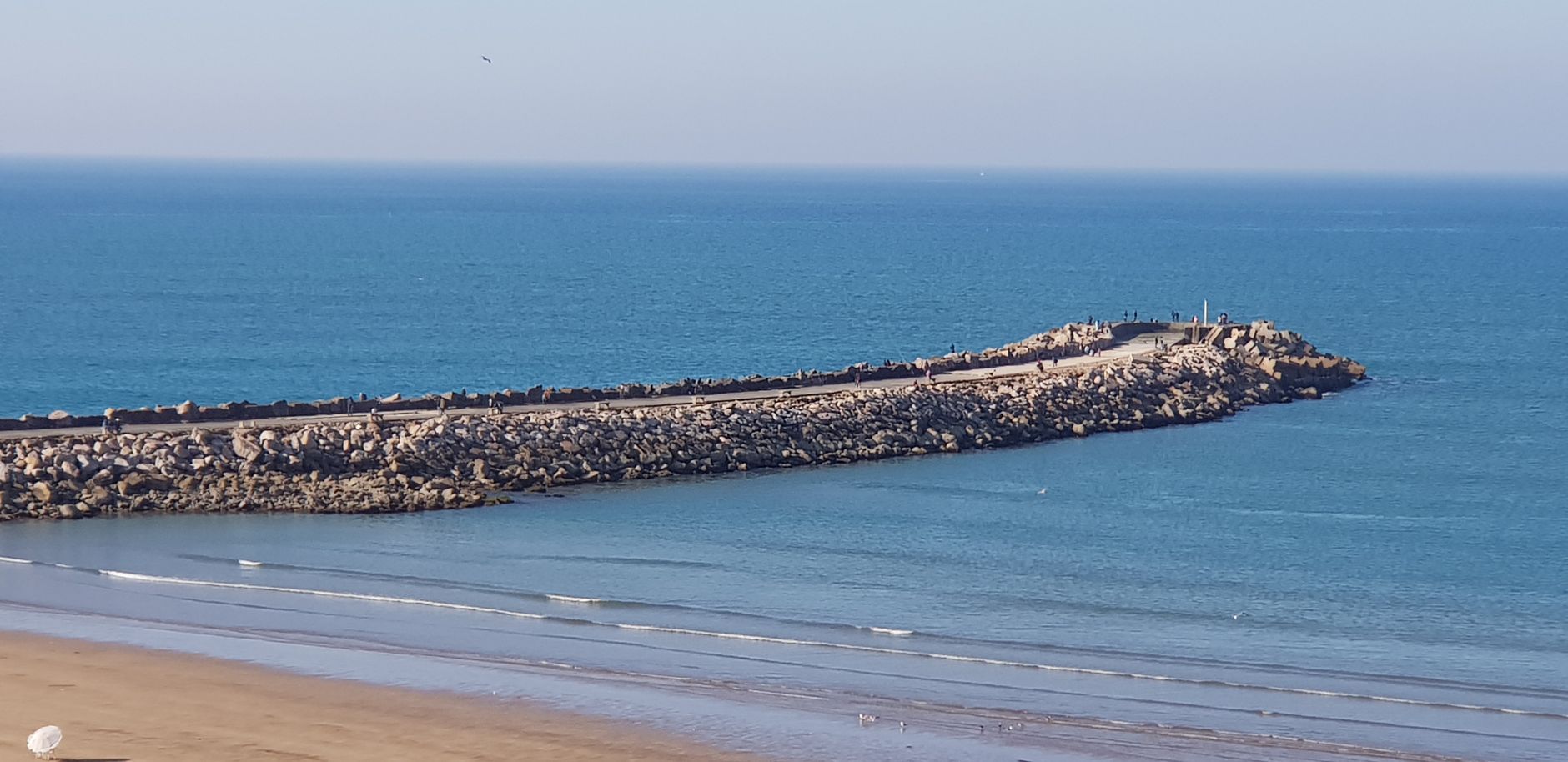
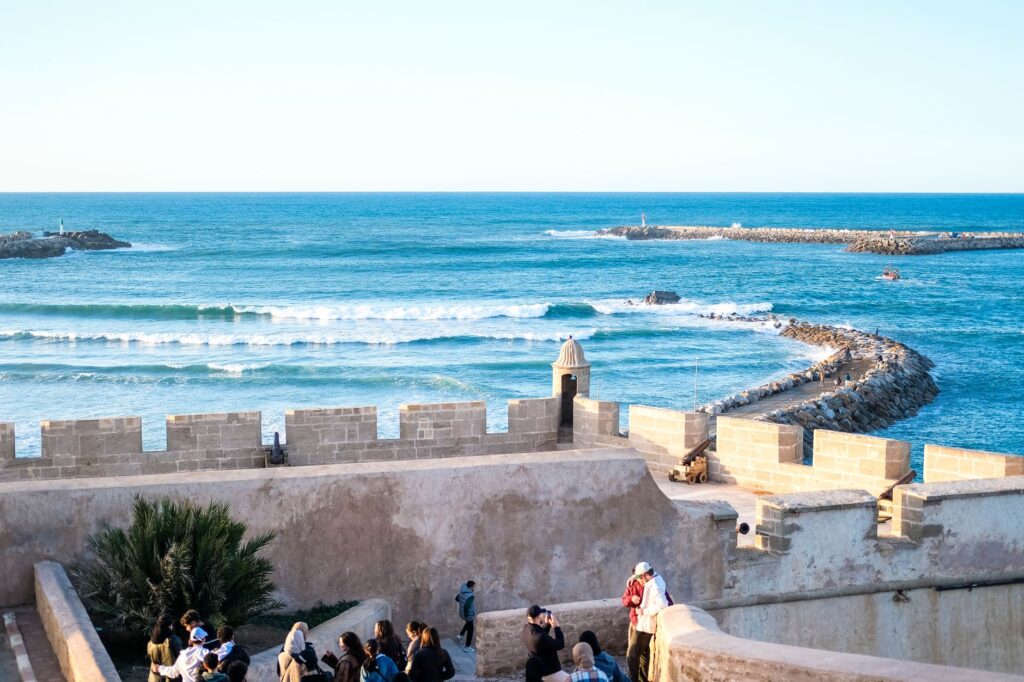
To the north of this network, the Kasbah of the Oudayas sits upon a rocky cliff overlooking the estuary. This fortified neighborhood, famous for its indigo-blue and white-painted facades, functions as a privileged viewpoint over the ocean. Its silent alleys, where the dominant sound is usually the murmur of waves breaking against the jetties or the echo of neighborhood conversations behind arched doorways, reveal an aesthetic sensibility deeply rooted in the coastal landscape. Carefully tended interior patios, decorated with potted geraniums, showcase a domesticity that prioritizes privacy and refuge from outside bustle.
The Monumental Legacy of the Hassan Tower and Mausoleum
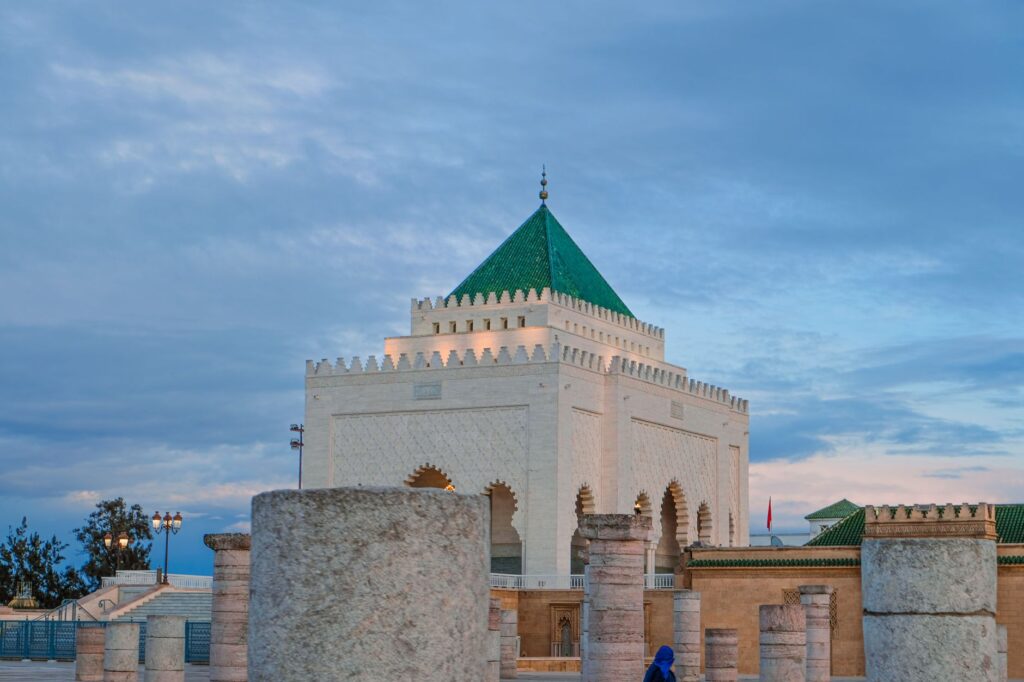
One of the most eloquent testimonies of medieval architectural ambition in Rabat is the Hassan Tower, an unfinished minaret rising above an expanse of carved stone columns. Projected in the twelfth century by the Almohad monarch Yaqub al-Mansur, this structure was intended to be part of the largest mosque in the Islamic world of its time. Although the project was interrupted following his passing, the monumental ensemble continues to convey a sense of solidity and proportion that defines the capital’s skyline. Visitors and citizens alike gather in this open space to stroll at dusk, when the limestone acquires golden hues under the oblique sunlight.
Facing the tower stands the Mausoleum of Mohammed V, a masterpiece of contemporary Moroccan craftsmanship paying homage to the monarch who engineered the country’s independence. Built by local master artisans employing traditional techniques of carved stucco, sculpted cedarwood, and white marble, the building stands out both for its lavishness and for the respectful silence that prevails within. The constant presence of the Royal Guard, dressed in ceremonial uniforms, underscores the historical importance of this enclave, which integrates harmoniously into the vast landscaped public space surrounding it.
Green Spaces and Estuary Biodiversity
The ecological balance of Rabat relies heavily on its direct relationship with the Bou Regreg River and the numerous urban parks scattered across its grid. The Andalusian Garden, situated inside the Kasbah of the Oudayas, constitutes a botanical haven where orange trees, lemon trees, bougainvillea, and tall palms grow, designed according to the canons of traditional Hispano-Moorish orchards. This space, closed off from traffic noises, provides a cool and humid microclimate—greatly appreciated during summer months—where residents come to read or converse in quiet tones under the shelter of plant shade.
On the opposite bank of the estuary, extending toward Salé, the wetlands and marshes harbor a rich birdlife including herons, flamingos, and various migratory species. Environmental protection policies have preserved these riverside areas against excessive urban development pressure, turning them into key areas for nature observation and environmental education. For those exploring the city on foot or by bicycle, river trails offer a different perspective of the capital, connecting historical heritage with the vitality of aquatic ecosystems that have sustained the region since ancient times.

Life in Local Markets and Coastal Gastronomy
Daily nutrition in Rabat draws upon both the fertile lands of the Rabat-Salé-Kénitra region and the daily catches of the Atlantic fishing fleet. The central market, a modernist-inspired building situated in the heart of the modern city, is the epicenter where local households provision themselves. Its stalls display regionally cultivated vegetables, seasonal fruits, marinated olives, and a wide variety of fresh fish that reflect the marine wealth of the Moroccan coastline with geometric precision. Vendors attend with patience, explaining the origin of each product and offering advice on traditional culinary preparation.
Local cuisine prioritizes balanced flavors, where spices such as cumin, ginger, and saffron enhance vegetables, white meats, and fish without masking their essence. Dishes such as Friday couscous, prepared with seven vegetables and tender meat, or fish tajines cooked with preserved lemons and olives, form part of a recipe book passed down from generation to generation. Sitting down to eat in small traditional establishments within the medina or on terraces facing the marina allows visitors to understand how gastronomy acts as a fundamental element of social cohesion and shared hospitality.
«The architecture and streets of Rabat do not seek to dazzle with ephemeral artifices, but rather to offer a lasting shelter where community memory and the Atlantic landscape sustain the wellbeing of those who inhabit it.»
Cultural Pulse and Craftsmanship in Residential Neighborhoods
Beyond its most recognized monuments, Rabat’s cultural vitality manifests in its artistic training centers, contemporary art museums, and workshops where young creators reinterpret inherited artisanal techniques. The Mohammed VI Museum of Modern and Contemporary Art, located on a wide tree-lined avenue, hosts collections documenting the evolution of Moroccan visual arts over the past century, serving as a meeting point for intellectuals, students, and artists nationwide. This commitment to culture as an engine of civic development reinforces the identity of a capital that balances its historical past with an open gaze toward the avant-garde.
In residential neighborhoods such as Agdal or the historic district of Océan, daily life unfolds among independent bookstores, neighborhood cafes where literature and politics are debated, and small local craft markets. In these spaces, carpet weavers, ceramists, and goldsmiths continue crafting unique pieces using traditional methods that require weeks of patient dedication. Respect for these manual trades constitutes one of the pillars supporting the sustainable local economy, ensuring that intangible heritage remains alive and accessible for new generations.
Practical guide
How to get there: Rabat is served by Rabat-Salé Airport (RBA), located a few kilometers from the center, featuring regular flight connections to several European cities. It is also easily accessible via the national railway network (ONCF) from Casablanca and Tangier through fast and frequent journeys.
When to go: Spring months (March to May) and autumn (September to November) offer mild temperatures ideal for walking outdoors, avoiding the intense heat of the coastal summer.
Where to stay: Traditional riads inside the medina offer an intimate and quiet accommodation experience, while modern hotels in the Agdal and Hassan districts provide contemporary comforts and easy access to public transport.
Recommended gastronomy: Taste traditional couscous prepared on Fridays, fresh Atlantic fish tajines, and artisanal pastries accompanied by mint tea on terraces overlooking the estuary.
Local transport: The Rabat-Salé tramway network is fast, clean, and economical, connecting major neighborhoods and historical monuments. Urban red taxis are useful for short trips within the city.
Official language: Arabic and Amazigh are the official languages, although French is widely used in administration, commerce, and hospitality.
Currency and payments: The official currency is the Moroccan dirham (MAD). Carrying some cash for small shops in the markets is advisable, although credit cards are accepted in hotels, restaurants, and larger establishments.
Final Reflection on the City’s Atlantic Horizon
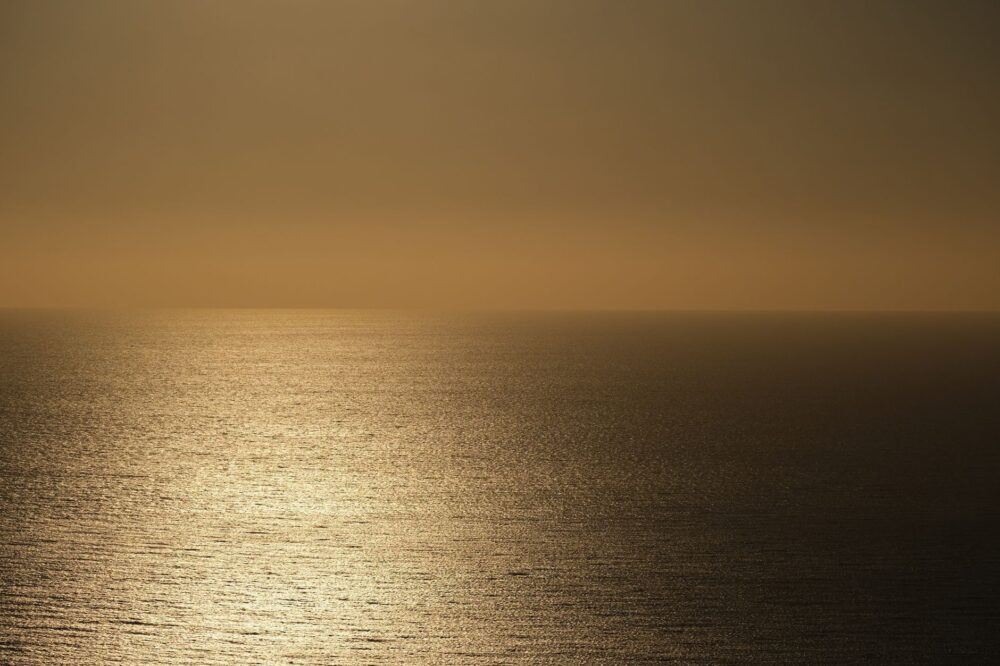
Contemplating sunset from the viewpoints of the Kasbah of the Oudayas, with the marine horizon melting into orange hues and the constant murmur of waves, summarizes the peaceful essence of Rabat. This administrative capital has successfully preserved a human scale where historical monumentality does not crush daily life, but rather frames it with dignity and tranquility. Walking through its tree-lined avenues, open squares, and riverside neighborhoods, the traveler understands that the true value of this destination lies in its capacity to offer a serene rhythm, carefully tended heritage, and a community welcoming those who stop to know it with genuine hospitality.