
The Geography of the Tamil Interior
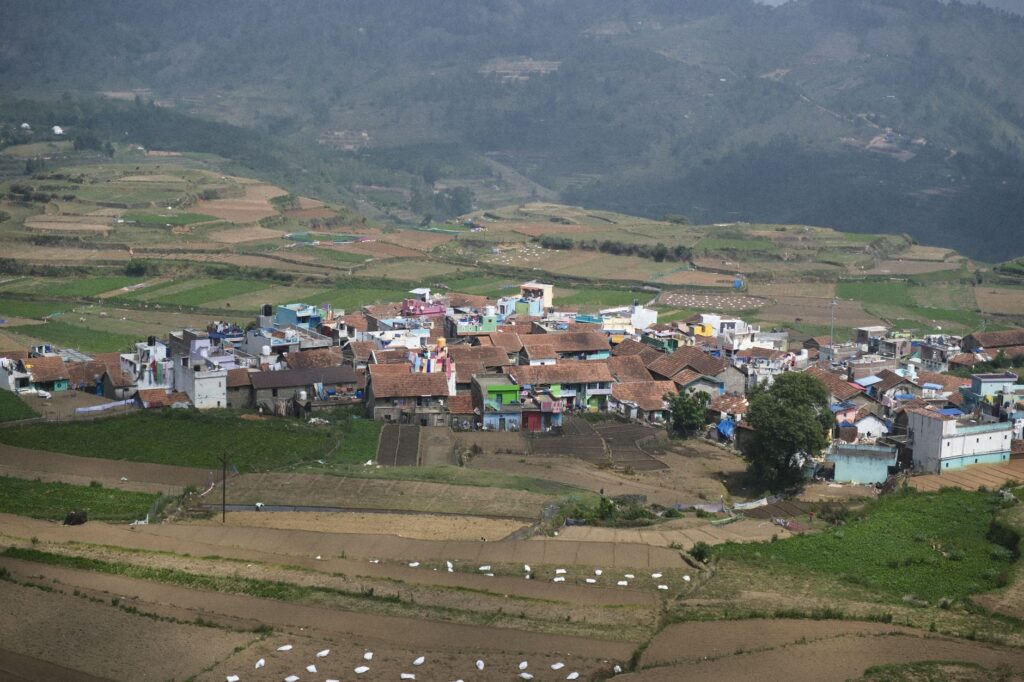
In the heart of Tamil Nadu, far from conventional tourist routes, the district of Kallakurichi unfolds a landscape where red soil and tapioca cultivation set the rhythm of the hours. Situated at a moderate altitude and bathed in the intense light of southern India, this territory organizes its daily routine around a rural economy deeply rooted in agricultural tradition. The open plains and small elevations surrounding the region act as silent witnesses to a way of life where collective effort forms the basis of subsistence.
Unlike the large metropolises of the state, the streets of this administrative town display a different, unhurried pace, where the sound of farming tools and conversations under the shelter of neem trees create a constant soundtrack. Here, local identity is not displayed as a product for visitors, but is lived with the naturalness of those who perpetuate gestures inherited from generation to generation. The relationship with the natural environment is symbiotic; each growing season dictates festivities, market rhythms, and community priorities.
Morning Markets and Local Commerce
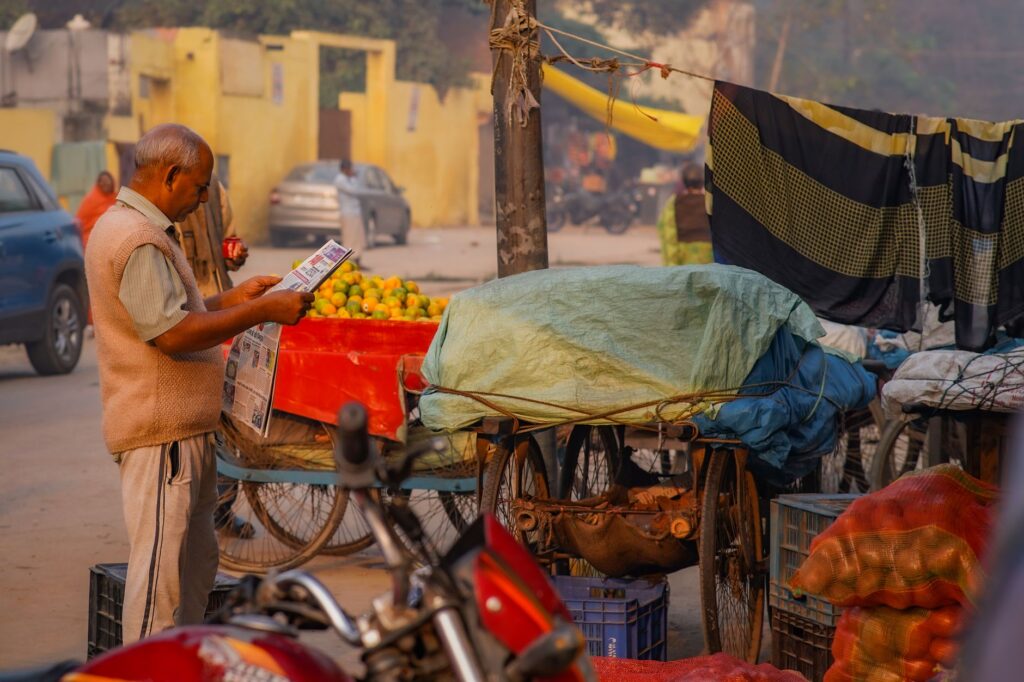
As the sun begins to warm the atmosphere, the open-air markets of Kallakurichi take on a singular dynamism. Stalls featuring fresh vegetables, grains, and spices are set up on tarps laid directly on the ground, while local farmers negotiate the price of their harvests with area merchants. This commercial exchange constitutes not merely an economic transaction, but a fundamental space for socialization where bonds of trust are woven and daily news is shared.
The pulse of the market reflects the diversity of the region’s crops, highlighting the constant presence of cassava and rice, foundational pillars of the local diet. Vendors, with precise gestures and years of experience behind their improvised counters, serve a loyal clientele that values product proximity. In these bustling corners, the essence of traditional Indian commerce is perceived, far removed from large shopping centers and sustained by direct, everyday human contact.
Vernacular Architecture and Urban Refuges
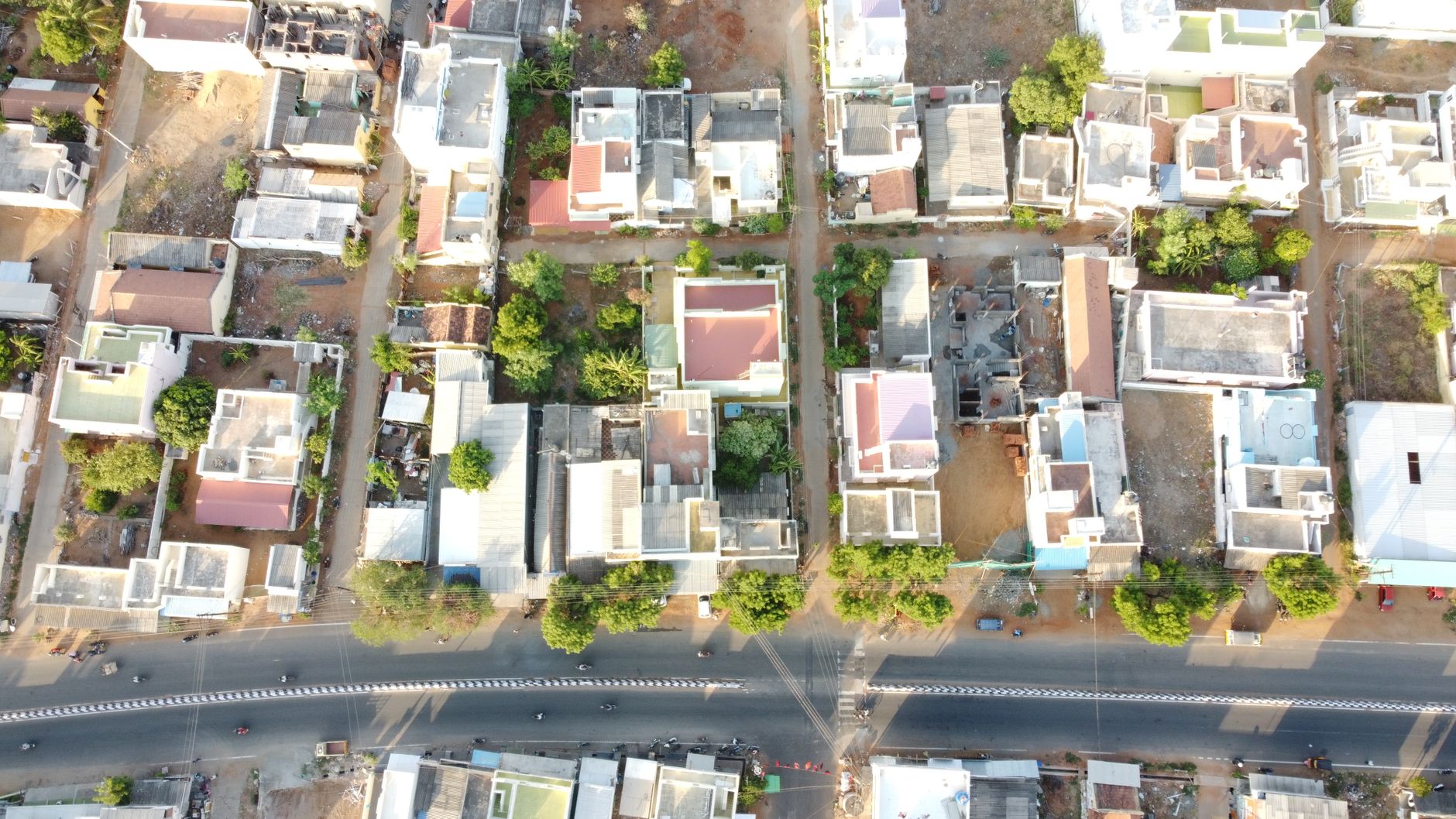
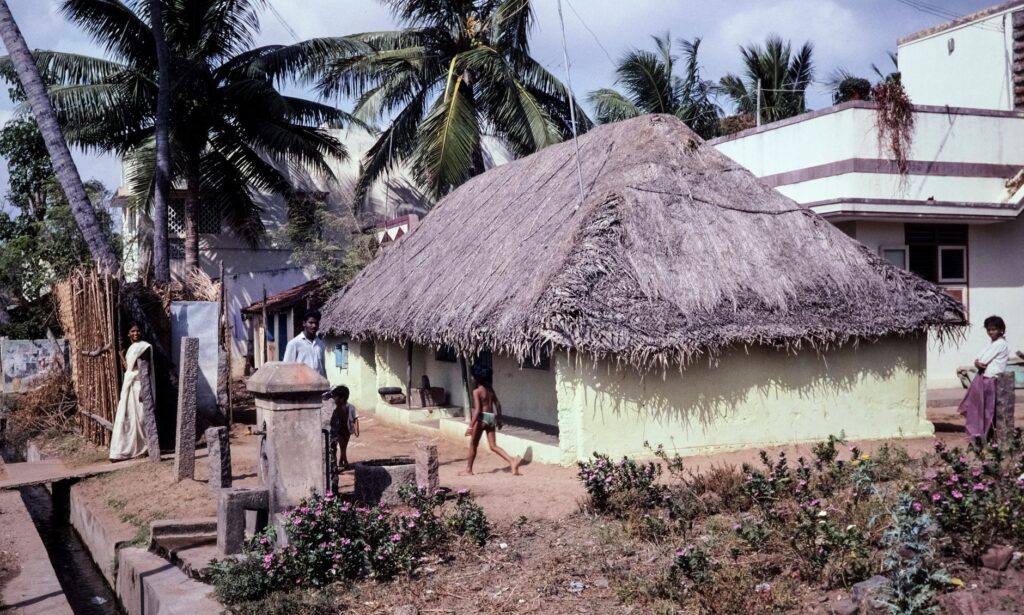
The town’s urban fabric combines low-rise constructions with old traditional dwellings featuring open porches and interior courtyards designed to mitigate the region’s heat. These structures, built with local materials and techniques passed down by master masons, prioritize functionality and climatic adaptation over aesthetic artifice. Red-tiled roofs and whitewashed walls that withstand the passage of years add a characteristic visual texture to residential neighborhoods.
As evening falls, these architectural spaces transform into neighborhood meeting points. Families gather on thresholds and in small squares to escape the heat accumulated during the day, fostering informal chats that reinforce the community fabric. Kallakurichi’s vernacular architecture thus acts as a container of collective memory, where every facade and entryway holds the footprint of a community that values permanence over modern transience.
Water and the Memory of Ponds
The landscape of Kallakurichi is indelibly marked by the presence of ancient water storage ponds, known locally as oorani. These traditional hydraulic infrastructures, excavated and maintained by communities for centuries, allowed for the harnessing of scarce monsoon rains to guarantee the irrigation of surrounding fields. Today, although many of these water bodies have lost part of their original splendor, they remain vital elements for ecological balance and the rural landscape.
Walking along the banks of these ponds at dusk reveals a peaceful facet of the district. Waterfowl find refuge in the riparian vegetation, while local residents come by to carry out daily chores or simply enjoy the breeze that relieves evening temperatures. The past community management of these water resources demonstrates an ancestral awareness of environmental fragility, a value that gains special relevance today in the face of global climate challenges.
The value of a territory does not reside in its prefabricated monuments, but in the silent capacity of its people to sustain daily life with dignity and respect for their surroundings.
Crafts and Trades That Defy Time
In modest workshops hidden behind residential alleys, various local artisans continue to craft everyday objects using manual techniques nearly extinct in major industrial centers. From plant-based basketry to light carpentry intended for agricultural implements, these trades represent a fundamental link in preserving the district’s intangible heritage. Master artisans work with infinite patience, using inherited tools that have been repaired and adapted countless times.
This artisanal sector is sustained by local demand and a network of small workshops operating outside mass commercial circuits. Passing this knowledge on to younger family members ensures the temporary survival of trades at risk of disappearing in the face of serial production. Observing the skill with which a turner shapes wood or how a weaver intertwines plant fibers is to step into the true living archaeology of the region.
The Cuisine of the Tamil Interior and Its Essential Flavors
The gastronomy of Kallakurichi is a faithful reflection of its agricultural environment, characterized by the generous use of rice, local lentils, tamarind, and a precise selection of freshly ground spices. Traditional dishes dispense with unnecessary artifice to focus on the power of proximate ingredients, where seasonal vegetables take absolute prominence in the broths and stews accompanying main meals.
In the town’s small family eateries, food preparation follows a meticulous ritual beginning before dawn. Banana leaves serve as a natural and hygienic support to prepare dishes such as sambar and various varieties of spiced rice, offering diners a culinary experience deeply tied to the land. This respect for pure flavors and ingredient seasonality consolidates local cuisine as an indisputable pillar of Tamil cultural identity.
Responsible Decisions for the Visitor
Approaching a destination like Kallakurichi demands an attitude of active listening, respect for local customs, and deep discretion from travelers. As an overwhelmingly agricultural area untouched by mass tourism, the presence of outsiders alters habitual dynamics, making it essential to prioritize respectful interaction and avoid intrusion into private spaces or intimate ceremonies. Supporting small neighborhood shops and consuming locally made products directly contributes to the economy of host families.
Likewise, conserving the natural and urban environment requires visitors to adopt sustainable practices, such as proper waste management and measured water usage, a valuable resource in this southern Indian region. Traveling responsibly here means understanding that the destination’s greatest attraction is its intact authenticity, which must be preserved for future generations through conscious, low-impact tourism.

Practical guide
How to get there: The district of Kallakurichi is connected by road to major cities in Tamil Nadu, such as Chennai and Tiruchirappalli, via regular state bus services and private vehicles. The nearest railway station facilitates regional rail connectivity.
When to go: The months between November and February offer the most favorable weather conditions, with moderate temperatures and fresh mornings ideal for exploring markets and rural areas.
Where to stay: Hotel offerings are limited to small locally run establishments and functional guesthouses focused on business travelers and independent tourists seeking an immersive experience.
Recommended gastronomy: It is advisable to try dishes based on local rice, seasonal vegetable curries, and traditional preparations served on banana leaves in popular eateries of the urban center.
Code of conduct: Visitors are advised to dress modestly, ask permission before photographing individuals in markets, and maintain a respectful attitude in places of worship and community spaces.
Visual Epilogue and the Calm of Sunsets
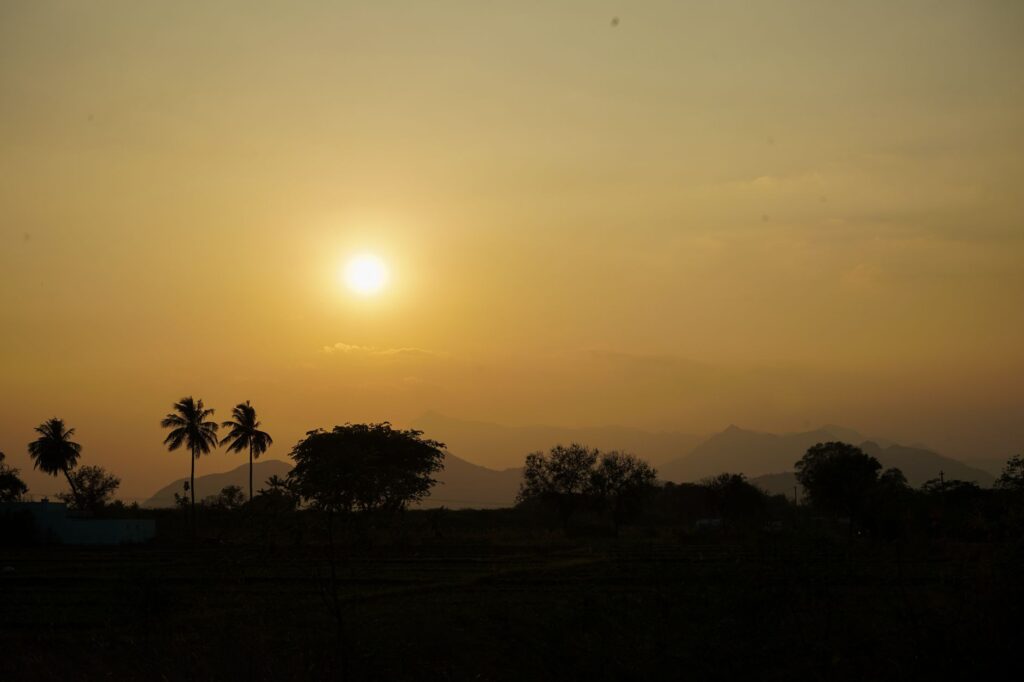
When the day draws to a close, the golden sunset light permeates the tapioca fields and weathered facades of Kallakurichi, granting the landscape an imposing stillness. In that moment of transition, residents peacefully return to their homes while the bustle of markets gives way to nightly silence. It is the moment when the true essence of the Tamil interior reveals itself in maximum expression, reminding observers that the travel experience’s beauty lies in the serene contemplation of everyday life.