
Origins and Geography in Nepal’s Western Extremity
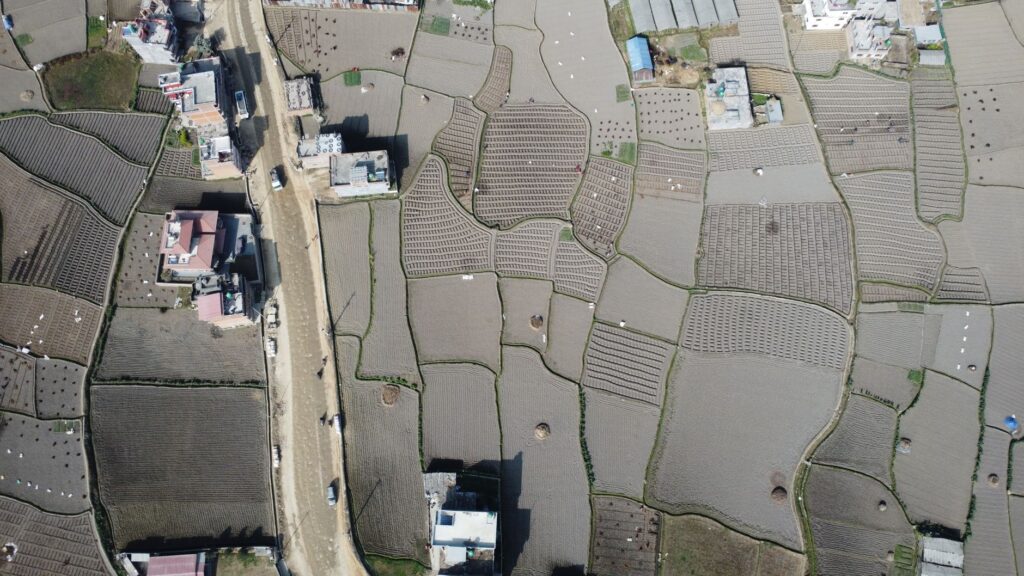
In the southwestern corner of Nepal, where the contours of the Indian subcontinent begin to merge with the foothills of the Himalayan mountain range, lies the city of Bhimdatta, historically known as Mahendranagar. Situated within the Sudurpashchim province and the Kanchanpur district, this administrative hub represents a pivotal meeting point where the Terai plains and the pathways descending toward the Indian border converge. With an average elevation of around two hundred meters above sea level, the municipality offers a physical landscape radically different from the high alpine peaks of the north, characterized by extensive fertile lands, seasonal watercourses, and a subtropical vegetation that has shaped human settlement for generations.
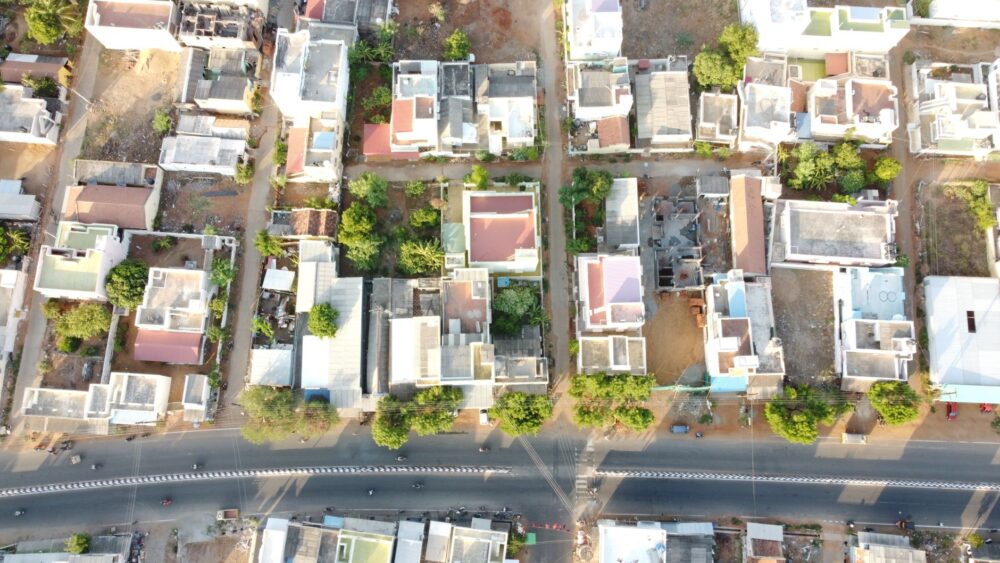
The urban layout of Bhimdatta reflects organic growth driven by its status as a border crossing and regional administrative center. Unlike the dense metropolises of the Kathmandu Valley, daily life here is characterized by a spacious layout, wide tree-lined streets, and a mix of low-rise buildings where local shops, artisan workshops, and traditional dwellings coexist. The proximity of the Mahakali River adds a fundamental geographic component, delimiting not only a political boundary but also a dynamic fluvial ecosystem that sustains subsistence agriculture and artisanal fishing in the surrounding riparian communities.
Daily Life in Markets and Public Squares
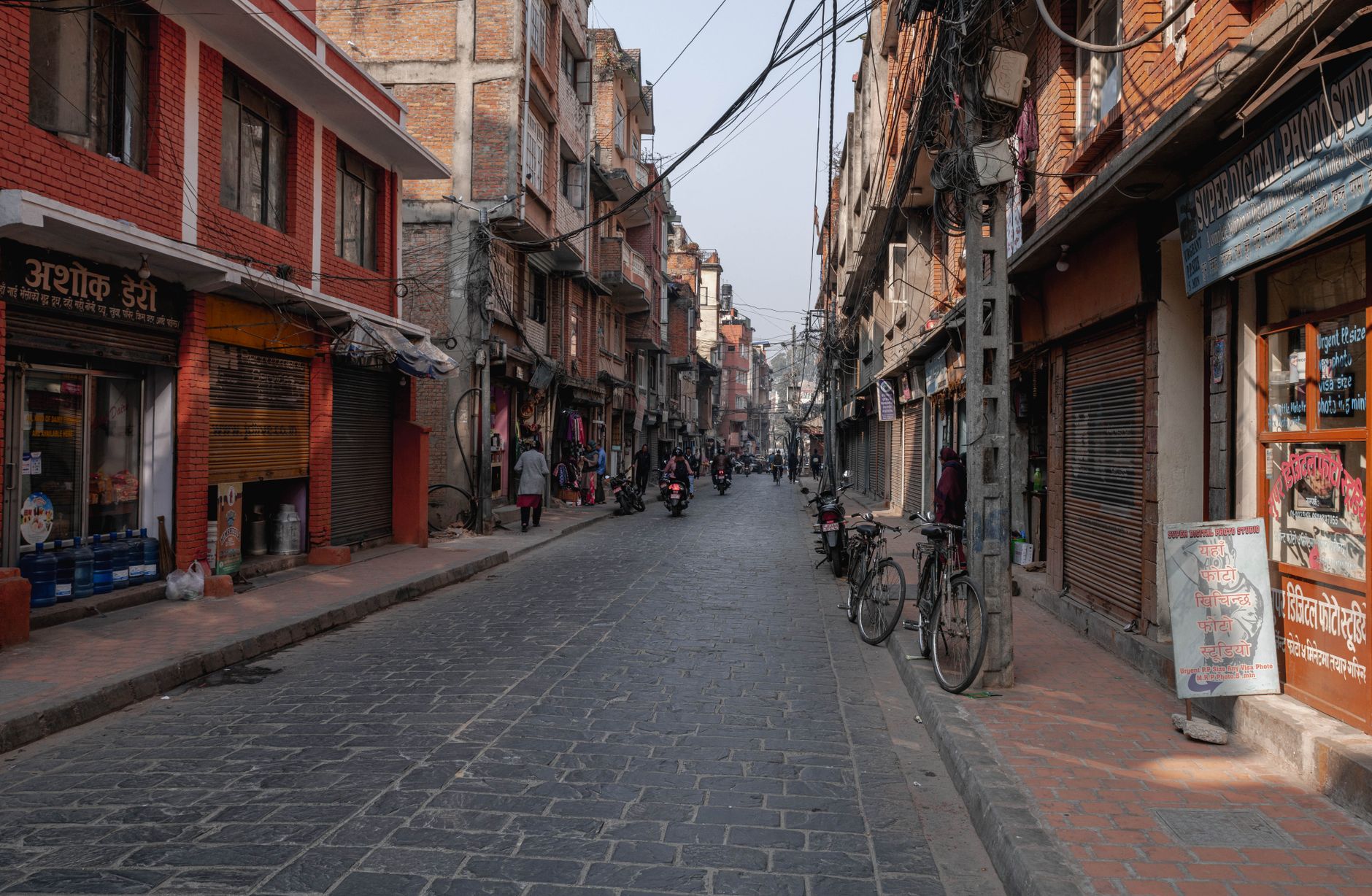
The daily pulse of Bhimdatta beats most intensely in its open-air markets and commercial squares extending across the center of the town. From the early morning hours, when the morning mist begins to clear under the sunlight, farmers from nearby rural villages arrive with their harvests of vegetables, rice, and spices. This commercial exchange is not merely an economic transaction, but an indispensable social gathering point where the networks of community solidarity that sustain the urban and rural life of the Kanchanpur region are woven.
Wandering through these spaces reveals the cultural diversity of a territory inhabited by different ethnic groups and indigenous communities who have preserved their linguistic, culinary, and festive traditions. Street food stalls offer preparations made with local ingredients, highlighting the use of legumes, aromatic rices, and condiments characteristic of Terai cuisine. The atmosphere is completed by the coming and going of passersby, the sound of cycle rickshaws, and constant activity in small workshops where local artisans craft tools and everyday textiles.
Architectural Heritage and Community Memory
Although Bhimdatta lacks the monumental concentration of the ancient hill kingdoms of Nepal, its urban architecture reflects a recent history of settlement and community consolidation. Constructions display solutions adapted to the warm and humid climate of the plain, featuring wide porches, pitched roofs designed to withstand heavy monsoon rains, and brick or cement walls painted in earthy tones. These constructive elements demonstrate a practical adaptation to the natural environment that prioritizes cross-ventilation and protection against high summer temperatures.
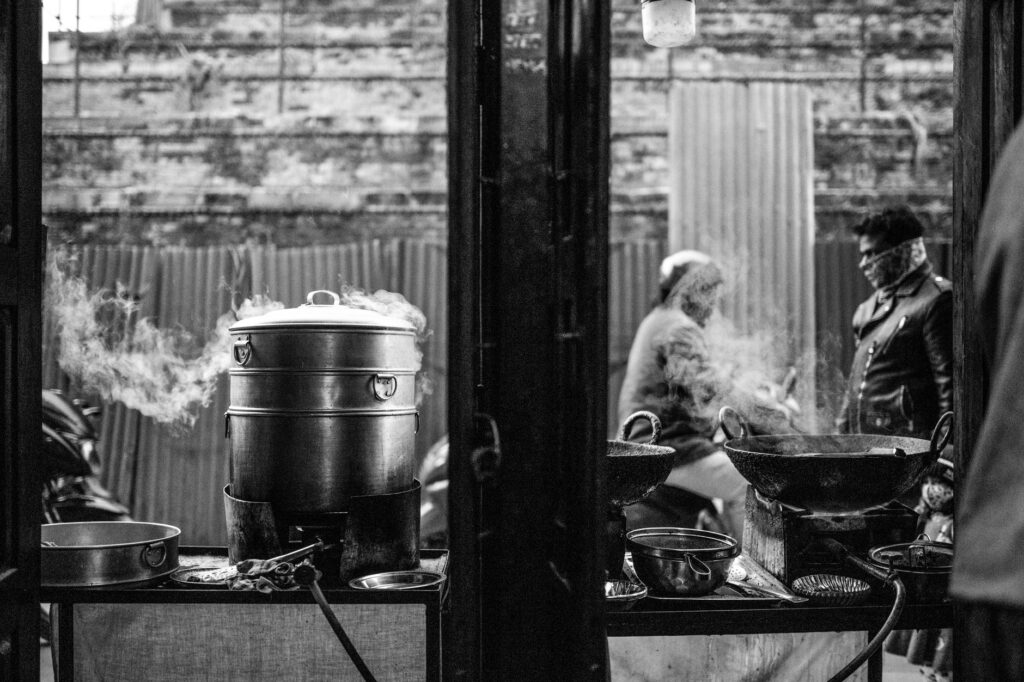
The collective memory of the inhabitants is transmitted across generations through religious festivities, traditional songs, and the conservation of community spaces such as small local temples and sacred trees situated at neighborhood intersections. These sites act as identity reference points where residents gather to celebrate seasonal rituals or simply find refuge from the afternoon heat. The preservation of this intangible heritage fabric is fundamental to understanding how a rapidly growing city maintains a strong sense of belonging and social cohesion.
Biodiversity and the Surrounding Natural Environment
The territory surrounding Bhimdatta possesses remarkable ecological richness due to its proximity to the Shuklaphanta National Park, one of the most important protected areas in the Nepalese lowlands. This natural environment, characterized by extensive grasslands, riparian forests, and wetlands, harbors a significant population of wildlife, including swamp deer, rhinos, and a wide variety of migratory birds that find a vital refuge for survival in this ecological corridor.
The relationship between the urban population and this rich natural environment presents ongoing challenges in terms of conservation and sustainable land management. Local authorities and community organizations collaborate on initiatives aimed at educating residents and visitors on the importance of protecting natural habitats, preventing the degradation of water resources, and minimizing the impact of human activities in the park’s buffer zones. This balance between urban development and environmental preservation constitutes one of the most relevant pillars for the sustainable future of the region.
Local Gastronomy and Terai Culinary Traditions
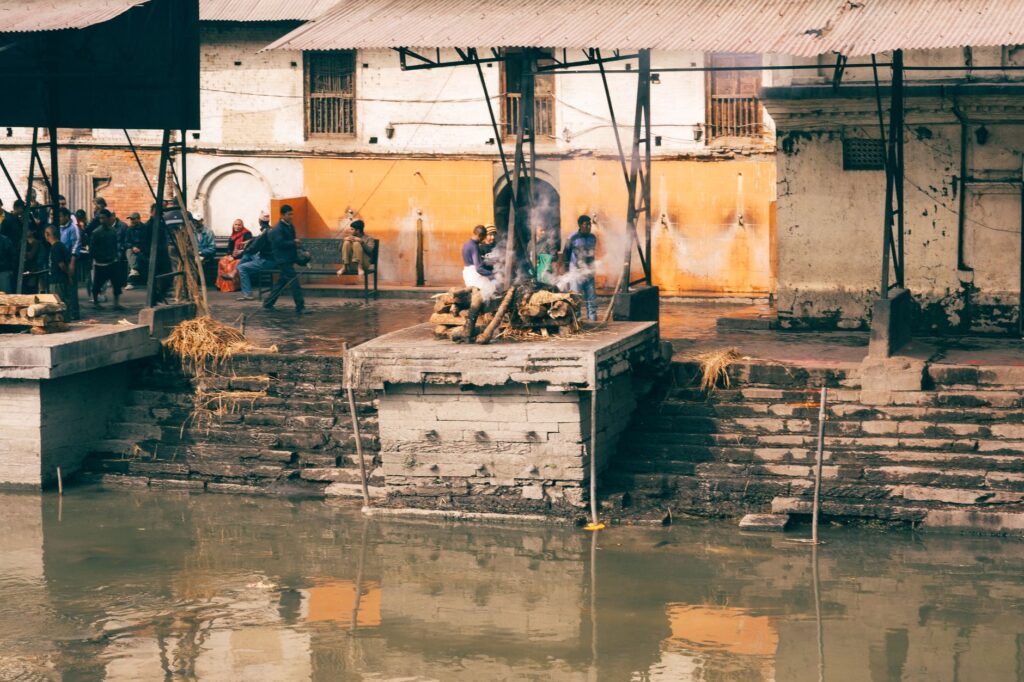
The cuisine of Bhimdatta reflects the agricultural abundance of the Terai plain and the influence of culinary traditions from the northern Indian subcontinent, adapted to Nepal’s local palate and ingredients. Main dishes are fundamentally based on long-grain rice, accompanied by lentils prepared with various combinations of spices such as turmeric, cumin, and coriander, generically known as dal. These are complemented by seasonal vegetable preparations, root crops, and curries made with fresh produce obtained in regional markets.
Unlike the gastronomy of the northern mountain zones, dominated by thick soups and cold-climate cereals such as millet and barley, the cuisine of the southwestern extremity stands out for warmer flavors and the frequent use of mustard and vegetable oils in frying and stews. Local families keep traditional recipes alive through oral transmission, preparing sweets and flatbreads consumed during family celebrations and religious festivals of the Hindu calendar.
Responsible Tourism and Conscious Visitor Decisions
The gradual increase in traveler interest in exploring less crowded regions of Nepal has led Bhimdatta to rethink its tourism reception model. Current guidelines promote small-scale tourism that prioritizes respect for local customs, support for small business economies, and minimization of the ecological footprint during stays in the city and its surroundings. Visitors are encouraged to use local transport, hire community guides, and respect dress codes and behavioral norms in places of worship.
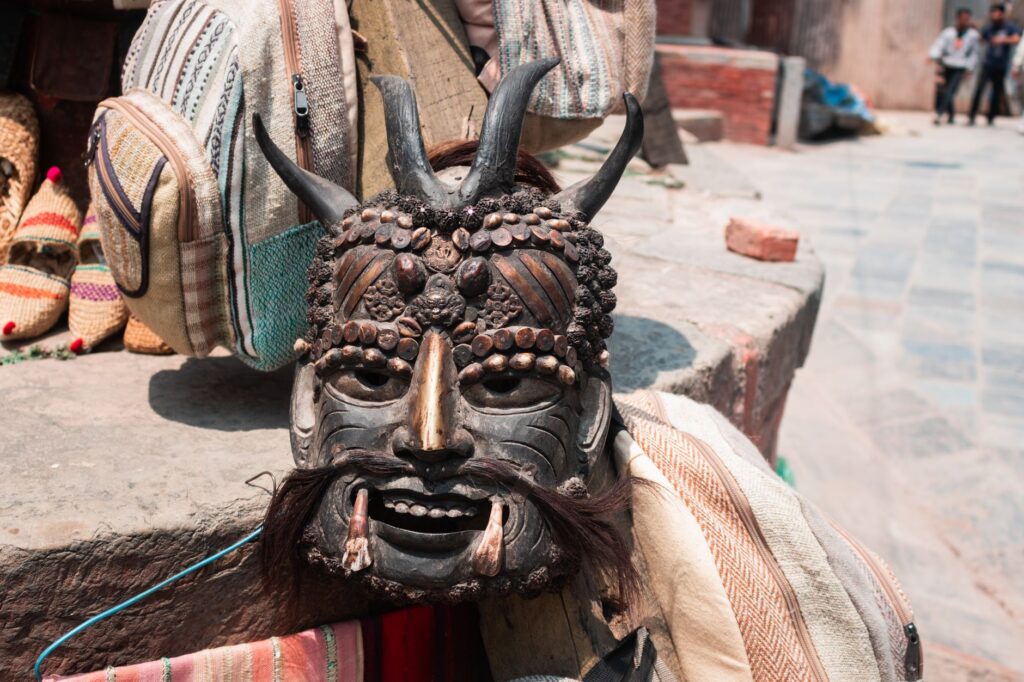
The true value of a journey to these regions lies in the traveler’s ability to observe without altering, listening to the daily stories of its inhabitants and valuing a cultural heritage sustained by the daily effort of its community.
This mindful approach not only enriches the traveler’s experience, but ensures that economic benefits derived from tourism are distributed equitably among local families, avoiding the negative effects of mass tourism and preserving the authenticity of the urban and natural environment for future generations.

Practical guide
- How to get there: Bhimdatta is accessible by road from other major cities in Nepal via regular bus services and private vehicles. Overland connectivity is also available from nearby border crossings with India.
- Best time to visit: The months between October and March offer milder temperatures and stable weather conditions, ideal for exploring the city and its natural surroundings.
- Accommodation: The hotel offerings include small family-run lodges and locally managed town guesthouses, oriented toward offering a comfortable stay close to daily life.
- Recommended gastronomy: Taste traditional dishes based on rice, lentils, and local vegetables in small popular eateries located in the center of the city.
- Urban transport: Walking through the historic center or using traditional cycle rickshaws for short trips within the municipality is recommended.
- Cultural respect: Dress modestly, especially when visiting temples or traditional residential areas, and ask for permission before photographing people in the markets.
- Environmental conservation: Avoid single-use plastics and follow established rules when visiting the buffer zones of Shuklaphanta National Park.
Final Reflection on Landscape and Memory
The journey through Bhimdatta concludes with the certainty that the most memorable destinations are not always found on the most traveled tourist routes, but in those corners where life unfolds away from artifice. The harmony between the fertile plain, the proximity of the Mahakali River, and the warmth of its people creates a rich human mosaic. Upon bidding farewell to this city situated at the threshold of the Himalayas, the enduring image remains of golden sunsets over cultivated fields and the silent dignity of a community building its future on shared identity and environmental respect.