
Territory and Geography of an Alpine and Coastal Region
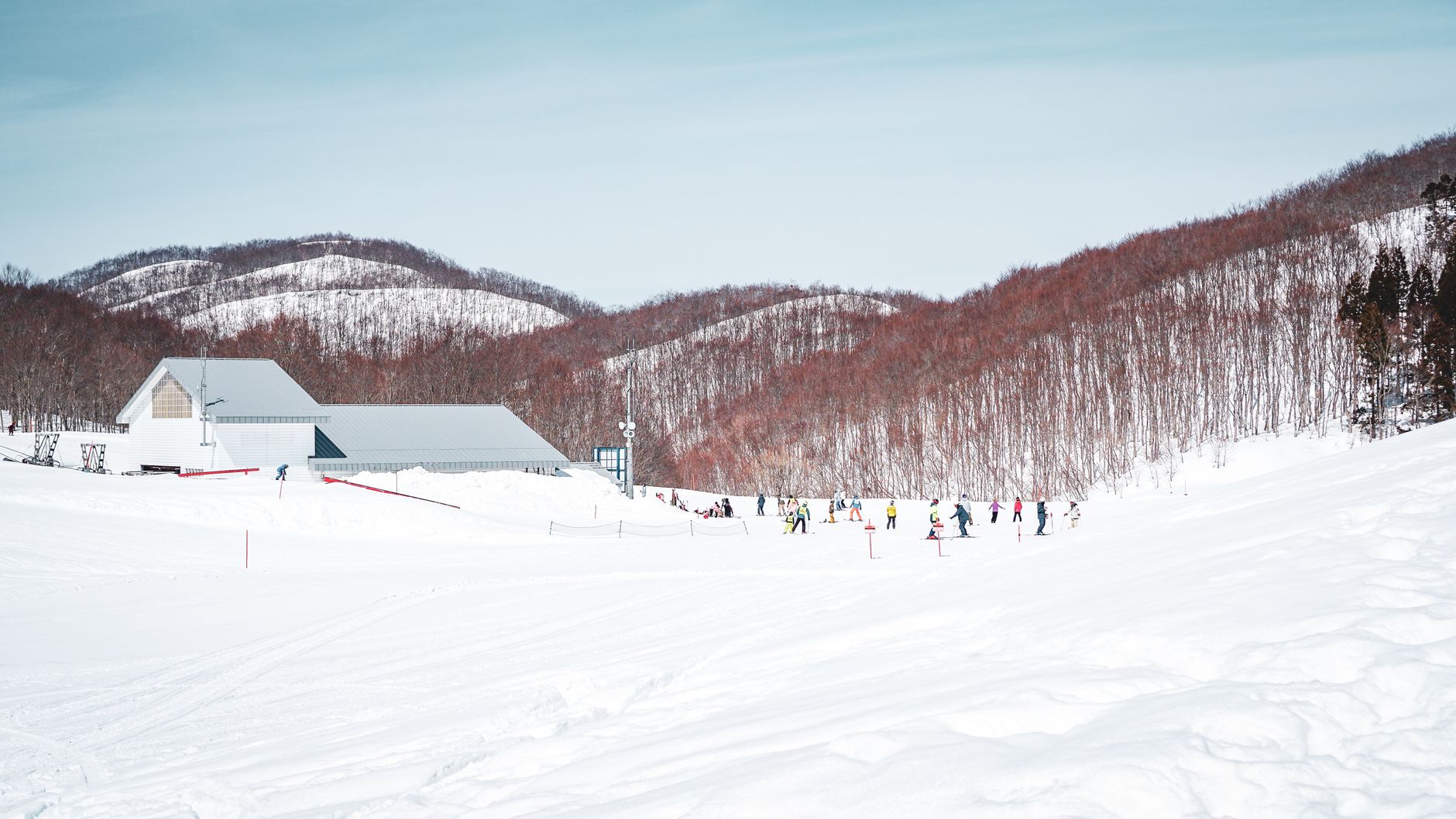
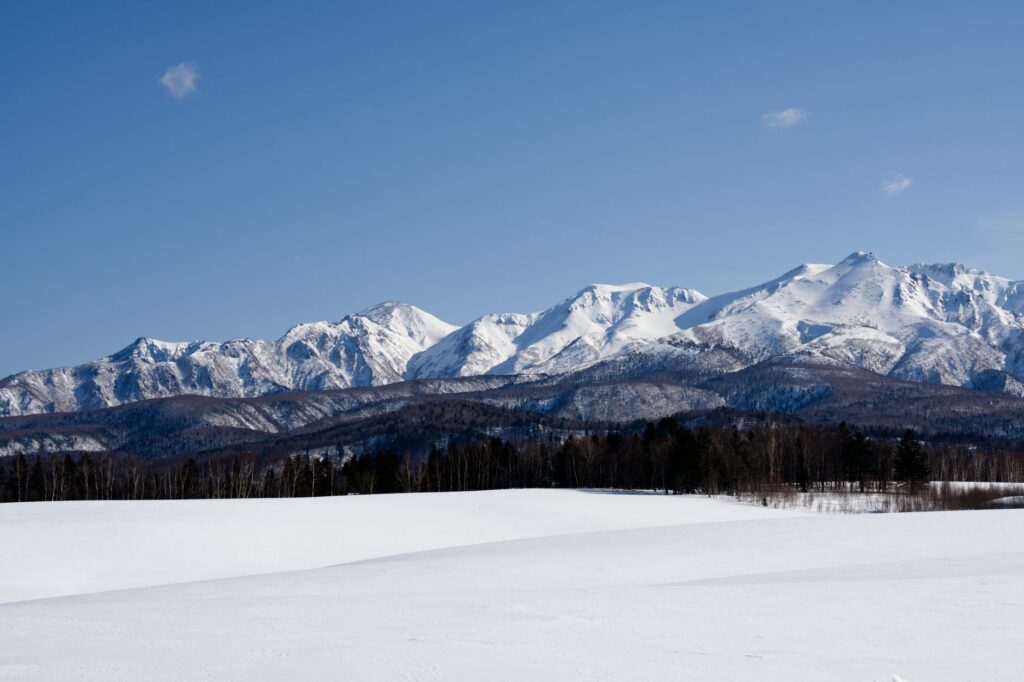
The prefecture of Niigata, located on the western coast of Honshu Island in Japan, stretches between the imposing peaks of the Echigo mountain range and the waters of the Sea of Japan. This unique geographical location turns the territory into a setting of dramatic contrasts, where mountain slopes descend rapidly toward alluvial plains crossed by major rivers such as the Shinano. For any expeditioner or traveler interested in alpine adventure, understanding this topography is essential before planning any hiking route or mountain traverse.
The relief of Niigata not only defines the visual landscape but directly conditions every aspect of travel logistics. Elevations exceed two thousand meters at numerous points, creating deep valleys and mountain passes that remain isolated for much of the year. Far from being a conventional destination, the region demands a deep understanding of the physical environment, where traditional mountain trails transform into technical routes due to snow accumulation and slope instability during the coldest months.
Climatology and the Power of Snow in Deep Japan
The meteorological factor is undoubtedly the most decisive element when planning an expedition in this area of Japan. Siberian winds laden with moisture cross the Sea of Japan and collide head-on with the high peaks of the Echigo range. This phenomenon causes some of the heaviest snowfalls on the planet, accumulating meters of snow in urban and rural areas alike. Sudden blizzards and a drastic reduction in visibility are real risks that every traveler must anticipate through rigorous reading of local weather reports.

Climate planning in Niigata allows for no improvisation or rigid schedules that ignore the reality of alpine terrain. Thermal drops are severe, and the transition between clear days and snowstorms can occur within hours. For this reason, local authorities and mountain guides insist on the need to consult avalanche bulletins and register planned itineraries at control posts established at the bases of the region’s main trails and ski resorts.
Permits, Regulations, and Safety in Protected Areas
Venturing into the natural spaces of Niigata requires strict compliance with local regulations aimed at environmental conservation and visitor safety. Although hiking and trekking are deeply rooted activities in Japanese culture, access to certain high-mountain areas is regulated through specific permits and seasonal closures designed to protect both local wildlife and the traveler against geological risks.
Mountain huts and official trails have precise regulations regarding waste management and respect for native flora. It is mandatory to carry out all waste and avoid using unauthorized routes that could erode fragile slopes. Likewise, authorities strongly recommend purchasing mountain rescue insurance that covers operations in remote terrains, as the costs derived from an evacuation in extreme winter conditions can be considerable.
Technical Equipment and Physical Preparation for Snowy Terrain
The physical demand of a traverse through Niigata requires an optimal level of cardiovascular conditioning and muscular endurance. Walking on deep snow or icy surfaces multiplies the effort required compared to summer hiking. Each expedition member must carry appropriate technical equipment, including snowshoes or touring skis, ice axes, crampons, avalanche probes, and avalanche beacon devices, in addition to knowing how to use them fluently.
The weight and distribution of gear in the backpack directly influence stability and energy consumption during long days of marching. Technical clothing layers must be rigorously selected to manage perspiration and prevent hypothermia in sub-zero temperatures. Footwear must be waterproof and compatible with additional traction systems, while hydration and constant caloric intake become indispensable physiological priorities to keep core body temperature at safe levels.
Cultural Heritage, Traditions, and Life in the Snow
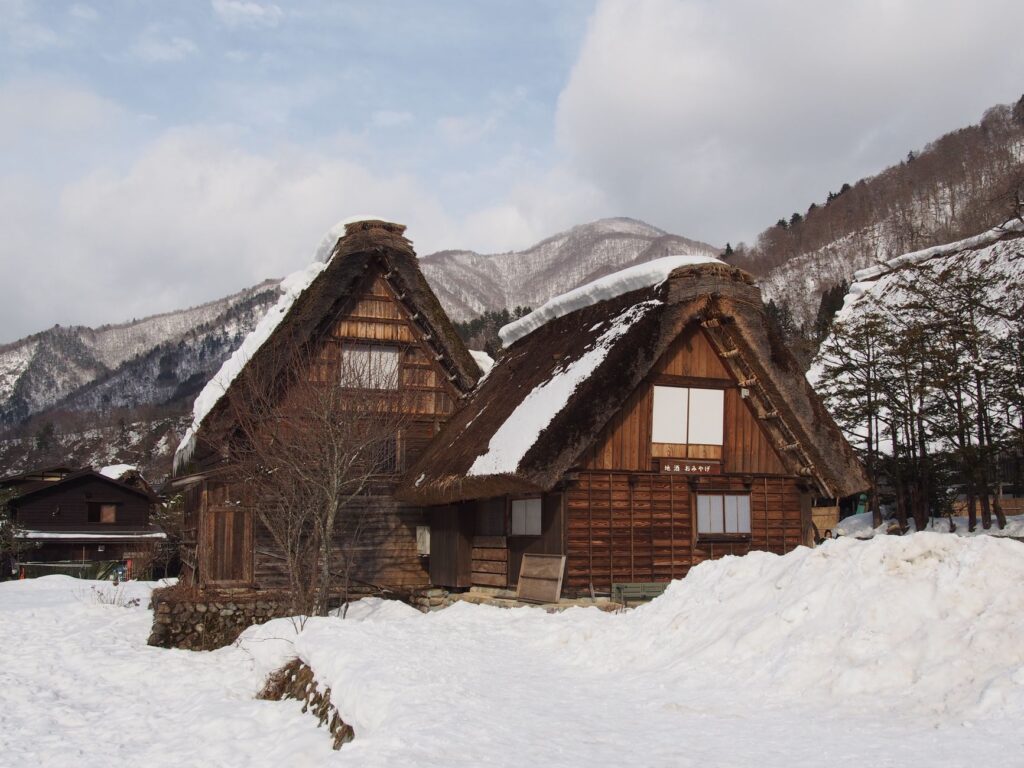
The relationship between the inhabitants of Niigata and their natural environment has given rise to a culture deeply adapted to climatic adversity. For centuries, local communities have developed unique architectural solutions, such as porticoed walkways known as ganki, designed to allow pedestrian transit under massive accumulations of snow. This architectural and social heritage provides an indispensable human dimension to understand the expedition beyond a mere sporting challenge.
Respect for local traditions is reflected in gastronomy and the preservation of artisanal crafts linked to the exploitation of land resources and meltwater. Historical connectors such as high-grade rice production and sake brewing demonstrate how the harshness of the climate has been historically channeled toward artisanal excellence. Knowing this heritage enriches the traveler’s perspective, fostering a respectful exchange with the communities that welcome expeditioners.
Environmental Responsibility and Leave-No-Trace Principles
The impact of adventure tourism in ecosystems as sensitive as those of Niigata demands an unwavering commitment to environmental sustainability. The accumulation of visitors at key points during the winter season increases the risk of altering natural habitats. Minimizing the ecological footprint implies not only packing out generated waste but also avoiding noise pollution and the use of motorized vehicles outside established routes.
Local conservation organizations promote educational campaigns to remind visitors that the alpine landscape is not an inexhaustible stage, but a fragile system that sustains regional biodiversity. Respecting native bird nesting areas and avoiding the disturbance of vegetation buried under snow are basic rules that every conscious expeditioner must assume before stepping onto the prefecture’s trails.
True exploration in the mountains of Niigata is not measured by the distance traveled, but by the ability to advance with humility in the face of the magnitude of the Japanese winter.
Orientation Practices and Self-Sufficiency in Adverse Conditions
Orientation in the snowy landscape of Niigata presents particular challenges due to the disappearance of traditional visual landmarks, buried under homogeneous white blankets. The use of detailed topographic maps, altimeters, compasses, and satellite navigation systems is essential, although exclusive reliance on digital technology can fail in extreme temperatures that quickly drain batteries. Knowing how to interpret contour lines and recognize natural landforms is a skill that every guide and expeditioner must master.

Likewise, self-sufficiency implies knowing how to improvise emergency snow shelters in case a blizzard prevents reaching the planned destination before nightfall. Knowing the techniques to build snow caves or thermal protection trenches makes the difference between a controlled situation and an urgent rescue. Prudence and the ability to make decisions based on group safety always prevail over the completion of sporting objectives.
Practical guide
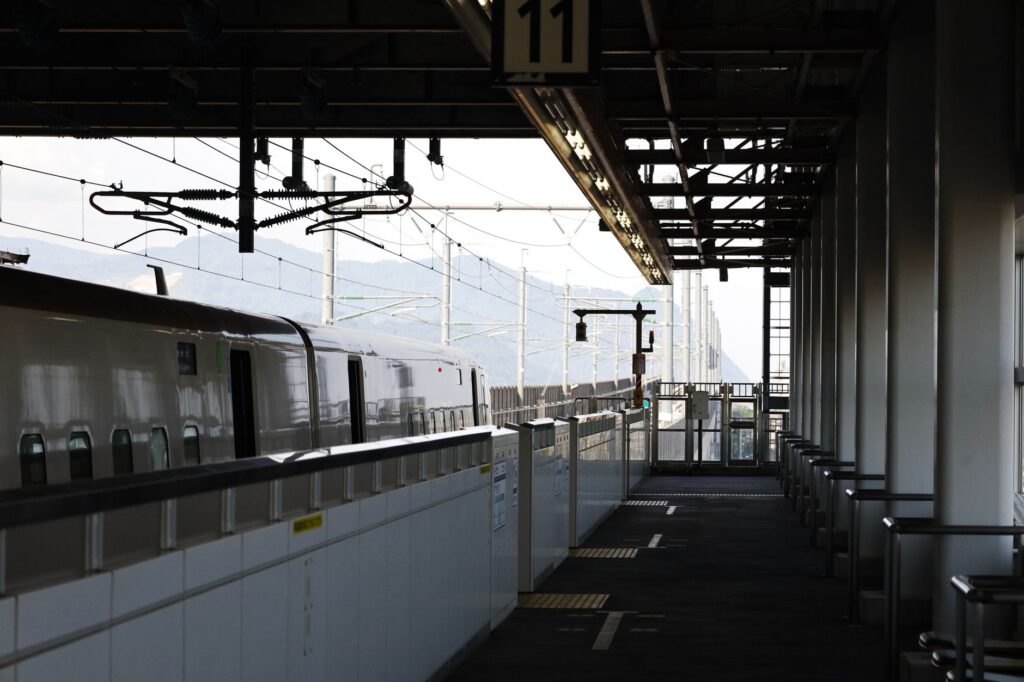
How to get there: Main access to the prefecture is via Niigata Airport (KIJ) or through the Shinkansen high-speed train network from Tokyo, which connects the capital to Niigata station in approximately two hours.
When to go: The winter expedition season runs from December to March, the period when the heaviest snowfalls and optimal conditions for ski touring and alpine excursionism are recorded.
Documentation and permits: It is necessary to verify entry requirements for Japan and register high-mountain itineraries at local police stations or through digital platforms enabled by the prefecture authorities.
Accommodation: The region features a wide network of traditional accommodations (ryokan), mountain huts, and urban hotels in Niigata Shi, many of them equipped with natural hot springs (onsen) ideal for physical recovery after outdoor days.
Final Reflection on the White Horizon
The peaks and valleys of Niigata offer an adventure experience that transcends physical effort to become an exercise in introspection and respect for the force of nature. Each expedition through this territory of deep Japan reminds us that authentic exploration demands preparation, environmental awareness, and a deep admiration for landscapes where winter imposes its own rules, inviting the traveler to contemplate the immensity of the white horizon with responsibility and awe.