
Esbjerg and the North Sea Horizons: Coastal Geology and Conservation in Denmark
Introduction to the Lowlands of the North Sea
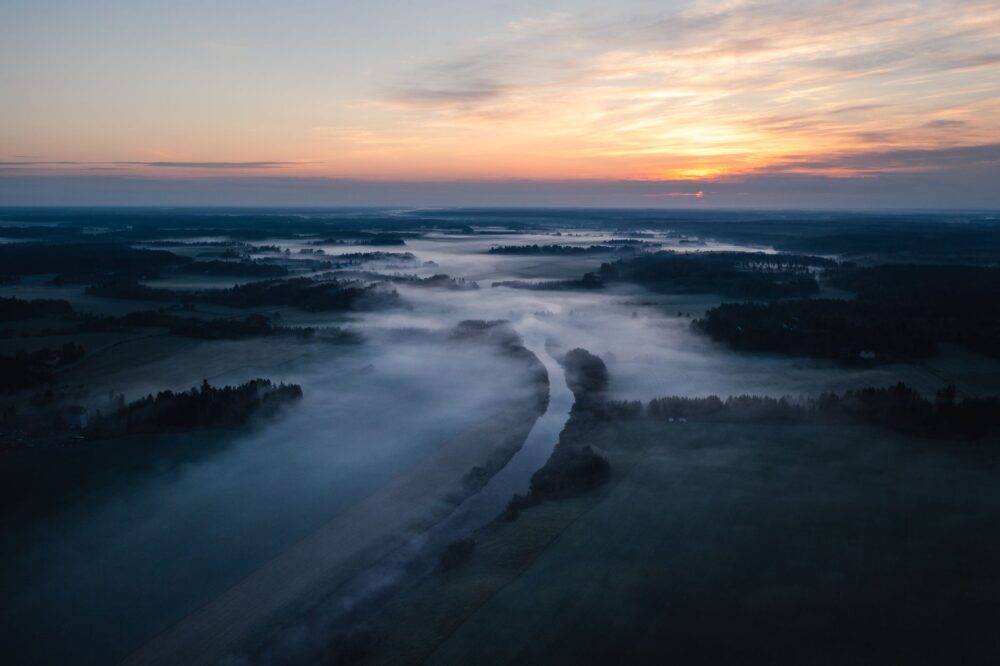
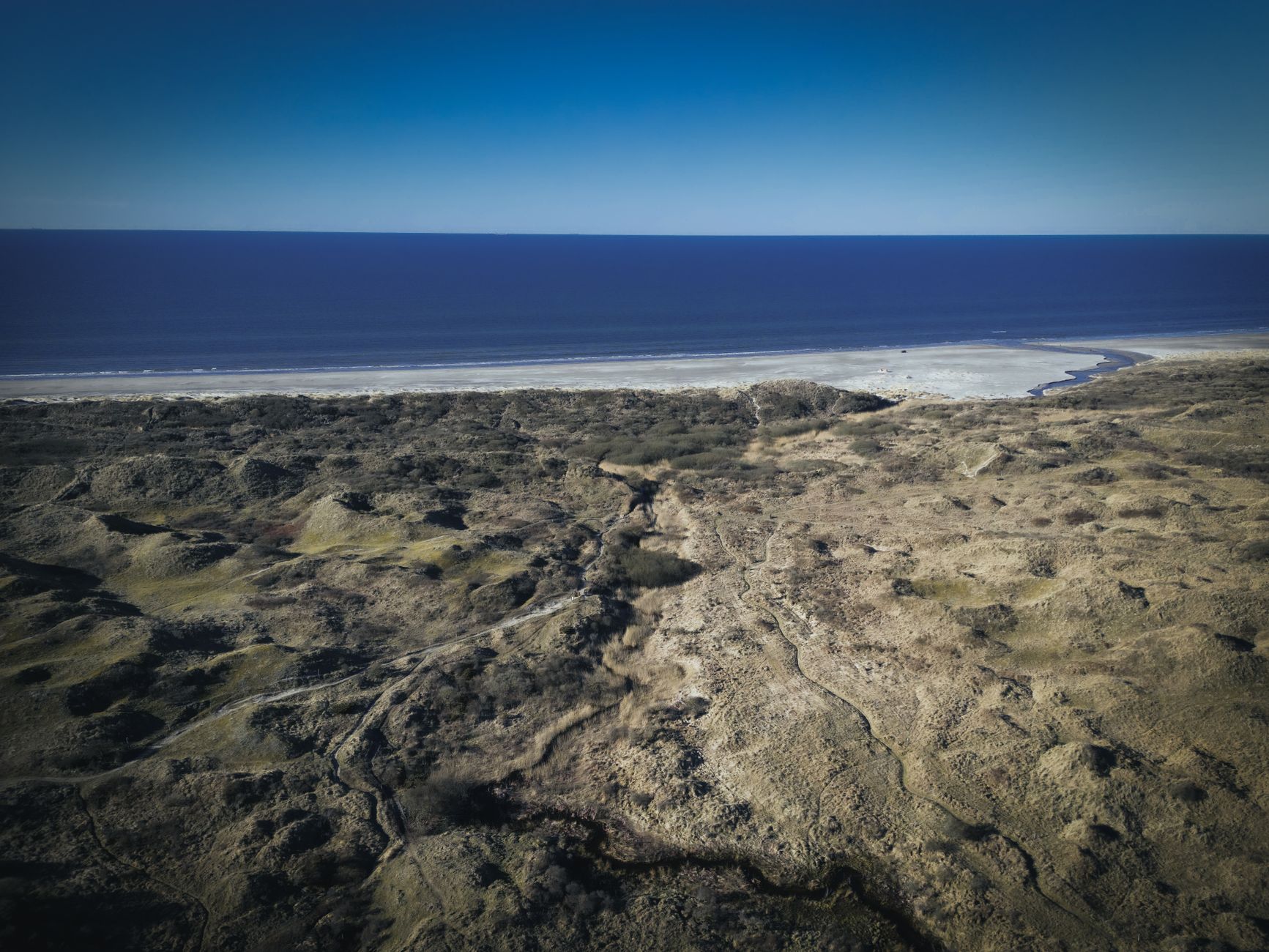
In the southwest of the Jutland Peninsula, the municipality of Esbjerg extends as a unique meeting point between vast continental sandy plains and the relentless force of the North Sea. With an average elevation of around seventeen meters above sea level, this territory in Denmark is not defined by towering peaks or imposing mountain ranges, but rather by an open, dynamic topography where coastal geology dictates the rhythm of life. Glacial outwash plains and post-glacial deposits shape a flat yet constantly transforming landscape, molded by tides, westerly winds, and the accumulation of marine sediments.
Far from being a static environment, the Esbjerg region and its surroundings harbor complex transitional ecosystems ranging from coastal dunes to expansive wetlands and salt marshes connecting with the Wadden Sea. This Danish territory serves as a privileged observatory to understand how local nature responds to erosion, wind action, and climatic variations. Through this analysis, we will explore the geological formations underlying the region, the flora and fauna adapted to coastal rigor, and current conservation methods seeking to protect this natural heritage.
Geological Genesis and Eolian Modeling in Jutland
The geological history of Esbjerg is deeply intertwined with the glaciation and deglaciation processes that affected northern Europe during the Quaternary period. As ice sheets advanced and retreated, they left behind a bed of clayey moraines and extensive glacial outwash plains known locally as sandur. These sandy and silty materials formed the foundation upon which wind and water have sculpted the current configuration of the Danish coastline.
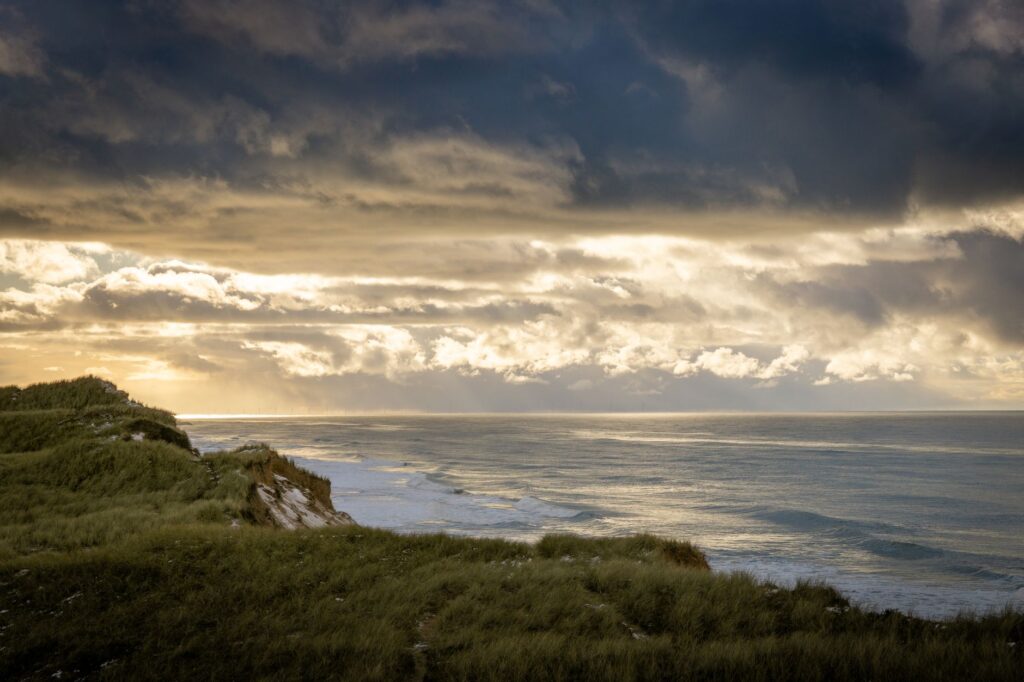
Wind plays an active role in the daily modification of the relief. Sediments transported from the seabed and beaches are deposited in the coastal fringe, where pioneer vegetation helps anchor the sand to give rise to primary and secondary dune systems. This mobile geomorphology requires a delicate natural balance; any alteration in plant cover can trigger accelerated erosive processes that modify the coastline within a matter of seasons. Geological continuity across the region relies heavily on the uninterrupted action of these eolian deposits, which continuously replenish the coastal fringe against the persistent hydraulic pressure of marine currents.
Littoral Ecosystems and Wind-Adapted Biodiversity
The fauna and flora inhabiting the Esbjerg environment have developed remarkable adaptations to survive in a habitat characterized by high salinity, continuous exposure to strong winds, and constant fluctuation in moisture levels. In grey dune zones and salt marshes, halophytic plants such as cordgrass (Spartina) and various grass species develop deep root systems that allow them to anchor in nutrient-poor soils resistant to salt spray.
Likewise, the surrounding wetlands act as indispensable resting and feeding areas for millions of migratory birds traveling the East Atlantic flyway. Geese, ducks, and various shorebird species find in this mosaic of marshes and intertidal flats a safe haven during their seasonal journeys. The preservation of these habitats is crucial not only for local avifauna but for maintaining the trophic web that sustains marine and terrestrial biodiversity on Denmark’s west coast, reinforcing the ecological stability of the wider regional biosphere.
Tidal Dynamics and the Pulse of the Wadden Sea
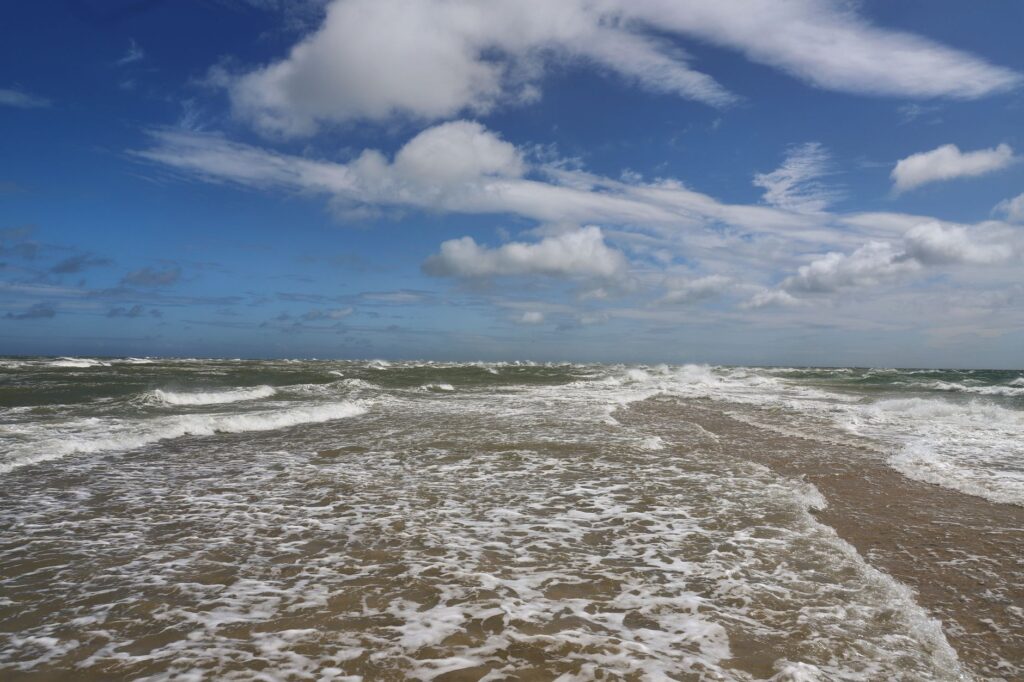
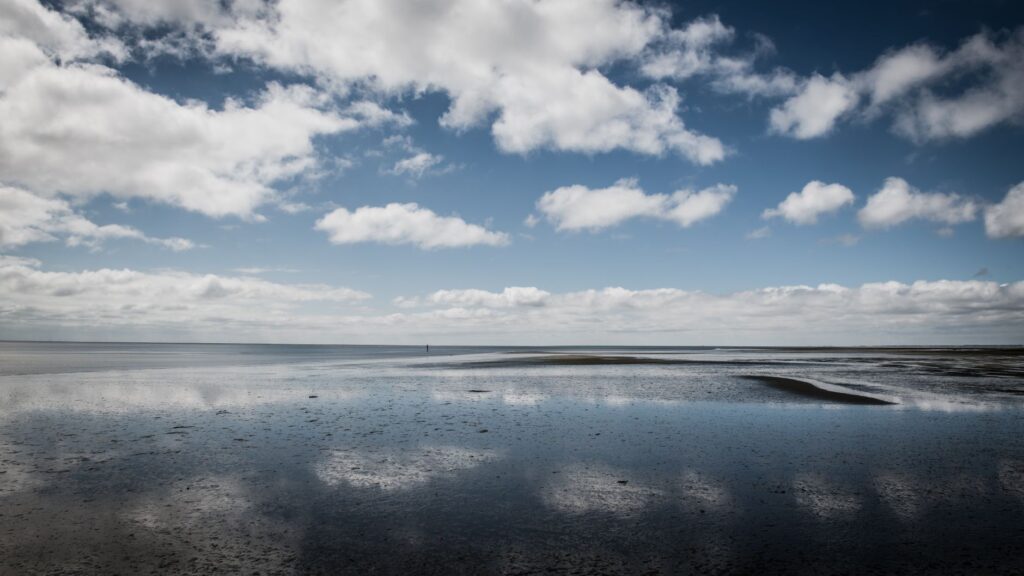
The tidal regime is one of the most potent ecological engines in the region. Twice a day, the rise and fall of North Sea waters inundate and expose vast expanses of mud and sand, creating an intertidal habitat of immense biological productivity. This continuous cycle mobilizes essential nutrients that feed mollusks, crustaceans, and juvenile fish, turning shallow waters into authentic natural nurseries.
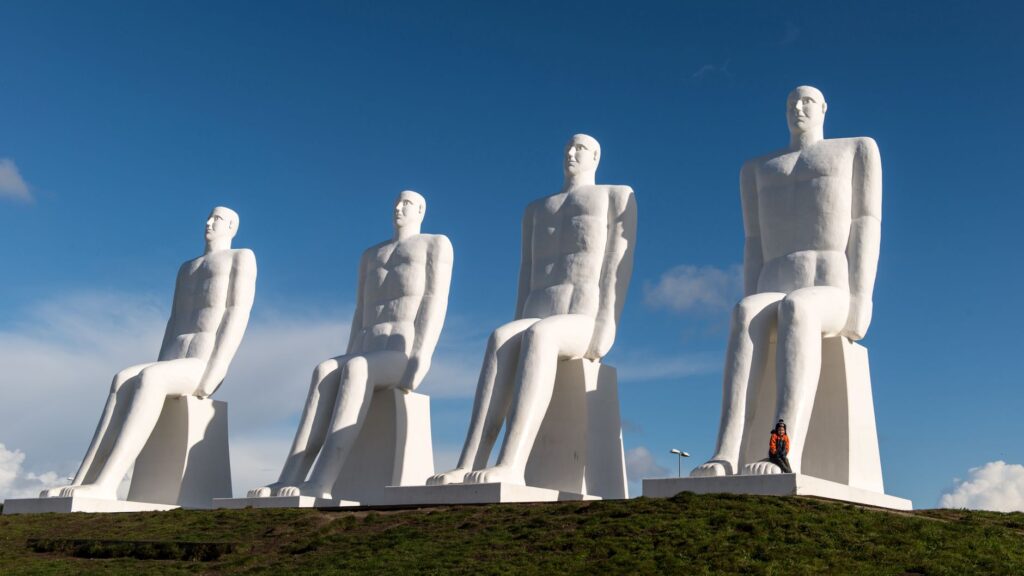
Local communities have historically coexisted with this rhythmic breathing of the ocean. Unlike the rocky coasts of other European countries, Esbjerg’s shoreline is characterized by permeability and low slope, which amplifies the visual and physical impact of spring tides. Understanding this oscillation is key to assessing the vulnerability of salt marshes and the necessity of keeping natural channels free of artificial obstructions that alter sedimentary flow patterns.
The landscape of Esbjerg does not impose itself through the height of its relief, but through the subtle, constant negotiation between solid ground and the tide of the North Sea.
Conservation Challenges Amid Climatic Variability
In recent decades, environmental management in the municipality of Esbjerg has focused on mitigating risks associated with climate change and sea-level rise. Conservation experts and local authorities collaborate on projects aimed at restoring the ecological functionality of salt marshes and reinforcing dune cordons through nature-based techniques, avoiding rigid concrete infrastructure wherever possible.
These interventions seek to restore the natural absorption capacity of wetlands, allowing them to act as natural sponges against storm surges. Environmental education also plays a prominent role, encouraging residents and visitors to respect authorized trails and understand that dune ecosystems are fragile barriers that must not be trampled outside marked paths, thereby securing long-term environmental protection.
Responsible Exploration Practices on the Danish Coastline
Visiting the natural environment of Esbjerg involves adopting an environmentally respectful approach. Guidelines for hikers and nature lovers emphasize the importance of minimizing ecological footprints, avoiding any disturbance to protected flora, and maintaining a prudent distance from bird colonies during nesting periods.
Cycling and walking are the ideal means to traverse the marked trails bordering the coast and protected areas of the municipality. In this way, travelers can combine the aesthetic enjoyment of the open landscape with the certainty that their presence does not disrupt the vital cycles of native fauna or accelerate erosion processes in fragile dunes.
Safety and Preparedness Practices in Tidal Zones
Exploring the intertidal flats and beaches of Esbjerg requires rigorous knowledge of weather conditions and tide schedules. The speed at which water can cover sandbanks during high tide represents a potential hazard for unsuspecting walkers venturing too far into the coastal zone.
It is strongly recommended to consult official tide tables before initiating any route along the beach or estuaries, carry appropriate windproof clothing suited for changing North Sea weather conditions, and avoid walking alone in remote or unpopulated areas during winter months, when wind gusts and low temperatures multiply environmental risks.
Practical guide
How to get there: Esbjerg features excellent rail and road connections from Copenhagen and other major Danish cities. Esbjerg Airport offers limited flight connections, making the train the most sustainable and efficient option for travelers.
Best time to visit: The spring months (May to June) and late summer (August to September) offer mild temperatures and fewer crowds, while coinciding with primary bird migration seasons.
Accommodation: The city provides a wide range of hotels, certified campsites, and rural lodgings near the national park and protected coastal areas.
Equipment recommendations: Comfortable water-resistant footwear, waterproof and windproof garments, and binoculars for birdwatching in marshes and intertidal zones are essential.
The Echo of the Wind and the Memory of the Sea
At dusk, when northern golden light reflects across tidal channels and damp coastal sand, Esbjerg reveals its true timeless essence. Far from urban hustle, the steady sound of wind brushing against dune grasses and the distant murmur of waves remind us that this corner of Denmark is a living territory molded by ancestral forces. Here, nature conservation is not an exercise in static preservation, but a continuous commitment to balance and respect toward the vast horizons of the North Sea.