
A Mountainous Landscape in Western Tanzania
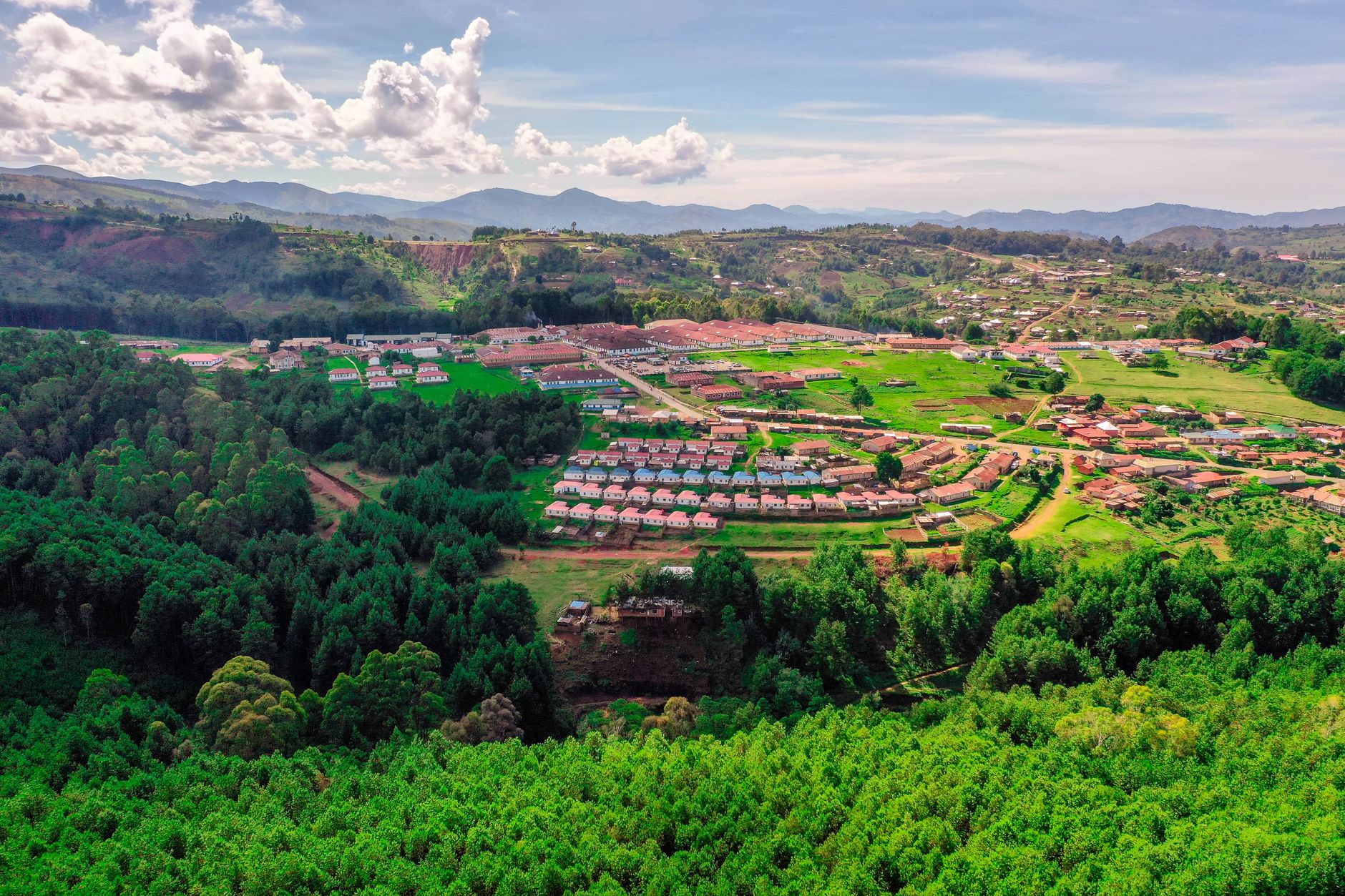
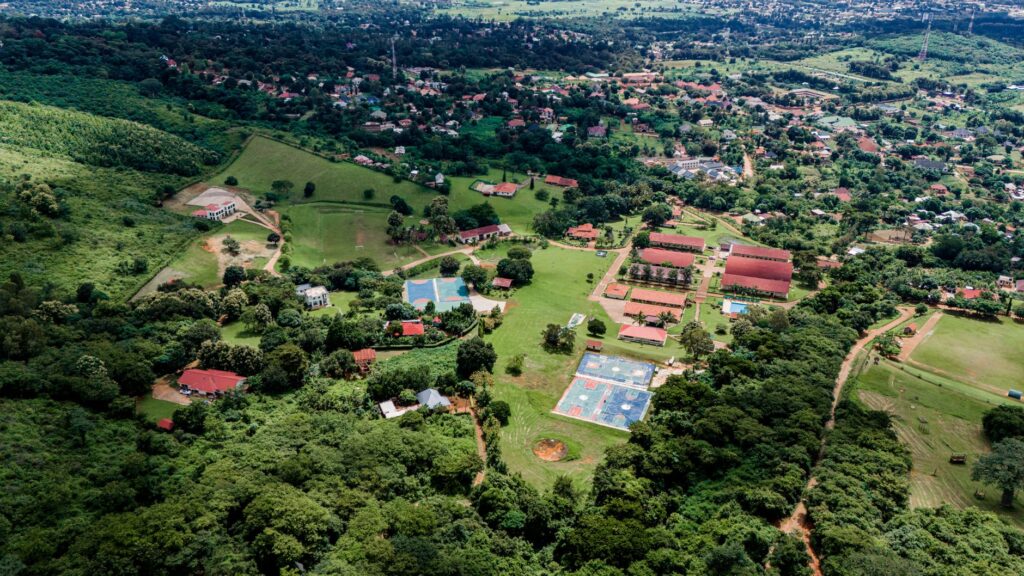
Located in the western region of Tanzania, the municipality of Kasulu rises above a rugged topography that exceeds one thousand three hundred meters in altitude. This elevated relief substantially modifies the local climate regime, distancing it from the typical arid plains of East Africa and endowing it with a cooler atmosphere. Mornings often dawn wrapped in a light mist descending from the surrounding peaks, creating microclimates where vegetation retains a persistent greenness for much of the year. This geographical condition turns the territory into an ecological corridor of great value for native fauna and flora.
The geomorphological analysis of the area reveals a mosaic of minor river valleys and clayey hills that act as natural catchment basins. During the rainy season, water is temporarily retained in the clay soils, feeding seasonal streams that flow toward the larger hydrological systems of Kigoma Province. This water dynamic sustains a diverse plant cover composed of patches of miombo woodland, dense thickets, and secondary grasslands. The interaction between altitude, water availability, and soil types configures a unique habitat capable of supporting biological communities adapted to both steep slopes and climatic seasonality.
Plant Cover and Miombo Woodlands
Miombo woodlands dominate the expanses adjacent to the urban core of Kasulu, constituting the most determining botanical element of the landscape. These wooded ecosystems are characterized by the predominant presence of species from the Fabaceae family, especially genera such as Brachystegia, Julbernardia, and Isoberlinia. Unlike dense tropical rainforests, miombo presents an open canopy that allows sunlight to reach the forest floor, favoring the growth of a rich and varied herbaceous stratum. This plant structure is fundamental for herbivores and small mammals that find fresh food and shelter from predators here.
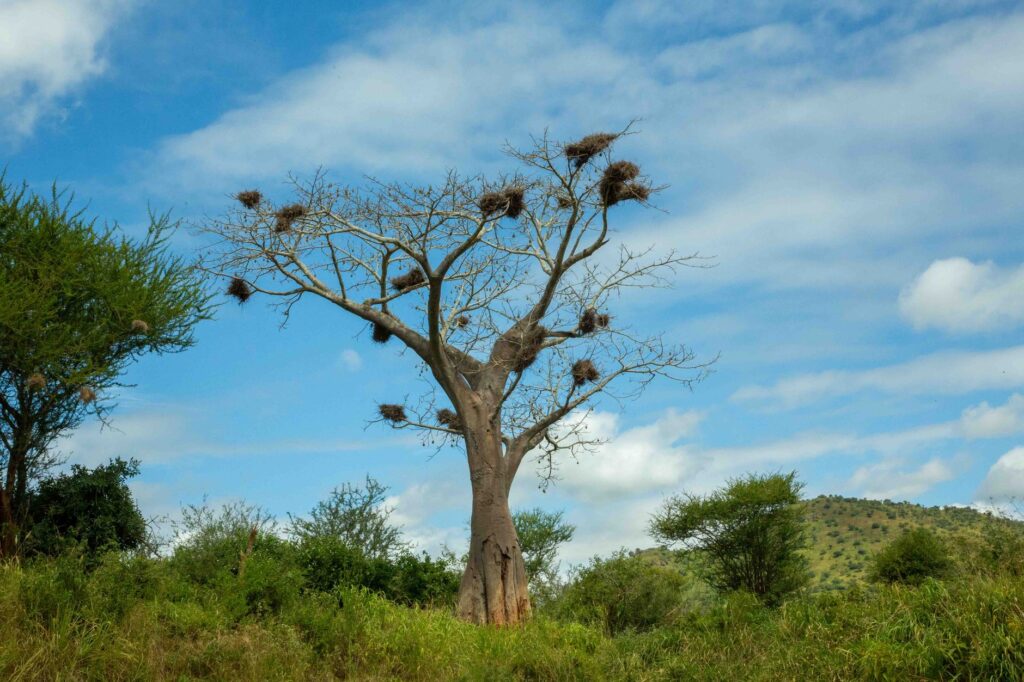
The adaptation of flora at these altitudes is a remarkable survival mechanism against thermal oscillations and the alternation of dry and wet periods. Miombo trees develop thick barks as natural protection against the recurrent forest fires that characterize African wooded savannas. Likewise, many of these deciduous species shed their leaves synchronously just before the onset of rains, reducing transpiration and resprouting with remarkable chromatic intensity as soon as the first precipitation breaks. This botanical cycle marks the biological rhythm of the entire ecosystem in the area.
Medium-Sized Mammals and Altitude Avifauna
The wildlife inhabiting the surroundings of Kasulu reflects the ecological transition between the great rift valleys and the interior Tanzanian plateaus. Although human demographic pressure has fragmented some natural corridors, dense thicket zones and wooded slopes continue to support stable populations of medium-sized mammals. Among them stand out various species of antelopes adapted to rough terrain, genets, mongooses, and a notable variety of subterranean rodents that play an essential ecological role in soil aeration and seed dispersal.
Meanwhile, avifauna finds an ideal refuge for nesting and feeding in the crowns of miombo trees and along watercourse edges. Numerous species of insectivorous birds, raptors adapted to hunting in open spaces, and migratory granivores use the relief of Kasulu as a resting zone during their seasonal movements. Nature observers particularly value the presence of endemic species from the biogeographical region of East and Southern Africa, whose survival depends on the preservation of woodland patches still free from intensive intervention.
Herpetofauna and Insects in Local Microclimates
The lower soil stratum and leaf litter of the Kasulu forests harbor a rich community of reptiles and amphibians. Temperatures moderated by altitude and humidity retained in small valleys allow the development of various non-venomous snake species, geckos, and lizards adapted to the bush. These animals fulfill an indispensable regulatory function by controlling populations of insects and small invertebrates that form the trophic base of many higher vertebrates in the region.
Social insects, particularly termites and ants, actively shape the edaphic landscape of the Tanzanian hills. Elevated termitaria, built with compacted clay and digested organic matter, act as microecosystems within the savanna. These mounds not only modify local soil drainage but also provide secondary shelter for reptiles, amphibians, and small birds during peak hours of insolation. The constant activity of these invertebrates accelerates nutrient recycling, enriching the soils that sustain native vegetation.
The Impact of Human Activity and Agricultural Pressure
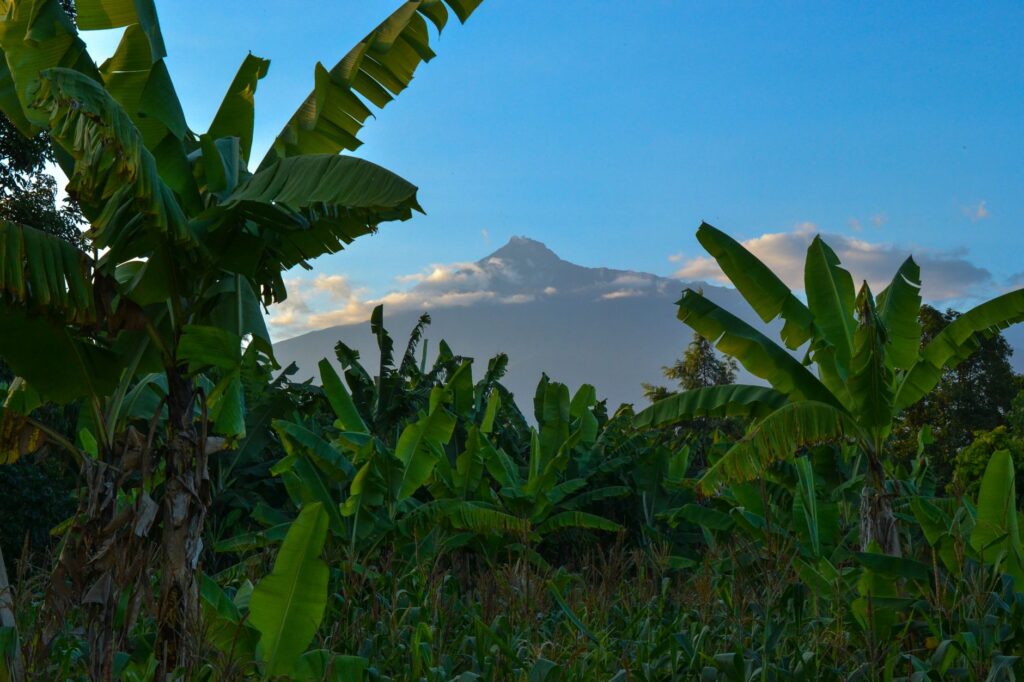
Sustained demographic growth in the municipality of Kasulu, exceeding two hundred thousand inhabitants, generates increasing pressure on surrounding natural spaces. The expansion of subsistence agriculture and firewood collection for domestic use are the main sources of landscape transformation. Local farmers primarily cultivate maize, cassava, and beans on hill slopes, which occasionally conflicts with the conservation of biological corridors used by wildlife.
Despite this intense anthropogenic activity, considerable patches of native vegetation still survive in areas where terrain steepness makes agricultural labor difficult. These areas, informally protected by the relief configuration itself, act as islands of biodiversity. Local authorities and community organizations promote ongoing dialogue to balance the food security needs of the rural population with the urgency of maintaining the ecological integrity of the district’s terrestrial and aquatic habitats.
Community Initiatives and Participatory Conservation
To mitigate forest cover loss, participatory natural resource management programs around Kasulu have gained relevance in recent years. These initiatives seek to directly involve rural communities in monitoring and sustainably using miombo woodlands. Through environmental education and the promotion of agroforestry practices combining traditional crops with native tree planting, efforts are made to halt soil degradation and reduce pressure on wild areas.
The community-based approach recognizes that biodiversity protection is only viable if it brings tangible benefits to local inhabitants. Projects aimed at the sustainable use of non-timber forest products, such as traditional beekeeping in tree-hung hives, demonstrate that generating economic income without felling the forest is possible. These practices foster a positive perception of wildlife and flora, transforming local communities into the primary guardians of the region’s natural heritage.
The conservation of altitude savanna in Kasulu does not depend on isolated large reserves, but on human capacity to integrate biodiversity into the daily productive fabric of its inhabitants.
Future Challenges Amid Climate Variability
Global climate change introduces new uncertainties into the environmental management of Kasulu and its surroundings. Alterations in the rainfall regime, characterized by episodes of more intense precipitation followed by prolonged droughts, threaten the stability of the fragile clay soils of the hills. Water erosion on slopes lacking adequate plant cover represents a major challenge for both agricultural productivity and the conservation of riparian natural habitats.

Facing these scenarios, environmental management experts insist on the need to strengthen ecological resilience through active restoration of degraded corridors and strict protection of stream headwaters. Local scientific research, focused on monitoring the most vulnerable species and water resource quality, provides the technical foundations to guide public policies toward truly sustainable development in western Tanzania.
Practical guide
How to get there: Kasulu is connected by road from Kigoma, the regional capital located by Lake Tanganyika. The overland journey crosses hills and rural landscapes characteristic of western Tanzania.
Best time to visit: The dry season, running from June to October, offers more accessible roads and pleasant temperatures, while the rainy season (November to May) displays the maximum chromatic splendor of the vegetation.
Environmental respect guidelines: It is essential not to alter termitaria or seasonal streams, avoid the use of fire, and support local beekeeping and sustainable agriculture projects.
Wild Refuge in the Kasulu Hills
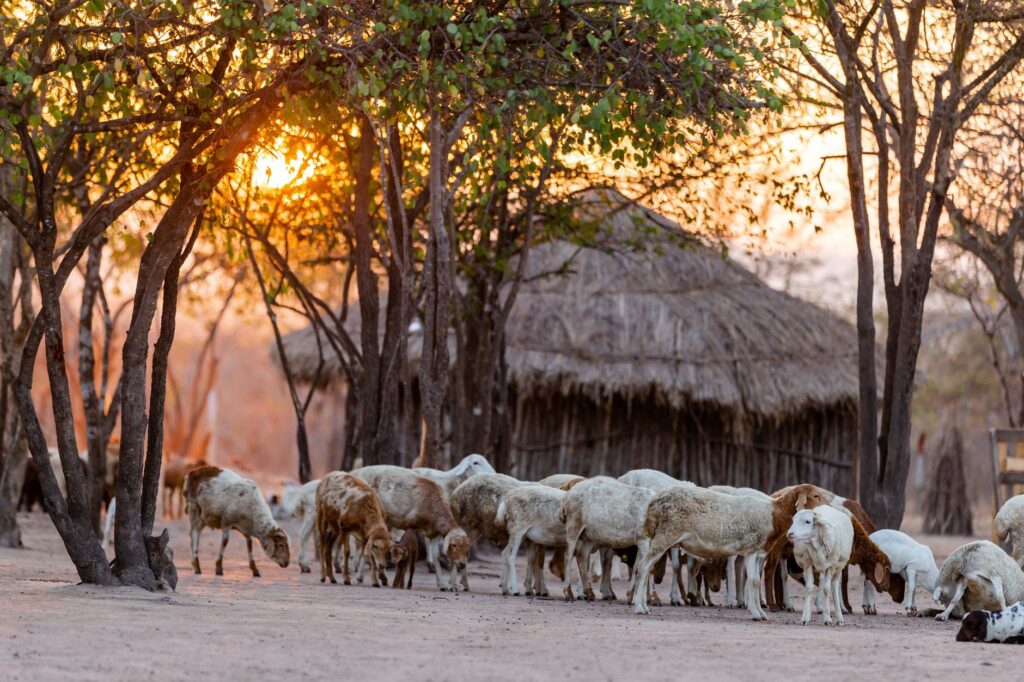
As evening falls, the golden light of the African sun illuminates the ridges of the Kasulu hills, casting elongated shadows over the miombo woodlands covering the horizon. In this moment of calm, the savanna reveals its most intimate and resilient pulse, where every tree, every seasonal stream, and every local community weave a network of coexistence indispensable for the ecological future of western Tanzania.