
Introduction to Kouvola’s Boreal Nature
In southeastern Finland, the Kymenlaakso region harbors a mosaic of landscapes where water, forest, and stone shape a unique habitat. Kouvola, known primarily for its administrative hub and industrial past, opens up toward vast green expanses where boreal nature demonstrates its resilience against seasonal shifts. Here, long and rigorous winters contrast with luminous summers, a cycle that dictates the biological rhythm of numerous animal and plant species inhabiting this Scandinavian territory.
Analyzing this ecosystem reveals how pine and spruce forests, intertwined with crystal-clear lakes and rushing rivers, sustain complex trophic chains. Protecting these spaces responds not only to aesthetic criteria but to an imperative ecological necessity to preserve Finland’s native biodiversity. Through strict regulations and the continuous work of local communities and conservation experts, Kouvola balances human development with safeguarding its most precious natural treasures.
The study of these northern environments demonstrates the fragility and robustness of ecosystems adapted to extreme climates. Environmental researchers in the region constantly monitor shifts in vegetation cover and animal behavior to understand how broader climatic variations impact local habitats. By maintaining stringent protection measures, regional authorities ensure that ecological corridors remain unobstructed, allowing native species to migrate, forage, and reproduce without human interference.
Forest Geography and the Domains of the Taiga
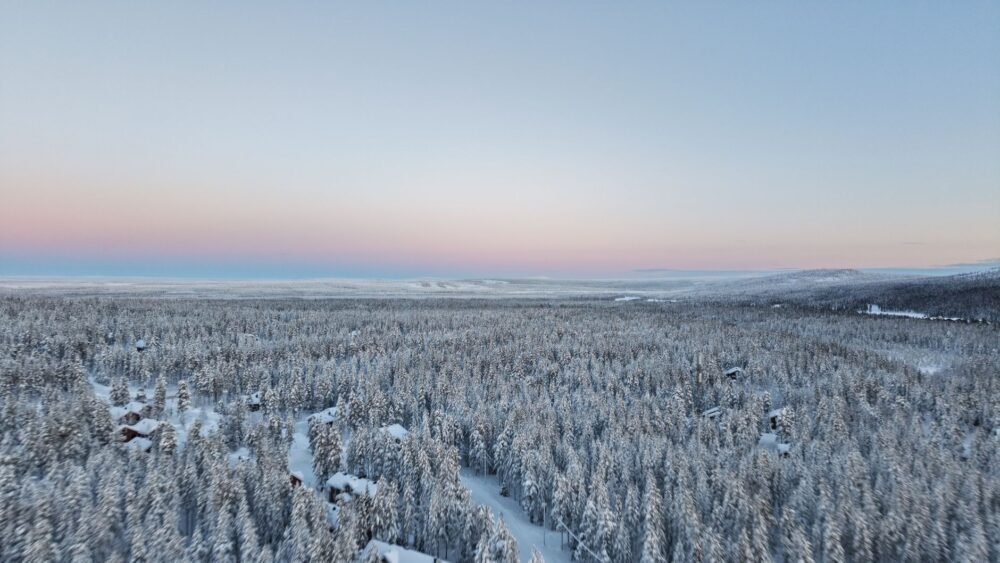
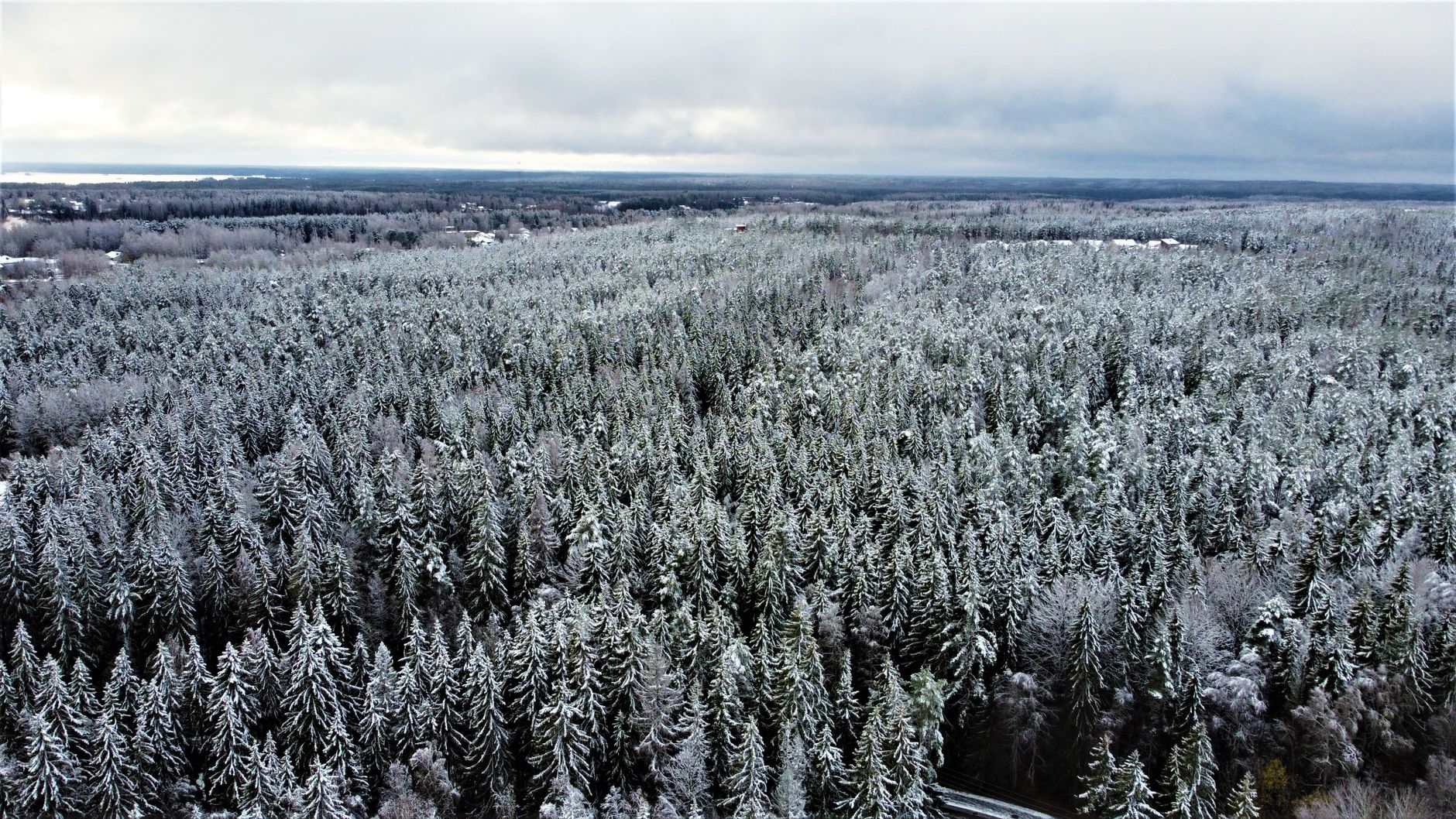
Kouvola’s terrain is characterized by gentle hills sculpted by ancient glaciers and a dense hydrological network flowing toward the Gulf of Finland. Boreal forests, or taiga, dominate the landscape with vegetation adapted to acidic, nutrient-poor soils. Species such as Scots pine and Norway spruce form the primary tree canopy, filtering sunlight and defining the microclimate of the forest floor across the territory.
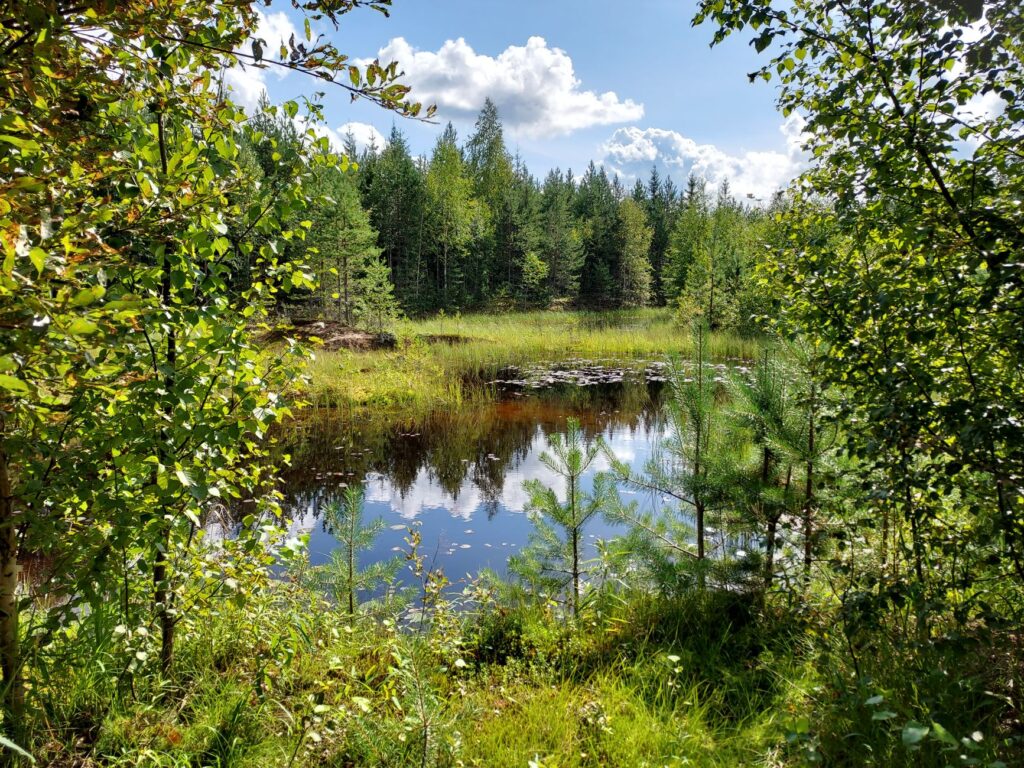
Beneath the tree crowns, mosses, lichens, and wild berry bushes such as bilberries and lingonberries carpet the ground throughout the region. This vegetative layer is vital for the survival of herbivores and insects that support higher trophic links. The interaction between exposed granitic rock and ancient vegetation constitutes a geological testimony of immense landscape and scientific value within Finnish geography.
The structural composition of these woodlands creates diverse microhabitats that host specialized flora and fauna. Deciduous trees like birch and aspen often intersperse with the dominant conifers, providing crucial resources for various insect populations and cavity-nesting birds. This botanical diversity enhances the overall resilience of the taiga, preventing monoculture vulnerabilities and fostering a balanced natural equilibrium.
Iconic Mammals of the Finnish Ecosystem
Kouvola’s larger fauna includes species that evoke the wild essence of northern forests. Moose regularly traverse the margins of mixed woods and wetlands, adapted to foraging for tender shoots and aquatic vegetation during the warm months. Their presence, though elusive, is a healthy indicator of the breadth and connectivity of green corridors in the region.
Similarly, large carnivores such as the Eurasian lynx occasionally roam these woodland tracts in Finland. Although rarely spotted by casual observers, their tracks in the winter snow confirm the stability of their populations. Coexistence between these species and human activities is managed through rigorous monitoring plans prioritizing wildlife safety and rural community peace.
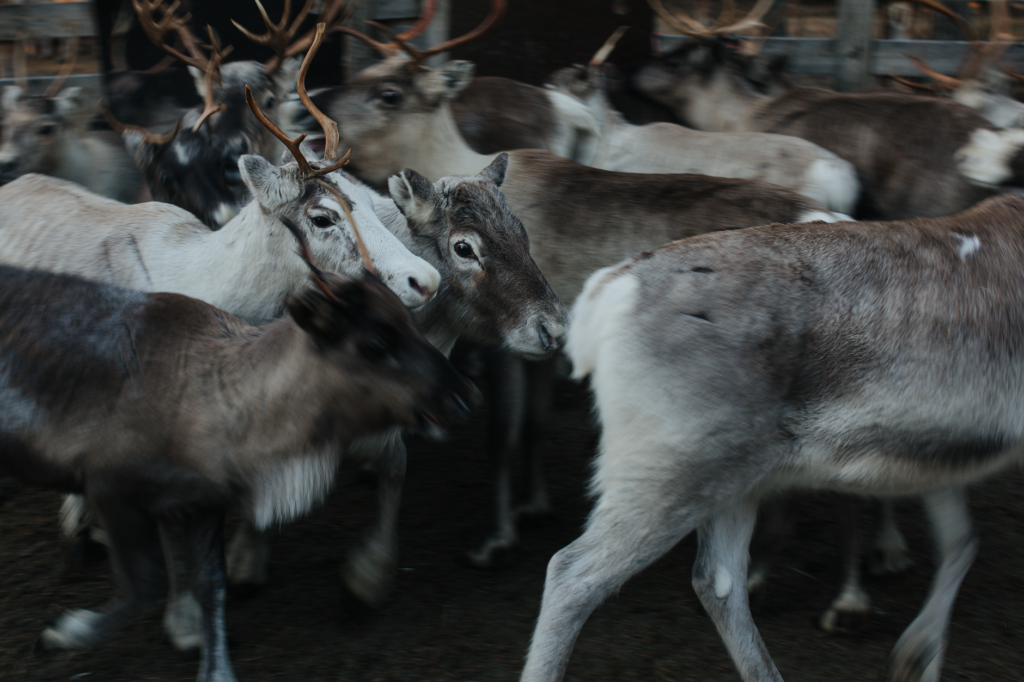
Tracking mammal movements provides researchers with valuable data regarding habitat fragmentation and ecological health. Protecting continuous tracts of forest ensures that these wide-ranging animals can find adequate foraging grounds and seasonal refuge without hazardous proximity to heavy infrastructure. Field studies consistently emphasize the importance of maintaining contiguous woodland zones to support healthy predator and prey dynamics.
Avifauna of Boreal Wetlands and Lakes
The water bodies dotting Kouvola act as magnets for a rich diversity of aquatic and migratory birds. During spring and summer, lakes like Pyhäjärvi and numerous forest ponds teem with activity. Species of ducks, grebes, and common cranes choose these tranquil shores to nest and raise their chicks, taking advantage of abundant insects and small fish.
In denser tracts of the boreal forest, birds of prey and woodpeckers play a crucial ecological role. The black woodpecker, for instance, excavates cavities in mature tree trunks that later serve as shelters for other forest wildlife. Responsible observation of these birds requires respecting nesting seasons and maintaining a prudent distance to avoid disrupting natural behaviors.
The seasonal influx of migratory species adds a dynamic dimension to the natural environment of the area. Ornithologists and enthusiasts find these wetlands to be a key point for documenting the passage of numerous species without disturbing their rest. Preserving lake margins ensures that flight paths remain safe and productive year after year across the region, contributing significantly to avian conservation networks.
Flora Adapted to Cold and Century-Old Lichens
Plant survival in the boreal climate demands extraordinary physiological adaptations. Conifers retain their needle-like leaves year-round, allowing them to initiate photosynthesis as soon as the first positive temperatures register after winter. Lichens grow slowly over rocks and bark, demonstrating exceptional resistance to drought and prolonged frosts.
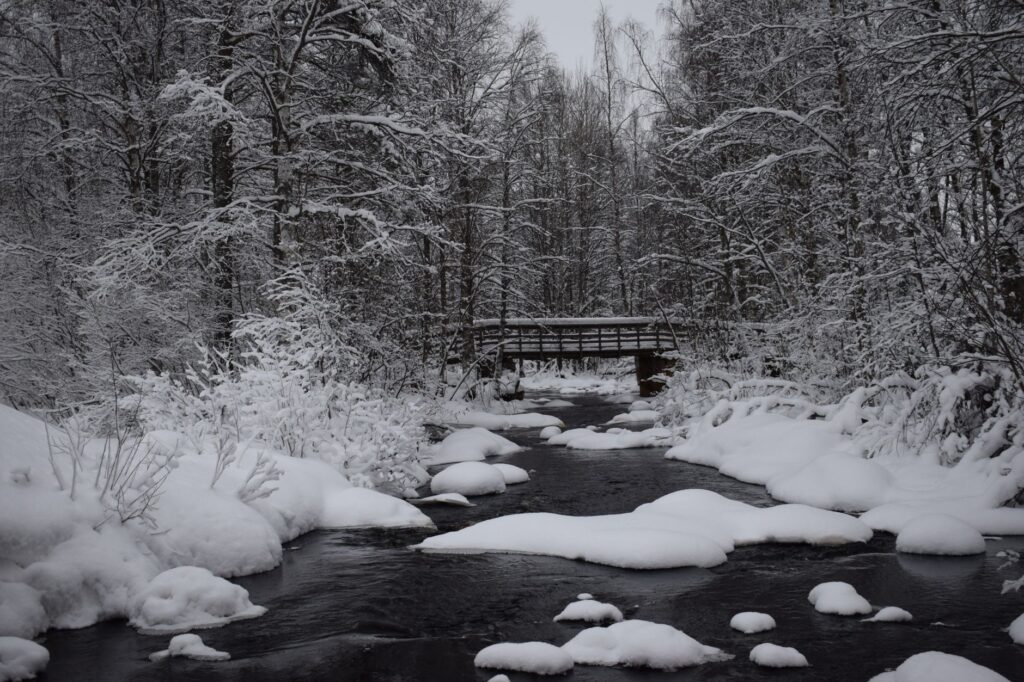
These organisms not only form part of the visual landscape but constitute the primary food source for reindeer during times of extreme scarcity, while also acting as bioindicators of air quality. Preserving these microhabitats is a priority for botanists studying Kouvola’s flora, mindful of the vulnerability of these ecosystems to global warming.
Detailed study of the lower vegetation demonstrates the hidden complexity beneath the arboreal canopy. Each species of moss and fungus cooperates in an underground network that facilitates nutrient exchange, allowing taller trees to thrive in soils that would otherwise be sterile. This symbiotic relationship forms the silent foundation of the entire forest architecture.
Conservation Work and Local Volunteering
Biodiversity protection in Kouvola does not rely solely on governmental institutions; it relies on a strong foundation of citizen participation. Various local associations organize river cleanup campaigns, species monitoring, and reforestation of areas degraded by historical timber harvesting. These initiatives foster deep environmental awareness among the region’s inhabitants.
Commitment to the land is passed down from generation to generation, understanding that community well-being is inextricably linked to the health of local forests and rivers.
Educational programs in collaboration with local schools connect new generations with the natural environment through practical flora and fauna identification workshops. Thus, conservation becomes a living cultural value shared by all of Finnish society, ensuring long-term stewardship of regional natural assets.
Ethical Observation Practices and Environmental Respect
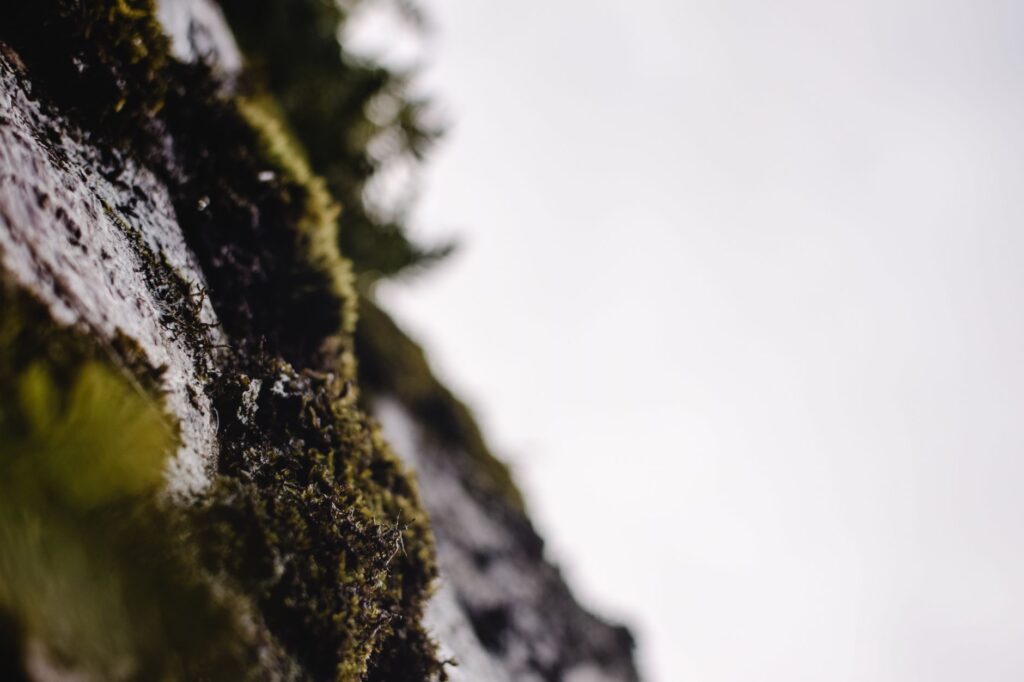
Enjoying nature in Kouvola entails strictly adhering to principles of mutual respect and habitat conservation. Finland’s outdoor code of conduct, known as everyman’s right, grants the freedom to roam forests and forage for berries or mushrooms, yet demands rigorous responsibility: leave no trace, do not disturb wildlife, and avoid lighting fires outside authorized areas.
Nature photographers and hikers must prioritize marked trails to prevent soil erosion and the destruction of fragile vegetation. The golden rule is to observe animals from a distance using binoculars or telephoto lenses, never interfering with their feeding or reproductive behavior.
Practical Guide
How to get there: Kouvola boasts excellent rail connectivity from Helsinki, facilitating fast and sustainable access for travelers wishing to explore the region without renting a private vehicle.
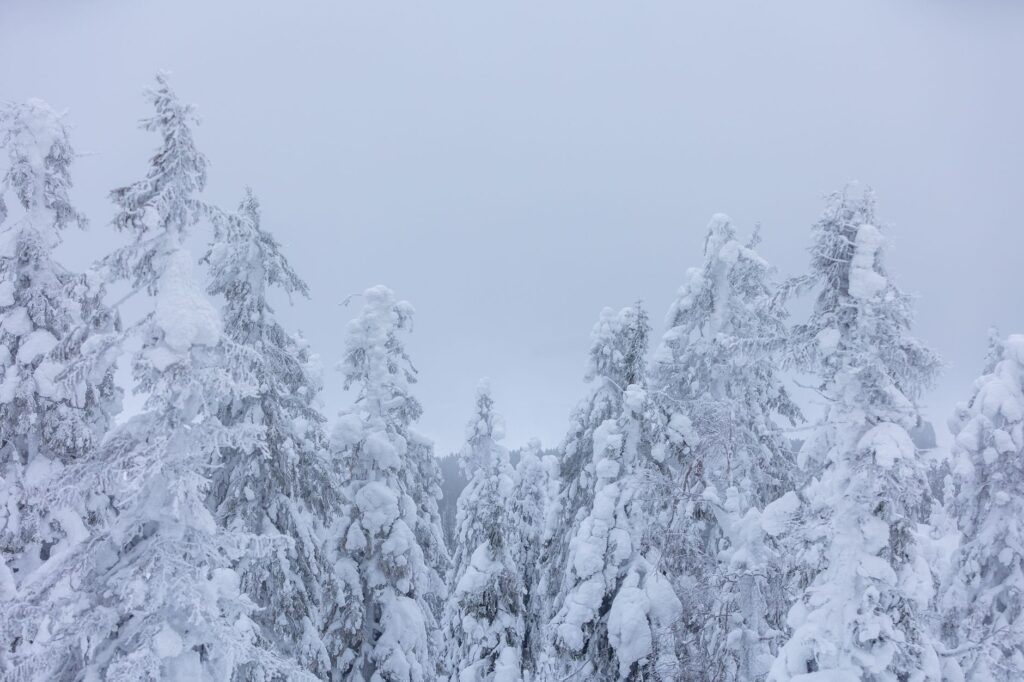
When to go: Summer months (June to August) offer extended daylight hours ideal for hiking and bird watching, while winter (December to February) transforms the landscape into a pristine white blanket perfect for snowshoeing.
Accommodation: Numerous rural lodgings, traditional wooden lakeside cabins, and small hotels in the urban center prioritize ecological practices and low-impact tourism.
Required equipment: Waterproof hiking footwear, layered clothing suited for sudden weather shifts, and insect repellent during summer months are strongly recommended.
Final Reflection on the Eternity of Forests
The balance felt in Kouvola reminds us that harmonious coexistence between humans and the wild is possible when there is a genuine will to preserve. Silent trails, the whisper of wind among spruces, and the purity of local waters form an incalculable natural heritage worthy of rigorous protection and admiration across the country.