
Stone Roots in the Asturian Heart
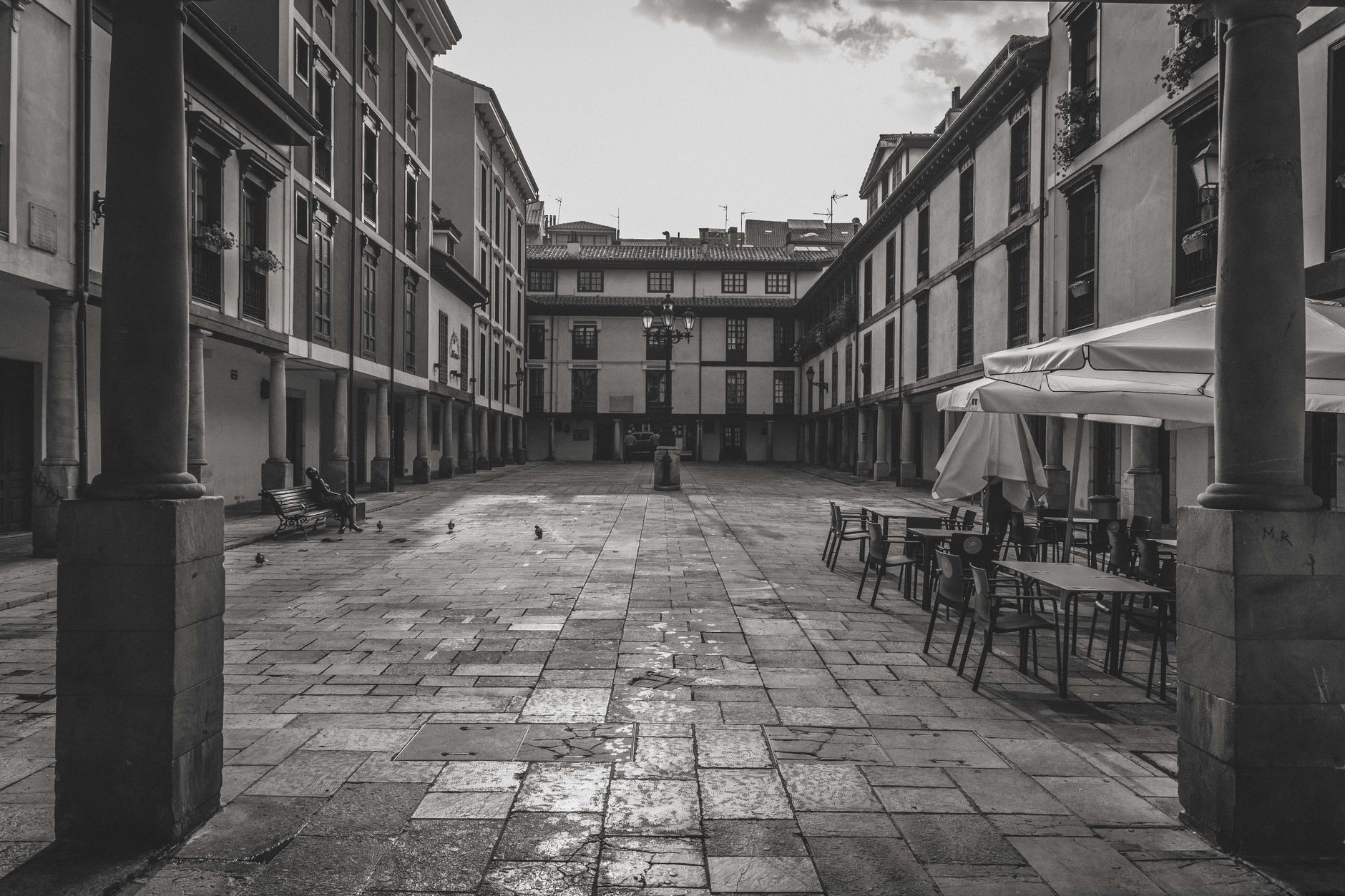
In northern Spain, the city of Oviedo stands as a living testimony where pre-Romanesque history and daily life engage in a constant dialogue. Far from acting as a static backdrop for weekend visitors, the urban fabric maintains its own rhythm marked by local commerce, heritage preservation, and a community deeply committed to its environment. The streets of the old town, lined with centuries-old stone blocks, retain a human scale that prioritizes unhurried transit and respect for public spaces.
The coexistence between historic monuments and the daily activities of its inhabitants defines the Ovetense identity. Each morning, the neighborhood flow activates squares and arcades that have witnessed the passage of centuries without losing their social function. Here, the preservation of landmark buildings is not understood as a museum exercise, but as a collective commitment involving local merchants, municipal institutions, and those arriving from outside with a desire to understand the local culture.
Understanding this urban ecosystem implies recognizing that heritage is something dynamic. The daily movement across ancient pavements establishes a link between past generations and contemporary citizens who manage public spaces with shared criteria of civic responsibility. Visitors are invited to observe this harmony without altering the delicate balance that sustains neighborhood life throughout the changing seasons.
El Fontán Market and Proximity Provisioning
The economic and social pulse of the city finds one of its finest exponents in the El Fontán market. This space, rehabilitated with commercial sustainability criteria, functions as the nerve center where producers from the surrounding region offer vegetables from nearby gardens, artisanal cheeses, and regional meats. The direct relationship between farmers, livestock breeders, and consumers fosters a responsible consumption model that reduces the carbon footprint associated with food transport.
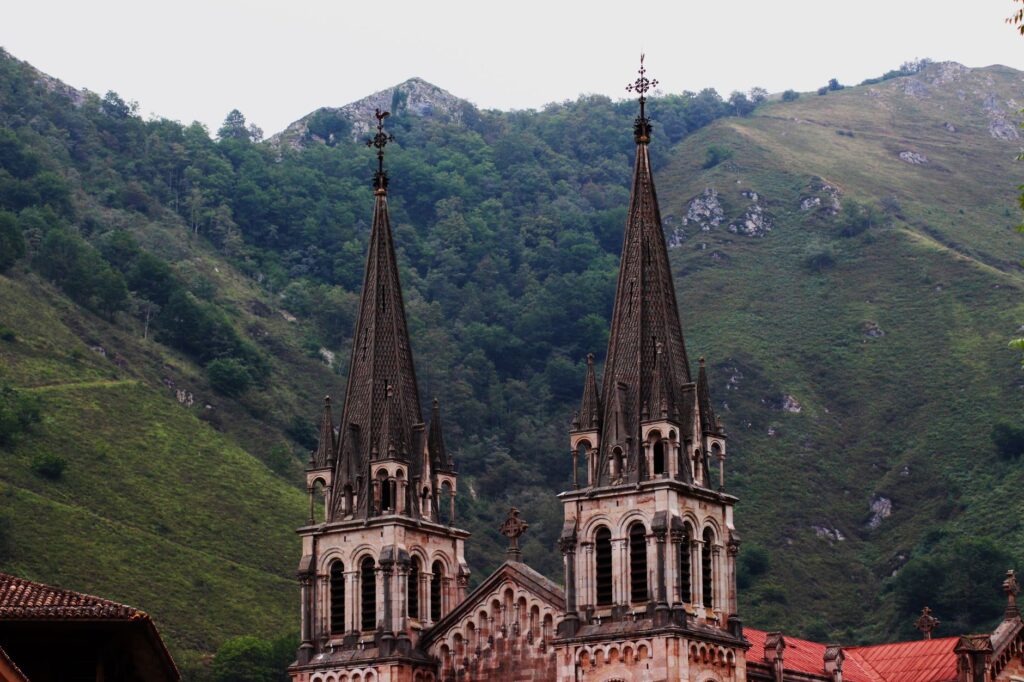
For residents, visiting the market is an inescapable part of a weekly routine that ensures the survival of local family economies. This transparent commercial exchange contrasts with the homogenization of large commercial spaces. By opting for seasonal products, buyers actively participate in the preservation of the Asturian rural landscape, whose valleys and meadows continue to be the sustenance of biodiversity and agrarian tradition.
Stalls brimming with seasonal produce reflect agricultural cycles that respect the land rather than forcing intensive yields. Supporting these vendors means sustaining the rural communities that shape the surrounding valleys, ensuring that traditional farming methods endure alongside modern ecological standards.
Civil and Religious Architecture in Harmony with the Environment
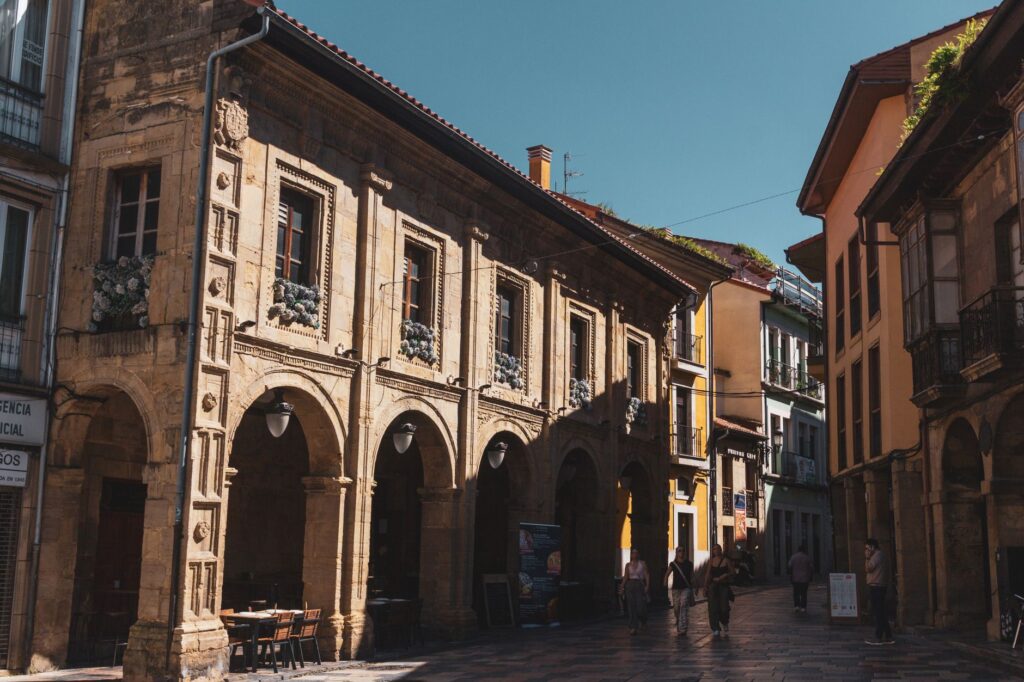
Oviedo’s architectural heritage ranges from internationally recognized jewels of Asturian pre-Romanesque art to stately mansions and arcaded squares. The preservation of these cultural assets requires continuous maintenance work that balances the influx of travelers with the structural integrity of the buildings. Local urban planning ordinances seek to protect historic facades and limit overcrowding in the narrowest alleys of the historic center.
This care for architectural detail extends to the transitional areas between the ancient city and modern expansions. Pedestrian areas have progressively gained ground, allowing citizens to enjoy cleaner and quieter mobility. The limestone of the monuments breathes beneath a sky that changes hue with the Atlantic mist, reminding us that sustainable urbanism also consists of respecting original materials and climate.
Preserving stone structures exposed to centuries of maritime and mountain weather demands specialized techniques that respect original textures and mortar compositions. Heritage experts work discreetly behind scaffolding to ensure that each intervention maintains the historical integrity without introducing foreign aesthetic elements.
Neighborhood Life Beyond the Historic Center
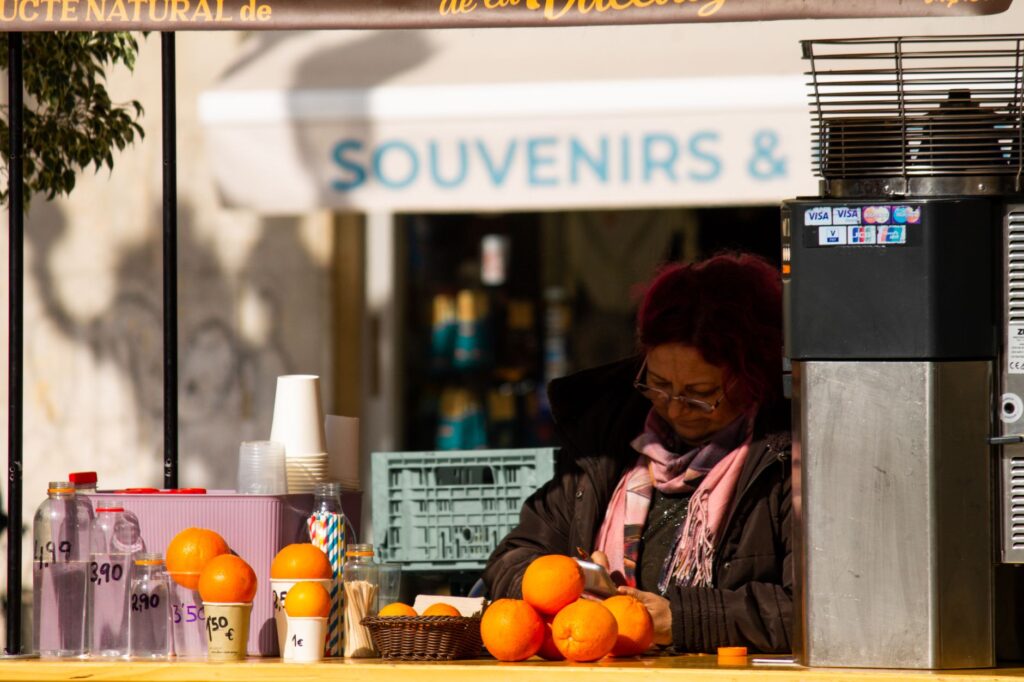
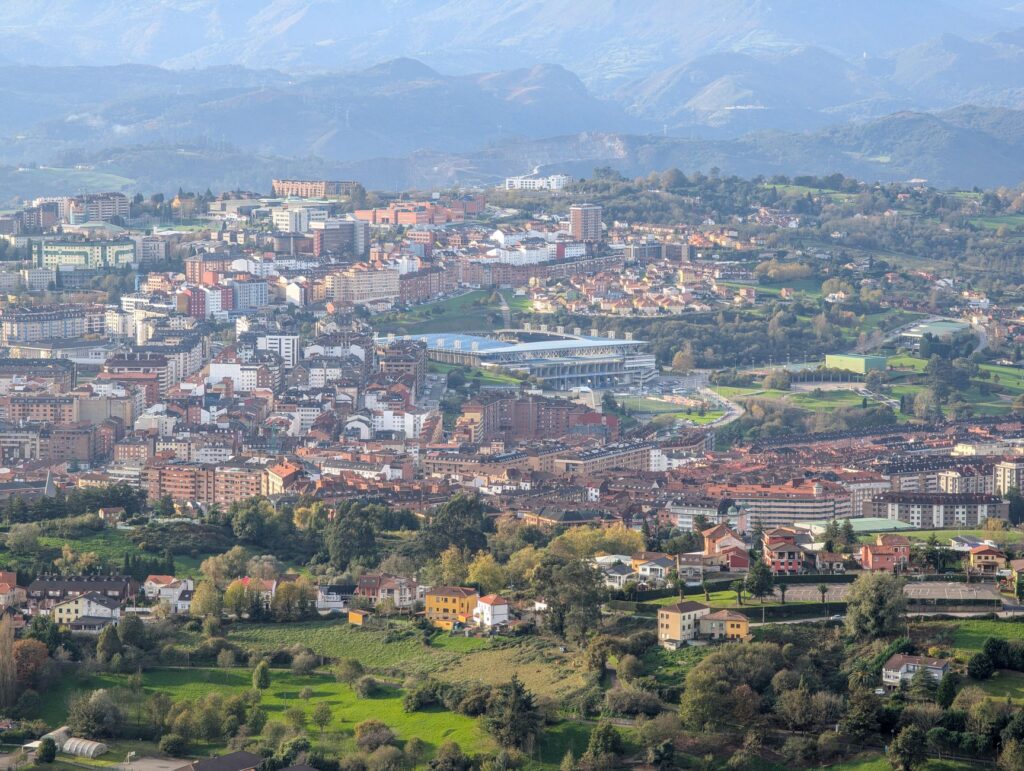
While the center concentrates touristic attention, Oviedo’s peripheral and residential neighborhoods showcase the daily reality of a population exceeding two hundred and twenty thousand residents. Areas such as Ciudad Naranco or Teatinos reflect the orderly growth of the city, where urban parks, civic centers, and small neighborhood shops weave a solid network of community support. In these spaces, sustainability translates into community recycling initiatives, urban gardens, and the daily use of bicycles or public transport.
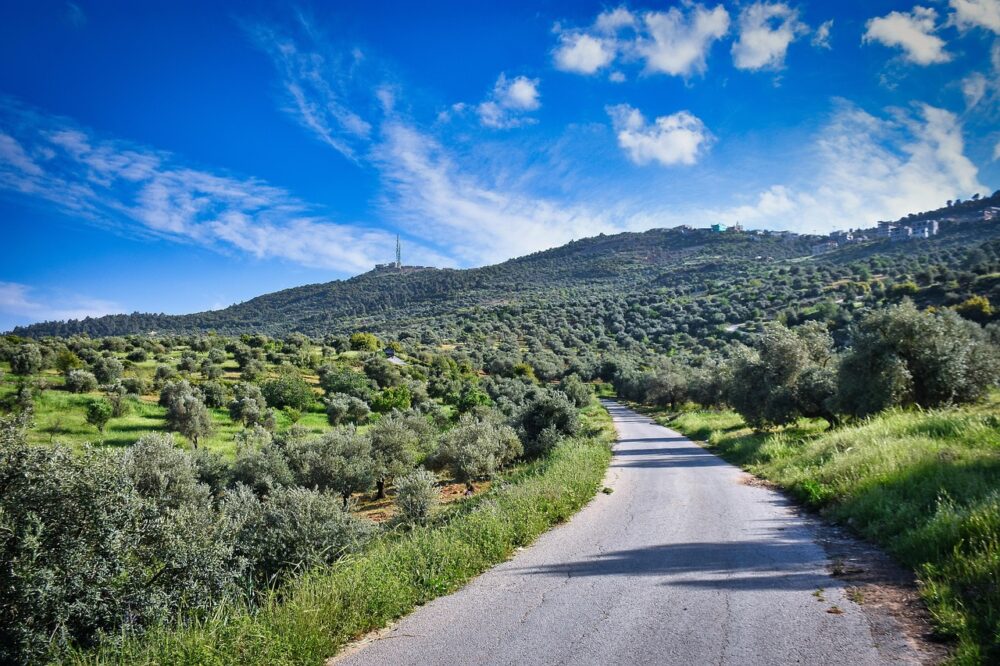
The integration of these residential areas with Mount Naranco, the green lung dominating the urban landscape, evidences a harmonious relationship between nature and urbanism. The trails ascending toward the historic monuments located on the slopes of the mountain are traversed both by local athletes and walkers seeking to connect with native flora. This proximity to the natural environment fosters an environmental awareness rooted in new generations of residents.
Local associations in these districts regularly organize workshops on composting, energy saving, and urban biodiversity protection. These grassroots activities demonstrate that ecological responsibility is not confined to municipal offices, but thrives inside everyday neighborhood practices.
Culture, Traditions, and Citizen Participation
Oviedo’s cultural life draws on secular traditions adapted to present demands. Local festivities, independent film showcases, literature contests, and craft fairs mobilize cultural associations and citizen groups who actively participate in the annual programming. This cultural dynamization does not seek to attract mass crowds, but rather to enrich internal coexistence and offer visitors an authentic perspective of Asturian creativity.
Decisions regarding the use of public space and event regulation are often made through citizen participation forums and consultations with neighborhood associations. This local governance model ensures that tourism development does not disrupt residents’ peace or deteriorate shared spaces. Oviedo’s identity is thus strengthened from the grassroots, defending a model where popular culture and mutual respect are the main axes of daily coexistence.
Artisans and musicians pass down ancestral techniques through community workshops and open-air gatherings. This transmission of intangible heritage guarantees that traditional skills in woodwork, textiles, and local instruments remain relevant in an increasingly digitalized world.
Commitment to Sustainable Mobility and Public Space
In recent years, mobility management in Oviedo has advanced toward reducing vehicular traffic in the urban center. The expansion of low-emission zones and the pedestrianization of commercial streets have significantly improved air quality and pedestrian safety. Walking is the preferred option for exploring the main points of interest, reducing noise pollution and fostering a healthier lifestyle.
Likewise, the public transport network connects peripheral neighborhoods with railway and bus stations, facilitating efficient mobility for both daily workers and travelers arriving with a low-impact perspective. These measures demonstrate that a mid-sized city can adapt its historical infrastructures to the ecological challenges of the 21st century without losing its traditional character or comfort.
Cycling lanes continue to expand across connecting corridors, offering a viable alternative for commuters. Careful urban planning ensures that bicycle parking facilities integrate seamlessly into historic squares without obstructing pedestrian flows or damaging paving stones.
The true wealth of a historic city does not reside solely in its ancient stones, but in the capacity of its inhabitants to keep alive the customs that gave meaning to those walls.
Practical guide
How to get there: Oviedo has railway and bus connections directly linking it to major cities in northern Spain and the plateau. The nearest airport is located about forty-seven kilometers away, with regular bus services to the urban center.
When to visit: Spring and autumn offer mild temperatures ideal for touring the pre-Romanesque monuments and Mount Naranco trails, avoiding peak summer crowds.
Responsible gastronomy: Visitors are encouraged to dine in traditional cider houses and markets that work with local suppliers from the Asturias region, ensuring the traceability and freshness of products.
Getting around: The old town is entirely pedestrian. To access peripheral neighborhoods or take excursions toward Mount Naranco, using urban buses or bicycles is the most sustainable option.
Coexistence rules: It is essential to respect residents’ rest in residential areas and follow conservation guidelines at protected historical monuments.
Memory and Horizon in the Asturian Landscape
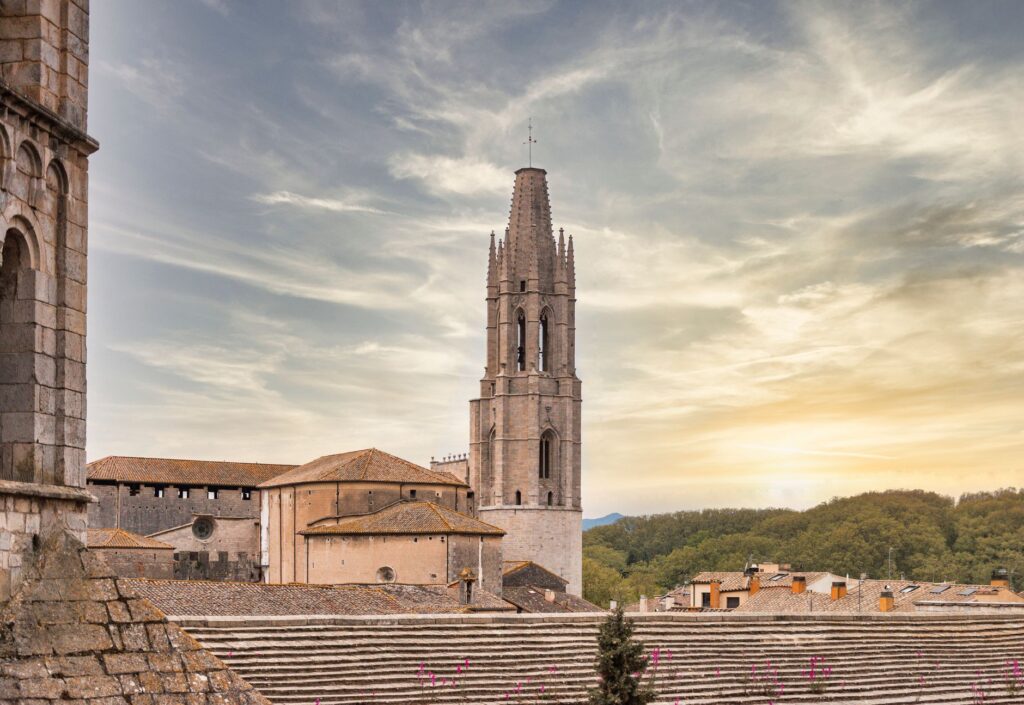
As evening falls, golden light reflects off granite facades and the glass of traditional galleries, drawing a scene that summarizes centuries of history and adaptation. Historic cafes and secondary squares recover the subdued murmur of daily conversations, while the breeze from the surrounding mountains descends to temper the urban night. In this balance between stony memory and constant environmental care, Oviedo demonstrates that the future of cities lies in their ability to preserve themselves through respect for their own community.
The lingering twilight over the slate rooftops invites a contemplative pace, reminding every traveler that sustainable tourism begins with silent observation and deep appreciation for local rhythms. As the municipality continues to balance modern needs with historical preservation, the enduring spirit of the region remains firmly anchored in its welcoming streets and active citizenry.