A Valley Where Sun and Stone Dictate the Rhythm of the Day
Less than an hour and a half east of the Peruvian capital, the landscape changes dramatically as the highway winds deeper into the Rímac river valley. Chosica, officially designated as Lurigancho-Chosica, rises to about eight hundred meters above sea level, an intermediate altitude that has historically served as a climatic refuge. While the coastal fog frequently blankets Lima during the winter months, this Andean corner boasts clear skies that have earned it popular recognition as the Villa del Sol. This geographical condition is far more than a mere meteorological statistic; it entirely shapes the architecture of its historic houses, the layout of its public squares, and the unhurried way locals spend their afternoons outdoors.
The town’s main streets combine early 20th-century buildings with the bustling commercial activity of local markets where both residents and travelers stock up before continuing their journey toward the central highlands. Walking along its avenues, one notices how the abrupt topography of the hills defines the urban limits. Arid hillsides, crossed by dry ravines, impose a constant presence that recalls the fragility and resilience of a community inhabited by more than eighty thousand people. Every corner reflects a delicate balance between urban expansion and respect for a natural landscape that demands constant attention to climate risks.
An analysis of demographic and territorial growth within this jurisdiction reveals a complex interplay between human settlements and the morphology of the terrain. Local geographers and historians have documented how the valley has historically functioned as a vital transit corridor. The presence of rocky formations and the close proximity to the riverbed dictate that every urban intervention must rigorously consider topographical factors. This converts the space into an open-air laboratory regarding human adaptation to ravine ecosystems.
Railway Heritage and the Architectural Memory of the Rímac
The historical development of Chosica is inextricably linked to transportation routes and the railway tracks that traverse the Rímac canyon. Since the late 19th century, the arrival of engineers and travelers transformed this settlement into a strategic stopover and a prized resting place for wealthy Limeñan families. Today, the residential architecture of that golden era survives through ornamented wooden facades, spacious entryways, and interior gardens that discreetly overlook the public thoroughfare. These material testimonies allow visitors to appreciate the heritage value of a municipality that transcended its initial function as a simple transit station.
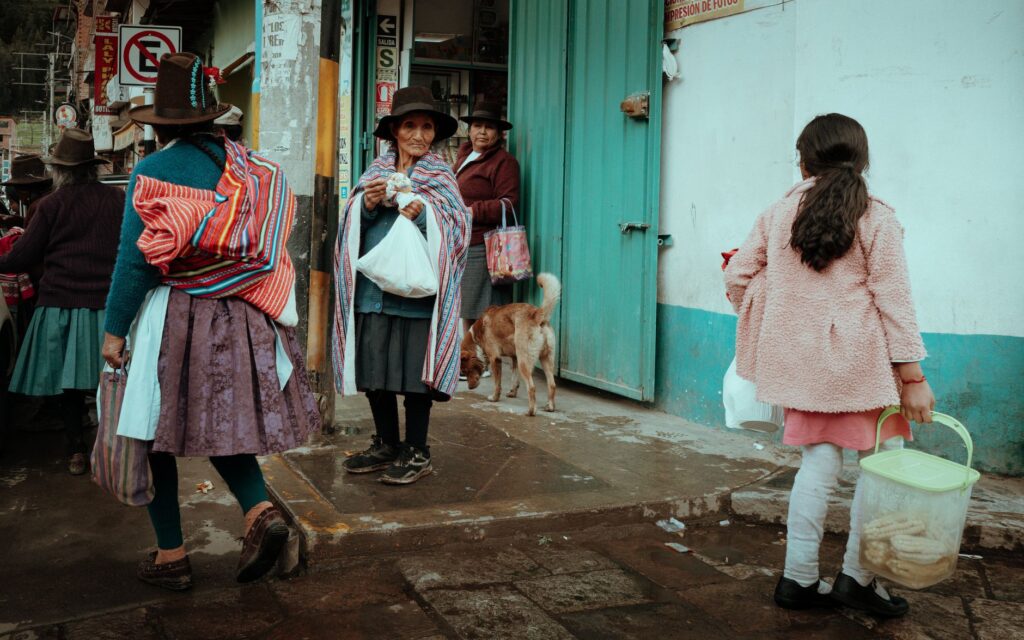
The conservation of these architectural elements represents an ongoing challenge in the face of contemporary real estate dynamics. Cultural associations in the district drive initiatives aimed at cataloging and protecting properties of historical value, ensuring that new generations recognize the footprint of their collective identity in these walls. Integrating railway memory into the urban narrative strengthens the sense of belonging and offers visitors a deeper perspective on the social evolution of this Peruvian region.
Urban Strolls Among Public Squares and Neighborhood Memory
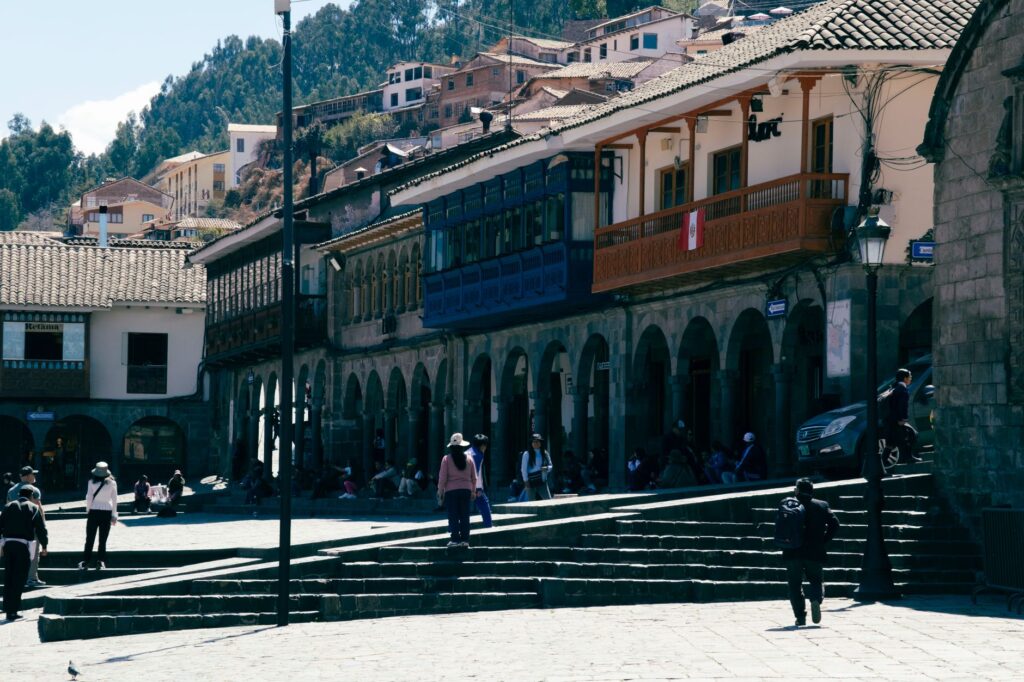
The civic heart of the district beats around its main square, a tree-filled space where leafy canopies offer relief from the intense midday heat. All around, daily routines unfold without haste: local merchants offer fresh fruits brought from inter-Andean valleys, while passersby converse on granite benches. This everyday social fabric constitutes the true living archive of the town, far removed from mass tourism circuits. The preservation of these local dynamics depends heavily on responsible tourism that values the authenticity of public spaces and supports local proximity economies.
Everyday interactions in these public spaces demonstrate strong community cohesion. Neighbors actively participate in craft fairs and cultural gatherings that invigorate local life without altering its traditional pace. Observing these dynamics allows visitors to understand that Chosica’s heritage is not limited to physical monuments, but resides fundamentally in the customs, friendly demeanor, and collective memory of those who permanently inhabit the valley.
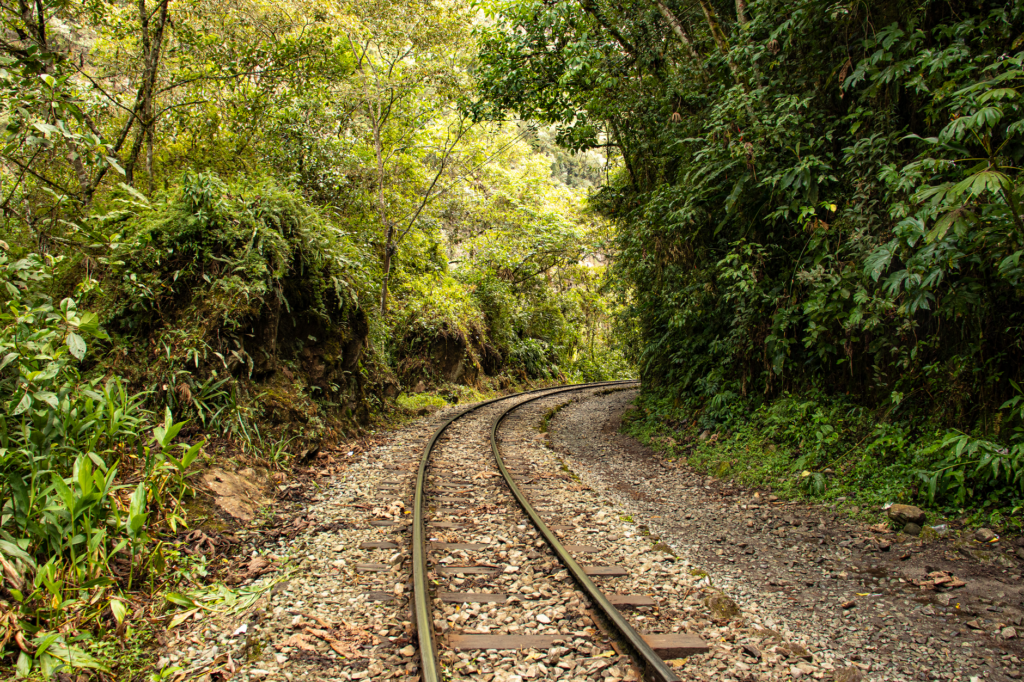
The Andean geography imposes its rules, but it is the steadfastness of its residents that grants every corner its true urban vitality.
Neighborhood Commerce and the Gastronomy of the Lower Highlands
Chosica’s culinary offerings reflect its role as a hinge between the Peruvian coast and the high Andes. In neighborhood markets and small traditional eateries, diners can enjoy hearty dishes prepared with local ingredients, ranging from comforting broths to meats marinated with Andean spices. This gastronomic heritage does not seek international applause, but rather satisfies the daily appetite of a hardworking population. Recipes are passed down from generation to generation, consolidating a repertoire that vindicates the authentic flavors of the Rímac valley.
Supply markets act as nerve centers where independent producers and everyday buyers converge. In these enclosures, tubers, seasonal fruits, and aromatic herbs cultivated in nearby ecological zones are traded. The preference for these proximity products fosters a sustainable value chain that directly benefits local farmers, reinforcing food security and preserving the agricultural biodiversity of the territory.
The Natural Pulse of the Hillsides and Community Adaptation
Living in the foothills of the mountain range involves a complex relationship with nature. The ravines descending from the highest peaks toward the bed of the Rímac river are silent witnesses to the region’s geological dynamics. During the rainy season in the Andean heights, water flow and terrain stability demand early warning systems and robust community organization. Local authorities and grassroots organizations work in a coordinated manner to raise awareness about risk management, promoting safe construction practices and respect for natural watercourses. This environmental awareness has become a fundamental pillar for the sustainable future of the district.
Environmental education and citizen participation are indispensable tools for mitigating vulnerability to recurring natural events. Community training workshops address topics such as hillsides reforestation, drainage cleaning, and proper solid waste disposal. These collective actions demonstrate a deep commitment to environmental preservation, showing that community resilience is the result of constant and organized effort.
Responsible Practices to Explore the Environment Without Disrupting Its Rhythm
Travelers arriving in Chosica must assume an ethical commitment to the host community and the environment. Being a territory with limited water resources and vulnerable hillsides, minimizing environmental impact during every journey is essential. Visitors are advised to use local public transport for internal commutes, purchase goods at traditional supply markets to support the local economy, and avoid any actions that jeopardize soil stability or water source cleanliness. The conscious traveler understands that their role is that of a respectful observer who prioritizes the well-being of the resident population over conventional tourist consumption.
Adopting respectful behavior also implies moderating the use of drinking water during the stay and avoiding the generation of single-use plastics. Lodging establishments and local guides promote clear guidelines so visitors can reduce their ecological footprint. In this way, tourism activity transforms into an enriching cultural exchange tool and an economic support that respects the ecological limits of the valley.
Practical guide
How to get there: From central Lima, Chosica can be accessed via interurban buses and public transport services departing from strategic hubs such as the Vía Expresa or the Carretera Central. Travel time ranges from one and a half to two hours, depending on traffic conditions.
When to visit: Thanks to its sunny microclimate, any time of year is favorable, though the months between May and November offer clearer skies and very pleasant daytime temperatures.
Mobility recommendations: To explore the valley surroundings and historic residential areas, walking or using authorized mototaxis is ideal, always respecting road safety regulations and the peace of local residents.
A Horizon of Stone and Sun That Bids Farewell to the Traveler
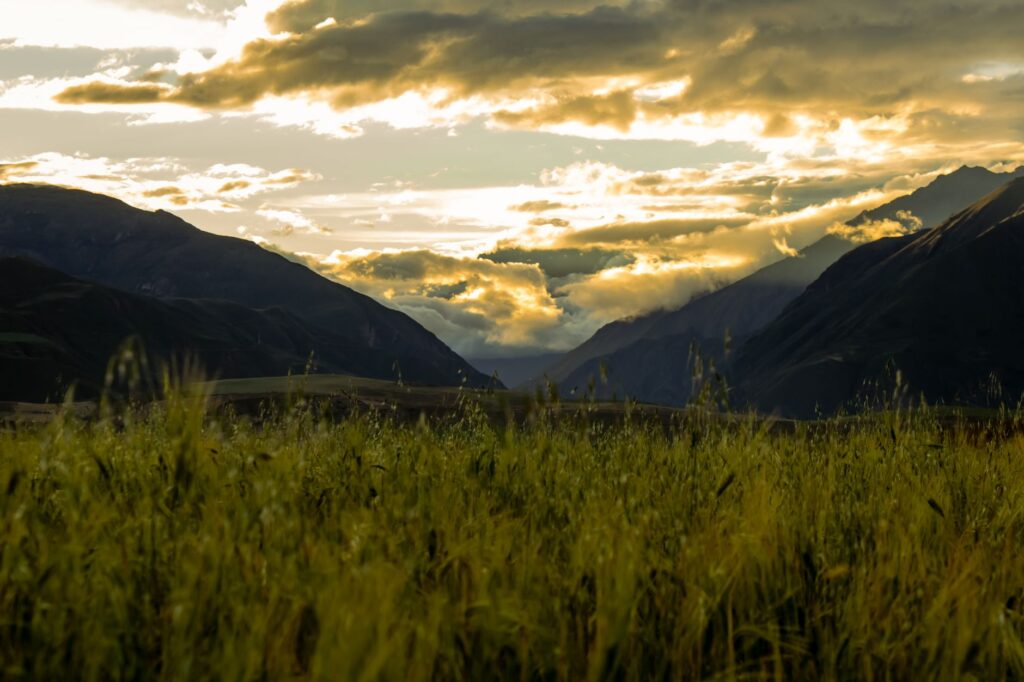
As evening approaches, the golden sunlight bathes the rugged profiles of the hills guarding Chosica, tinting the rocks in ochre and reddish hues. On street corners, street vendors pack up their awnings while the final rays filter through the branches of centuries-old ficus trees. This moment of stillness reveals the most intimate essence of the place: a patient balance between the relentless force of the mountain range and the persistent warmth of its people. Far from the hustle and bustle of major metropolises, this dual Andean and coastal valley offers a lesson in simplicity, resilience, and community belonging that lingers in the memory of those who explore it with care.