The Geography of Water in the Coahuila Desert
In northern Mexico, within the state of Coahuila, lies a territory where water has historically dictated the pulse of survival and adventure. Torreón, sitting at an elevation of approximately one thousand one hundred twenty-four meters above sea level, is anchored in the Comarca Lagunera, a region that once featured vast lacustrine bodies fed by the Nazas and Aguanaval rivers. Although modern urban and agricultural development has profoundly transformed these watercourses, the memory of water continues to define the identity of its inhabitants and the way outdoor exploration is approached in this semiarid environment.
Understanding the geography of Torreón requires looking toward its geological origins and the endorheic basins characteristic of northern Mexico. The river channels that once carved valleys and created wetlands now operate intermittently, regulated by dams and irrigation canals that channel water resources toward intensive agriculture. For travelers and adventure enthusiasts, this means that interacting with aquatic environments and natural spaces demands careful attention to hydraulic infrastructure and local regulations governing access to conservation zones.
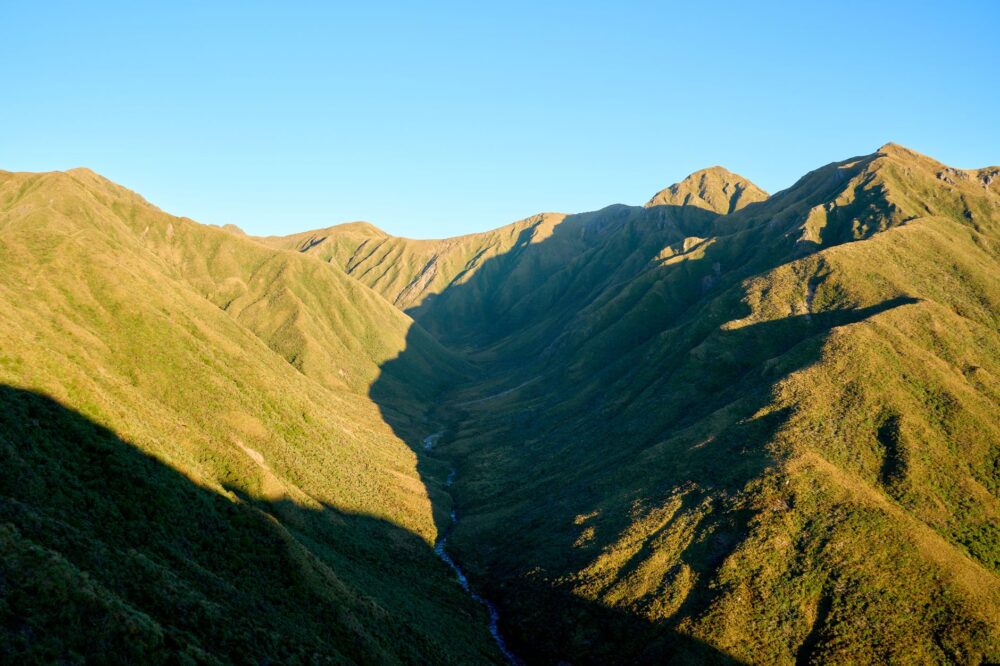
The surrounding landscape, dominated by arid mountain ranges such as Sierra de las Noas, offers a fascinating contrast with the alluvial plains. Trails winding through these geological formations require rigorous physical preparation and deep respect for an ecosystem where every drop counts. Adventure in this Mexican municipality is not limited to visual contemplation; rather, it invites a deeper understanding of how human communities have historically adapted to water scarcity and natural resource management.

Extreme Climatology and Seasonal Variability
The climate of Torreón is a decisive factor for any expedition aiming to explore its natural geography. Characterized as an extreme semiarid regime, summer temperatures can easily exceed forty degrees Celsius, while winters, though generally mild during daytime hours, experience notable drops after sunset. This thermal range requires meticulous planning of outdoor activity schedules, prioritizing early morning hours to avoid peak solar radiation and heat stress.
Precipitation in the region is scarce and concentrated primarily during the summer months and early autumn, often taking the form of intense yet short-lived convective storms. These meteorological events, though brief, can trigger sudden runoffs in dry riverbeds or local arroyos, known regionally as bajadas de agua. For this reason, weather safety protocols are essential for anyone traveling through low-lying areas or participating in activities near canal systems and irrigation ditches.
Ultraviolet radiation is another critical element that should not be underestimated. Due to the high altitude and prevalent clear skies throughout much of the year, physical protection through appropriate clothing, consistent sunscreen use, and calculated hydration are as vital as a map or compass. The nature of this climate teaches that self-reliance and caution are the best allies for enjoying the territory without taking unnecessary risks.
Currents, Riverbeds, and Aquatic Safety
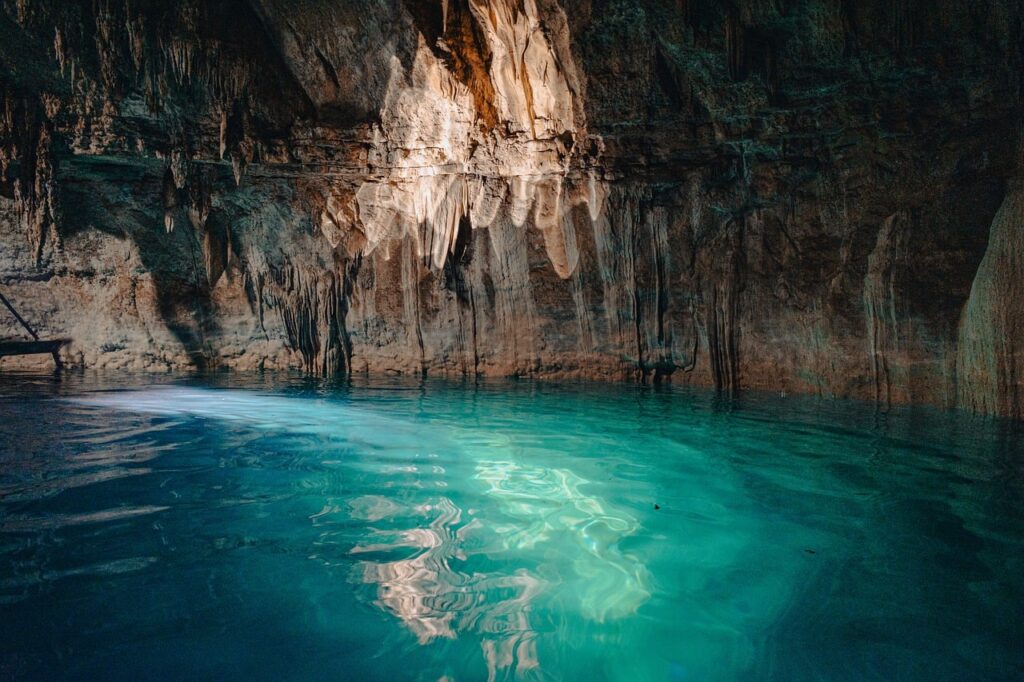
Unlike coastal destinations or rushing rivers, aquatic adventure in Torreón is intrinsically linked to artificial water management and the history of its channeled rivers. The Nazas River, which crosses the metropolitan area, features sections where river flow activates seasonally or through the controlled opening of upstream dam gates. This creates a specific dynamic where aquatic safety depends on staying informed about water release schedules and access restrictions established by civil authorities.
Navigating or exploring the surroundings of these watercourses requires understanding the risks associated with unpredictable water force in arid terrain. When flows increase due to extraordinary discharges, water velocity can catch the unwary off guard in areas that usually remain dry. Likewise, the irrigation canal network crisscrossing the municipality features channeled currents with concrete walls and steep slopes, where swimming or careless approach is strongly discouraged for safety reasons.
Local civil protection and rescue agencies continually emphasize the importance of warning signs and avoiding improvised routes near hydro-agricultural infrastructure. Responsible adventure in this urban-rural context requires recognizing that water in the desert is a precious, regulated resource whose interaction must always occur under strict precautions and technical knowledge of the terrain.
Inland Maritime Culture and Historical Heritage
Torreón’s relationship with navigation and water culture manifests in a unique way: a profound culture of hydraulic utilization that fueled the agricultural prosperity of the Comarca Lagunera in the late nineteenth and early twentieth centuries. Although lacking a marine coastline, the city developed an outlook open to commerce, technological innovation, and the arrival of migrants from diverse backgrounds who transformed this corner of Coahuila into a railway and commercial hub of national significance.
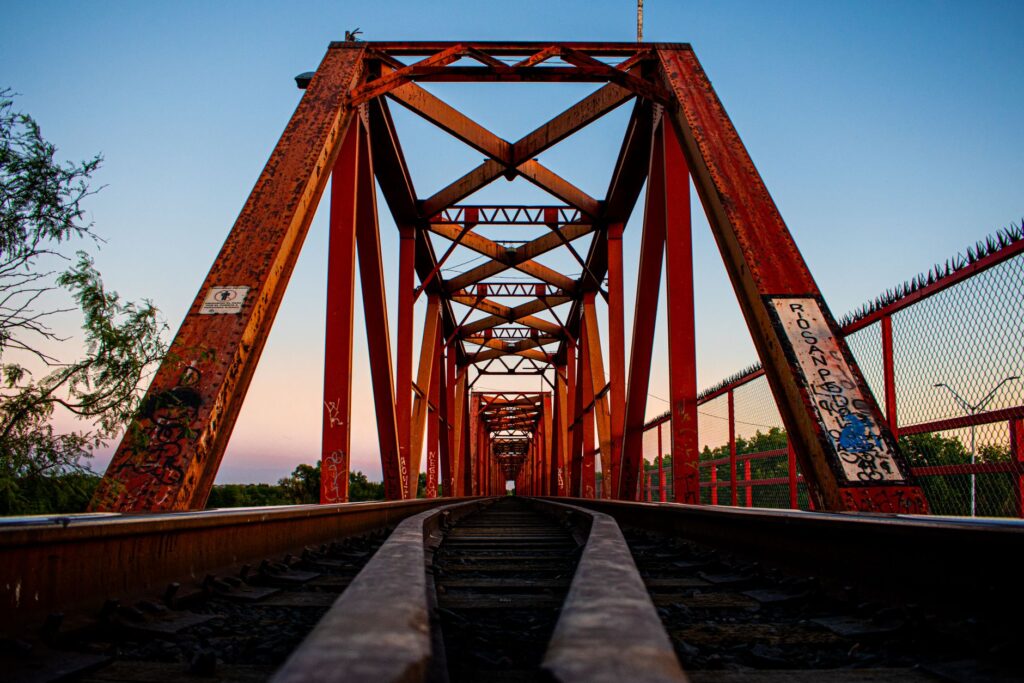
The architectural and industrial heritage of the city reflects this history of transformation. Old pumping stations, century-old canal networks, and bridges crossing the dry bed of the Nazas River stand as silent witnesses to an era when mastering desert currents was a matter of economic survival. Exploring these enclaves allows travelers to connect the urban present with a collective memory where human effort to channel water shaped the cultural landscape.
This amphibious desert culture also expresses itself through traditions, local gastronomy utilizing the harvest of irrigated lands, and the characteristic hospitality of its people. Understanding Torreón from this perspective enriches any travel itinerary, transforming a conventional visit into a reflective immersion in human adaptability facing challenging natural environments.

True exploration in the desert is not about dominating nature, but about learning to read the subtle signals of the land and the water that sustain it.
Ecosystem Protection and Habitat Conservation
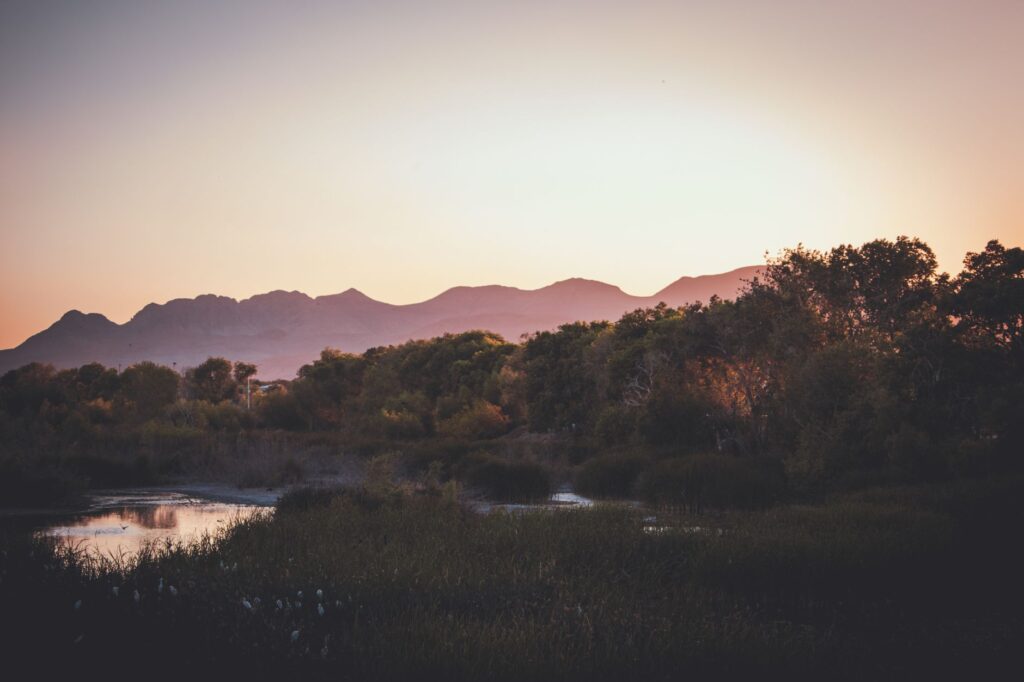
The ecological balance in the municipality of Torreón and its surroundings is remarkably fragile. The desert and riparian ecosystems of Coahuila harbor biodiversity adapted to extreme conditions, including endemic species of flora and fauna that rely on scarce remaining wetlands and riparian vegetation along ancient river routes. Urban and agricultural pressure has fragmented these habitats, making the adoption of responsible tourism practices and active conservation imperative.
For travelers exploring natural trails, mountain foothills, or protected area boundaries, the principle of leaving no trace is an unwavering rule. This includes avoiding the collection of native plant species, refraining from disturbing local wildlife—such as migratory birds and small mammals adapted to the arid environment—and properly managing solid waste. Water and soil protection in this area is not merely a governmental responsibility, but an ethical commitment for every visitor.
Local urban reforestation initiatives and the establishment of ecological parks seek to provide citizens with spaces for direct contact with nature while promoting environmental education. Learning about these initiatives allows travelers to engage constructively, supporting community efforts to preserve the region’s ecological wealth and ensure that future generations can continue exploring this singular landscape.
Practical guide
Planning an expedition to Torreón, in the state of Coahuila, Mexico, requires considering several logistical and safety recommendations to ensure a rewarding and environmentally respectful experience:
- Best time to visit: The autumn months (October to November) and spring (March to May) offer milder temperatures, ideal for outdoor activities and morning hikes.
- Transportation and access: The city is served by Francisco Sarabia International Airport (TRCE), alongside excellent federal highway connectivity. To explore natural and rural areas, suitable vehicles and certified local guides are recommended.
- Hydration and gear: Due to the semiarid climate, carrying at least three liters of water per person daily, broad-spectrum sunscreen, UV-filtering sunglasses, and sturdy hiking footwear are essential.
- Weather safety: Always check the weather forecast before embarking on any hiking trail or approaching dry riverbeds, and avoid low-lying areas during the summer rainy season.
- Environmental respect: Strictly obey signage in protected natural areas, stay on marked trails, and avoid any alteration of the natural environment or local hydraulic infrastructure.
Final Reflection on the Desert Horizon
Exploring Torreón means stepping into a territory where the apparent harshness of the desert conceals a vibrant history of resilience, human ingenuity, and adaptation. Far from mass tourism circuits, this destination in northern Mexico invites travelers to slow down, observe the subtlety of its landscapes, and appreciate the fundamental importance of water and environmental conservation. Every sunrise over the Coahuila mountains and every sunset painting the Comarca Lagunera in ochre tones remind us that true adventure lies in the ability to understand and respect the spaces we visit, leaving an invisible footprint and taking home lasting knowledge.