
Open skies above the Mexican highlands
At the geographical heart of Mexican territory, the city of San Luis Potosí displays a unique dynamic where viceregal tradition coexists with an intense industrial vocation. At nearly eighteen hundred meters above sea level, the Ponciano Arriaga International Airport operates as the primary aerial gateway articulating business, cargo, and tourism travel toward this region of the Bajío and the north of the country. Air connectivity does not constitute an isolated element, but rather the result of a planned evolution responding to both demographic growth and the expansion of internationally relevant manufacturing and automotive complexes across Mexico.
Airport infrastructure reflects the contemporary demands of mobility in high-altitude zones. Takeoff and landing operations at this latitude require rigorous technical conditions due to air density and prevailing winds descending from the surrounding mountain formations. Through its terminals, thousands of passengers daily experience the transition between the tranquility of the high plateau and the continent’s major metropolises, consolidating a transport network that shortens distances and invigorates the local economy without altering the historic rhythm of the Potosine capital.
The surrounding landscape, characterized by vast plains and elevations defining the state’s geography, demands precise logistical solutions that maintain a constant balance between the speed of air travel and the serenity of age-old traditions. Local authorities and air operators collaborate continuously to ensure routes maintain the necessary competitiveness in the current market.
Architecture and functional design of Ponciano Arriaga
The architectural design of an air terminal in a provincial capital must balance operational efficiency with the destination’s characteristic hospitality. The main building of the local airport combines large glazed surfaces maximizing natural light with metallic structures conceived to withstand the thermal variations typical of the region’s semiarid climate. Interior spaces fluidly distribute passenger flow between check-in counters, security checkpoints, and boarding lounges.
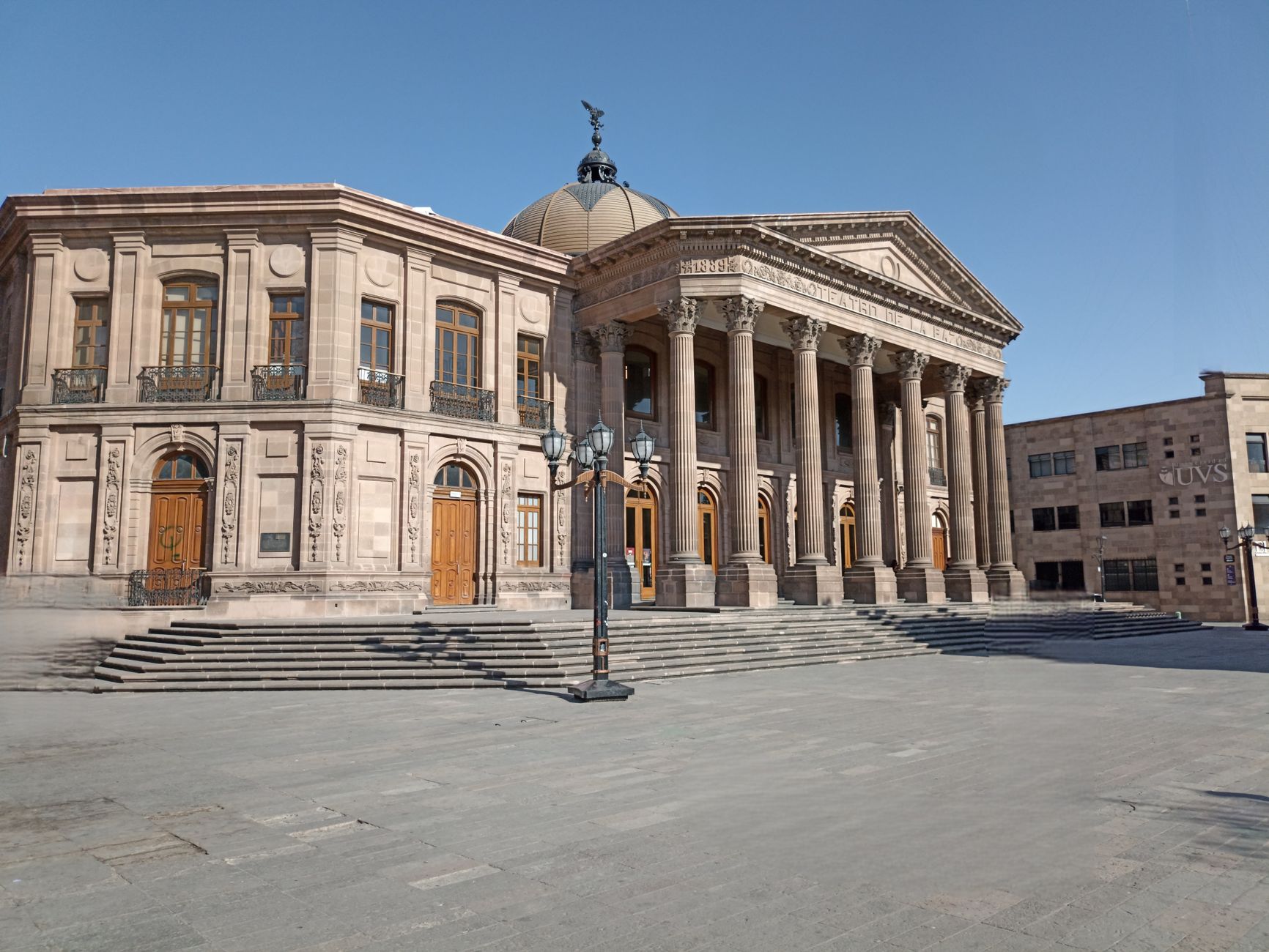
Each construction detail aims to minimize transit times and optimize the passenger experience. The integration of commercial zones featuring local artisanal products and regional gastronomy samples allows visitors to maintain direct contact with the state’s cultural identity from the moment of arrival or before embarking on a departing flight. Airport architecture thus acts as a contemporary calling card harmoniously dialoguing with the pink quarry stone and colonial alleys of the historic center.

Construction materials used in recent expansions prioritize durability and energy efficiency, reducing the need for excessive artificial climate control and offering a comfortable, luminous environment for daily travelers.
Regional connectivity and strategic routes
The geographical position of San Luis Potosí makes it a logistics and transport hub of the highest order within the Mexican Republic. The air routes connecting the local airfield with high-density flight concentration centers allow efficient insertion into global passenger transport networks. This facilitates both the arrival of executives and technical specialists for the industrial sector and the movement of residents toward national and international destinations of mass connection.
Synchronization between flight schedules and land transport options is essential to guarantee fluid mobility across the entire state territory.
Likewise, air connectivity fosters cultural and tourist exchange, attracting travelers interested in discovering architectural wealth, natural landscapes of the Potosine Huasteca, and the mining tradition that originated the historical opulence of the city. Airlines operating at the terminal adjust their seasonal frequencies to respond with precision to variable demand, ensuring consistent service throughout the year.
The diversification of direct destinations and the optimization of connections at major hub centers strengthen the economic competitiveness of the region, allowing both the manufacturing sector and tourism to find agile responses to their travel needs.
Passenger flow and daily life within the terminal
Beyond macroeconomic figures and air traffic indicators, daily life at the airport is composed of anonymous human stories. Families reuniting after long absences, professionals traveling for work motives, and students departing toward new academic horizons share the terminal’s hallways. This constant transit confers upon the place a unique dynamism contrasting with the stillness of the colonial plazas in the urban center.
Managing the flow of people requires rigorous coordination between airport authorities, airline personnel, and ground assistance services. The optimization of documentation and boarding processes reduces waiting times and elevates quality standards in service. For many regional inhabitants, catching a flight at Ponciano Arriaga represents the beginning of a direct link with the exterior, an invisible bridge keeping the community connected with global trends without losing local roots.
Passenger assistance areas and auxiliary services have evolved to offer a more human and accessible experience, adapting to the needs of travelers of all ages and socioeconomic backgrounds.
Land transport as a complement to the aerial network
No airport can be understood in isolation from the land transport system surrounding it. Road connectivity between downtown San Luis Potosí and the air terminal is achieved through boulevards and bypasses designed to expedite vehicular traffic, avoiding urban bottlenecks. Authorized taxi services, urban buses, and rental vehicles form part of a mobility chain ensuring the punctual arrival of travelers.
Efficient intermodality is the most reliable indicator of the urban maturity of a contemporary city in constant growth.
Urban development plans contemplate the continuous modernization of these road accesses to absorb projected increases in the number of aerial and terrestrial operations. Thus, the travel experience begins long before stepping onto the boarding platform and extends until reaching the final destination within the urban grid or toward neighboring municipalities of the state.
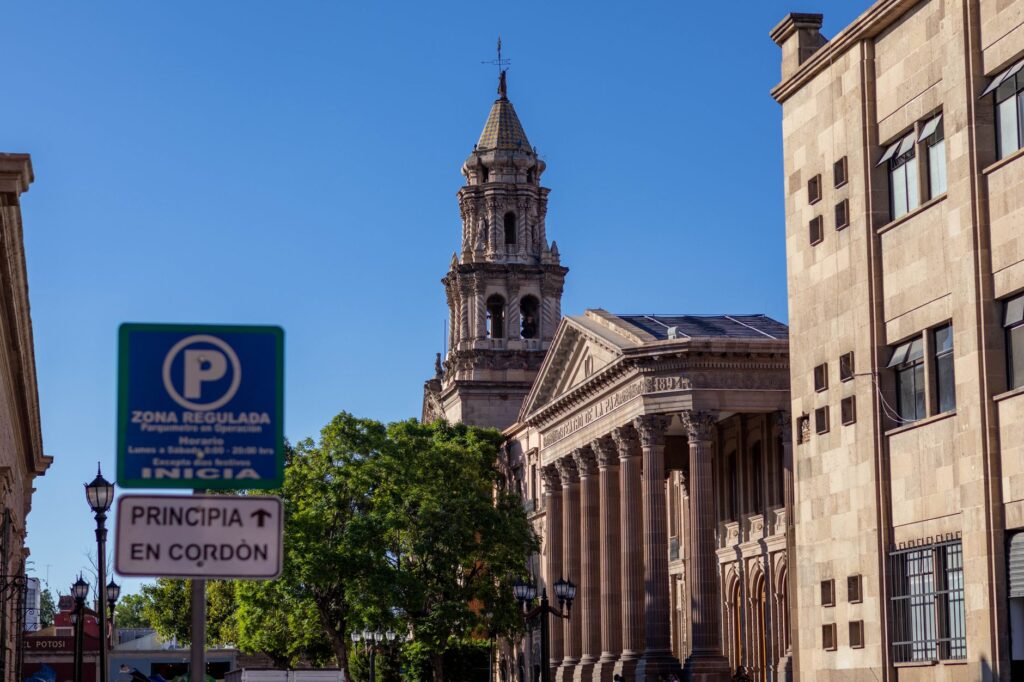
Road signage and coordinated public transport alternatives allow foreign and domestic visitors to orient themselves easily, integrating the road journey as a natural extension of the flight experience.
Sustainable development and environmental challenges in civil aviation
The growth of aeronautical activity in San Luis Potosí poses inescapable challenges regarding environmental sustainability and resource management. Airport administrations gradually implement protocols aimed at reducing the carbon footprint, optimizing energy consumption in terminal facilities, and promoting efficient technologies on the ground. Proper waste management and wastewater treatment are technical priorities to mitigate ecological impact in the semiarid environment.
Likewise, the design of flight trajectories and the regulation of acoustic operations seek to protect peripheral residential zones from noise pollution. The balance between industrial and airport development and environmental preservation constitutes an indispensable premise to ensure city growth occurs under long-term ecological responsibility criteria.

Reforestation initiatives in perimeter areas and constant air quality monitoring complement institutional efforts to maintain a clean operation respectful of the high plateau’s natural environment.
Practical guide
Location: Ponciano Arriaga International Airport is situated about 17 kilometers northeast of the historic center of San Luis Potosí, Mexico.
Land access: It connects with the city via Federal Highway 57 and paved road bypasses. The journey time by car or taxi ranges between 20 and 30 minutes, depending on traffic conditions.
Main connections: It offers regular flights to high-density national connection centers, facilitating direct international links.

Terminal services: It features airline counters, car rental services, commercial zones with regional products, waiting lounges, and Wi-Fi connectivity.
Traveler recommendations: Passengers are advised to arrive at the terminal at least two hours in advance for domestic flights and three hours for international connections, considering documentation and security control times.
The echo of the Potosine horizon
At dusk, when the sun’s rays illuminate the quarry stone domes and the metallic profiles of the airport, San Luis Potosí reveals its condition as a crossroads between viceregal past and technological future. The aircraft ascending toward the highland firmament carry with them not only passengers and cargo, but also the imprint of a community that has successfully transformed its geography into a permanent point of encounter with the world.
This unbreakable bond between sky and earth consolidates the terminal’s role as a witness to the collective effort of its inhabitants. Every flight furrowing the atmosphere represents a new projection opportunity for a land that embraces modernity without ever renouncing its historical memory.