
Boreal Territory and the Geography of Finnish Forests
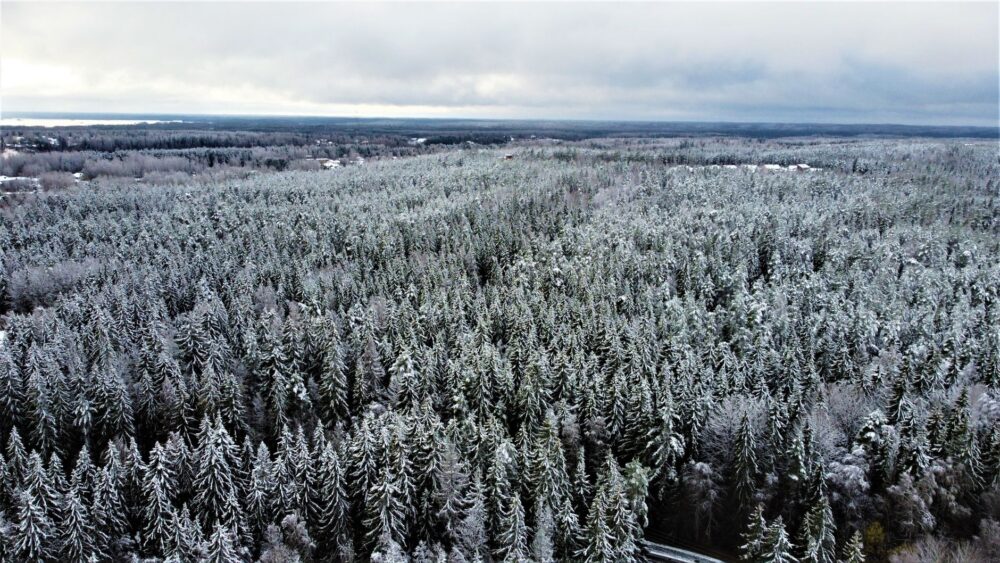
Planning an expedition through the natural landscapes of Nurmijärvi, in the Uusimaa region, requires an understanding of the complex topography of the boreal forests and lake basins of southern Finland. This municipality, located a short distance north of the capital, combines vast stretches of pine and spruce forests with flat terrain shaped by glacial erosion. The average elevation, around 45 meters above sea level, creates a gentle relief that can nevertheless become monotonous and demanding for on-foot navigation. The absence of major mountain peaks does not imply lower difficulty; in fact, the visual similarity between wooded trails requires the constant use of compasses, topographic maps, and satellite positioning devices to prevent getting lost in densely vegetated areas.
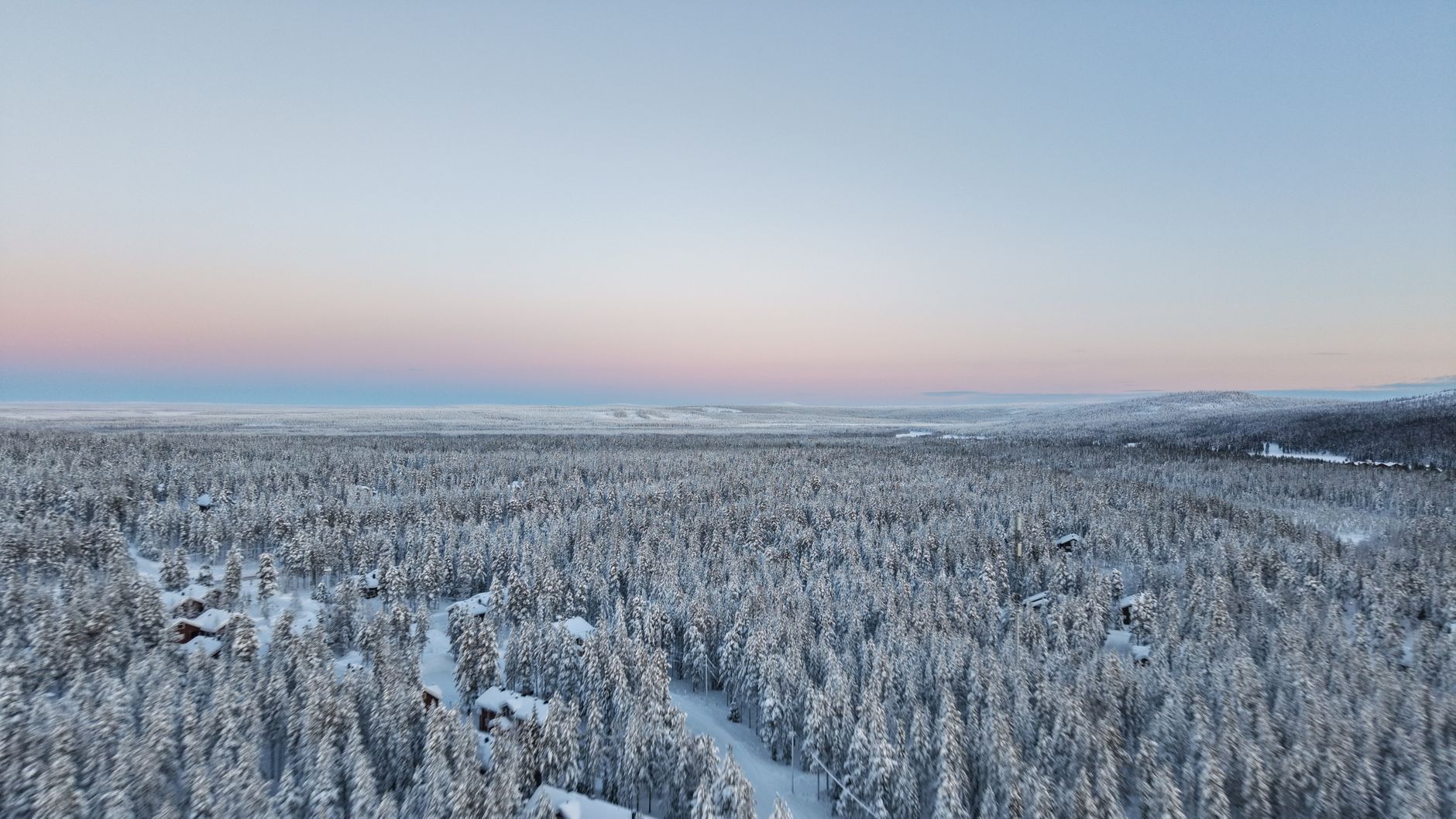
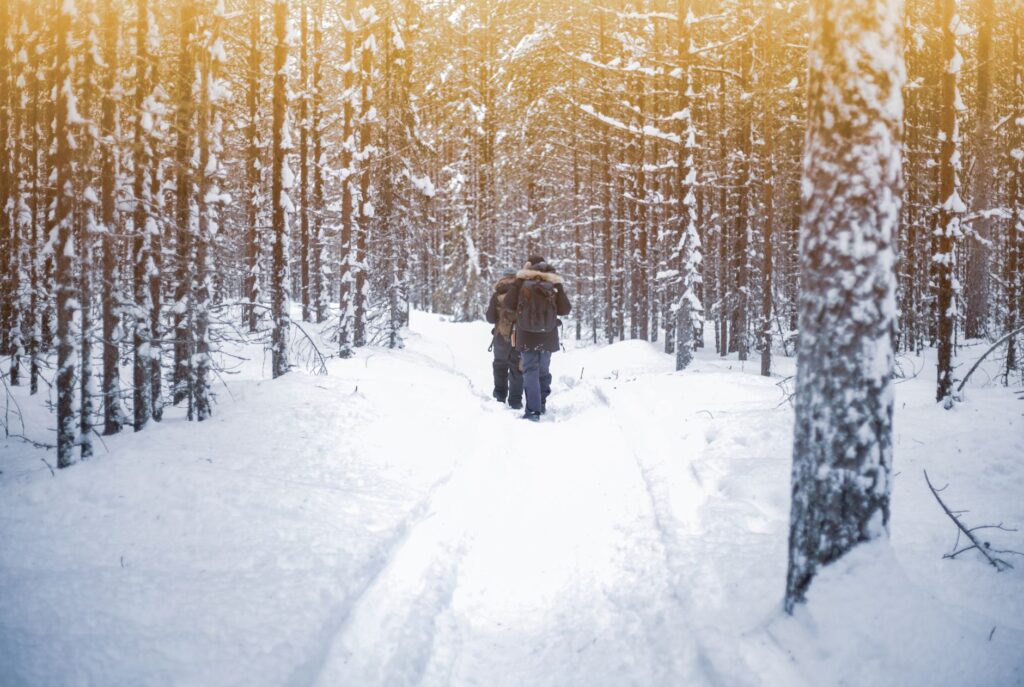
Water is an omnipresent element in the local cartography. Numerous streams, small lakes, and wetland areas fragment the landscape, conditioning the layout of hiking routes and walking expeditions. During the summer months, dirt and gravel paths offer a walkable surface, though subject to mud accumulation following frequent rainfall. In winter, conversely, the landscape undergoes a radical transformation: the waters freeze and snow covers the trails, demanding the use of snowshoes or cross-country skis to progress efficiently. The seasonal transition is a critical period, as the thaw turns paths into unstable mud and increases the risk of slips and falls on moderately sloping yet icy terrain.
Nordic Meteorology and Seasonal Variability
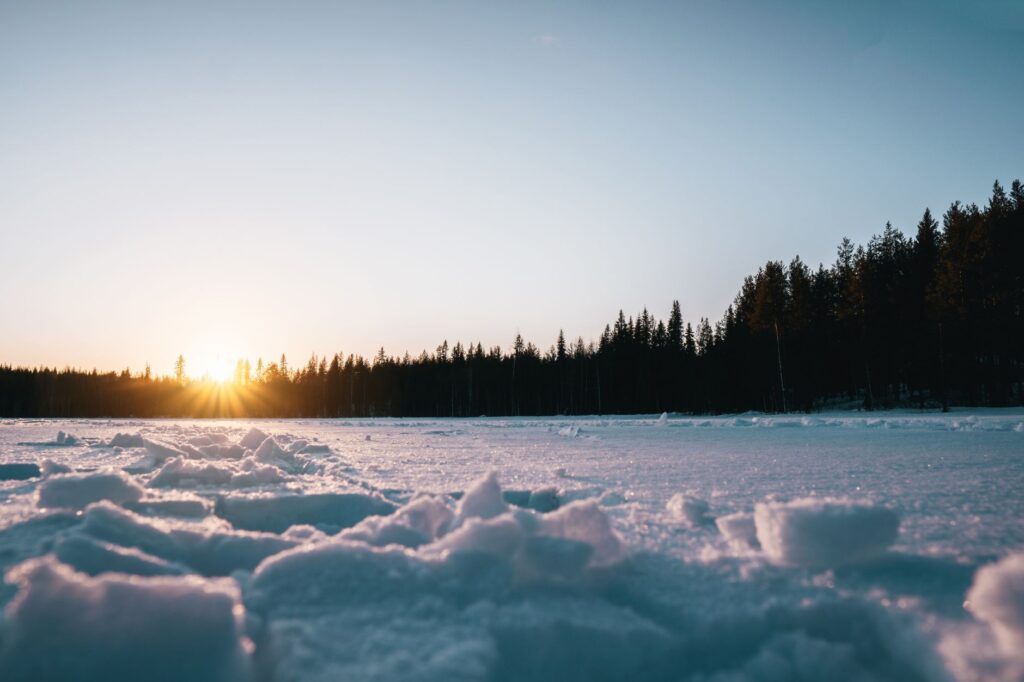
The climatology of Uusimaa is shaped by the combined influence of polar air masses and temperate Atlantic currents arriving via the Baltic Sea. This geographical position results in prolonged winters, with temperatures frequently dropping well below zero, and mild yet brief summers. For any expedition in Nurmijärvi, constant monitoring of weather forecasts is an essential requirement. Daylight hours vary drastically depending on the time of year: while in midwinter daylight is reduced to just a few hours with late sunrises and early sunsets, summer offers nearly perpetual brightness, altering the march and rest rhythms of travelers.
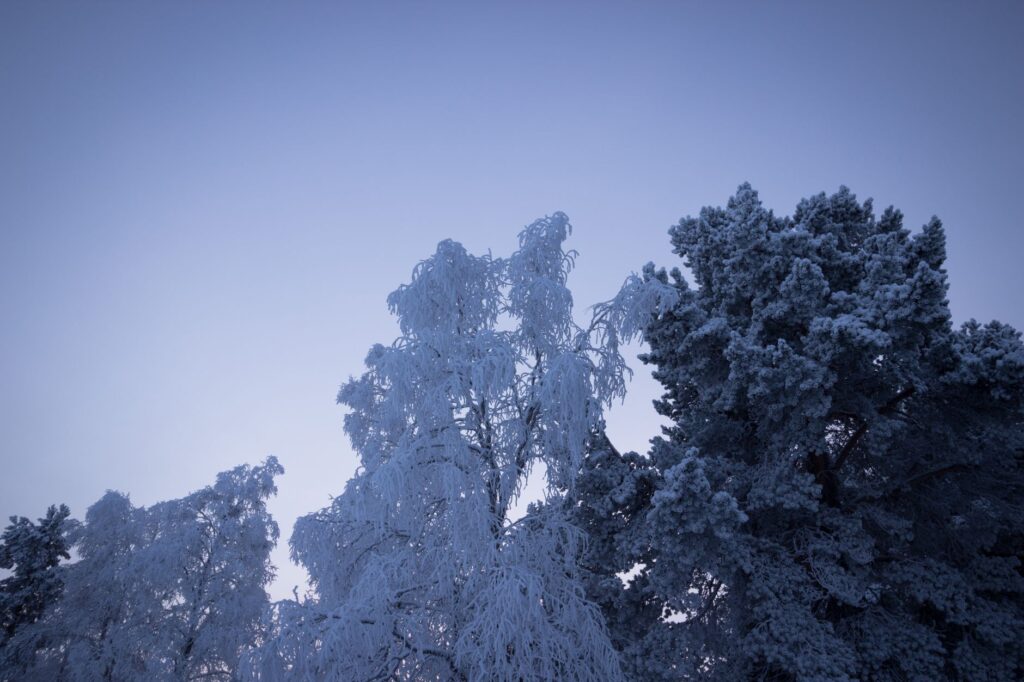
Wind and humidity are decisive factors in the actual windchill temperature. A cool autumn day can turn rigorous if a damp breeze blows from nearby bodies of water. Therefore, layering your clothing is the fundamental rule of safety. The inner layer must manage perspiration to prevent sweat accumulation, which upon cooling increases the risk of hypothermia even at low elevations. The outer layer, windproof and waterproof, protects against sudden rain or light snowfall. Sudden weather changes must not be underestimated: clear skies at the start of a hike can turn into dense clouds within hours, drastically reducing visibility on forest tracks.
Permits, Regulations, and Public Access to Nature
A fundamental pillar for exploring Finnish territory is the knowledge and respect of the traditional right of public access, known as Jokamiehenoikeus. This customary law grants everyone the right to walk, ski, and temporarily camp in forests and natural terrain, provided it is done responsibly and without causing damage to the environment or private property. However, this principle of freedom is not exempt from strict obligations. Lighting fires in forest areas when authorities declare fire risk alerts, cutting or damaging live trees, littering, or disturbing wildlife and the peace of local inhabitants is strictly prohibited.
Likewise, expedition members must inform themselves about specific restrictions in force in protected areas or municipal nature reserves aimed at preserving fragile habitats for native birds and mammals. Wild camping is generally permitted for short periods but is restricted to authorized zones near certain marked trails to prevent the degradation of forest soil. Planning the itinerary by consulting official channels from the Nurmijärvi municipality and environmental agencies ensures that the journey takes place within the legal framework, avoiding penalties and fostering harmonious coexistence between adventure tourism and environmental conservation.
Risk Management and Safety in Wooded Environments
Facing an expedition in Nurmijärvi requires a realistic assessment of potential dangers associated with the isolation of forests and terrain conditions. Although the region has developed infrastructure and proximity to urban centers, getting lost in a boreal forest during cold months can lead to an emergency situation involving hypothermia within hours. Physical preparation must be complemented by basic training in navigation and winter survival techniques. Carrying a backpack with essential supplies—including drinking water, high-energy food, a first-aid kit, thermal blankets, and a reliable light source with spare batteries—is mandatory.
The Nordic nature rewards the prudent traveler with landscapes of unmatched serenity, yet swiftly punishes any trace of improvisation or overconfidence in the face of the climate.
Mobile communications are generally stable across most of the region, but smartphone batteries drain extremely quickly at sub-zero temperatures. For this reason, carrying external power banks and keeping devices protected from extreme cold is strongly advised. Informing a family member or accommodation provider about the planned route and estimated return time constitutes an elementary safety rule that facilitates search operations in case of unforeseen events. Prudence and constant self-assessment are the best allies for enjoying the adventure without risking physical integrity.
Technical Equipment and Physical Preparation
The success of any walking journey through Nurmijärvi depends largely on the quality of equipment and the traveler’s physical condition. Forest trail routes and dirt paths demand robust hiking footwear with good slip-resistant soles and moisture protection, capable of enduring continuous marches over uneven or muddy surfaces. In winter, the equipment must be supplemented with gaiters to prevent snow from entering boots, telescopic poles with appropriate baskets for soft terrain, and sunglasses to prevent glare caused by light reflecting off snow.
From a physical standpoint, the extreme mountaineering level required in major mountain ranges is unnecessary, but good cardiovascular endurance and lower-body strength are essential to walk for several hours with a light backpack. Conducting prior training hikes on similar surfaces and checking equipment fit before venturing onto longer distance routes is recommended. Managing hydration and caloric intake during the march prevents premature fatigue and maintains stable physical performance throughout the day of exploration.
Cultural Heritage, History, and Local Respect
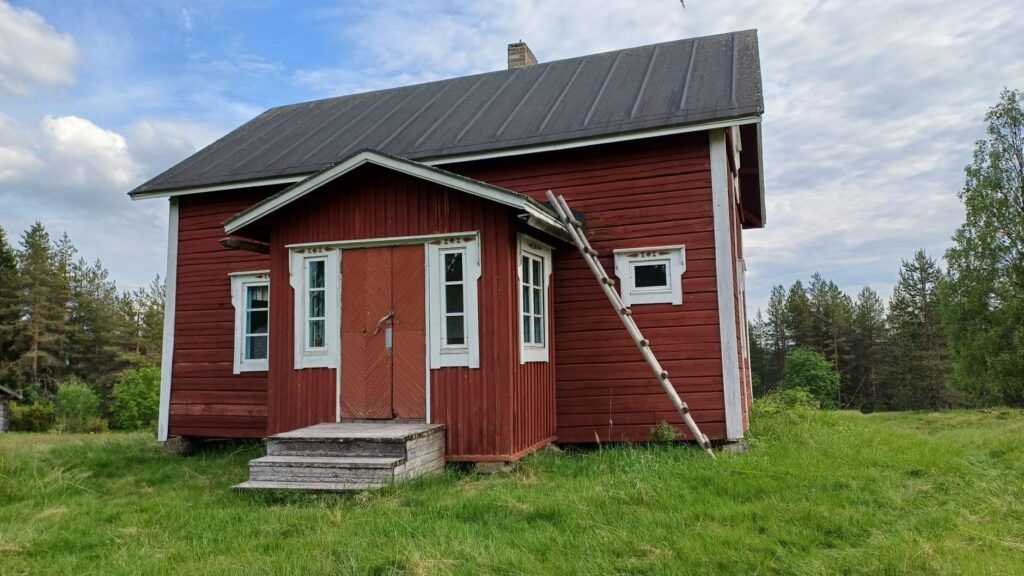
The municipality of Nurmijärvi is not merely a natural stage for adventure, but a territory with deep historical and cultural roots in the Finnish identity. It is renowned as the birthplace of Aleksis Kivi, Finland’s national author and creator of the first major novel in the Finnish language, The Seven Brothers. Traveling through the paths and landscapes of this area allows visitors to connect with the scenery that inspired the country’s classical literature, where the intimate relationship between human beings and the boreal forest is a central theme. Visitors have the opportunity to explore small museums, historical monuments, and traditional farmhouses reflecting rural Finnish architecture from past centuries.
Respect for this cultural heritage and local communities is an inescapable duty for any responsible traveler. Interactions with residents must be based on courtesy and appreciation of their lifestyle, which prioritizes tranquility, silence, and meticulous care of the natural surroundings. Leaving places exactly as they were found, without leaving a trace of human passage, ensures that both the historical legacy and the fragile forest ecosystems of Uusimaa remain intact for future generations of explorers and nature lovers.
Practical guide
How to get there: Nurmijärvi is easily accessible from Helsinki via an efficient network of intercity buses and main roads, facilitating travel without requiring a private vehicle.
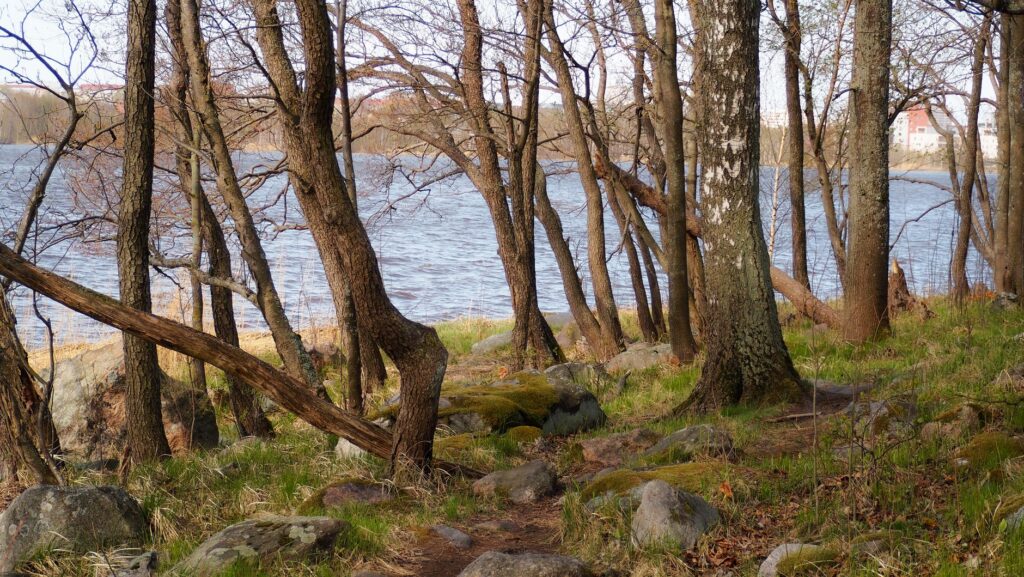
Best time to visit: The summer months (June to August) offer very long days and pleasant temperatures for hiking, while winter (December to February) is ideal for those seeking snow-covered landscapes and traditional Nordic activities.
Accommodation: Options include small rural cottages, traditional rental cabins, and hotel accommodations in the main municipal centers, many integrated into natural surroundings.
Documentation and permits: No special permits are required for general hiking thanks to the public access right, but checking temporary fire bans and nature reserve rules is mandatory.
Local gastronomy: Trying traditional dishes based on lake fish, wild berries foraged from local forests, and game meats prepared with traditional Finnish recipes is highly recommended.
Final Reflection on the Boreal Horizon
Venturing into the forests and trails of Nurmijärvi invites deep introspection and reconnection with the fundamental rhythms of nature. Among centennial pines, silent lakes, and the vastness of the Scandinavian sky, the expedition transcends mere physical exercise to become an act of respect and humility. The austere beauty of Uusimaa reminds us that true adventure lies not in conquering inaccessible summits, but in the capacity to walk with mindfulness, understand environmental limits, and preserve the magic of northern landscapes intact.