
The Peninsula Where the Baltic and the Forest Define Daily Life
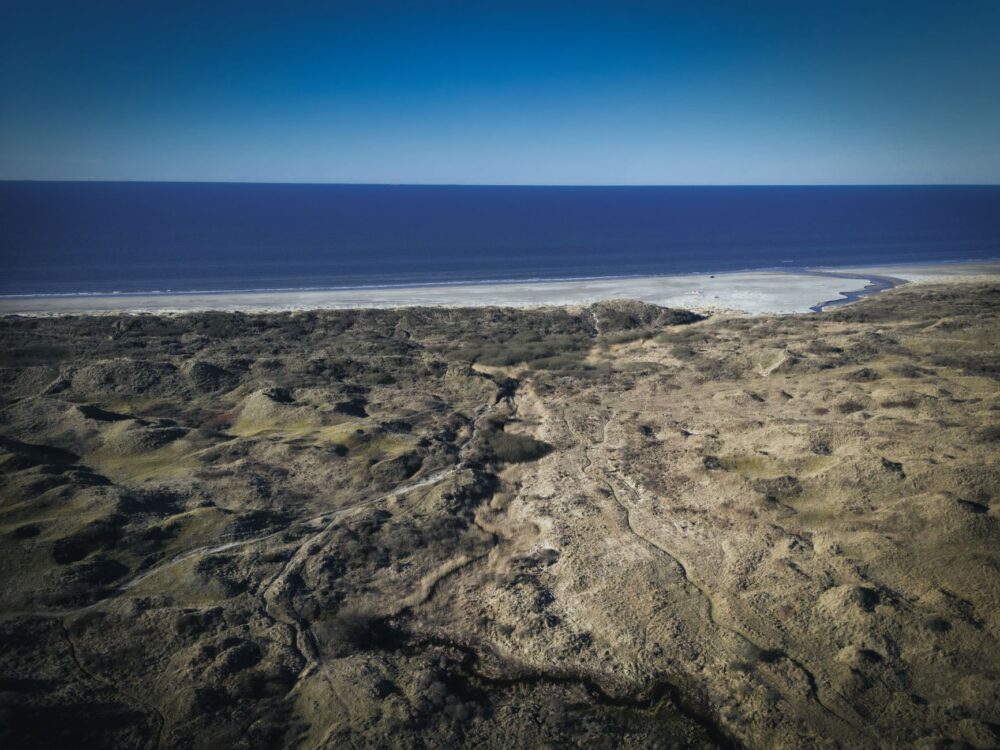
A few short kilometers from the urban bustle of southwestern Finland, the town of Kaarina unfolds across a geography where firm land fragments into minor archipelagos, sheltered bays, and dense coniferous forests. Here, daily life is governed not by the frantic speed of major metropolises, but by the natural rhythm set by the changing seasons, winter ice, and the endless light of summer days. In this coastal setting in Finland, local gastronomy acts as a living archive of community memory, where every available ingredient responds directly to the rigor and generosity of the Nordic landscape.
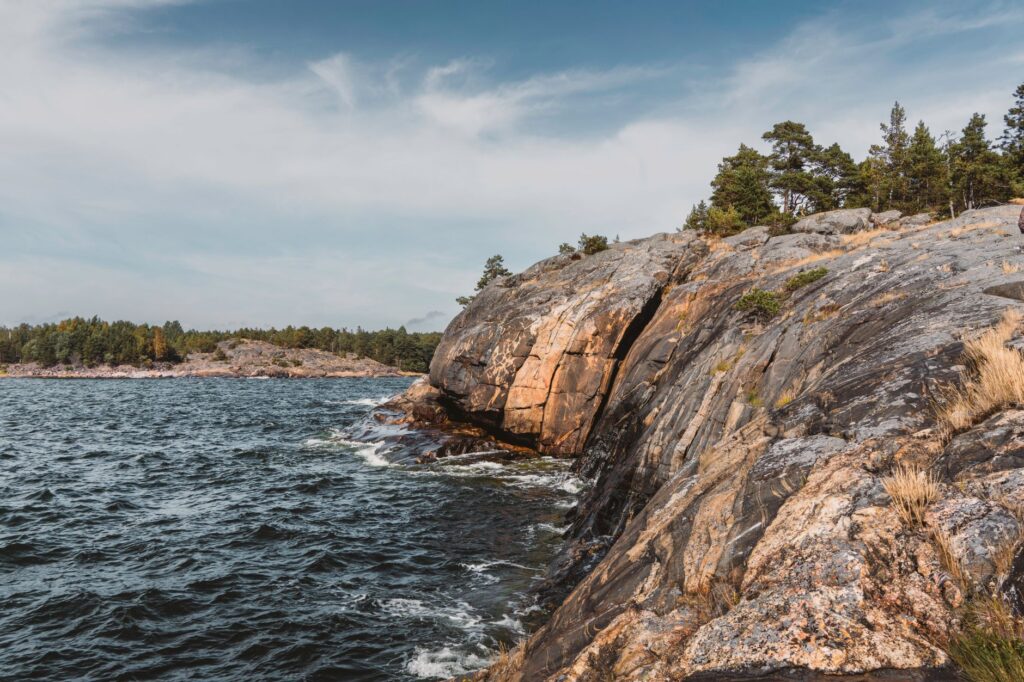
The residents of this littoral zone maintain a close relationship with the brackish waters of the Baltic Sea and the surrounding fields that once belonged to historic manors and small farmers. Strolling along the coastal access routes reveals how culinary traditions are passed down without fanfare, rooted in absolute respect for the natural environment. Kaarina’s cuisine dispenses with unnecessary artifices, prioritizing the freshness of seasonal produce and the intelligent preservation of resources obtained through artisanal fishing and wild foraging—fundamental pillars that have sustained the cultural identity of its communities for generations.
The architectural footprint of the town and its rural outskirts reflects centuries of adaptation to a demanding climate. Dwellings and community spaces have historically been constructed to maximize solar exposure and retain warmth during long freezing spells. This architectural heritage, while modest, underscores a deep-rooted understanding of spatial efficiency. The relationship between indoor shelter and the expansive, often unforgiving exterior landscape shapes the domestic routines of families throughout the changing calendar.
Furthermore, the municipality’s layout encourages pedestrian and non-motorized transit, linking residential pockets directly with commercial squares and natural reserves. This urban planning philosophy aligns seamlessly with the local desire to maintain a tranquil, community-oriented atmosphere. Residents navigate their daily errands amidst a backdrop of native flora and maritime vistas, reinforcing a collective lifestyle anchored in simplicity, environmental stewardship, and a profound connection to the surrounding terrain.
The Morning Pulse at Local Markets and Quays
When the first morning light illuminates the docks and small harbors of Kaarina, commercial activity acquires a measured yet steady cadence. At neighborhood gathering spots and food markets, stalls display recent catches from the day, primarily species adapted to cold Baltic waters such as herring, perch, and pike. These foods mark the beginning of the daily provisioning cycle, where local cooks and residents select produce with the certainty of acquiring genuinely native and sustainable goods.
Conversations between buyers and vendors revolve around weather conditions, water temperature, and forecasts for the following week’s fishing. This daily exchange reinforces the municipality’s social fabric, turning the act of shopping into a ceremony of neighborliness. Far from impersonal big-box stores, Kaarina’s traditional counters foster a model of conscious consumption, where product traceability is guaranteed by the physical proximity between producer and final consumer.
The physical structure of these market spaces encourages unhurried interaction. Stalls are frequently operated by families or small-scale enterprises that have maintained their trade across multiple generations, passing down specialized knowledge regarding the handling and preparation of local catches. This continuity of commerce preserves culinary heritage in its most authentic form, ensuring that traditional recipes remain relevant within modern domestic kitchens.
Beyond seafood, these morning gatherings often feature stalls offering seasonal root vegetables, wild greens, and preserves crafted from homegrown or foraged ingredients. The sensory experience of visiting these markets is defined by the sharp scent of salt air, damp earth, and freshly baked goods, providing an immersive introduction to the sensory landscape of the region.
Rye Bread and the Tradition of the Stone Oven
No analysis of the Finnish pantry would be complete without mentioning the central role occupied by dark rye bread. In the bakeries and homes of Kaarina, sourdough is tended with meticulous care, utilizing whole grain flours that provide a characteristic density and a slightly acidic flavor profile. This bread, baked slowly until achieving a firm and resilient crust, forms the foundation upon which both simple breakfasts and shared family meals are structured during long winter afternoons.
The crafting of rye bread represents an exercise in patience and inherited technique. Local bakers adjust water and cereal proportions according to atmospheric humidity, demonstrating that everyday cooking is also an empirical science adapted to Finland’s climate. Accompanied by local butter and smoked fish, this product encapsulates the essence of the region’s gastronomy: hearty, honest, and deeply tied to the traditional resources of the Baltic soil.
The preparation process often involves communal wood-fired ovens or specialized masonry setups designed to retain intense, steady heat over extended periods. This thermal inertia is crucial for developing the deep caramelization of the starches within the rye dough. The resulting loaves are dense enough to be stored for weeks without losing their core texture, a historical attribute that once ensured food security throughout harsh winters.
Today, while commercial yeast and modern kitchen appliances are widely accessible, many households and artisan bakers stubbornly cling to traditional fermentation methods. This steadfast dedication to time-honored baking practices serves as a tangible link to ancestral culinary customs, ensuring that the distinctive aroma of baking rye remains a defining sensory marker of domestic life in the municipality.
The daily table on the Finnish coast does not seek to impress with excesses, but rather offers shelter, warmth, and the authentic taste of a land sculpted by water and cold.
Forest Foraging: Wild Berries and Mushrooms as Heritage
Beyond the maritime strip, the extensive forests surrounding Kaarina function as an open pantry during the warmer months of the year. With the arrival of summer and autumn, local residents head out to wooded trails equipped with baskets to gather wild blueberries, cloudberries, and a wide variety of edible mushrooms such as saffron milk caps and boletes. This foraging practice, protected by the traditional right of public access to nature, constitutes an inalienable part of Finland’s food culture.
Forest fruits are not only consumed fresh after harvest, but are transformed through traditional preservation methods, such as additive-free freezing, homemade jams, or dehydration. These reserves keep the flavor of the forests alive during the dark months of the year, ensuring a balanced diet that directly connects the biological cycle of the environment with the domestic table of every Kaarina family.
The act of foraging requires detailed botanical knowledge, which is frequently transmitted informally from older generations to the young during weekend excursions into the pine and spruce woodlands. Participants must recognize subtle morphological differences between edible species and their toxic lookalikes, transforming a simple leisure walk into an educational exercise in environmental literacy.
This deep engagement with the forest floor fosters a profound psychological appreciation for natural ecosystems. By actively harvesting what the land freely provides, residents cultivate a heightened awareness of biodiversity conservation. The health of the woodland canopy and the cleanliness of the mossy undergrowth directly dictate the quality and abundance of the annual harvest, creating a vested community interest in local ecological preservation.
Artisanal Fishing and Its Impact on the Family Table
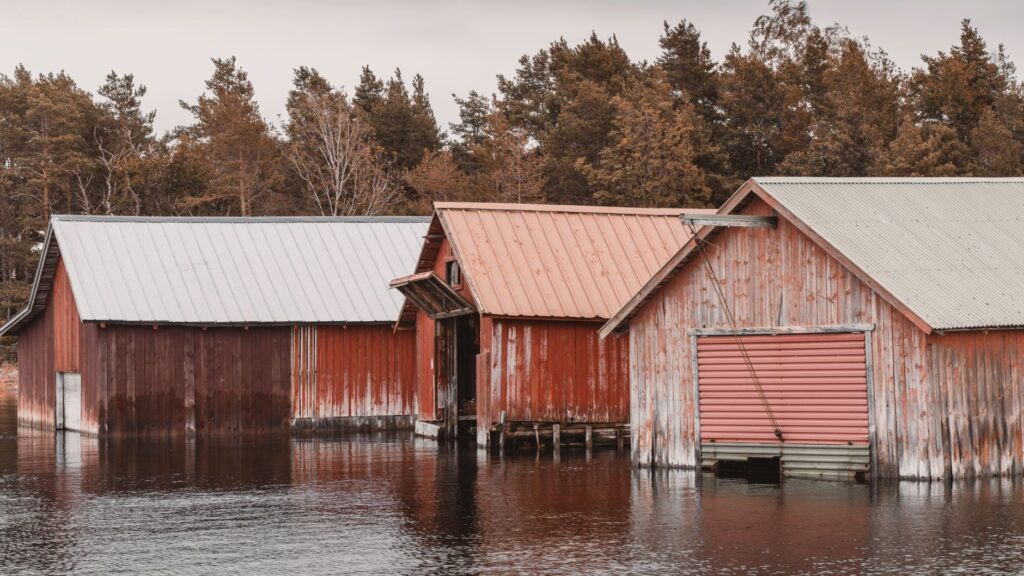
Historical dependence on the Baltic Sea has shaped culinary preparation techniques that prioritize preserving the natural nuances of fish. In Kaarina, methods such as cold or hot smoking using alder wood, as well as curing in light brines, remain active in home kitchens and small artisanal workshops. Fresh fish thus becomes the undisputed protagonist of comforting soups and main dishes that vary subtly according to the time of year and sustainable catch quotas.
This unbreakable bond with fishing ensures that area restaurants and homes operate under criteria of strict seasonality. The temporary scarcity of certain species is not perceived as an inconvenience, but as a reminder of the necessary balance that must prevail between human activity and the regenerative capacity of the marine ecosystem, promoting active ecological awareness among younger generations of residents.
Small-scale net fishing and angling techniques utilized along the shoreline require patience and an intimate knowledge of local hydrographic features, such as underwater currents, rocky outcrops, and shifting shallows. Fishermen read the surface of the water and meteorological shifts to determine optimal deployment times, mirroring the rhythms of generations past.
The resulting culinary preparations are remarkably straightforward, designed to highlight rather than mask the delicate flavors of the marine catch. Soups enriched with cream, potatoes, and dill, or simple fillets gently salted and pan-fried in butter, represent the pinnacle of regional comfort food, deeply satisfying during chilly coastal evenings.
Sustainability and Responsible Choices for the Visitor
Contemporary tourism arriving in Kaarina faces the responsibility of integrating into a fragile ecosystem respected by its inhabitants. The conscious traveler’s choices must align with local practices: prioritizing purchases at small neighborhood shops, strictly respecting leave-no-trace rules in protected natural areas, and valuing the artisanal effort behind each traditional dish. Sustainability here is not a commercial talking point, but a rule of daily coexistence.
Opting to travel on foot or by bicycle along municipal trails, acquiring seasonal produce directly from local markets, and showing respect for the unhurried pace of community life are actions that guarantee a positive tourism footprint. In this way, the visitor ceases to be a mere spectator and becomes a temporary ally in the patrimonial and environmental preservation of this corner of southern Finland.
Responsible travel in this coastal municipality also entails minimizing waste generation and supporting establishments that source their ingredients from nearby waters and fields. By choosing authentic local eateries over standardized dining chains, visitors directly contribute to the economic viability of independent producers, thereby helping to maintain the unique agrarian and maritime character of the region for future travelers.
Furthermore, educational interpretation signs along hiking paths and historical sites provide valuable context regarding the delicate balance of coastal habitats. Engaging thoughtfully with these educational resources allows tourists to gain a deeper understanding of why strict adherence to municipal conservation guidelines is essential for safeguarding local biodiversity.
Visual Closing Against the Archipelago and Evening Light
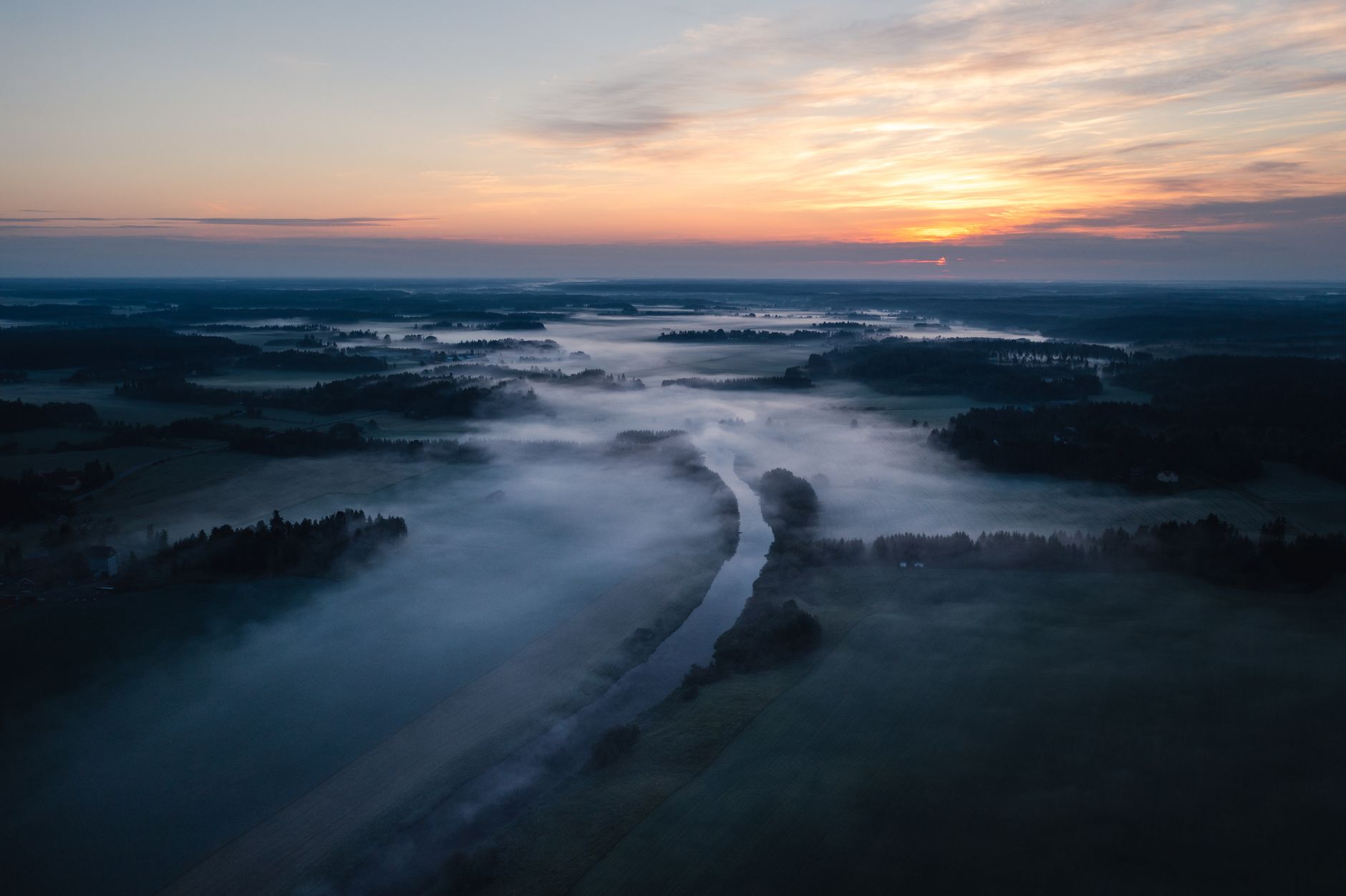
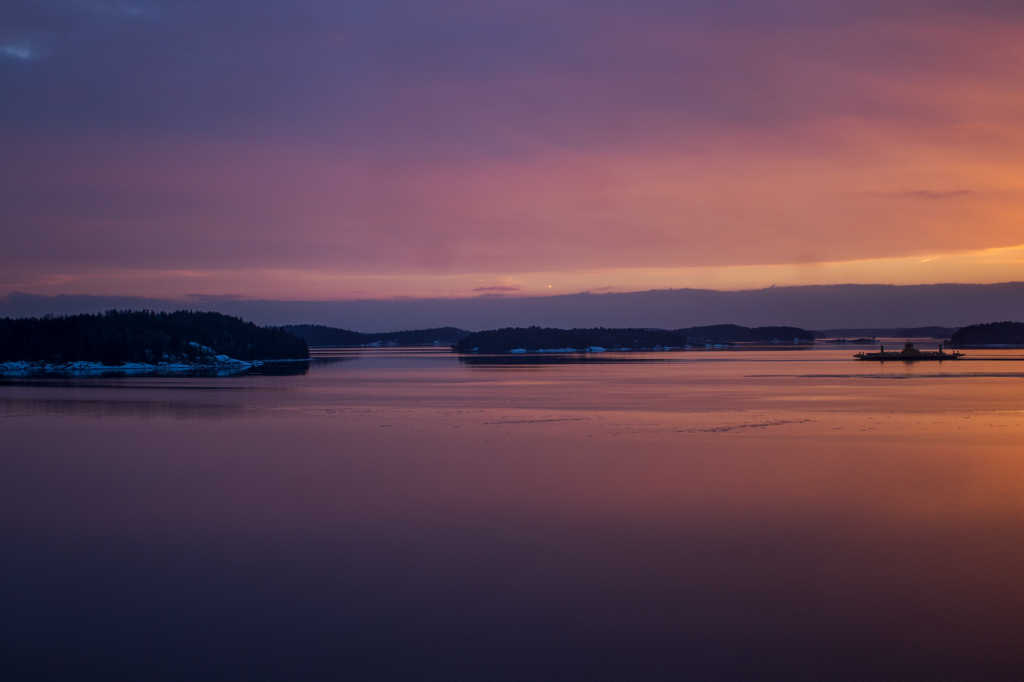
When the afternoon begins to recede over the waters of the Baltic, Kaarina’s landscape takes on amber and bluish tones that reflect softly on the marine surface. On deserted docks and along the edge of silent forests, the atmosphere invites serene contemplation of the surroundings. It is the moment when daily routine quiets down, leaving behind the persistent aroma of rye bread and damp pine, an enduring reminder of the profound identity that defines this coastal community.
The play of twilight across the archipelago creates a tranquil visual transition that signals the end of active commerce and the beginning of quiet domestic evenings. As windows light up along the shoreline, the silhouette of the pine trees stands sharply against the fading northern horizon, offering a timeless tableau of Nordic serenity.
This daily atmospheric shift encourages both residents and visitors to pause and reflect on the unhurried pace of coastal life. The quiet beauty of the setting sun over the brackish waters serves as a natural punctuation mark to the day, reinforcing the deep harmony that exists between human presence and the natural elements in this part of Europe.
Practical guide
How to get there: Kaarina is located in the Southwest Finland region, adjacent to Turku. Main access is typically achieved via Turku Airport or through rail and bus connections from Helsinki, situated less than two hours away by road.
When to visit: Summer months (June to August) offer luminous days ideal for exploring natural trails and open-air markets. Autumn (September and October) is perfect for mushroom foraging and enjoying seasonal gastronomy in a more tranquil atmosphere.
Recommended gastronomy: Essential to try artisanal rye bread, traditional smoked Baltic fish soups, and preparations based on wild berries freshly foraged from the municipality’s forests.
Traveler recommendations: Respect local environmental protection regulations, prioritize direct purchases of produce at neighborhood markets, and use sustainable modes of transport such as bicycles to navigate coastal paths.