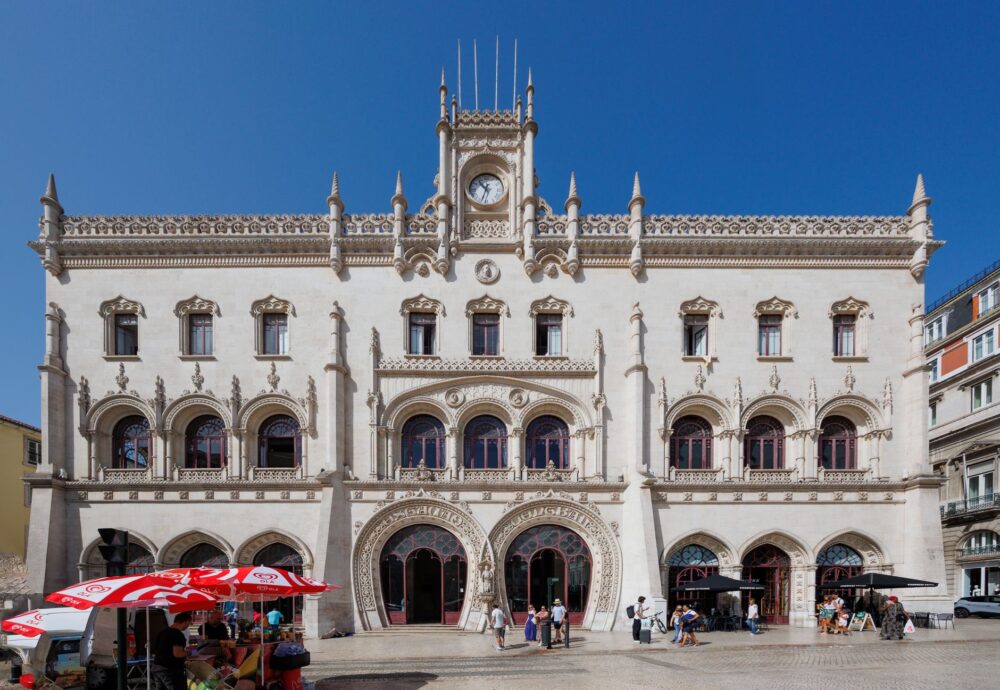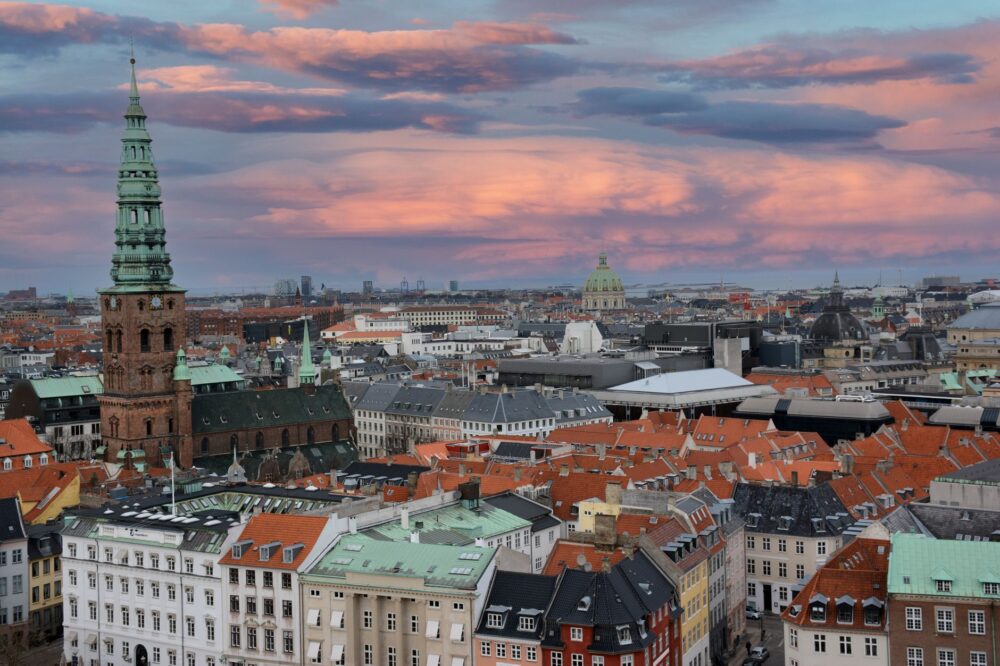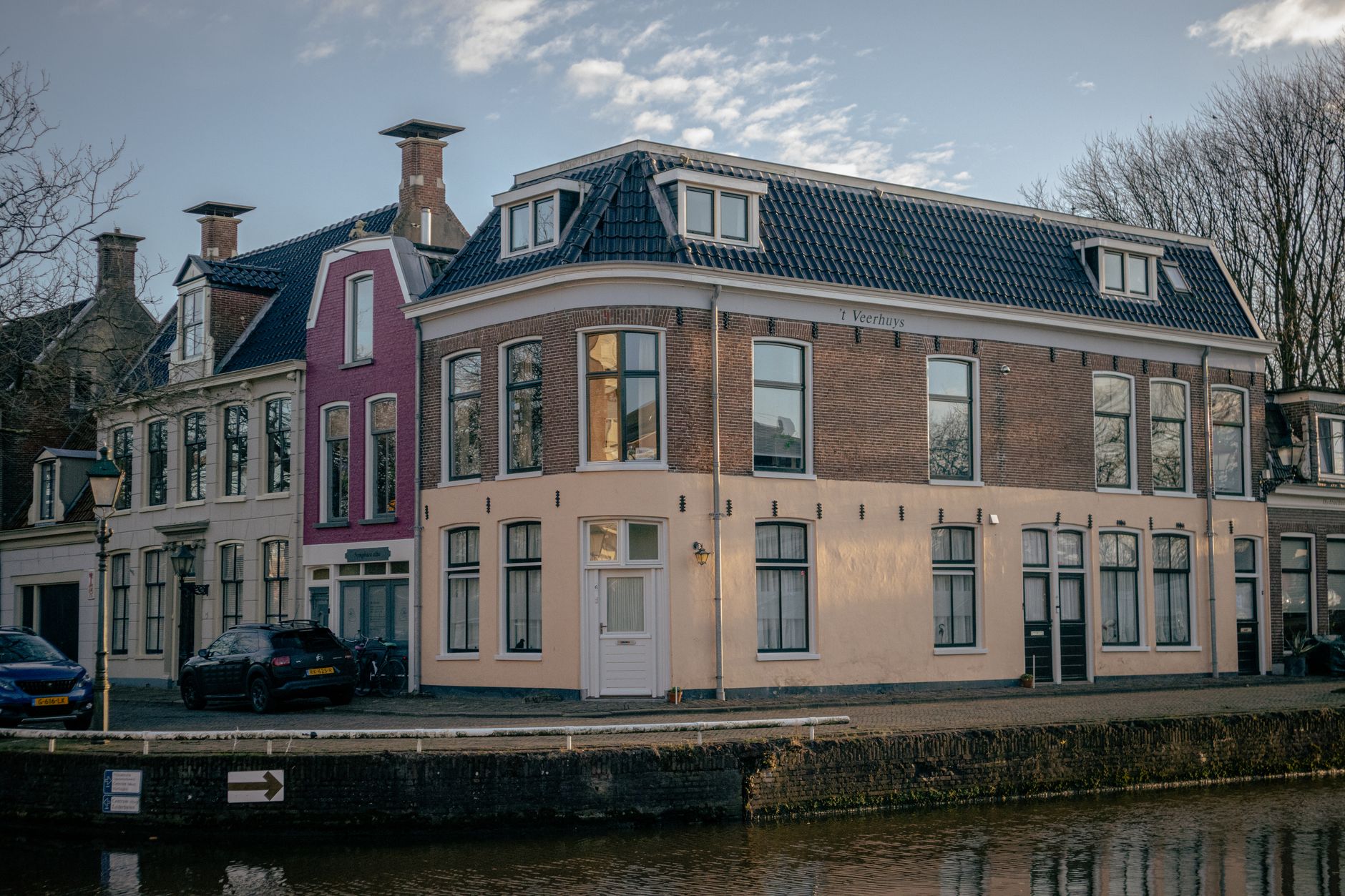

Hengelo unfolds in the east of the Netherlands as a territory where industrial memory coexists with the human scale of its squares and canals. Far from the massive tourist circuit of the large Dutch metropolises, this locality in the province of Overijssel invites visitors to discover a leisurely pace, sustained by neighborhood coexistence and the conversion of its manufacturing past into spaces for collective well-being. Walking through its streets reveals how exposed brick and nineteenth-century iron structures have been integrated into contemporary architecture, offering a living reading of the country’s social history.
The urban transition of Hengelo constitutes a remarkable example of how a community can reinvent itself without losing its roots. The old shipyards and heavy production warehouses, which in the past marked the pulse of the regional economy, now house cultural centers, artist workshops, and co-creation spaces that invigorate daily life. This balance between preservation and modernity shapes an urban landscape where the bicycle remains the natural extension of the citizen, facilitating silent movement that is respectful of the surroundings.
Hengelo also offers a welcoming atmosphere for travelers seeking authentic cultural encounters. The transformation of disused industrial sites into vibrant community hubs allows visitors to immerse themselves in the everyday routines of the local inhabitants. Rather than relying on traditional tourist attractions, the city encourages exploration through its network of public spaces, parks, and local markets where the heritage of the region is palpable in every corner.
Industrial heritage as an urban backbone
The development of Hengelo was inextricably linked to the industrial revolution and the arrival of the railway in the nineteenth century. Textile factories and heavy machinery plants transformed a predominantly agrarian settlement into one of the economic engines of the eastern Netherlands. Today, touring the rehabilitated industrial districts makes it possible to understand the magnitude of that transformation. Red brick chimneys, respected and integrated into the urban layout, act as visual landmarks guiding walkers through the residential neighborhoods.
This material heritage is not viewed merely as a museum vestige, but as an active stage where community life unfolds. The former port warehouses alongside the main canal have recovered their social function, becoming local produce markets and meeting points where neighbors share the day. The industrial architecture of Hengelo demonstrates that the memory of labor does not have to be demolished, but can serve as a solid foundation for building inclusive and sustainable public spaces.
Over recent decades, the municipality has successfully protected the integrity of its most emblematic buildings against the pressure of real estate speculation. Neighborhood associations and cultural collectives have played a decisive role in safeguarding this legacy, proposing alternative uses that benefit the local community. Consequently, old depots and mechanical workshops currently function as incubators for social initiatives, photographic studios, and small independent publishers that enrich the cultural offerings of the Overijssel region without altering residential tranquility.
Furthermore, educational tours focusing on industrial archaeology allow visitors to appreciate the technical achievements of the past while understanding the social impact they had on generations of workers. These initiatives foster a deeper appreciation for the region’s history, encouraging visitors to look beyond the surface and engage meaningfully with the local heritage.
Green courtyards and urban biodiversity refuges
Amid the fabric of brick and asphalt, Hengelo unfolds a network of parks and green corridors that soften urban density. Plantsoen, a historic park located near the center, functions as the green lung where local families gather during weekends. Centuries-old tree species provide shade and shelter for local birdlife, turning this space into a privileged observatory of the seasonal cycle in the Netherlands.
The landscaping design of these enclaves prioritizes soil permeability and the natural retention of rainwater, aligning with the most demanding ecological guidelines of the region. Urban canals, flanked by strips of native vegetation, act as biological corridors connecting the urban core with the surrounding fields of Overijssel. This respect for nearby nature fosters an environmental awareness deeply rooted in the inhabitants, who actively participate in the maintenance of community urban gardens.
Likewise, the incorporation of green roofs in some of the new municipal buildings and the care of interior courtyard gardens help mitigate high summer temperatures. These small landscape interventions demonstrate that green infrastructure does not require vast extensions to be effective, but rather detailed planning that integrates biodiversity into the daily lives of the people inhabiting the municipality.
Visitors strolling through these green areas can observe how urban planning in the Netherlands increasingly prioritizes ecological balance and sustainability. Benches crafted from recycled materials invite quiet contemplation, while informational signs educate passersby on the local flora and fauna. This harmonious blend of nature and city life provides a tranquil retreat for anyone looking to escape the bustle of larger urban centers.
The weekly market and the local gastronomic pulse
The commercial and social heart of Hengelo beats strongly at its weekly market, set up in the main square opposite the town hall. This exchange space brings together local producers, regional horticulturists, and neighbors seeking fresh, seasonal ingredients. Stalls offer everything from artisanal cheeses from the eastern countryside to traditional bakery specialties, reflecting a culinary culture based on simplicity, quality, and food traceability.
Everyday gastronomy in Hengelo avoids artifices and relies on comforting recipes adapted to the temperate climate of northern Europe. In traditional taverns and neighborhood cafes, simple dishes made with root vegetables, thick soups, and braised meats accompany the unhurried conversations of diners. This culinary pause represents a fundamental moment in the day, where time seems to slow down to foster human encounters and the oral transmission of local stories.
The unconditional support of residents for proximity markets guarantees the continuity of small agricultural holdings in the province. By buying directly from those who cultivate the land, consumers avoid kilometer-long supply chains and strengthen the circular economy of the municipality, ensuring that the culinary traditions of the region endure from generation to generation without unnecessary intermediaries.
For the traveler, participating in the market ritual offers a genuine taste of local culture. Sampling regional delicacies while chatting with vendors provides insight into the agricultural traditions that have sustained the community for decades. This direct interaction reinforces the connection between visitor and destination, turning a simple grocery trip into a memorable cultural experience.
The bicycle culture and the human scale of movement
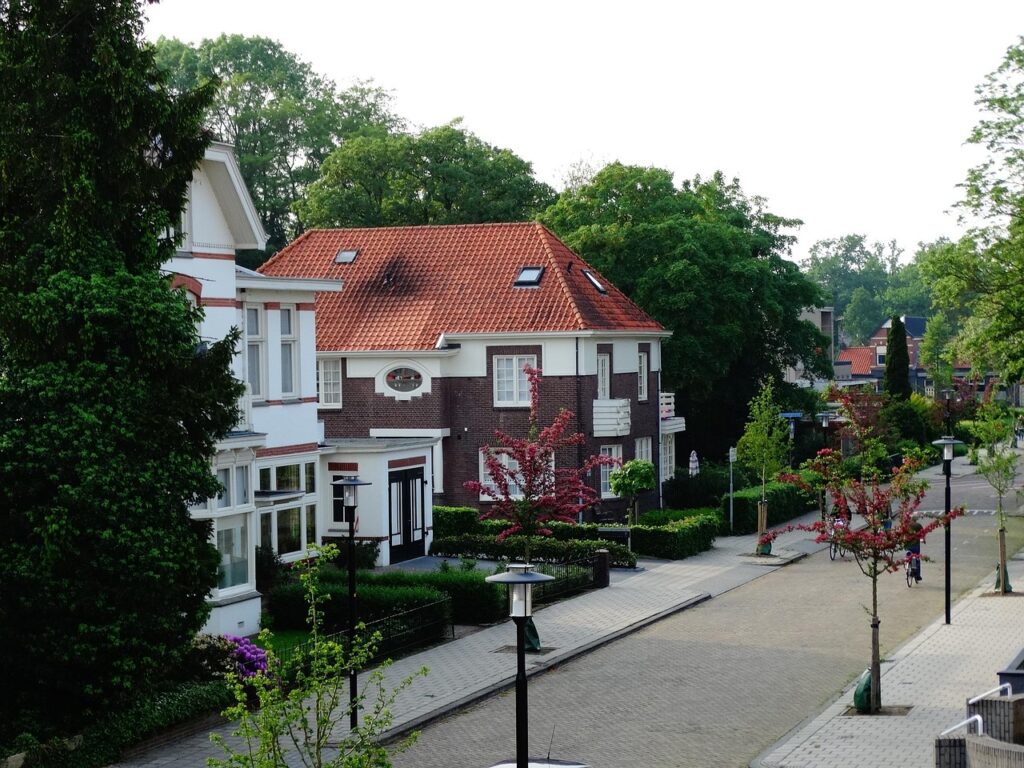
Getting around Hengelo is an exercise in fluidity and safety thanks to its cycling infrastructure network, perfectly integrated into the layout of streets and avenues. The bicycle is not perceived here as a mere alternative means of transport, but as the core articulator of urban mobility. Segregated lanes, intuitive signage, and pedestrian priority zones ensure that both residents and visitors can navigate the city without the tension associated with motorized traffic.
This prioritization of two-wheeled travel directly influences the perception of urban space. When cycling at a moderate speed, the traveler can appreciate minor architectural details, greet local merchants, and perceive changes in the atmosphere of each neighborhood. The human scale of Hengelo favors spontaneous interaction rarely experienced in hyper-connected megacities, consolidating a tourism model respectful of neighborhood tranquility.
The massive use of bicycles has also transformed the soundscape of the locality, replacing the roar of engines with the constant murmur of tires on asphalt and the occasional bell of cyclists. This silent atmosphere invites contemplation and allows visitors to enjoy the urban environment with a much more relaxed perspective, fully conscious of the needs of other pedestrians.
Travelers renting a bicycle immediately unlock the ability to explore hidden alleys and peripheral parks that remain inaccessible by car. This mode of transport encourages slow travel, allowing visitors to pause whenever something catches their eye, thereby fostering a deeper connection with the rhythm of daily life in the Netherlands.
Contemporary art in the public space
Beyond its industrial past, Hengelo houses a notable collection of artistic interventions integrated into urban furniture and main squares. Abstract metal sculptures, large-format murals on rehabilitated partition walls, and interactive fountains constantly converse with passersby. These pieces are not isolated in museums, but form part of the everyday setting, stimulating aesthetic curiosity and fostering civic debate regarding the meaning of art within the community.
The integration of these creative expressions reflects the municipal commitment to the visual quality of the environment. Local and national artists have found in Hengelo an open canvas to experiment with industrial materials and organic forms, paying homage to the city’s metallurgical tradition. Touring these artistic points of interest constitutes an alternative itinerary enriching the cultural understanding of the municipality beyond its conventional attractions.
The presence of these open-air works democratizes access to culture, turning a simple neighborhood walk into an enriching aesthetic experience. Children play around sculptural installations and the elderly rest in their shade, integrating art into social dynamics without formal barriers or restrictive entry fees.
Art walks organized by local cultural groups offer visitors deeper context about the sculptures and murals scattered throughout the city. These tours highlight the stories of the artists and the community’s response to public art projects, demonstrating how creativity serves as a unifying force in the urban fabric of Overijssel.
Sustainability practices and responsible visitor choices
Tourism in Hengelo is founded on principles of sustainability and low environmental impact, inviting travelers to adopt an active role in preserving the environment. Local authorities promote the use of accommodations certified with ecological seals, consumption in local shops, and participation in environmental volunteer activities for cleaning riverbanks and parks. The responsible visitor is one who understands that their presence must harmoniously integrate into the pre-existing rhythm of the community.
The true value of a journey lies in the ability to observe without altering, to understand local dynamics from a place of respect, and to value the collective effort sustaining the daily life of a welcoming community devoid of artifice.
This conscious approach ensures that the flow of visitors does not disrupt social cohesion or saturate public spaces within the locality. By opting for extended stays and travel on foot or by bicycle, the traveler contributes to the local economy in a balanced way, supporting independent projects and reducing the carbon footprint associated with conventional tourism.
Commitment to sustainability also extends to waste management and energy saving in accommodations throughout the historic center. Tourists are encouraged to separate their trash correctly and use water rationally, demonstrating that ecological responsibility is a shared duty between those temporarily inhabiting the territory and those residing there permanently.
Educational workshops and sustainability seminars occasionally offered to visitors provide further insight into how the town minimizes its ecological footprint. Engaging with these programs allows travelers to return home with practical ideas for sustainable living, transforming their holiday into a transformative learning experience.
Practical guide
How to get there: Hengelo boasts an excellent direct railway connection from Amsterdam, Utrecht, and Enschede, facilitating access without the need for a private vehicle.
When to go: The spring and summer months (from May to September) offer optimal temperatures and a greater variety of outdoor activities and seasonal markets.
Where to stay: Small boutique hotels located in rehabilitated industrial buildings within the historic center and its surroundings are highly recommended.
Internal mobility: Bicycle rental is available at the central station and various points throughout the city; the bike lane network covers the entire municipality.
Recommended gastronomy: Taste local dairy products at the weekly market and dine in market-cuisine bistros situated alongside the old canals.
Responsible tip: Respect neighborhood resting hours and support neighborhood commerce to foster a sustainable circular economy during your stay.