
The Heritage of a City Woven Through Oven Aromas
At the heart of the North Brabant province in The Netherlands, the town of Tilburg unfolds a daily life where its industrial textile past intertwines with a vibrant culture of local goods. Far from conventional tourist routes, this Dutch corner maintains a leisurely rhythm in its squares and neighborhood markets, where regional farmers, artisanal bakers, and residents converge every morning in search of seasonal ingredients. Tilburg’s identity cannot be understood without its capacity for reinvention: the former woolen mills that drove its economy during the 19th and 20th centuries have given way to cultural hubs and gastronomic spaces that revalue local products.
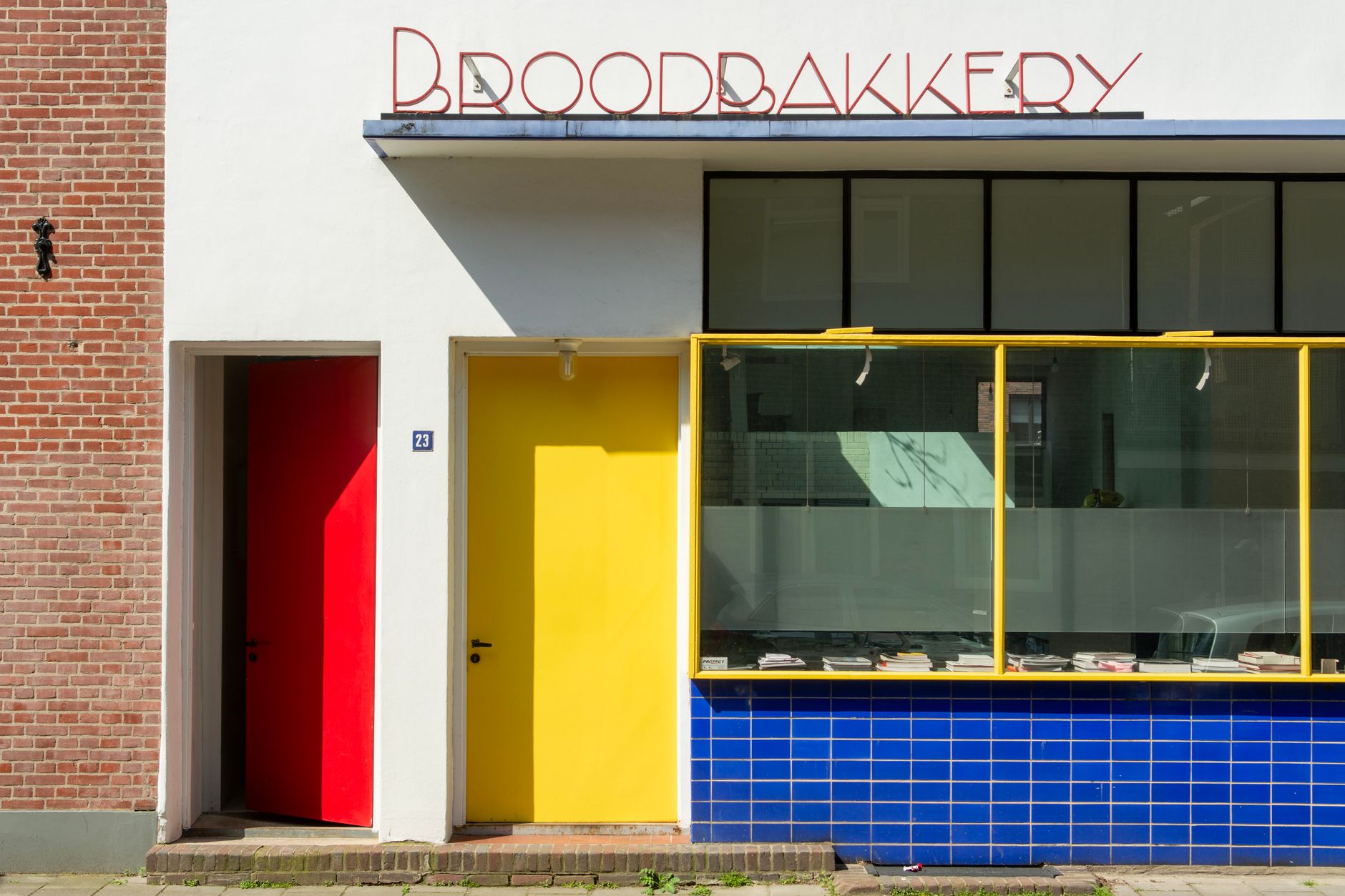
The city’s daily pulse begins before dawn, when the ovens of traditional bakeries ignite to prepare local specialties such as the brabants worstenbroodje, a protected culinary emblem consisting of a delicate pastry roll filled with seasoned minced meat. This product, deeply rooted in local family customs, reflects a way of understanding gastronomy based on simplicity, raw material quality, and the warmth of the home. Open-air markets, strategically distributed in neuralgic points such as Koningsplein or Vrijthof, act as the true circulatory system of the community, where commercial exchange directly dialogues with the collective memory of its inhabitants.
Urban Markets as Neighborhood Meeting Points
Strolling through Tilburg’s stalls on a weekday reveals how consumption habits have evolved toward greater sustainability without losing traditional essence. Farmers from surrounding municipalities offer root vegetables, Brussels sprouts grown in clay soils, and a select variety of cheeses produced on family farms across Brabant. Here, the weekly shopping trip is not a mere logistical procedure, but a social ritual where recipes are exchanged, weather conditions are discussed, and the quality of local harvests is evaluated.
The relationship between citizen and food is supported by transparency. Local shopkeepers know the exact origin of each batch of vegetables, fruits, and dairy products, fostering a short supply chain that minimizes environmental impact and supports the rural economy of the southern Netherlands. This direct connection strengthens the community fabric and ensures that traditional dishes continue to be made with authentic ingredients.
Tilburg’s market is the mirror where the city recognizes its agrarian past and its commitment to a more conscious and sustainable future.
In these spaces, the small producer takes on an essential role, reminding us that behind every family table lie hours of labor in the fields surrounding the urban boundaries.
Land Traditions and Seasonal Pantry
Everyday cooking in this municipality is governed by the seasonal calendar. During the colder months, market stalls fill with robust root vegetables, pumpkins, and apples that star in traditional stews and comforting soups. In spring and summer, the offer transforms with the arrival of wild berries and fresh herbs gathered in the parks and green areas bordering the town, such as the vast natural landscape of De Loonse en Drunense Duinen. This duality between the urban environment and the surrounding natural spaces defines the culinary character of its residents.
Local restaurants and cafes have successfully integrated this seasonal philosophy into their menus, opting for dishes that change according to market availability. Area chefs collaborate closely with local agricultural cooperatives to recover forgotten recipes and adapt them to the contemporary demands of a clientele increasingly conscious of the origin of what they consume. This synergy between farmers, restaurateurs, and consumers consolidates Tilburg as a benchmark for responsible consumption in The Netherlands, proving that tradition and innovation can coexist in harmony.
Architectural Heritage Converted into Culinary Space
One of the most fascinating aspects of life in Tilburg is the reuse of its industrial heritage. Former factory complexes, such as the iconic Spoorzone area next to the train station, have transformed into vibrant centers of gastronomic and social activity. Where large volumes of wool were once handled, artisan bakeries, independent breweries, and covered markets promoting sustainable eating now stand. This architectural conversion respects the original exposed brick structure and large iron windows, creating a unique visual contrast that enriches the visitor experience.

Walking through these rehabilitated spaces makes it clear how the city has transformed its identity without erasing the traces of its working-class history. High ceilings and spacious industrial halls now house gastronomic projects that prioritize waste reduction, community composting, and the use of renewable energy.
The true wealth of Tilburg lies in its capacity to transform industrial brick into the home of a fairer, closer food culture.
This urban transformation demonstrates that heritage is not merely a reminder of the past, but an active platform to build community in the present.
Coffee Culture and Artisanal Pastry
Among the most rooted daily customs in Tilburg is the ritual of coffee accompanied by local pastry products. Specialty cafes and traditional tea rooms coexist on the cobbled streets of the center, offering a cozy refuge against the region’s variable climate. In these establishments, the morning or afternoon pause is sacred; residents gather to converse, read, or simply observe the comings and goings of the city while enjoying specialties like the Brabantse koffiebróodje or butter cookies made with recipes passed down through generations.
This artisanal sector meticulously cares for every detail, from selecting fair-trade coffee beans to using flours ground in traditional windmills across the province. Tilburg’s pastry making avoids mass industrial processes, opting for long fermentations and manual techniques that guarantee unmistakable textures. By consuming these products in neighborhood cafes, the visitor participates in a living tradition that values time, patience, and the know-how accumulated over decades of local history.
Sustainability and Responsible Visitor Choices
For those visiting Tilburg, adopting a responsible approach means integrating into the daily dynamics of its residents. Using the bicycle as the primary means of transport not only facilitates movement through its extensive network of bike lanes, but significantly reduces the traveler’s ecological footprint. Likewise, opting for locally managed accommodation and consuming from small businesses ensures that tourism spending directly benefits the community economy, avoiding overcrowding in public spaces.
Local authorities and neighborhood associations actively promote initiatives so that tourism acts as an engine for cultural and environmental preservation. Participation in traditional cooking workshops, guided tours of urban gardens, and direct purchasing at weekly markets is encouraged. In this way, the visitor ceases to be a mere spectator and becomes a conscious actor who respects coexistence rules and values the collective effort required to keep the region’s gastronomic heritage alive.
Practical guide
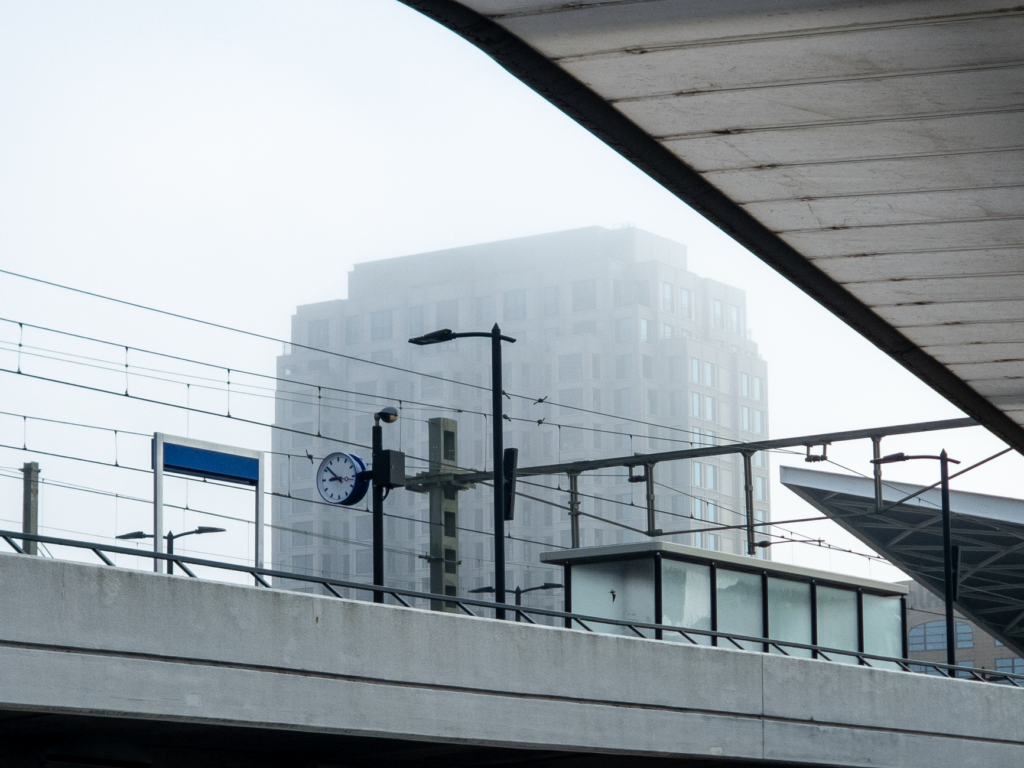
How to get there: Tilburg features excellent rail connections from Amsterdam, Rotterdam, and Utrecht. The central station is located just a few minutes’ walk from the historic center and main urban markets.
When to visit: Spring and summer offer pleasant temperatures and greater activity in open-air markets, although autumn stands out for the richness of seasonal products in local restaurants.
Where to shop: The Koningsplein market is held several days a week and is ideal for acquiring fresh Brabant produce; Saturdays also feature specialized stalls in the center.
Specialties to try: Be sure to sample the traditional brabants worstenbroodje at local artisanal bakeries and pastries made with farm butter.
Getting around: The best way to explore the city is by bicycle, taking advantage of the extensive network of adapted lanes and the flat terrain.
Accommodation: Choosing small boutique hotels or sustainably managed apartments located in rehabilitated areas such as the Spoorzone is highly recommended.
Memory and Future at the Brabant Table
The journey through Tilburg’s culinary identity reveals a community that has successfully protected its roots while embracing the challenges of the 21st century. From street markets to former industrial complexes converted into sustainable workshops, every corner of this Dutch city tells a story of resilience, labor, and love for honest produce. The Brabant table remains an unalterable meeting point where the textile past and contemporary gastronomy continue to weave the future of its people.