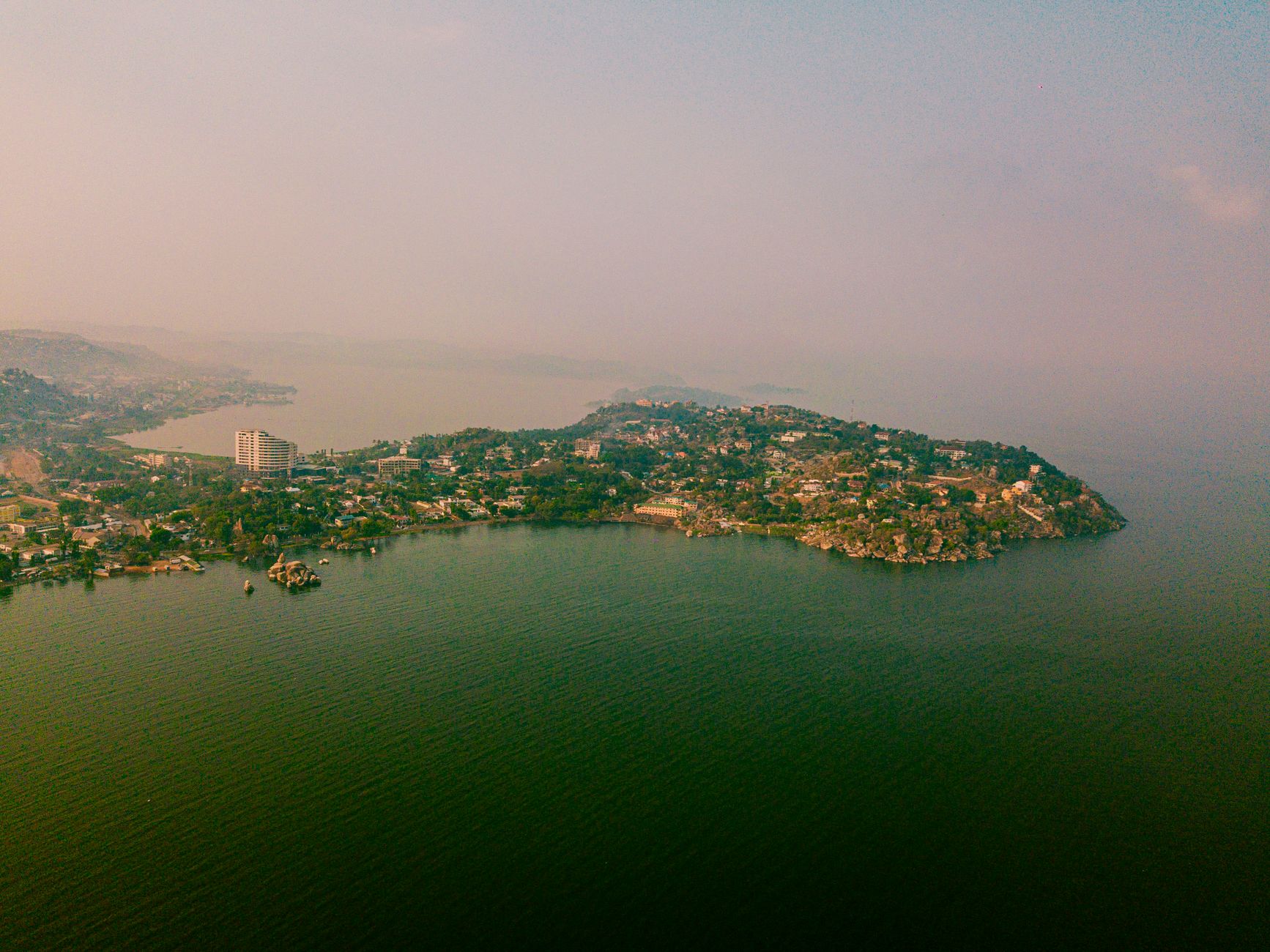

On the southwestern shore of the vast body of water that defines much of East Africa, a vibrant locality rises where rolling topography and a constant breeze set the coordinates of daily existence. Bukoba, situated in the Kagera region of Tanzania, serves as an administrative and cultural hub of profound historical significance for the country, home to a community exceeding one hundred and forty thousand residents according to official geographic records. This enclave combines the generosity of an equatorial climate tempered by an altitude of roughly eleven hundred and fifty meters above sea level with a dense web of human interactions rooted in subsistence farming and local commerce.
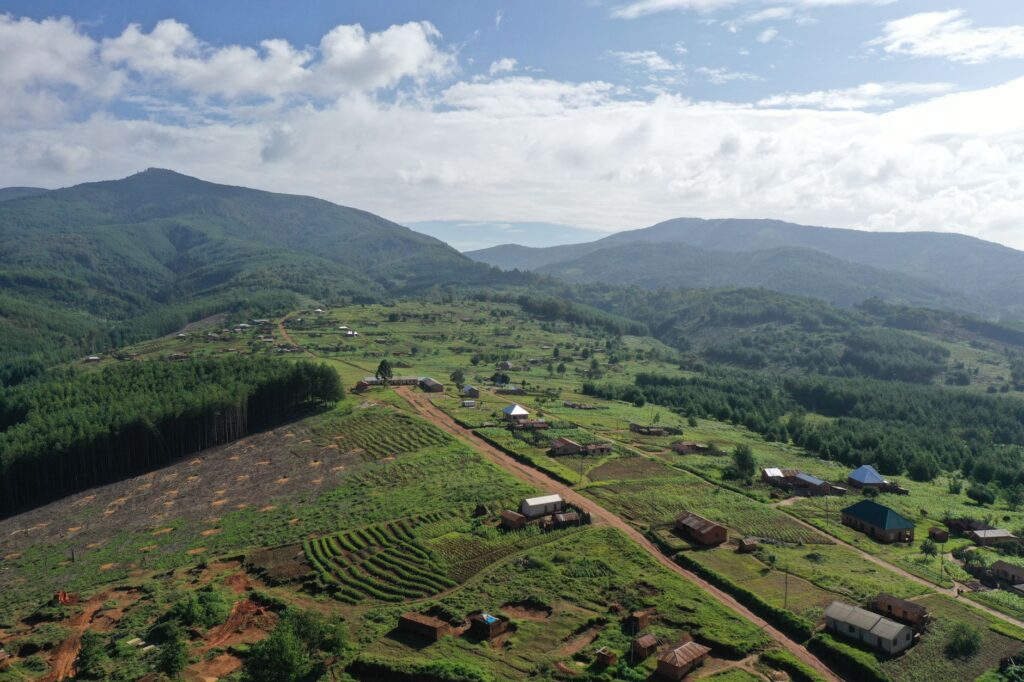
The urban and peri-urban layout of this territory responds directly to its natural setting. The green hills that slope gradually down to the waters of Lake Victoria not only create a visually striking landscape but also structure daily commutes, food markets, and the commercial exchange routes connecting the population with the wider administrative region. Understanding this environment requires looking beyond mere touristic transit and delving into the social fabric that gives purpose to each day in northwestern Tanzania.
The Rhythm of Water and Inland Navigation Routes
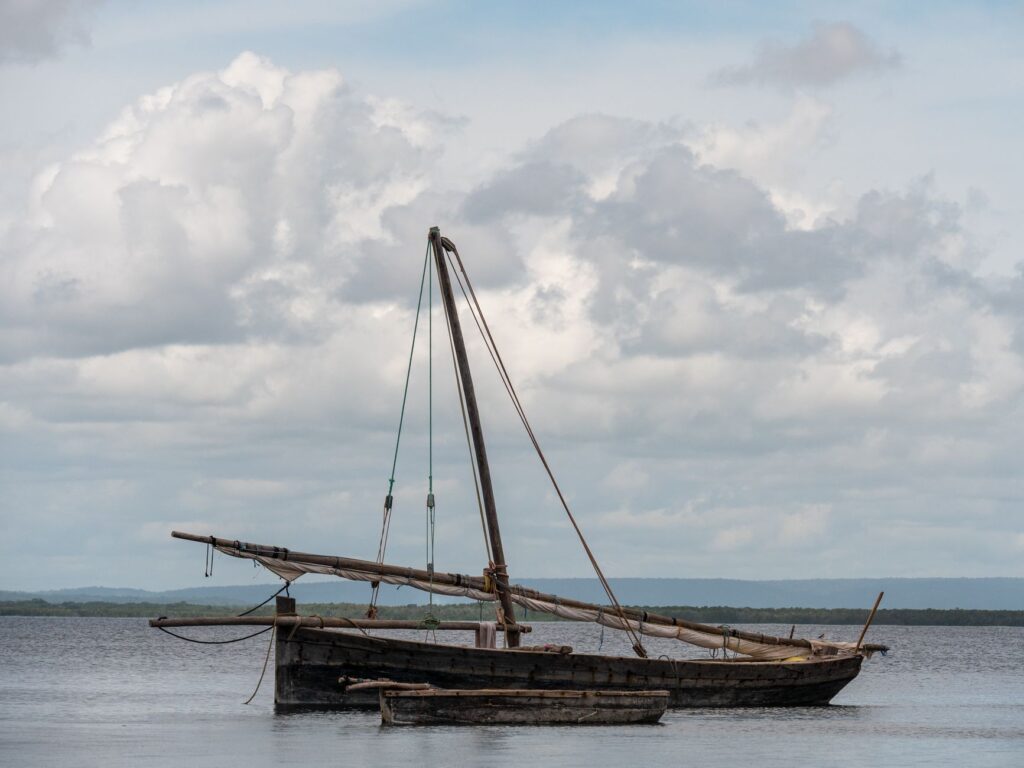
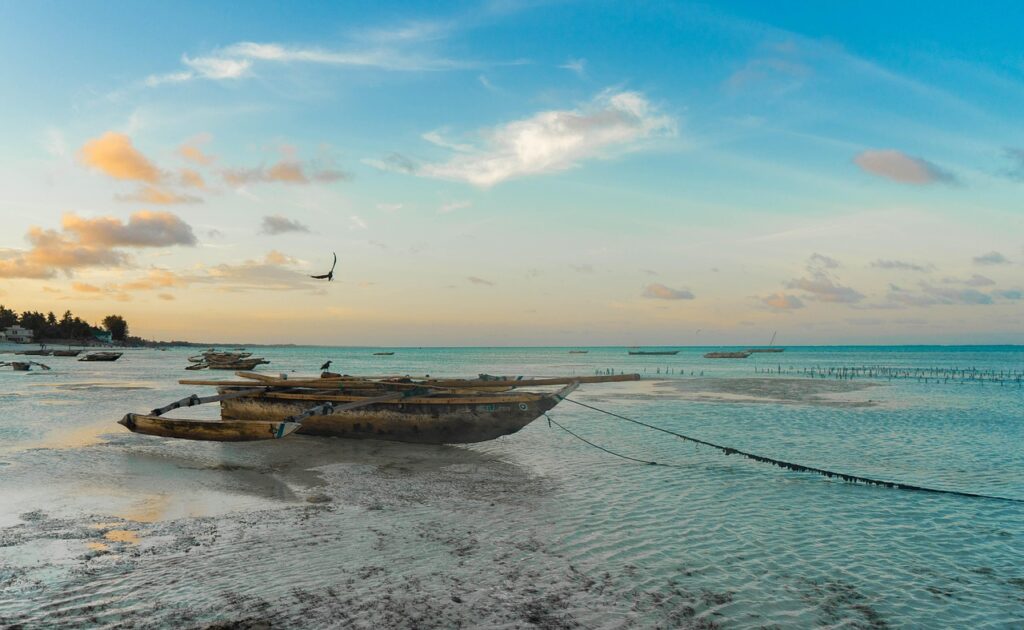
The bond between the local population and Lake Victoria forms the backbone of the regional economy and the mobility of goods and people. Watercraft regularly docking at the city piers transport everything from agricultural goods harvested on fertile hillsides to essential consumer items arriving from other lakeside urban centers. This port activity, far from being a mere logistical resource, represents a space for socialization where fishers, merchants, and transporters converge in a continuous flow of economic activity.
Lake navigation is governed by rhythms dictated by meteorology and water conditions, requiring local operators to possess a profound understanding of currents and seasonal winds. Mornings typically begin with the activity of small wooden boats returning from fishing grounds, their catches immediately supplying open-air markets. This daily exchange consolidates a self-sufficient system where product freshness and close proximity between producer and consumer guarantee the economic viability of numerous local families.
Traditional Architecture and the Refuge of Local Materials
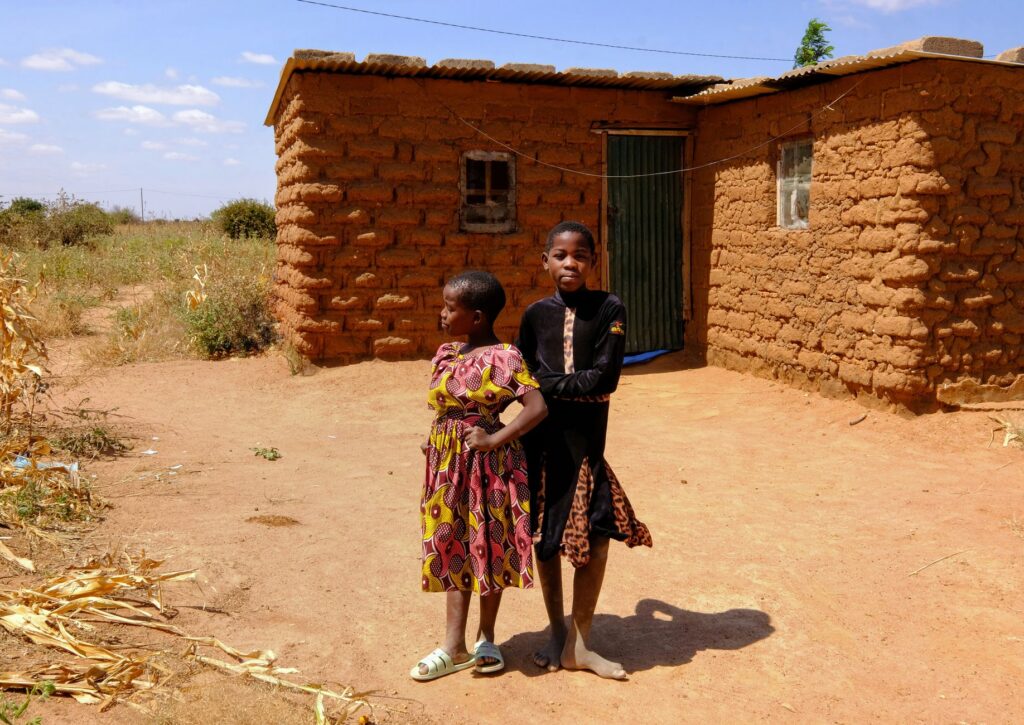
As one ventures into residential neighborhoods and the surrounding rural areas, the traditional architecture of the Kagera region reveals construction solutions adapted to available resources and the tropical climate. Dwellings combine sturdy timber structures with corrugated metal roofs or plant fibers, designed specifically to channel frequent rainfall and provide adequate thermal insulation against high daytime temperatures. Single-family homes are typically surrounded by small kitchen gardens and fruit trees that offer shade and supplementary sustenance.
This constructive model contrasts subtly with public administration buildings and commercial shops in the urban center, where masonry walls and cement finishes of a more recent influence predominate. Nonetheless, the integration between both urban styles remains harmonious, reflecting a gradual transition from traditional lifestyles toward a measured modernity. The use of local materials not only reduces the environmental impact of transporting heavy supplies but also preserves artisanal know-how passed down through generations among local carpenters and builders.
The Central Market as an Epicenter of Commerce and Sociability
Daily bustle finds its highest expression in the open-air markets and the city’s central market, where the fruits of the earth cultivated on surrounding hills are traded. Bananas, cassava, maize, and coffee occupy vendor stalls in an orderly arrangement facilitating the movement of buyers and sellers alike. These commercial spaces act as intergenerational meeting points where local news is discussed, seasonal prices are fixed, and agricultural surpluses are negotiated.
The presence of coffee deserves special mention due to its historical importance in the agrarian economy of the Kagera region. Small local farmers meticulously tend the plants in family plots, applying cultivation techniques that respect the clay composition of the soil and ambient humidity. Manual harvesting and subsequent sun-drying form part of a meticulous agricultural process supporting family livelihoods and imparting a characteristic aroma around collection and trade points.
Respect for local identity and an understanding of community rhythms are the most valuable tools for any traveler seeking a genuine connection with the living heritage of this African territory.
Life in the Hills and Community Organization
Beyond commercial hustle, the hillsides surrounding the urban core shelter rural communities where social organization relies on mutual aid and traditional leadership structures. Families collaborate during planting and harvesting periods of high agricultural activity, optimizing available human resources within each clan. This neighborhood solidarity ensures community resilience against unforeseen climatic or economic fluctuations.
Red dirt paths winding between hills are constantly traversed on foot or by bicycles laden with goods, connecting remote villages with essential city services. Along these routes, local schools and community health centers represent fundamental pillars for human development, fostering bilingual education in Swahili and English while promoting general well-being practices among younger families.
Cultural Heritage and the Transmission of Knowledge
The cultural richness of Bukoba manifests in its oral tradition, popular music, and community celebrations marking milestones in the agricultural and familial calendar. Community elders play a crucial role as guardians of historical memory, passing down tales of clan origins, ancient trade routes, and the evolution of farming techniques around Lake Victoria to younger generations. This intergenerational transmission strengthens a sense of belonging and social cohesion.
Furthermore, local craftsmanship stands out through fine basketry and carved wooden utensils made from raw materials harvested sustainably in local forests and woodlands. These utilitarian and decorative objects reflect a functional aesthetic valuing durability and formal simplicity over superfluous artifices, consolidating a material heritage complementing the region’s intangible wealth.
Visitor Responsibility Toward Living Heritage
Tourism in this region of Tanzania demands an ethical and conscious approach from those arriving from other territories. The preservation of cultural authenticity and the protection of the fragile lakeside ecosystem depend largely on visitor behavior. Minimizing ecological footprints, respecting resident privacy in residential areas, and purchasing goods directly from local artisans are indispensable practices for fostering truly sustainable development.
Tour operators and local guides promote educational itineraries prioritizing respectful contact with communities and the appreciation of natural heritage without altering inhabitants’ daily lives. In this way, the traveler becomes an active and respectful observer, capable of appreciating the social complexity and sober beauty of an environment maintaining its African authenticity intact.
Practical guide
- How to get there: Main access to the city is achieved by road from Mwanza or via Bukoba Airport, served by regular connections from Dar es Salaam and other national points.
- Climate and best time to visit: Temperatures remain stable year-round, hovering around twenty-five degrees Celsius. Drier periods facilitate travel across hills and rural paths.
- Currency and payments: The official currency is the Tanzanian shilling. Carrying cash in local currency is recommended for transactions in traditional markets and small shops.
- Official language: Swahili is the predominant language in daily life and commerce, while English is utilized within administrative spheres and tourism services.
- Code of respect: Requesting permission before photographing individuals or private property is essential, showing consideration for the privacy of local residents.
Ultimately, the journey through this corner of Tanzania invites a rediscovery of the value of unhurried time, the importance of water as a unifying element, and the dignity of a community advancing with steady steps among its green hills and the infinite horizon of Lake Victoria.