
Fukuoka and Its Strategic Position in Northern Kyushu
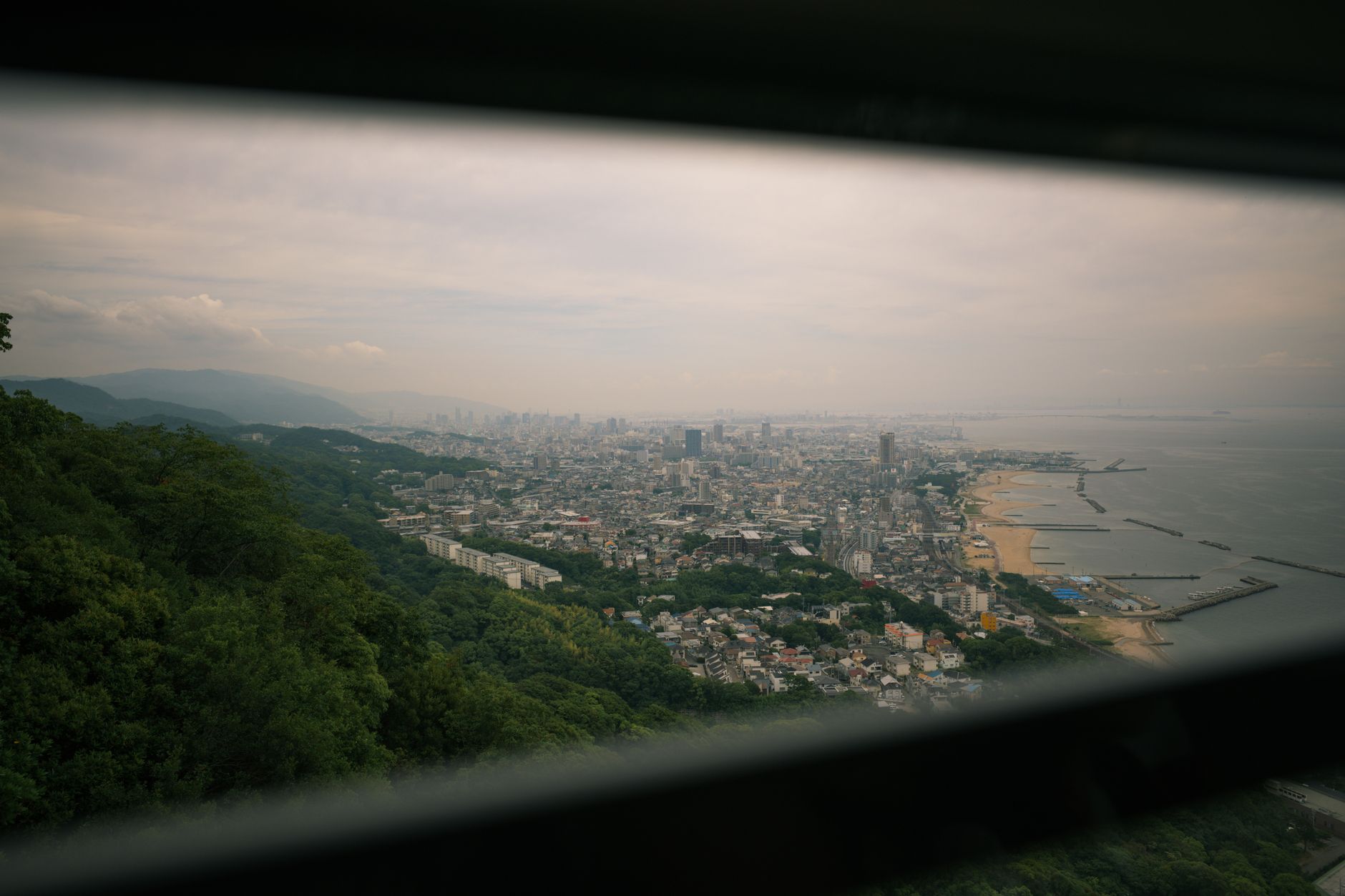
Located at the northern tip of the island of Kyushu, the city of Fukuoka unfolds as a strategic enclave where historical commerce and contemporary modernity coexist in seamless harmony. With a population exceeding 1.6 million residents, this coastal metropolis has managed to preserve a pace of life that balances the hustle and bustle of its commercial districts with the serenity of its public spaces and its proximity to the Genkai Sea. Its geography, characterized by a low average elevation of just three meters above sea level, facilitates fluid urban mobility and a direct connection between residential neighborhoods and port zones.
The urban layout of Fukuoka reflects centuries of administrative and demographic evolution. From its origins as a mercantile and defensive center to its consolidation as the seat of the prefecture bearing the same name, the locality has maintained a distinct identity that sets it apart from other large urban centers in the Japanese archipelago. Unlike the hyper-dense agglomerations of the Kanto region, space here is experienced with greater openness, allowing both residents and visitors to transition naturally between modern architecture and the vestiges of its feudal past.
Historical Heritage and the Memory of Hakata
To understand the cultural depth of Fukuoka, it is essential to explore the district of Hakata, the historical heart that lends its name to one of the city’s most deeply rooted stations and traditions. The streets of Hakata preserve the memory of ancient Buddhist temples and Shinto shrines that for centuries served as points of contact between Japan and the Asian mainland. Here, traditional timber architecture intersperses with contemporary buildings, demonstrating a unique ability to honor the past without halting the course of modernity.
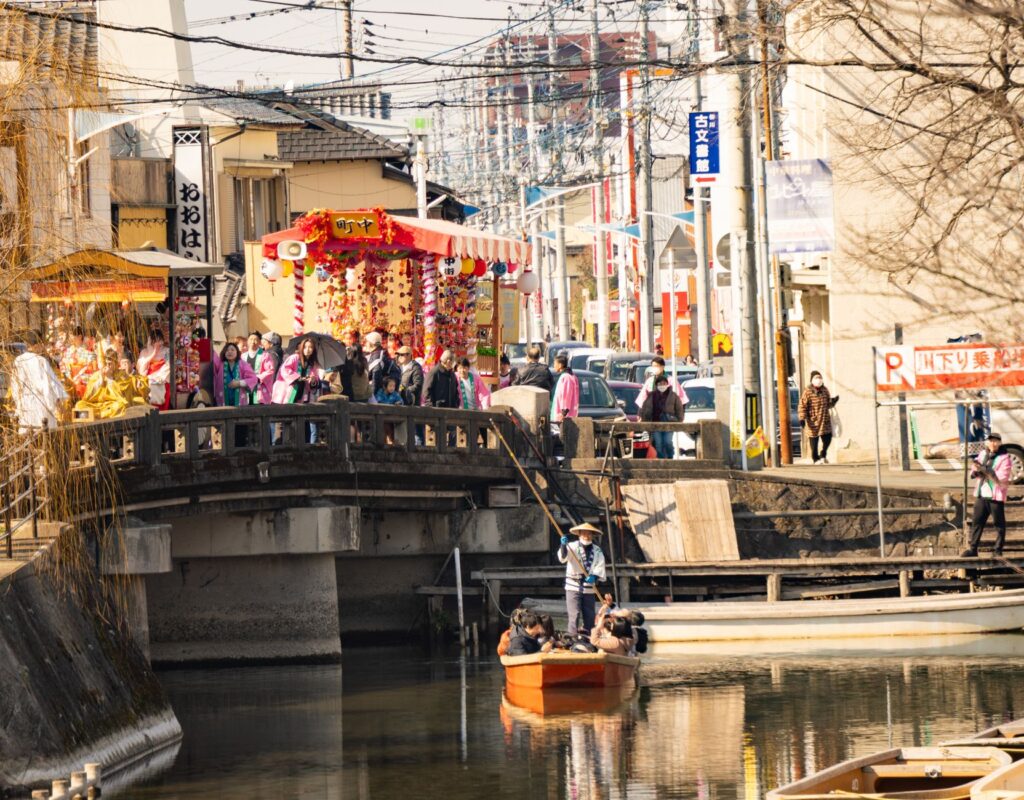
Traditional festivals, such as the well-known Hakata Gion Yamakasa, mobilize entire neighborhoods in an annual display of community cohesion and respect for ancestral rituals. These events are not mere tourist attractions, but genuine expressions of local identity passed down from generation to generation. The active participation of residents in the conservation of their temples and artisanal crafts ensures that the city’s intangible heritage remains as vibrant as its busy commercial avenues.
Daily Life in Public Spaces and Markets
The daily pulse of Fukuoka is clearly perceived in its traditional markets and the lively atmosphere of its squares and parks. Unlike strictly monumental circuits, the true essence of the city is discovered by walking through its residential neighborhoods, where small family-run shops and street food stalls keep local culinary customs alive. These spaces act as intergenerational meeting points, strengthening the community’s social fabric.
Local gastronomy, especially renowned for its dense broth ramen noodles and seafood specialties, reflects the generosity of the surrounding coast. Food markets offer fresh daily produce, evidencing a direct relationship among fishers, farmers, and everyday cooking. Respect for seasonal ingredients is a fundamental pillar at the Fukuoka table, where every dish tells a story of adaptation to the region’s natural and marine environment.
Urban Mobility and Sustainability in the Archipelago
Transport management and mobility in Fukuoka stand out for their efficiency and focus on urban sustainability. The subway network, combined with urban bus lines and high-speed rail connections, allows for rapid and orderly movement throughout the entire prefecture. This infrastructure not only facilitates the daily commutes of workers and students but also reduces reliance on private vehicles, lowering environmental impact in a densely populated area.
Additionally, urban planning includes the preservation of green corridors and coastal parks that act as lungs for the city. Municipal policies encourage bicycle use and the design of wide sidewalks, promoting an active and eco-friendly lifestyle. The integration of modern transport infrastructure with natural recreation areas guarantees the quality of life for its inhabitants in the face of metropolitan growth challenges.
Traditional Commerce and Local Craftsmanship
Beyond large commercial areas, Fukuoka retains a network of artisanal workshops and century-old shops dedicated to textiles, ceramics, and traditional utensils. Hakata-ori weaving, known for its intricate geometric patterns and use in ceremonial attire, represents the pinnacle of manual skill in the region. Local artisans continue to use traditional looms, preserving techniques that require years of apprenticeship and dedication.
This artisanal sector not only sustains the economy of small family units but also educates new generations in the value of fine craftsmanship. Local authorities support the commercialization of these native products, ensuring that visitors can acquire authentic pieces whose origin and manufacturing process are fully traceable and respectful of ethical and environmental regulations.
Harmonious Relationship with the Marine and Fluvial Environment
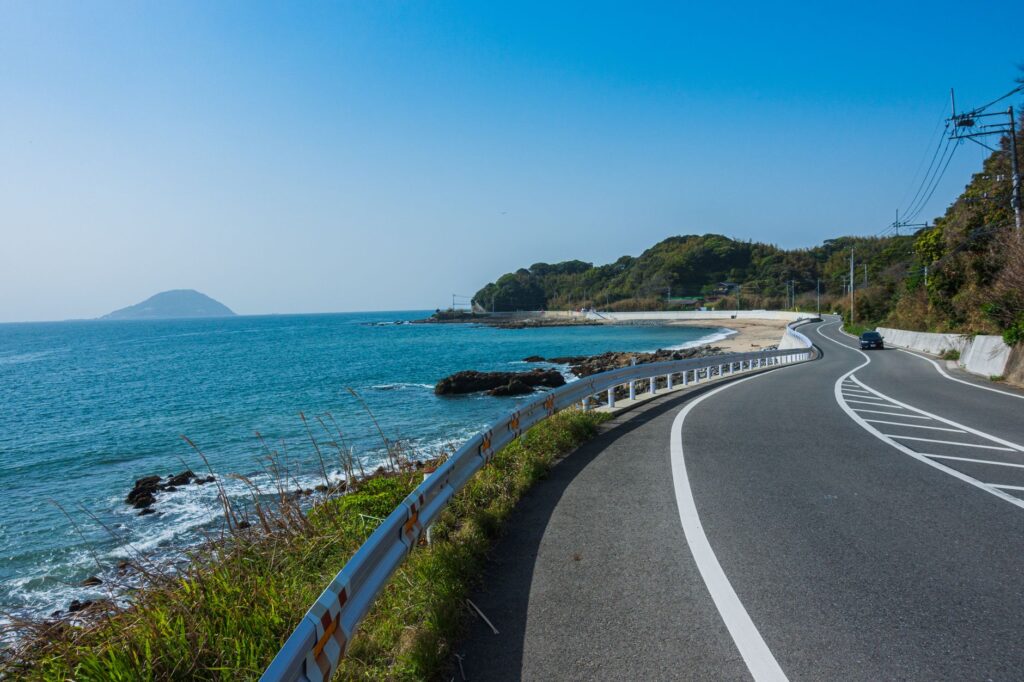
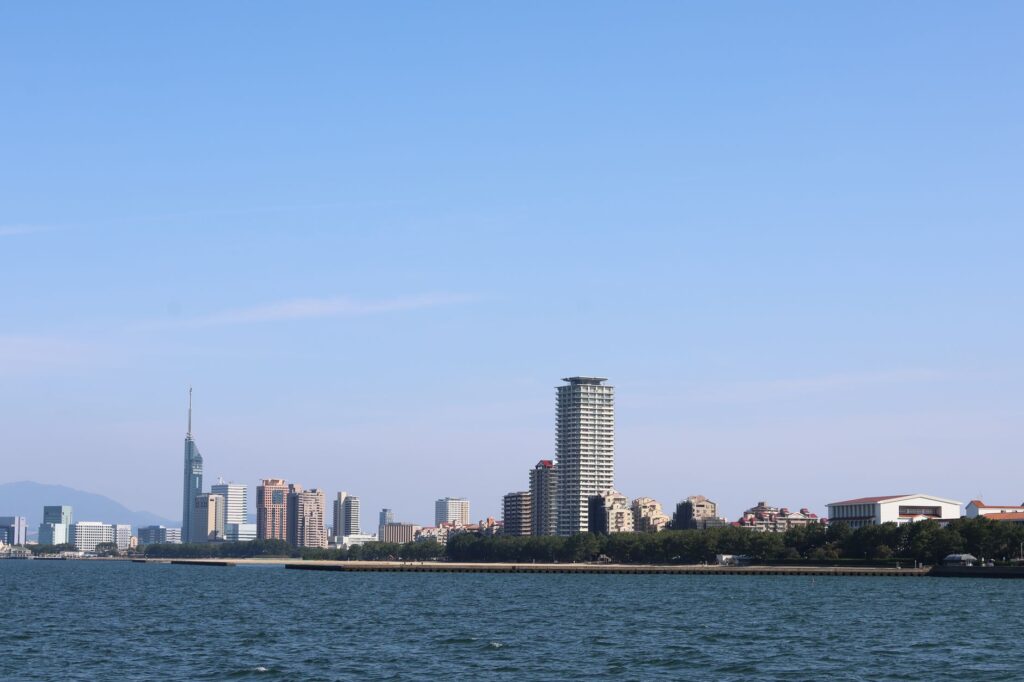
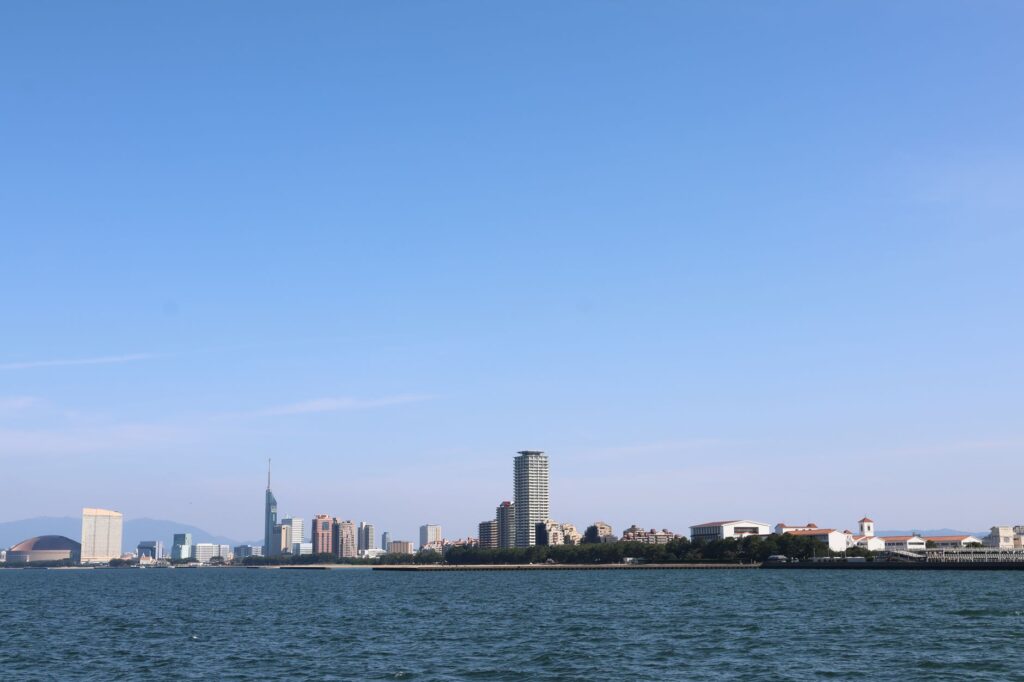
The geography of Fukuoka is intimately tied to water, from Hakata Bay to the rivers winding through the urban fabric. This proximity to the sea has historically determined the seafaring vocation of its inhabitants, as well as the development of port infrastructures connecting the island of Kyushu to the rest of East Asia. Coastal promenades and waterfront parks offer citizens a recreational space to enjoy the marine landscape and sunsets over the horizon.

The conservation of these aquatic ecosystems is a constant priority for institutions and neighborhood associations. Periodic cleaning and protection initiatives for marine and river fauna are carried out, ensuring that urban development does not compromise the environmental health of the bay.
Protecting the natural environment is essential to preserving the coastal identity that has defined Fukuoka since its origins.
In this way, the city demonstrates that economic growth is possible without turning its back on the sustaining environment.
Responsible Tourism Practices in the Metropolis
The steady influx of international visitors to Fukuoka poses new challenges in terms of tourism management and neighborhood coexistence. To mitigate the negative impacts of mass tourism, local organizations promote guidelines aimed at respecting civic rules, supporting small neighborhood businesses, and utilizing public transportation. Travelers are advised to prioritize certified accommodations that meet energy efficiency and waste management standards.
Likewise, responsible travelers must show sensitivity toward local customs, especially in sacred precincts and during traditional festivals. Maintaining respectful behavior, avoiding overcrowding in popular areas, and consuming products from local suppliers help ensure that tourism in Fukuoka remains an enriching and sustainable activity for both the host community and its visitors.
Practical guide
Practical guide for planning an informed stay in Fukuoka:
- How to get there: Fukuoka Airport (FUK) is located just minutes from the urban center and features excellent subway and bus connections. It is also accessible via the Shinkansen high-speed rail network from other major Japanese cities.
- Urban transport: The integrated network of subways and city buses allows for highly efficient movement. Travelers are advised to purchase rechargeable transport cards like Hayakaken to expedite payments on all routes.
- When to visit: Spring (March to May) and autumn (September to November) offer mild temperatures and highly favorable weather conditions for exploring the city on foot.
- Accommodation: Opting for hotels certified with sustainable practices or traditional ryokans managed by local families ensures a more authentic and environmentally respectful experience.
- Gastronomy and markets: Visit traditional street food stalls known as yatai and local markets, ensuring consumption of locally sourced and seasonal products.
- Civic rules: Strictly respect guidelines regarding waste management, public smoking prohibitions, and behavioral norms in temples and shrines.
Final Reflection on Fukuoka’s Urban Pulse
Fukuoka stands as a destination where tradition and modernity do not compete, but rather enrich one another through the daily lives of its people. From the historical richness of its districts to the efficiency of its urban mobility and commitment to sustainability, the city offers a profound and authentic perspective on life on the island of Kyushu.
Walking through its streets reveals a model of coexistence where respect for heritage and the natural environment guide the path toward the future.
An enduring reminder that large metropolises can also maintain a human scale and a deep sense of community.