
The Caribbean Breeze and First Contact with the Canton
Located on the Atlantic coast of Costa Rica, the city of Limón unfolds as a territory where tropical humidity and marine expanses shape every aspect of daily life. With an average elevation barely exceeding twenty-nine metres above sea level, this port town serves as the capital of the province of the same name. As travelers walk through its streets, they notice that the urban layout follows an old logic, marked by constant proximity to the water and the influence of migratory currents that over centuries have blended Afro-Caribbean, indigenous, and mestizo traditions. Dawn, which usually arrives shortly after five in the morning, illuminates an urban grid where painted wooden facades coexist with more recent concrete structures.
The geography of the area features a flat coastal strip that quickly gives way to gentle hills covered in dense vegetation. Far removed from the hustle and bustle of the Central Valley, life in Limón flows at a pace set by the ebb and flow of tides and the cadence of a vernacular language combining Spanish with Limonese Creole. Public squares, shaded by almond and palm trees, act as intergenerational meeting points where neighbors converse in the afternoon shade. This community fabric, forged through coexistence with a warm and rainy climate, sustains a distinct identity that resists being reduced to a mere commercial transit stop.
Urban Layout and Architectural Heritage
The design of the main streets reflects nineteenth-century planning adapted to port needs and export trade. Regular city blocks facilitate pedestrian movement, allowing observers to notice unique architectural details, such as wide corridors and gable roofs designed to ventilate interiors during the hottest months. The preservation of these historic buildings constitutes one of the region’s greatest urban challenges, as marine salinity and heavy rainfall demand constant maintenance that local administrations and private owners face with limited resources.
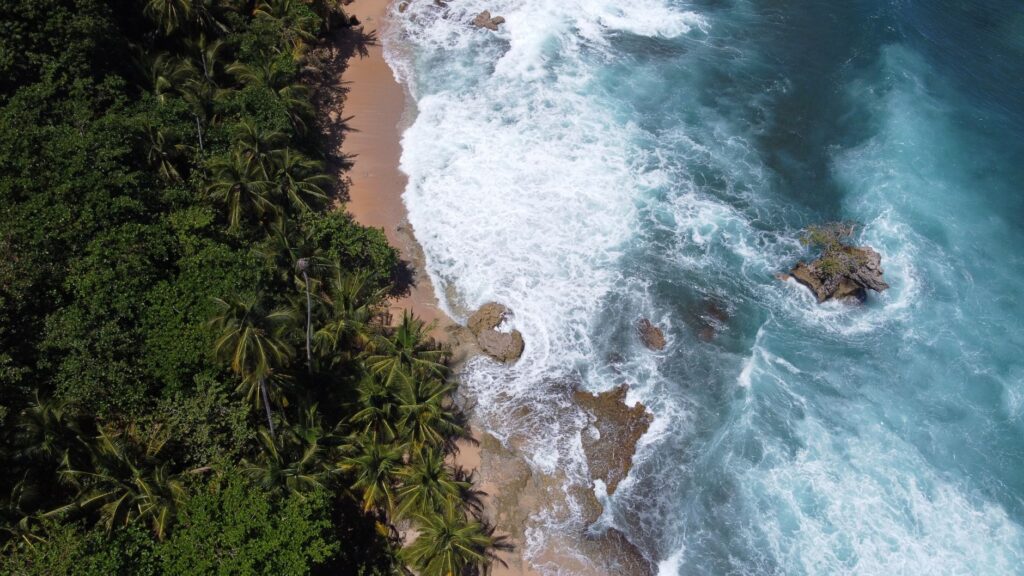
Unlike other cities in the country, downtown Limón maintains a very direct visual relationship with the Atlantic Ocean. Several alleys and avenues abruptly end in small seawalls or basalt rocks where waves crash. At these points, architecture yields all prominence to the marine landscape, creating a fluid transition between the inhabited space and the blue horizon. Residents use the edges of these thoroughfares to set up small artisan shops and grocery stores offering local products, integrating commercial activity into the daily routine of the neighborhoods.
Daily Mobility and Local Transport
Getting around Limón and its surroundings involves understanding a transport system adapted to both the urban grid and the surrounding rural communities. Local bus routes connect the center with peripheral neighborhoods and coastal villages of the canton, operating with frequencies that respond to peak labor and school demand. Bicycle use remains a common alternative for short trips, especially in the flatter areas near the coast, where the topography favors this ecological and accessible mode of transportation.
For those seeking to explore the administrative and natural boundaries of the municipality, transport terminals offer regular connections to the south and north of the province. These land communication routes are essential not only for passenger transport but also for supplying local markets. Road infrastructure, despite being challenged by the intense rainfall of the Caribbean slope, remains operational through continuous drainage and paving work, ensuring the integration of rural communities into the canton’s economic dynamics.
Markets and the Caribbean Larder
The municipal market and surrounding street stalls represent the economic and sensory heart of the city. Here, agricultural produce reflects the richness of the region’s alluvial soils, where plantains, yuca, tubers, and a wide variety of tropical fruits are cultivated. Local merchants serve regular buyers with a friendly approach, sharing traditional recipes and recommendations on the optimal ripeness of each ingredient. This space is not merely a center for commercial exchange, but a living archive of Limonese culinary memory.
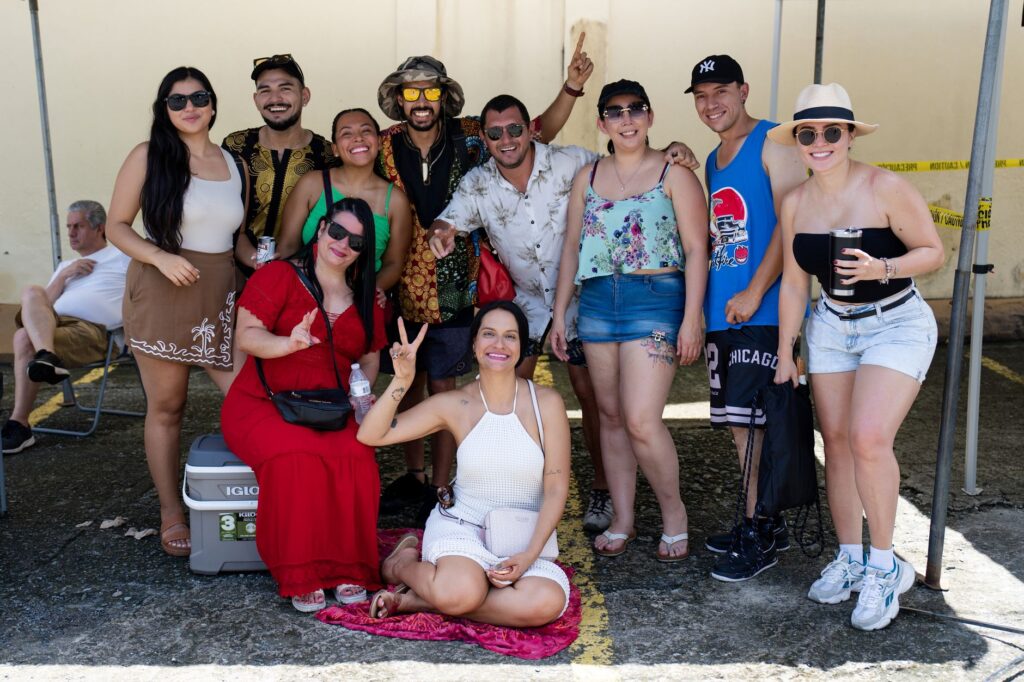
The flavor of Caribbean cuisine is the result of an uninterrupted dialogue between fertile land and open sea, where every recipe preserves the history of those who came to stay.
In local eateries and restaurants, visitors can sample emblematic dishes prepared with coconut milk, Panamanian chili, and spices that identify local gastronomy. Caribbean-style chicken and rice, rondons made with fresh fish, and crispy patacones form part of a daily diet honoring the biodiversity of the surroundings. The freshness of marine ingredients, caught by artisanal fishermen in nearby waters, guarantees a culinary quality that attracts both residents and travelers interested in regional authenticity.
Coastal Promenades and Urban Green Spaces
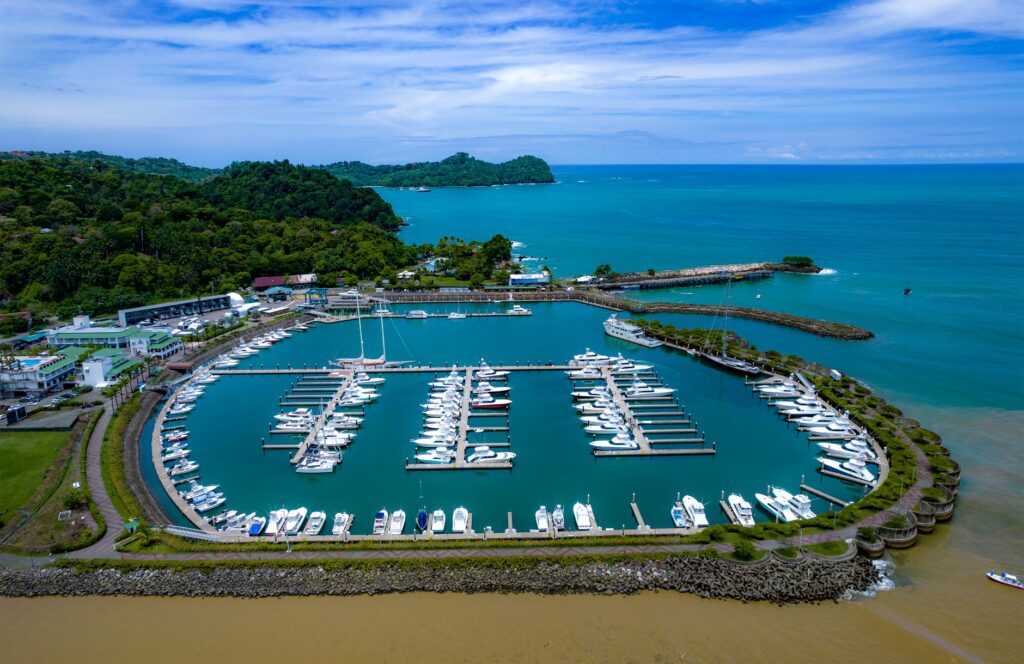
Limón’s parks and seaside promenades offer respite and recreation against the intensity of the tropical climate. Vargas Park, located facing the sea, stands out for its landscaping design integrating century-old trees, shaded paths, and historical monuments commemorating key moments in provincial development. This urban green space functions as a privileged viewpoint toward the bay, where seabirds and the coming and going of smaller vessels are frequently observed.
Walking along these paths at sunset allows visitors to appreciate the coexistence between local fauna and human activity. Families gather on stone benches while children play on manicured lawns. The integration of tropical vegetation into the urban layout softens the impact of concrete and provides a climate refuge highly valued during peak hours of sunlight. These green corridors also act as ecological lungs connecting the urban fabric with adjacent coastal ecosystems.
Responsible Relationship with Communities Along the Route
Tourism in the canton of Limón is moving toward sustainability models that prioritize respect for local communities and the preservation of natural heritage. Community-based rural tourism initiatives allow visitors to learn firsthand about the work of agricultural cooperatives and environmental conservation projects managed by the residents themselves. This approach fosters a respectful exchange that directly benefits the local economy without altering the traditional social dynamics of the neighborhoods and villages visited.
Local guides, trained in environmental interpretation, emphasize the importance of minimizing ecological footprints during walks along coastal trails and nearby natural reserves. The consumption of local products and the purchase of crafts made from sustainable materials are promoted, ensuring visitor flows contribute to the long-term well-being of the community. Thus, the traveler integrates into a mutual learning process where respect for Caribbean culture and its habitat is the fundamental premise.
Practical Environmental and Heritage Practices
Preserving Limón’s natural and architectural resources requires active participation from both public administration and citizens. Municipal ordinances regulate waste management in public spaces and beaches, seeking to protect marine fauna and dune vegetation from the risks of pollution. Educational workshops are also promoted in schools to raise awareness about the fragility of coastal ecosystems and the importance of protecting endemic species.
On the other hand, the protection of built heritage relies on neighborhood committees ensuring the integrity of properties with historical value. These community actions demonstrate a strong sense of belonging and a commitment to transmitting cultural legacy to future generations. The balance between urban development and the conservation of local identity thus solidifies as the guiding axis of municipal life, offering a model of harmonious coexistence between humans and their natural environment.
Practical guide
How to get there: Access from San José is via Route 32, a main highway crossing Braulio Carrillo National Park and connecting the capital to the Caribbean coast in approximately two and a half to three hours by bus or private vehicle.

When to go: The climate is humid tropical year-round; drier months typically occur between February, March, September, and October, offering more favorable conditions for walking tours of the city and coast.
Local transport: The urban center is ideal for walking. For travel to peripheral neighborhoods or neighboring towns, regular urban bus lines and authorized taxi services operate.
Accommodation: Options include small family-run hotels, guesthouses, and community-managed lodgings located both in the city center and near the coast.
Recommended gastronomy: It is advisable to try traditional dishes prepared with coconut milk, fresh seafood, patacones, and tropical fruits in local markets and downtown eateries.
Respectful recommendations: Visitors are encouraged to use biodegradable sunscreen, lightweight cotton clothing, comfortable walking shoes, and maintain a respectful attitude toward the customs and privacy of local residents.
Final Reflection on the Atlantic Horizon
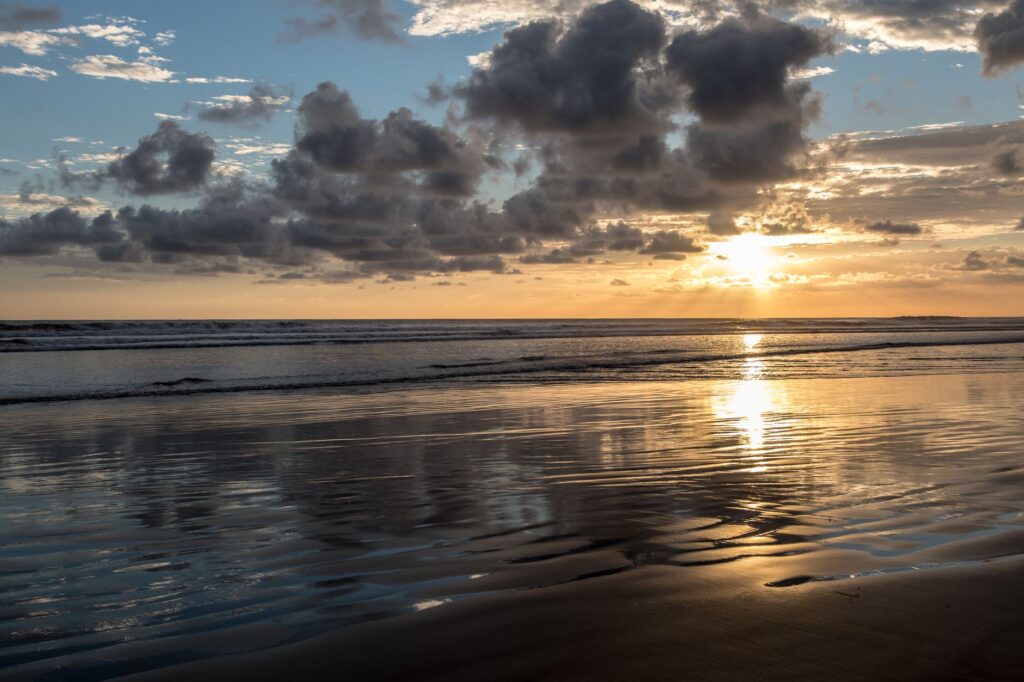
The journey through Limón concludes by contemplating the constant surf washing its shores, a permanent reminder of the strength and beauty of this Caribbean corner. The harmony between traditional architecture, the vitality of its markets, and the warmth of its people paints an unforgettable human profile. Upon bidding farewell to these Atlantic lands, visitors take away the certainty of having journeyed through a space where community memory and respect for the natural environment shape an authentic way of life deeply rooted in its landscape.