
The River City That Breathes to the Rhythm of Its Tides
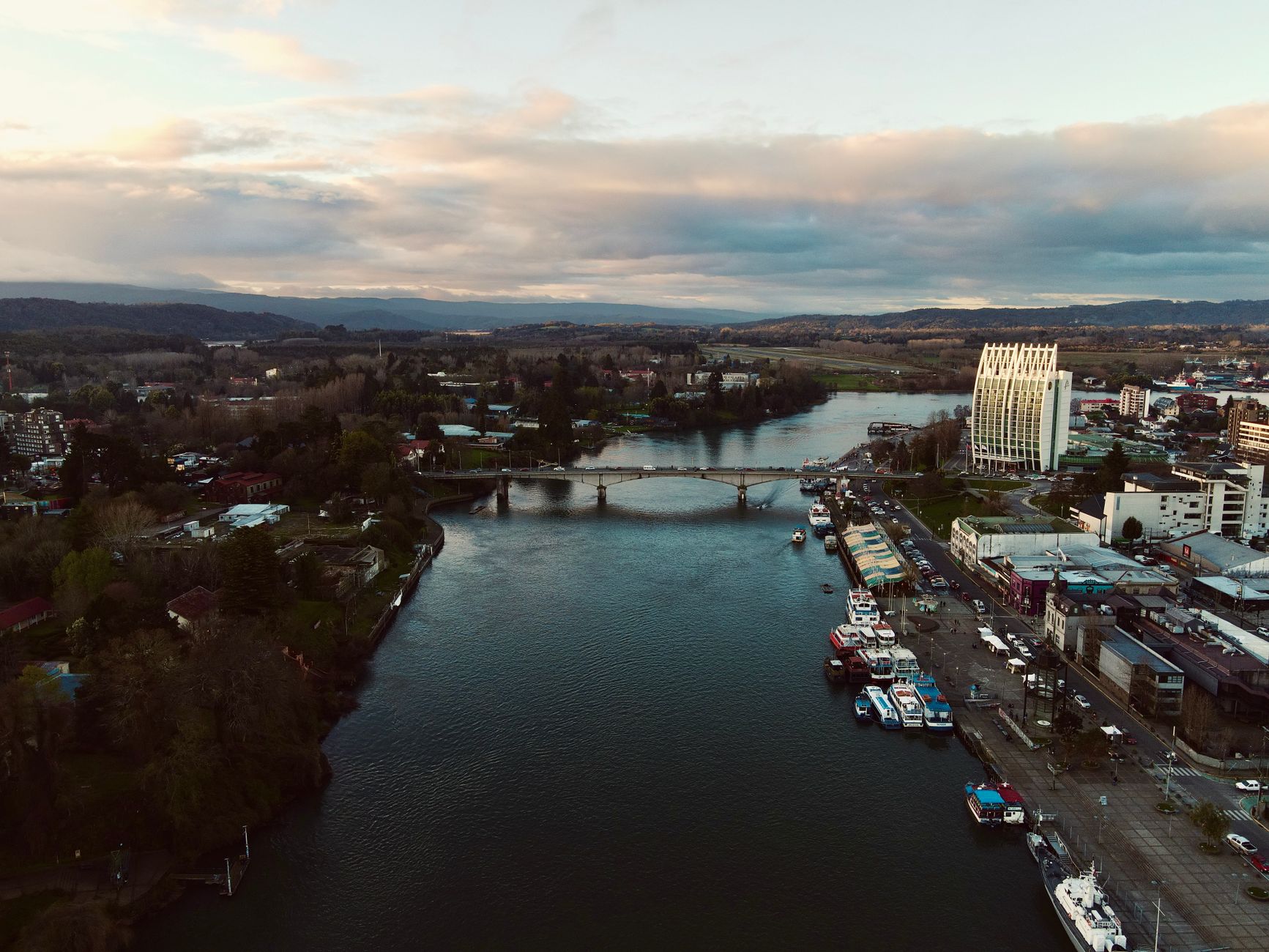
Along the banks of the Calle-Calle, Valdivia, and Cruces rivers, urban life is not measured by the speed of its vehicles, but by the steady cadence of currents flowing out to the Pacific. In Valdivia, the capital of the Los Ríos region in Chile, water is neither a mere geographical feature nor a postcard backdrop; it serves as the primary artery organizing the daily existence of more than 130,000 residents. Mornings typically begin beneath a light mist that softens the contours of historic bridges and early industrial steel and timber structures, revealing a landscape where sustainable mobility is practiced organically long before becoming a municipal directive.
Walking along the riverside promenade or using minor watercraft to cross toward island sectors and urban wetlands demonstrates a symbiotic relationship with the environment that withstands the pressures of contemporary development. Residents and visitors share a space where priorities are set by natural cycles, estuary tides, and the protection of the nature sanctuaries bordering residential zones. Here, the preservation of natural heritage is not a seasonal campaign, but a collective memory forged after the 1960 earthquake, a seismic event of historic magnitude that radically transformed local topography and forced the community to redesign how it inhabits the land.
Architectural Heritage and Timber as Silent Witnesses
Valdivia’s architectural imprint preserves the traces of its colonial past and the mid-19th-century European settlement, visible in larch-shingle houses and the remnants of Spanish fortifications guarding the river mouth. This built heritage is viewed not merely as a collection of static monuments, but as homes and workshops integrated into neighbourhood life. Timber, sourced under responsible forest management criteria, remains the fundamental material granting identity to traditional neighbourhoods such as Isla Teja or the Ánimas sector.
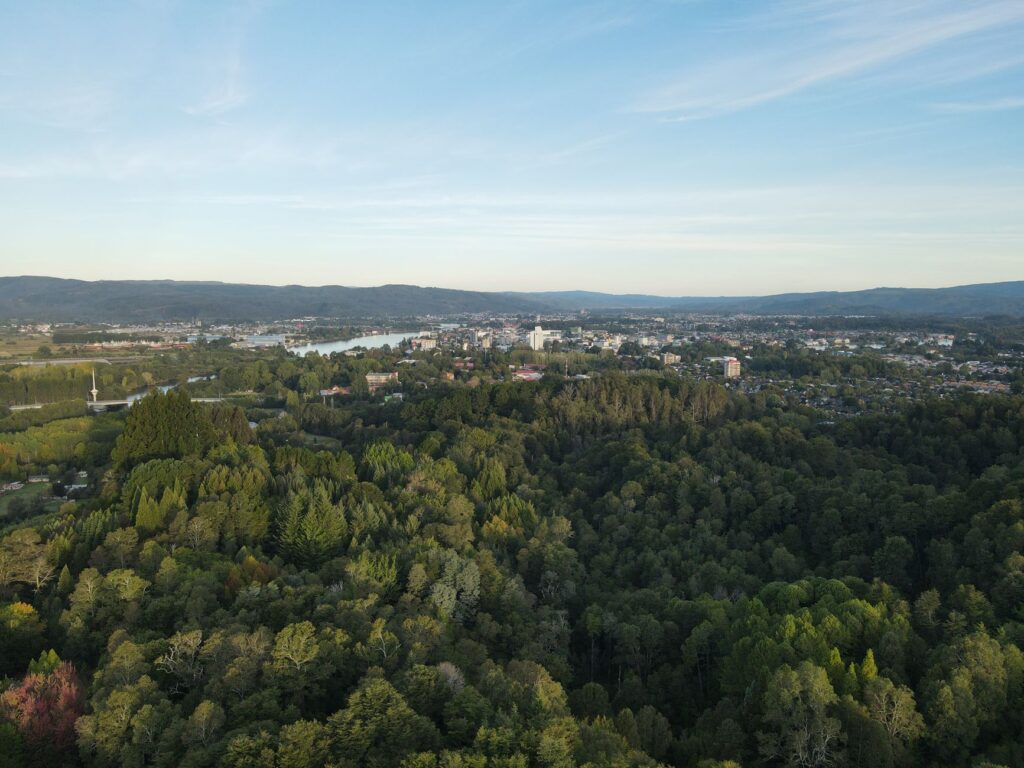
The use of local timber and the preservation of continuous facades foster a human scale that discourages excessive vehicular traffic in historic nuclei. Local architects and urban planners insist on rehabilitating existing buildings rather than opting for demolition and massive vertical construction. This practice reduces the carbon footprint associated with material transport while maintaining the visual coherence of a city that once turned its back on fires and floods, but today embraces its status as a protected river basin.
Valdivia’s architecture does not seek to imitate foreign styles; it stands upon the noble timber of its temperate forests and the memory of uninterrupted community reconstruction.
Fluvial Markets and the Economy of Proximity
The economic and social heart of the city beats every morning at the Feria Fluvial, an open-air market where artisanal fishers unload their catch alongside sea lions patiently waiting for remnants of the day’s work. This market is not a tourist attraction designed for quick consumption, but the daily provisioning point for Valdivian households and local restaurants advocating the zero-kilometre concept. Here, produce from surrounding farms, bull kelp gathered along the coast, and seasonal fruits grown in the province’s interior valleys are traded openly.
The direct relationship between producers and consumers minimizes intermediary chains and significantly cuts emissions derived from food transport. Open-air markets and neighbourhood bazaars constitute the pillar of food sovereignty, prioritizing regional production over large commercial supermarkets. Shoppers arrive with cloth bags and traditional carts, engaging in a daily routine of plastic reduction backed by strong community support and municipal environmental enforcement ordinances.
Urban Wetlands and the Defense of the Territory
The wetlands winding between Valdivia’s residential neighbourhoods function as the most important natural drainage and water purification system in southern Chile. The Río Cruces Nature Sanctuary, affected in the past by industrial pollution incidents, became a symbol of citizen advocacy for the rights of aquatic ecosystems. Scientists from the Austral University of Chile and neighbourhood organizations collaborate closely to monitor water quality and wild bird populations, especially the black-necked swans inhabiting the area.
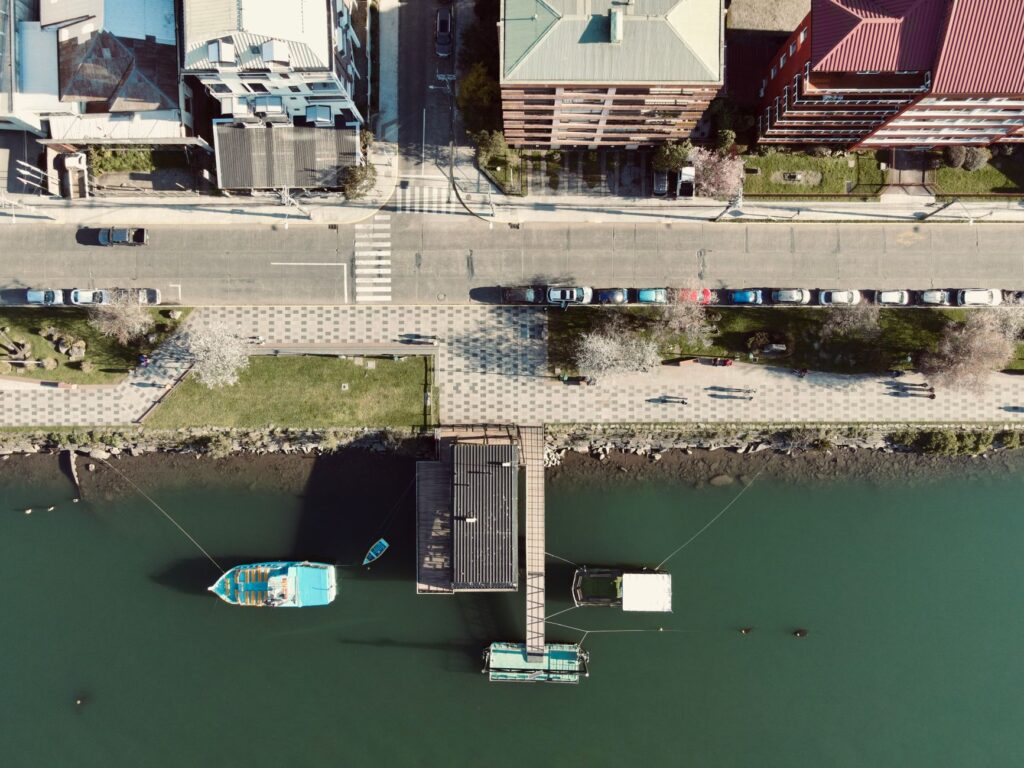
The management of these protected spaces has compelled the municipality to restrict real estate expansion onto flood-prone terrain, prioritizing the creation of riverside parks and elevated wooden walkways that permit pedestrian and cyclist transit without altering the hydrological flow. These urban decisions demonstrate that population growth can be successfully balanced with biodiversity conservation, transforming the wetlands into open-air environmental education classrooms for younger generations.
Active Mobility Facing Climate Challenges
With frequent rainfall throughout much of the year, Valdivia defies the stereotype that rainy weather forces the mass use of private automobiles. The network of cycle paths and pedestrian walkways extends progressively, connecting university campuses with the historic centre and peripheral residential areas. Students and workers utilize traditional rain gear and adapted bicycles to travel along tree-lined streets where maximum speeds for motorized vehicles are strictly limited to guarantee road safety.
Fluvial public transport, though awaiting comprehensive modernization to optimize routes and reduce emissions, remains a valued alternative to prevent congestion on main bridges. Local authorities promote carpooling and the design of soft infrastructures capable of withstanding wear caused by constant soil moisture, consolidating an urban mobility model grounded in resilience and adaptation to the natural environment.
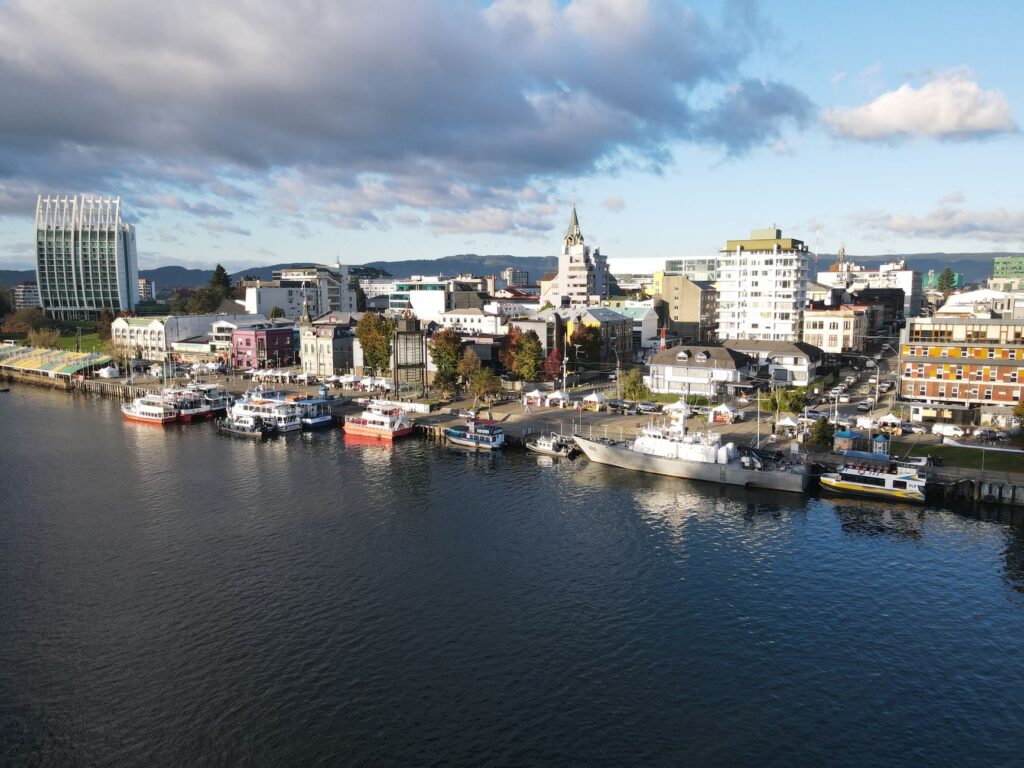
Moving through Valdivia on rainy days demands a mental shift: water does not halt the journey, but rather regulates the unhurried pace of the community.
Responsible Tourism Practices and Local Respect
The influx of visitors arriving drawn by fluvial biodiversity and the area’s brewing attractions encounters a series of guidelines aimed at mitigating environmental impact. Local tour operators promote low-impact kayaking excursions, bird watching without artificial feeding, and guided hiking trails educating visitors on the geological history of earthquakes and the native flora of the Valdivian temperate rainforest. These initiatives ensure travelers understand that their presence must integrate into daily life without altering it or straining the community’s basic services.
Respect for public spaces, cleanliness along riverbanks, and purchases in independent shops form part of the responsible visitor’s code in the Los Ríos region. The active participation of residents in regulating tourism guarantees that economic activity directly benefits local families, preventing gentrification and preserving the authenticity of riverside neighbourhoods.
Practical guide
How to get there: The primary air access is through Pichoy Airport, located about thirty kilometers from the city, with daily connections from Santiago de Chile. By bus, regular long-distance services connect Valdivia’s terminal with major cities across the country.

When to visit: The summer months, between December and winter, offer warmer temperatures and lower rainfall, ideal for exploring wetlands and navigating rivers. Winter, though rainy, reveals the true fluvial identity of the city in an atmosphere of profound calm.
Where to stay: Choosing small boutique hotels or family guesthouses located in Isla Teja or the historic centre is recommended, preferably those holding certifications for sustainability and efficient waste management.
Gastronomy and markets: Visit the Feria Fluvial in the morning to discover local produce and dine at restaurants utilizing ingredients from the Valdivia river basin and artisanal seafood.
Urban mobility: Prioritize travel on foot, by bicycle, or using fluvial crossing boats to minimize traffic congestion and greenhouse gas emissions.
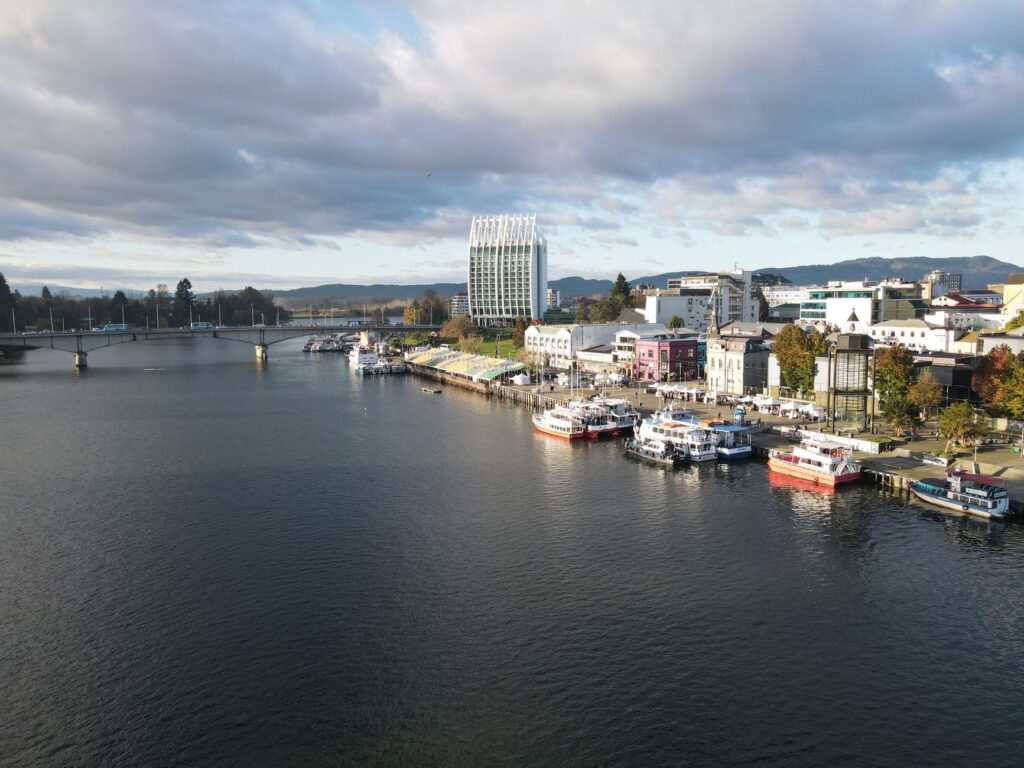
Code of conduct: Respect the flora and fauna of urban wetlands, refrain from littering along riverbanks, and purchase crafts and food directly from local producers at authorized markets.
Final Reflection on the Horizon of the Rivers
Valdivia’s future is written in the very waters that have shaped its history and resilient character. Facing global climate uncertainty, this community in southern Chile demonstrates that sustainability does not rely on imported megaprojects, but on the capacity to listen to the territory, protect its wetlands, and navigate daily life with the calm pace of its currents. Between the timber of its centuries-old houses and the steady march of its tides, the city stands as a living reminder that human development can and must harmonize with nature’s unalterable rhythms.