
The Geography of the High Valley and Its Daily Rhythm
Nestled at over three thousand meters above sea level in the Peruvian region of Junín, Chilca stands as an enclave where the crisp mountain air and local history shape the pace of every day. Altitude is not merely a geographical data point, but a condition that defines breathing, the rhythm of walks, and how inhabitants interact with their surroundings. Mornings begin with a diaphanous clarity that illuminates the slopes and streets of the district, marking the start of a routine where local commerce and agricultural work sustain the community economy.
Unlike larger Andean metropolises, this municipality retains a human scale that invites visitors to explore without haste. Traditional dwellings built with local materials sit alongside recent constructions that reflect the demographic growth of recent years. Yet, the essence of the place remains intact in its squares and the warmth of its residents, who keep alive customs deeply rooted in the collective memory of the valley. Walking through its main thoroughfares reveals the daily bustle of merchants, artisans, and farmers bringing the fruits of the land to local markets.
The balance between tradition and modernity is felt around every corner. Local festivities, a gastronomy based on native products, and respect for natural cycles configure a solid social fabric. Here, time seems to flow at a different speed, allowing the traveler to immerse themselves in a genuine wellbeing experience, far from the bustle of mass tourism circuits and centered on the quiet observation of daily life.
The geographical isolation of these high zones historically required strong community bonds. Neighbors cooperate in seasonal tasks, from planting to harvesting, ensuring that agricultural traditions endure despite modern pressures. This cooperative spirit is visible during communal gatherings in public plazas, where elders share oral histories with younger generations, safeguarding cultural identity across decades.
Water Heritage and the Tradition of Healing Springs
One of Chilca’s greatest attractions lies in its hydrogeological wealth. The springs and wells emerging in its surroundings have historically been recognized for their mineral properties, attracting both locals and travelers seeking healing and rest. These natural sources, fed by underground filtration from the mountain range, form the core of a water culture passed down from generation to generation.
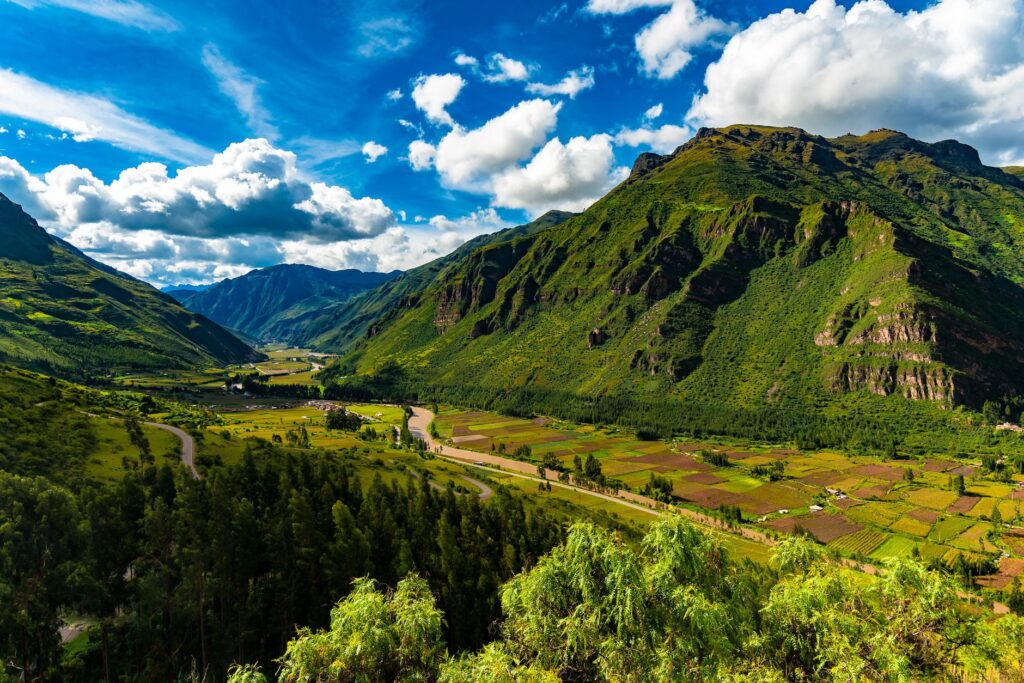
The use of these waters for therapeutic purposes is part of the district’s identity. Families routinely visit these spots to harness the curative properties of muds and mineral-rich pools, considered a traditional remedy for muscular and joint ailments. This intimate relationship with natural resources fosters a strong environmental consciousness among residents, who jealously protect the spring surroundings against the pressure of disorderly tourism.
Water is not merely an economic resource or a means of subsistence, but the backbone of community health and the physical wellbeing of its inhabitants. This direct connection with nature offers a tangible reminder of the importance of preserving high-Andean ecosystems for future generations, ensuring that water heritage continues to flow unaltered.
Local custodians of these natural springs organize periodic clean-up initiatives to maintain the purity of the channels. These grassroots efforts demonstrate a collective commitment to ecological stewardship, reminding every visitor that mineral-rich waters depend entirely on the undisturbed balance of the surrounding mountain basins.
Traditional Architecture and Landscape Materials
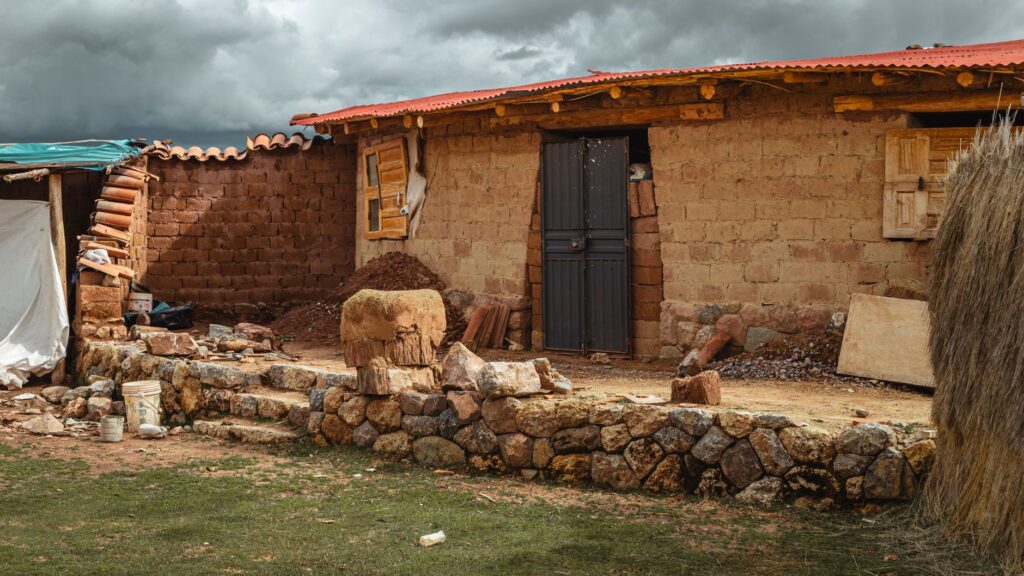
The architectural physiognomy of Chilca is the direct result of human adaptation to a rigorous climate and rugged geography. Traditional constructions employ stone, adobe, and eucalyptus wood, materials extracted from the territory itself that provide optimal thermal insulation against the cold nighttime temperatures characteristic of Peru’s central highlands.
Strolling through the older neighborhoods reveals an organic urban layout, adapted to the terrain’s contour lines and the proximity of watercourses. Simple facades, interior patios, and gabled roofs respond to a millennial construction logic that prioritizes functionality and durability over superfluous ornamentation. This vernacular architecture endows the urban landscape with a homogeneous and warm visual texture.
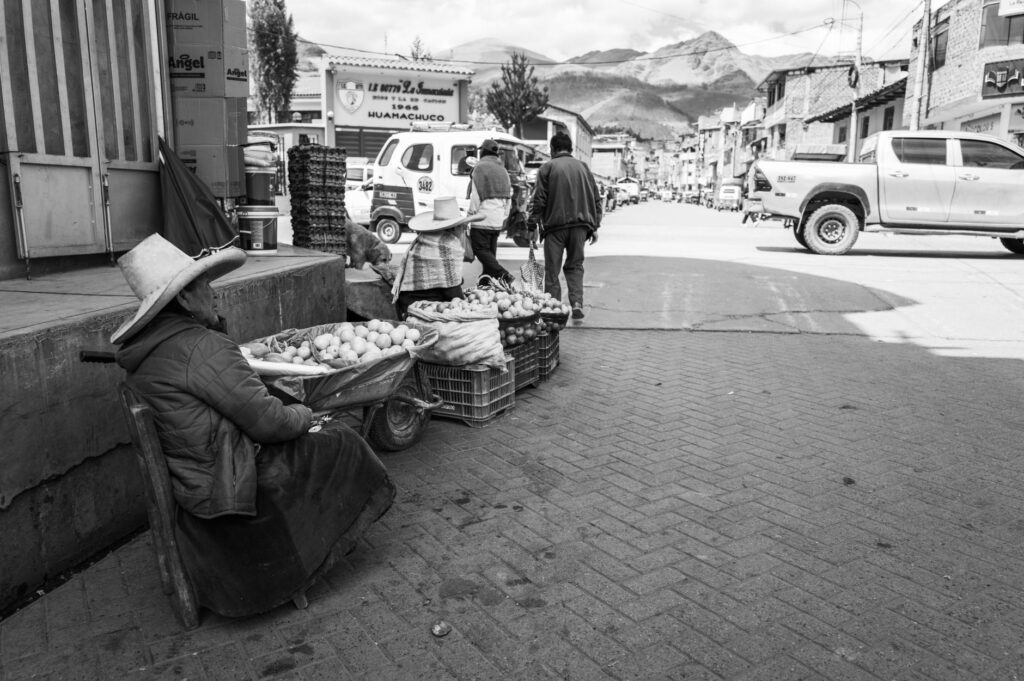
In recent times, the arrival of new materials has partially transformed the landscape, introducing concrete blocks and corrugated iron roofs. Nevertheless, the municipality has successfully integrated these innovations without losing the rustic character that defines its visual identity. Respect for the built heritage is reflected in the conservation of old houses and the maintenance of tree-lined public spaces that invite rest and neighborly encounters.
Master builders in the district continue to pass down ancient masonry and adobe-making techniques to younger apprentices. This intergenerational transmission ensures that structural repairs on historical dwellings respect original aesthetics and material compositions, maintaining the architectural integrity of the settlement.
The Andean Larder and Proximity Markets
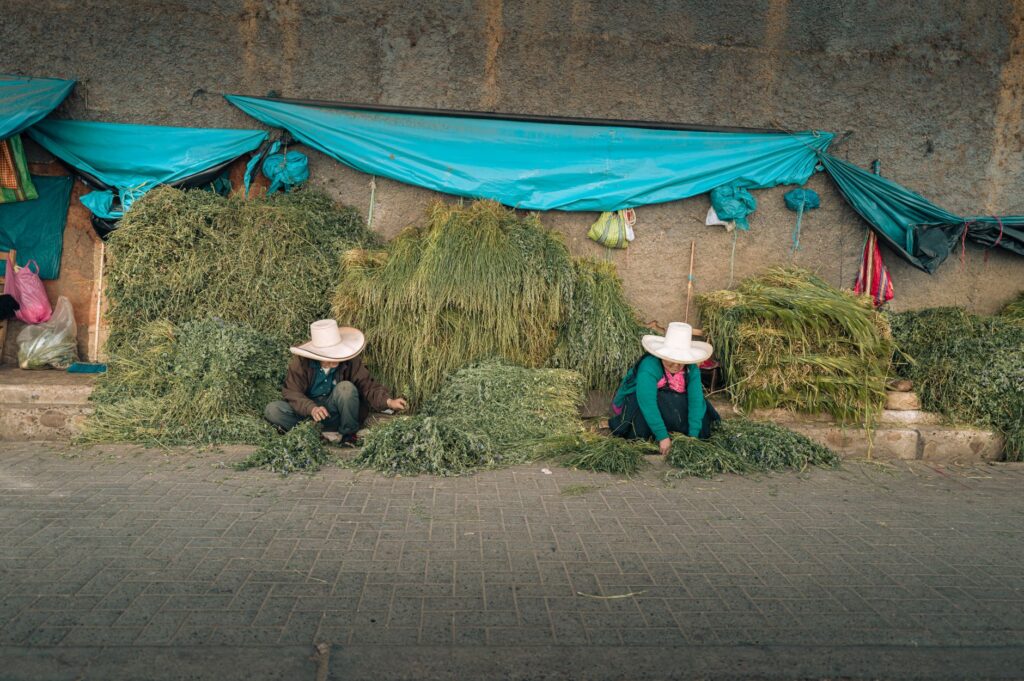
Chilca’s gastronomy is a faithful reflection of its biodiversity and the agricultural richness of the Huancayo valley. Local markets constitute the beating heart of social and economic life, where vegetables, native tubers, aromatic herbs, and meats from surrounding communities are traded. Visiting these spaces is an immersion into a universe of aromas, colors, and ancestral knowledge.
The produce of the land forms the basis of hearty, nourishing cuisine designed to withstand the demands of high-altitude weather. Dishes made with corn, native potatoes, oca, and camelid or poultry meats are prepared following traditional recipes that have remained unaltered for decades. Local vendors and cooks act as custodians of this culinary heritage, proudly explaining the origin of each ingredient to curious visitors.
Buying directly from local producers fosters a fair and circular economy, ensuring that the wealth generated remains within the community. This direct link between field and table guarantees absolute food traceability, reinforcing the municipality’s commitment to a responsible and sustainable consumption model.
Culinary traditions here also include specialized drying and preservation methods designed to store seasonal crops for colder months. Families collaborate in preparing sun-dried tubers and cured meats, practices that sustain food security and celebrate the resilience of high-altitude farming.
Wellbeing Practices and Responsible Tourism
The rise of tourism focused on health and wellbeing has put Chilca on the radar of those seeking transformative experiences respectful of their surroundings. Unlike other mass-marketed destinations, wellbeing here is understood from a holistic perspective: meditative walks along high-altitude trails, restorative thermal baths, and the digital disconnection prompted by the tranquility of the Andean landscape.
To fully enjoy this offering, experts recommend gradual acclimatization, respecting the time the body needs to adapt to the atmospheric pressure of three thousand meters. Practicing mindful tourism also means minimizing the ecological footprint by using local public transport, respecting endogenous flora and fauna, and supporting family-run rural lodging initiatives.
The true value of traveling to these corners lies in the ability to listen to the silence of the mountain and learn from a lifestyle that prioritizes community over haste.
This respectful approach transforms the traveler into an active participant in local conservation, ensuring that visitor influx benefits residents without disturbing their peace or degrading the fragile ecosystems sustaining life in the valley.
Travelers are encouraged to engage in silent contemplation during afternoon walks, aligning their personal pace with the unhurried rhythms of local shepherds and farmers tending their fields before dusk.
Practical Guide
How to get there: Access is primarily by road from Lima or Huancayo via interprovincial bus services and shared cars traveling along the Central Highway.
When to go: The dry season, spanning from May to October, offers the best sunny days and clear skies, ideal for outdoor hikes.
Accommodation: Family-run guesthouses and small inns managed by local residents predominate in the urban core and its surroundings.
Recommended gastronomy: Sample dishes made with Andean tubers, concentrated country hen soups, and local medicinal herbal infusions.
Health recommendations: Drink plenty of water, consume light meals during the first days to prevent altitude sickness, and pack clothing suitable for both daytime warmth and nighttime cold.
Mobility: The best way to explore the municipality and its surroundings is on foot or using authorized local transport connecting neighboring hamlets.
Visitor etiquette: Always ask for permission before photographing residents or private agricultural plots, and respect local quiet hours during evening community rest times.
The Final Echo of the Mountain Range
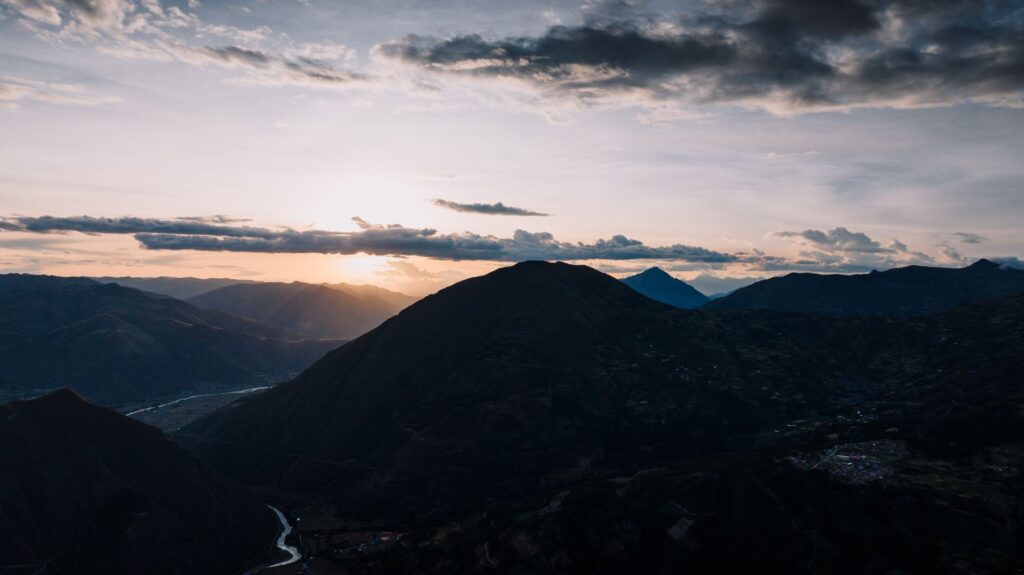
As evening falls, golden light bathes the rooftops and surrounding peaks, endowing the landscape with a solemn stillness. The streets gradually empty as residents return home to share dinner and the warmth of the hearth. In that transitional moment, Chilca reveals its true dimension: a refuge where nature and human history converse in perfect harmony, offering the visitor an unforgettable lesson on the beauty of simplicity and the urgency of preserving the small oases of peace that still endure in the heart of the Andes.
The lingering silence under the starry Andean sky provides a profound sense of perspective, reminding every observer of the enduring strength found in modest, community-centered mountain living.