
Medellín, Colombia: Logistics, Climate, and Expedition in the Heart of Antioquia
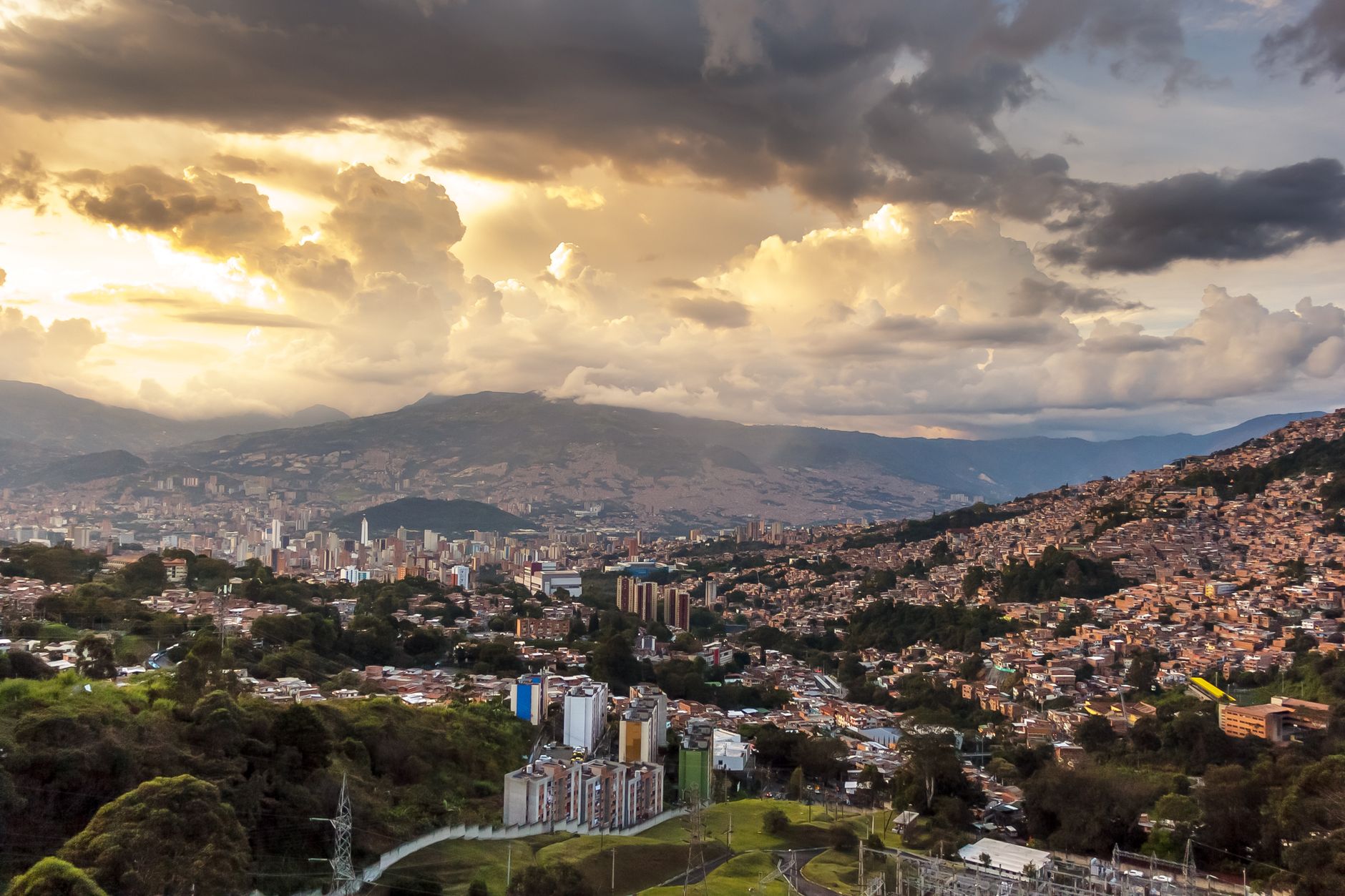
Medellín, located in the department of Antioquia, sits within an inter-Andean valley known as the Aburrá Valley. With an average altitude of approximately 1,405 meters above sea level, this geographical setting defines an environment where rugged topography and proximity to the central cordillera of the Andes impose strict rules on any adventure expedition. Logistical planning in this territory cannot be left to chance, as the transition between the valley floor and the surrounding peaks demands deep knowledge of the terrain, climate, and available resources to ensure safe and environmentally respectful progression.
The patrimonial and urban context of Medellín intertwines with a history tied to trade, mining, and mountain agriculture. Venturing beyond urban boundaries into the rural or mountainous areas of Antioquia means entering paths where historical memory is inscribed in every historic trail. Travelers seeking to explore these landscapes must understand that adventure in Colombia requires both excellent physical condition and an attitude of active listening toward the recommendations of local authorities and regional inhabitants, who know the subtleties of the Andean relief better than anyone else.
Climatology and the Daily Pulse of the Aburrá Valley
The climate in the Aburrá Valley reflects its tropical mountain position, characterized by an altitude that moderates temperatures while generating rapid meteorological shifts. Mornings typically begin with clear skies and clean light, facilitating the start of any journey, while afternoons can bring sudden precipitation, particularly during the rainy seasons. For the expeditioner, this means that daily itineraries must prioritize early starts and equipment capable of withstanding both intense solar radiation and unexpected downpours.
Temperatures within the urban area and its surroundings remain pleasant year-round, usually fluctuating between 16 and 28 degrees Celsius. However, as routes gain elevation toward surrounding rural districts or the high-altitude moorlands and nature reserves of the department, the thermometer drops noticeably. This climatic duality calls for versatile clothing based on breathable, waterproof layers capable of regulating body temperature against constant physical exertion and sudden mountain winds along the summits.
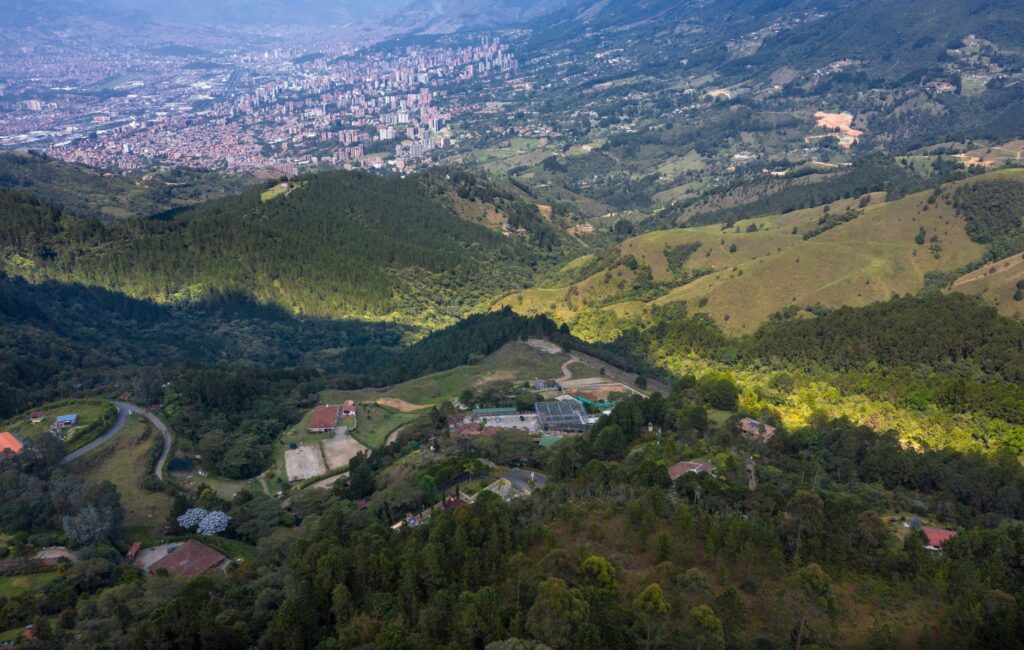
Understanding local weather patterns helps mitigate setbacks. Air currents descending down the slopes during nighttime hours contrast with the accumulated heat in the lower areas of the valley, creating microclimates that vary within kilometers. Studying these phenomena before starting each segment of the route reduces uncertainty and helps anticipate the need for additional warmth or protection against persistent humidity.
Permits, Regulations, and Access in the Territory
Undertaking an expedition around Medellín requires strict adherence to local environmental conservation regulations. Many ecologically sensitive areas, such as metropolitan ecological parks, protected forest reserves, and ancestral trails connecting Antioquian municipalities, are subject to specific access rules. These measures aim to protect local biodiversity, prevent soil erosion, and ensure harmonious coexistence between visitors and the owners of private or communal lands crossed along the way.
Before embarking on any hike or multi-day trek, verifying whether special authorizations, entrance fees to natural parks, or certified guides are required is essential. Departmental environmental authorities and municipal administrations frequently update route availability based on trail conditions and landslide risks. Ignoring these guidelines compromises group safety and generates negative impacts on the fragile high-Andean ecosystems that sustain the region’s hydrological balance.
Similarly, complying with transit regulations and crossing private farms requires fluid and respectful communication with local residents. Recognizing rights of way and respecting agricultural plots ensures that expedition activities maintain a peaceful and constructive coexistence with the social fabric inhabiting the mountains.
Risk Assessment and Physical Preparation in the Mountains
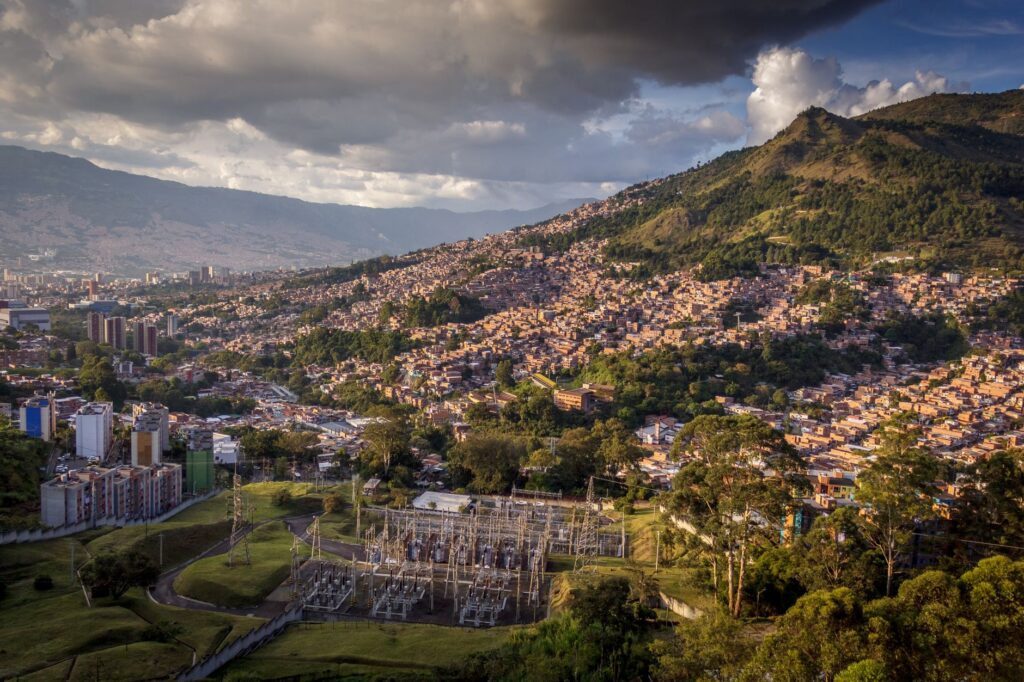
Antioquia’s mountainous geography imposes substantial physical demands. Steep slopes, clay-heavy paths that become slippery when wet, and prolonged altitude exposure require proper prior preparation. Mild altitude sickness can affect those arriving directly from coastal regions, making a twenty-four-hour acclimatization period in the city advisable before tackling demanding routes above two thousand meters in neighboring ranges.
Likewise, risks associated with local fauna, insufficient hydration, and navigation in dense forested terrain must be managed with technical rigor. Carrying a reliable navigation system, updated maps, communication devices, and provisions of water and energy is mandatory for any responsible expeditioner. Autonomy in the mountains does not excuse prudence; knowing when to stop or turn back in the face of adverse weather or physical strain marks true adventure maturity.
Medical contingency planning forms an inescapable part of this phase. Having evacuation protocols and knowing the closest contact points with rural medical care centers is a fundamental preventive measure to address any eventualities derived from unforeseen injuries or extreme exhaustion in remote areas.
Essential Equipment for the Antioquian Expedition
Selecting appropriate outdoor gear for Medellín and its surroundings depends on route duration and target elevation. Indispensable items include mountain footwear with high-traction soles and ankle support, an ergonomic backpack with waterproof covers, trekking poles to protect knees during long descents, and a first-aid kit containing blister treatments and antiseptic supplies.
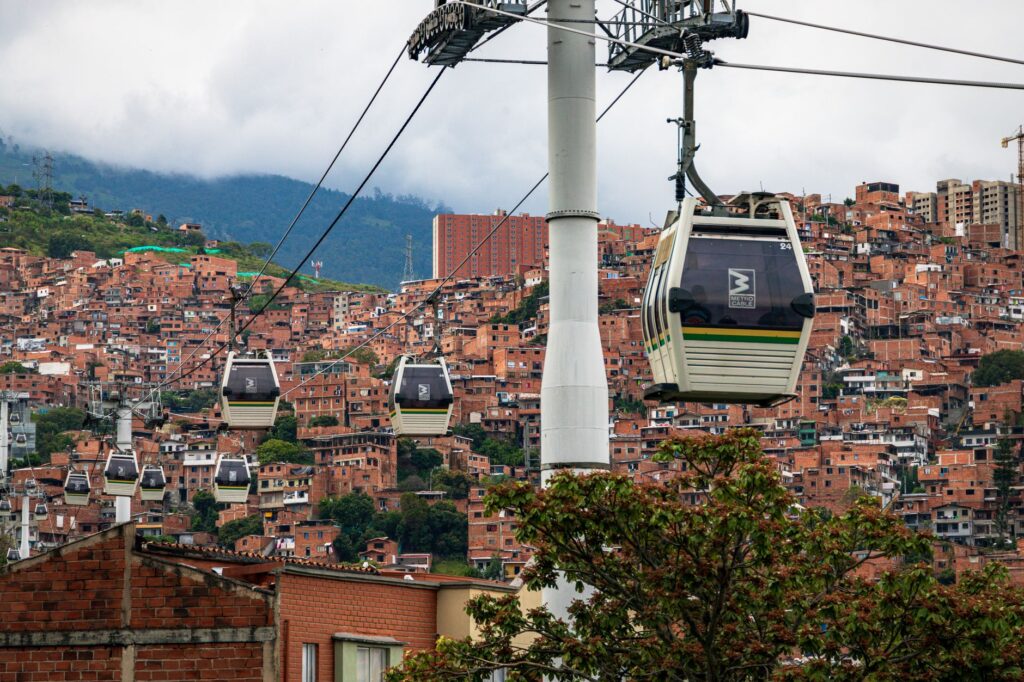
True adventure in the Andes is measured not by the distance covered, but by the respect shown toward the land that sustains millions of lives.
Autonomous illumination with spare batteries, quick-drying thermal clothing, and adequate water reserves complete the basic gear list. In a region where ambient humidity can run high, keeping electronic devices and personal documents in waterproof cases prevents logistical mishaps that could needlessly complicate a journey. Every item carried in the backpack must serve a clear, justified purpose dictated by the route.
Maintaining equipment during the trek is equally critical. Checking the condition of seams, ensuring the proper functioning of water filtration systems, and verifying the charge of photovoltaic batteries or portable power banks guarantees that the group’s self-sufficiency is not compromised at any point along the itinerary.
Cultural Heritage and Community Responsibility
Exploring Medellín’s surroundings offers a unique opportunity to understand Antioquia’s rich cultural tapestry, defined by coffee traditions, the architecture of colonial heritage towns, and the resilience of rural communities. This human interaction must rely on mutual respect and support for local economies. Purchasing food in rural markets, hiring local guides, and consuming traditional products directly benefits the families guarding the territory.
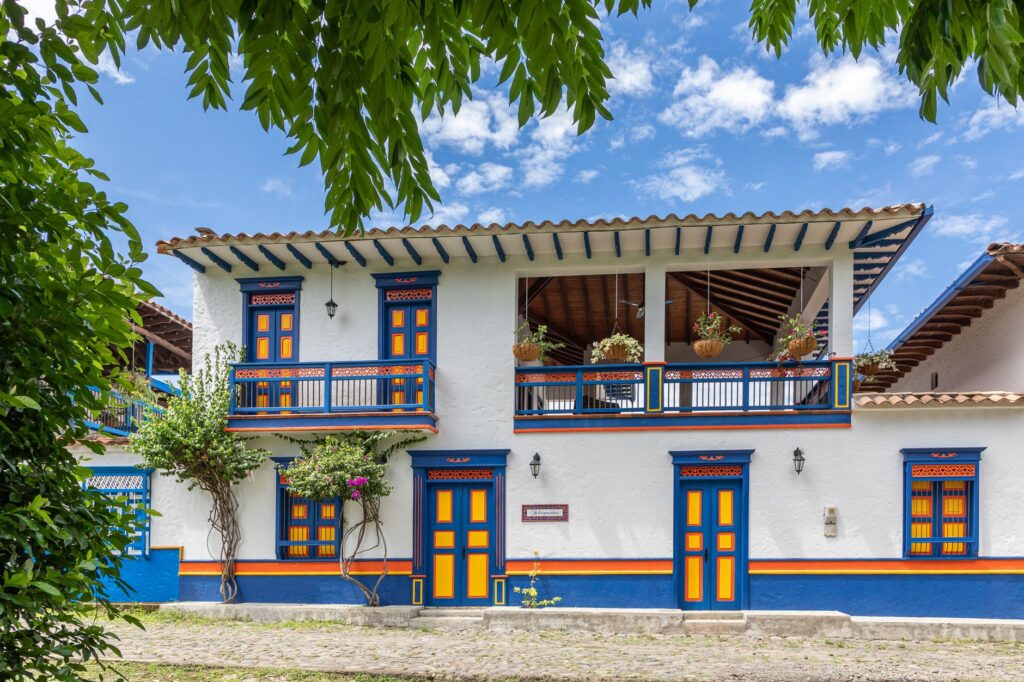
The responsible traveler assumes that their presence leaves a minimal footprint. Rigorous solid waste management, the prohibition of fires in unauthorized areas, and respect for local customs and private property are unbreakable rules of coexistence. Preserving trail integrity and rural tranquility ensures that future generations of adventurers can continue discovering the unparalleled beauty of Antioquian landscapes in safety and harmony.
This ethical commitment strengthens the social fabric and promotes adventure tourism based on sustainability. The memory of historical trade routes survives thanks to the collective care of these spaces, reminding us that the hiker is merely a temporary visitor in an ancient landscape.
Practical Guide
How to get there: José María Córdova International Airport (MDE), located in nearby Rionegro, connects Medellín with major domestic and international destinations, complemented by Olaya Herrera Airport for regional flights.
When to go: Months with lower probabilities of heavy rain typically run from December to February, as well as July and August, though tropical variability requires year-round preparation.

Permits and regulations: Consult the local Secretariat of Environment and regional autonomous corporations regarding trail status and access restrictions in protected natural reserves.
Recommended gear: Broken-in trekking boots, layered clothing, waterproof jacket, hiking poles, sunscreen, insect repellent, and a water purification system.
Visual Epilogue in the Heights of the Aburrá Valley
As evening approaches, golden light illuminates the mountain slopes embracing the valley, revealing the imposing silhouette of the Colombian Andes and reminding travelers that the true essence of adventure lies in serene contemplation and profound respect for the earth.