
Badalona, Spain: The Catalan Coastline Explored Through Brick Factories and Mediterranean Breezes
Overlooking the Mediterranean Sea in Spain, the town of Badalona stretches along a coastal strip where daily activity unfolds to the rhythm of the tides and the gentle coming and going of residents along the promenade. Unlike its neighbor Barcelona, this municipality in the Barcelonès region preserves a more human scale in its coastal neighborhoods, where the murmur of the waves blends with the morning bustle of local markets and open-air cafes facing the water. The maritime facade is not only a scenic attraction but also the backbone of a community that has kept its seafaring traditions alive despite metropolitan expansion, creating an enduring bond between the people and the sea.
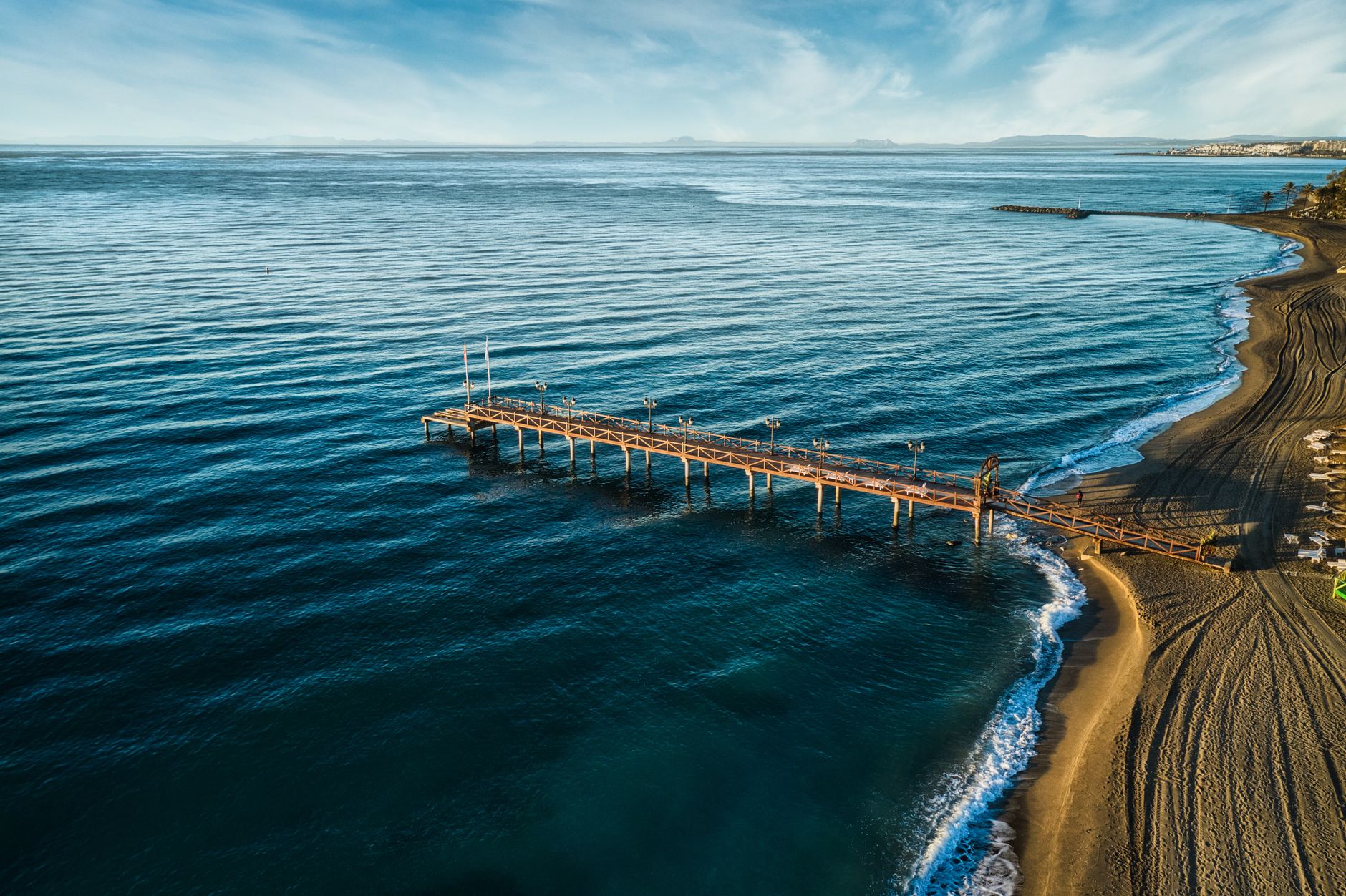
The coastal front invites visitors to explore at a leisurely pace the nearly five urban beaches that define the municipality’s character. From the Pont del Petroli to the border with Sant Adrià de Besòs, the shoreline profile displays a harmonious coexistence among swimmers, local fishers, and those seeking respite against the blue horizon. The conservation of this public space represents a constant balance between visitor influx and respect for the rest of the residents living in the surrounding streets for decades, reminding everyone that public space belongs first to those who inhabit it daily.
The Industrial Legacy and Red Brick Chimneys
Beneath the residential surface that many visitors perceive today, Badalona conceals a manufacturing past of great relevance in Catalonia’s economic history. During the nineteenth and twentieth centuries, the textile and chemical sectors transformed the urban landscape through the construction of factory halls, warehouses, and slender exposed-brick chimneys that still puncture the skyline in neighborhoods like El Gorg and La Salut. This industrial heritage, far from being demolished, has undergone deep urban planning reflections to integrate it into the collective memory of the municipality, honoring the sweat of generations.

Walking through these areas reveals how the working class shaped local identity, establishing popular athenaeums, consumer cooperatives, and social headquarters that still energize neighborhood cultural life today. The old factories converted into public facilities demonstrate a clear willingness to preserve the material history of labor. Industrial archaeology thus becomes an underground map explaining demographic growth and the arrival of families from various corners of the Iberian Peninsula over the past century, weaving a diverse tapestry of shared experiences.
The Historic Heart of Dalt de la Vila
Far from the bustle of the coastline, the old quarter known as Dalt de la Vila transports visitors to the town’s oldest foundations, with roots sinking into the Roman era of Baetulo. The narrow streets, featuring medieval layouts and traditional cobblestones, ascend gently toward Plaça de la Constitució, where the church of Santa María and underground archaeological remains mark the temporal rhythm of the area. Here, daily routines pause among whitewashed facades, plant-filled balconies, and small local shops resisting commercial homogenization in favor of authentic neighborhood ties.
The underground of this neighborhood treasures monumental treasures such as Roman baths and the remains of ancient domus, testimony to a glorious past as a commercial and agricultural enclave on the Via Augusta. Residents walk through these alleys with the naturalness of those inhabiting a living museum, where every corner evokes overlapping layers of history. Respect for historical heritage defines daily coexistence in this elevated sector, where municipal ordinances strictly protect the traditional physiometry of buildings and construction heights, ensuring that the past remains visible without turning into mere spectacle.

Commercial Life in the Public Food Markets
The economic and social pulse of Badalona beats with special intensity in its municipal markets, spaces for intergenerational encounters where fresh produce is negotiated and neighborhood trust networks are woven. The Maignon Market, inaugurated in the late nineteenth century, represents a clear example of period commercial architecture, featuring a metal structure housing stalls for fruit, fish, and meats sourced from both the Baix Llobregat Agricultural Park and Catalan fish auctions. Attending the weekly or daily market forms part of a deeply rooted routine prioritizing proximity consumption over impersonal big-box stores.
Among the aisles of these venues, vendors exchange recipes, tips on seasonal artichokes or oily fish, and the latest neighborhood news. This direct relationship between producer and buyer fosters a sustainable local economy and reduces the ecological footprint associated with goods transport. Daily sustainability is practiced at the shopping basket, supporting independent workers and small merchants who keep their shutters open every morning from dawn, safeguarding community health and culinary traditions.
Associative Culture and Popular Festivities
Badalona’s social cohesion rests on a dense network of cultural entities, choirs, devil troupes, and giant-bearer groups mobilizing a significant portion of citizens throughout the year. Events such as the May Festivities, culminating in the emblematic burning of the demon on the beach, gather thousands of people around a celebration blending popular satire, live music, and traditional Catalan pyrotechnics. These collective expressions reinforce a sense of belonging transcending the administrative boundaries of the town, keeping ancestral customs vibrant and relevant.

Civic centers and municipal libraries complement this network, offering workshops, exhibitions, and debate spaces open to residents of all ages. Citizen participation in managing cultural activities ensures that offerings respond to real community concerns, avoiding passive cultural consumption. Popular culture acts as social mortar integrating new residents arriving from other latitudes into the traditional fabric of the locality, creating an inclusive and dynamic environment where everyone finds a voice.
Urban Mobility and Responsible Visitor Choices
Exploring Badalona requires adopting sustainable mobility criteria, taking advantage of the excellent commuter train connection (Rodalies) and the metro network linking it directly with Barcelona and the rest of the Catalan coast without relying on private vehicles. Urban bus lines and the extensive bike-lane network facilitate clean travel between the upper neighborhoods and the coastal zone, reducing traffic congestion and pollutant emissions in the urban core. Responsible walkers prioritize public transport and walking to minimize environmental impact.
Likewise, moderate use of water and energy resources during stays in local accommodations acquires paramount importance in a Mediterranean region subject to frequent water scarcity episodes. Conscious travelers choose establishments applying energy efficiency measures, supporting zero-kilometer gastronomy in promenade restaurants, and respecting residents’ nighttime rest in areas of higher commercial activity. Visitor responsibility is measured in small daily gestures ensuring harmony between tourism and urban habitability, protecting the fragile balance of coastal ecosystems.

Practical Guide for Visitors in Spain
How to get there: The municipality is connected to Barcelona via commuter line R1 (Rodalies de Catalunya) and metro line 2, with a journey time of under twenty minutes from the Catalan capital’s center.
When to visit: Spring months and early autumn offer pleasant temperatures for walking along the coastline and old town, avoiding summer crowds and the intense heat of July and August.
Where to eat: The surroundings of the port and the promenade concentrate restaurants specializing in seafood rice dishes and fresh fish, while the historic center offers traditional taverns and artisan bakeries.
Rules of coexistence: It is essential to respect neighborly rest in residential areas near the beach and avoid single-use plastics in protected natural and coastal spaces.
The Refuge of the Sea Breeze at Sunset
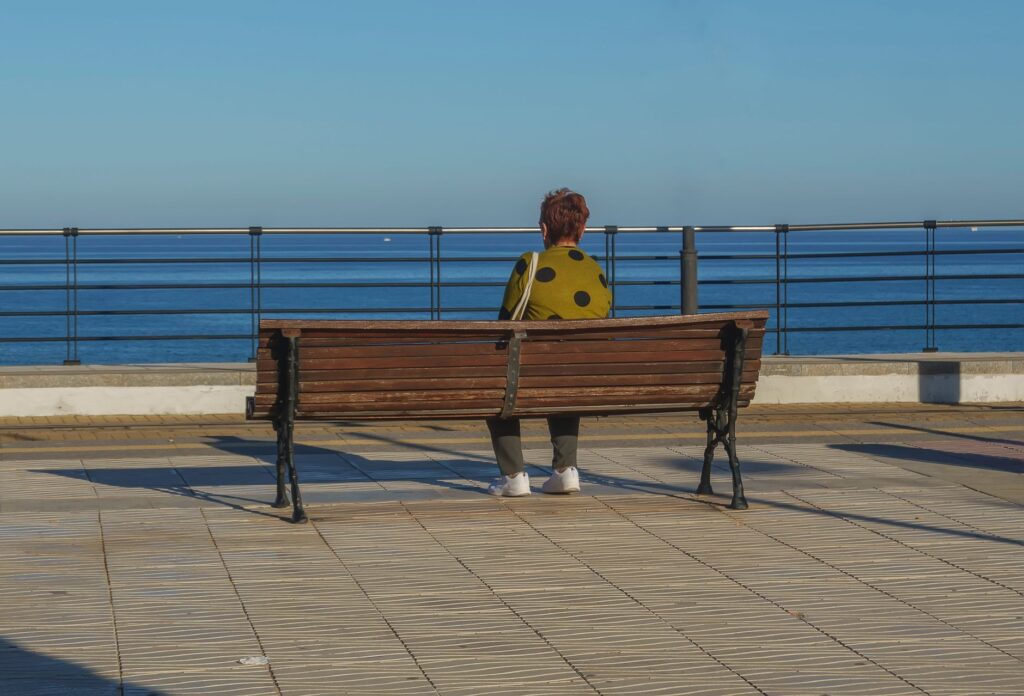
As afternoon begins to fade, the town’s profile softens under a golden light permeating the old town’s facades and reflecting on the calm waters of the Mediterranean. On the promenade, wooden benches fill once again with residents conversing kindly while observing the horizon, unconcerned with the accelerated pace of neighboring large metropolises. Badalona thus demonstrates that maintaining a distinct and serene identity just minutes from a major urban center is possible, offering visitors a space where industrial history, maritime tradition, and neighborhood life coexist in perfect harmony.