
The Natural Pulse of the Central Valley
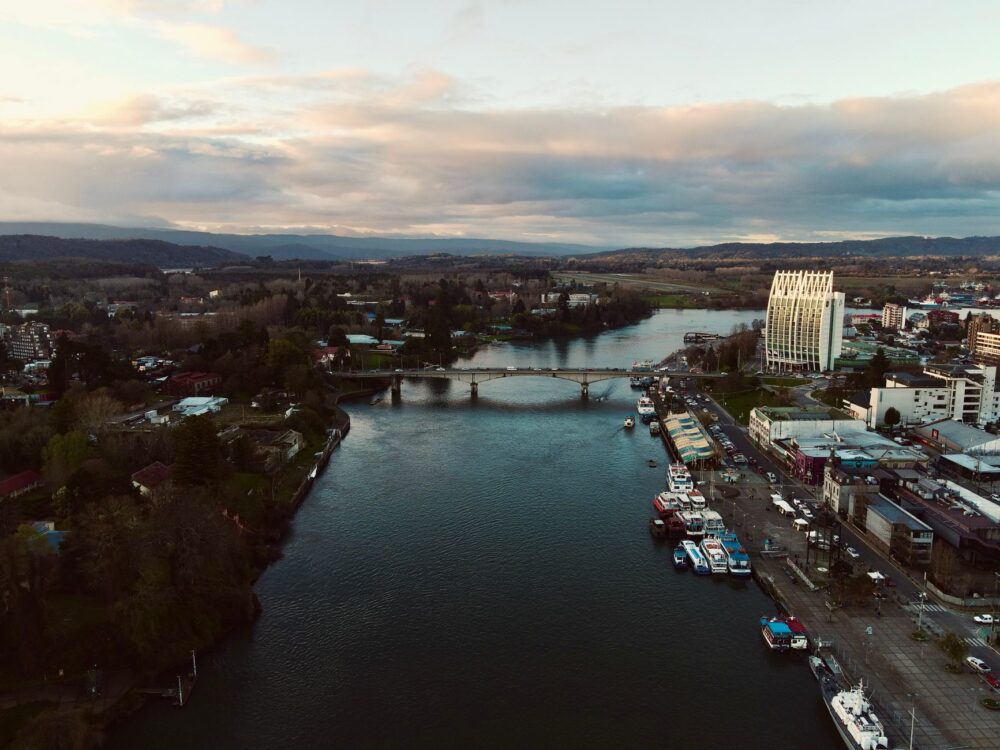
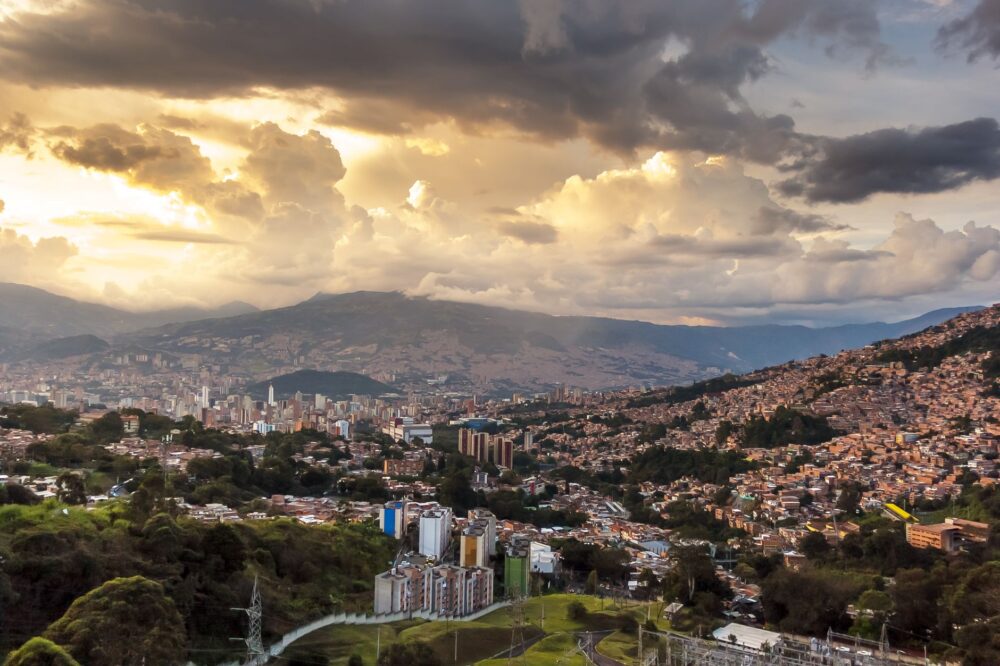
San José, the capital of Costa Rica situated at over one thousand meters above sea level, spreads across an intermontane valley where topography and tropical mountain climate have historically fostered remarkable biological richness. Although urban growth has transformed much of the original landscape, the city’s natural environment retains pockets of native vegetation that serve as indispensable refuges for numerous bird species, medium-sized mammals, and a wide variety of insects and amphibians. This fragile balance between asphalt and plant cover is the subject of ongoing study for naturalists and biologists seeking to understand how wildlife adapts to the rhythms of metropolitan life.
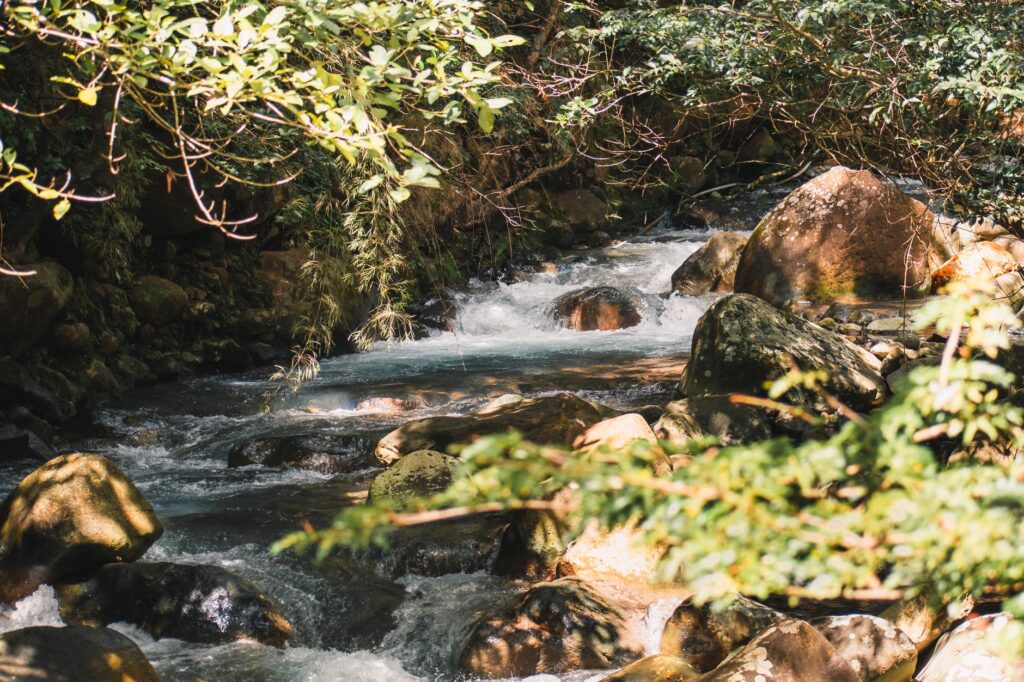
The river currents descending from the surrounding mountain foothills act as authentic ecological veins. These riparian corridors allow fauna to move through ravines and areas of difficult urban access, connecting fragments of secondary forest that would otherwise remain completely isolated. Careful observation of these spaces reveals a fascinating dynamic of biological resistance, where species adapted to human presence manage to feed, reproduce, and travel through the Costa Rican capital without abandoning their essential wild habits.
Urban Avifauna and Adaptations to the Capital Canopy
The arboreal canopy of urban parks and residential gardens in San José shelters a remarkably diverse bird community. From colorful tanagers to nocturnal raptors, avifauna finds in fruit trees and endemic species of the Central Plateau a permanent habitat or a key station along migratory routes. Specialists note that the presence of native trees such as the coral tree or preserved underbrush is decisive in maintaining stable populations of hummingbirds and grackles, birds that perform crucial ecological functions like pollination and seed dispersal.
Unlike open rural environments, birds inhabiting San José’s urban fabric have developed particular behaviors to make the most of food resources generated by human activity while minimizing acoustic stress. Nevertheless, experts insist that replacing native flora with exotic ornamental species drastically reduces the availability of insects consumed by much of the local avifauna. For this reason, municipal programs and neighborhood collectives promote the planting of native trees and shrubs to restore original trophic chains in public parks and intercommunity biological corridors.
Discreet Mammals: The Nightlife of Green Corridors
When evening falls across the valley and human activity decreases in San José’s main thoroughfares, nocturnal fauna emerges along the margins of rivers and streams. Coatis, raccoons, and various bat species take advantage of darkness to forage for fruit and small vertebrates. These mammals play a fundamental role in maintaining the valley’s ecological balance, although they frequently face severe threats stemming from habitat fragmentation, road collisions, and contact with domestic animals.
Scientific research conducted through camera traps and participatory censuses has documented the persistence of these populations in areas considered highly urbanized. The data obtained show that if minimum strips of riparian vegetation are preserved without physical obstructions, medium-sized mammals can use these ecological pathways to connect metropolitan parks with forest reserves located on the slopes of the mountains surrounding the valley. This connectivity is the primary goal of local protection regulations and community initiatives aimed at restoring riverbeds.
Herpetofauna and Entomofauna in the Tropical Alpine Ecosystem
San José’s temperate highland climate fosters a rich variety of insects, butterflies, and amphibians that depend on environmental humidity and freshwater quality. The streams crisscrossing the city, despite challenges associated with urban runoff and waste management, harbor populations of frogs and toads adapted to specific microclimates. These organisms act as sensitive bioindicators; their presence or decline immediately reflects the health status of the region’s aquatic and terrestrial ecosystems.
Meanwhile, nocturnal and diurnal pollinators find an indispensable refuge in urban forest remnants to complete their life cycles. Local entomofauna interacts closely with native flora, ensuring the reproduction of plant species that sustain the valley’s entire trophic chain. Recent initiatives driven by academic institutions seek to map these microhabitats to raise citizen awareness about the importance of avoiding the indiscriminate use of pesticides in private gardens and public spaces adjacent to riverbeds.
The Work of Local Rescue and Conservation Centers
Faced with the constant pressures of urban development, various non-profit organizations and specialized centers operate in the vicinity of San José to care for injured wildlife, animals rescued from illegal trafficking, or those affected by accidents in real estate expansion zones. These centers not only fulfill an assistive function of rehabilitation and reintroduction when possible, but also develop educational programs directed at local communities to foster respectful coexistence with nature.
Rehabilitation work demands rigorous protocols to prevent animal imprinting and ensure they regain the skills necessary to survive on their own in their natural habitat. Simultaneously, veterinarians and biologists collaborating in these institutions participate in outreach campaigns regarding responsible pet ownership and the importance of not feeding wildlife with inappropriate products. This coordinated effort constitutes a fundamental pillar to mitigate the negative impact of urbanization on native species of the Central Valley.

Environmental Education and Citizen Participation
The conservation of biodiversity in San José does not rely solely on government authorities or research centers, but depends directly on the active involvement of the canton’s residents. Citizen science programs, school workshops, and urban reforestation events mobilize hundreds of volunteers every year committed to improving their ecological surroundings. These activities gather valuable data on species distribution and foster a sense of belonging and pride regarding Costa Rican natural heritage.
Deep knowledge of local ecosystems transforms public perception of urban natural spaces, shifting them from being considered mere vacant lots to being recognized as essential common goods for public well-being and health. The integration of nature into San José’s daily life demonstrates that it is possible to inhabit a densely populated environment without giving up the presence of wildlife, provided coherent public policies and firm respect for the territory’s ecological limits are established.
Practical Guide for Responsible Observation
Exploring the natural spaces and biological corridors of San José requires following strict guidelines to avoid disturbing wildlife and preserve its habitat. Below are key recommendations for a respectful and enriching visit in Costa Rica’s Central Valley.

- Schedule Planning: Early morning hours and dusk are the most propitious times to observe avifauna and medium-sized mammals in urban parks and riverbanks.
- Use of Authorized Trails: Always stay on marked paths to prevent soil compaction and accidental destruction of nests or burrows.
- Prudent Distance: Use binoculars or telephoto lenses for observing animals; never attempt to approach, touch, or feed any wild species.
- Waste Management: Carry out all your trash and deposit it only in appropriate containers or, preferably, remove it from the protected area.
- Appropriate Attire: Wear neutral-colored clothing and comfortable footwear with good grip, in addition to carrying light rain protection and biodegradable repellent.
- Noise Respect: Avoid loud noises, music, or the use of electronic devices at high volume that could alter the natural behavior of local fauna.
- Local Support: Prefer certified naturalist guides and collaborate with educational initiatives of authorized conservation centers in the region.
Final Reflection on Urban and Wildlife Coexistence
The conservation of wildlife in urban environments such as San José is not merely a technical challenge of environmental management, but an ethical testament to our capacity to share territory with other life forms that also call this fertile valley home.
The future of biodiversity in San José will depend on the firmness with which the remaining green corridors are protected and on collective sensitivity toward the natural heritage surviving among buildings and streets. Every preserved tree, every rehabilitated river, and every square meter of recovered native vegetation represents a direct investment in the quality of life of present and future generations, consolidating the Costa Rican capital as a benchmark of ecological adaptation and respect in Central America.