
La Serena and the Fragility of Its Littoral Ecosystems
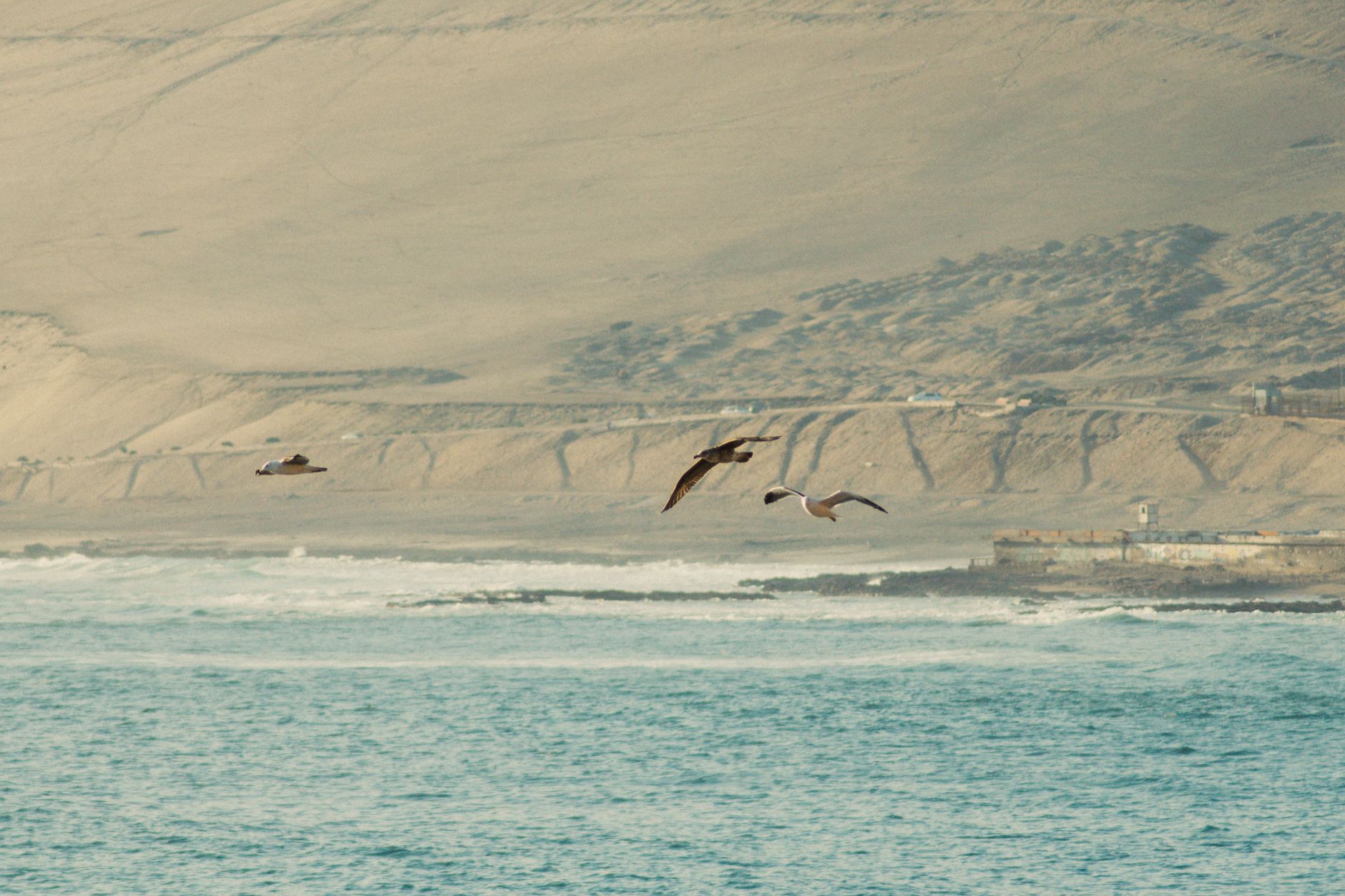
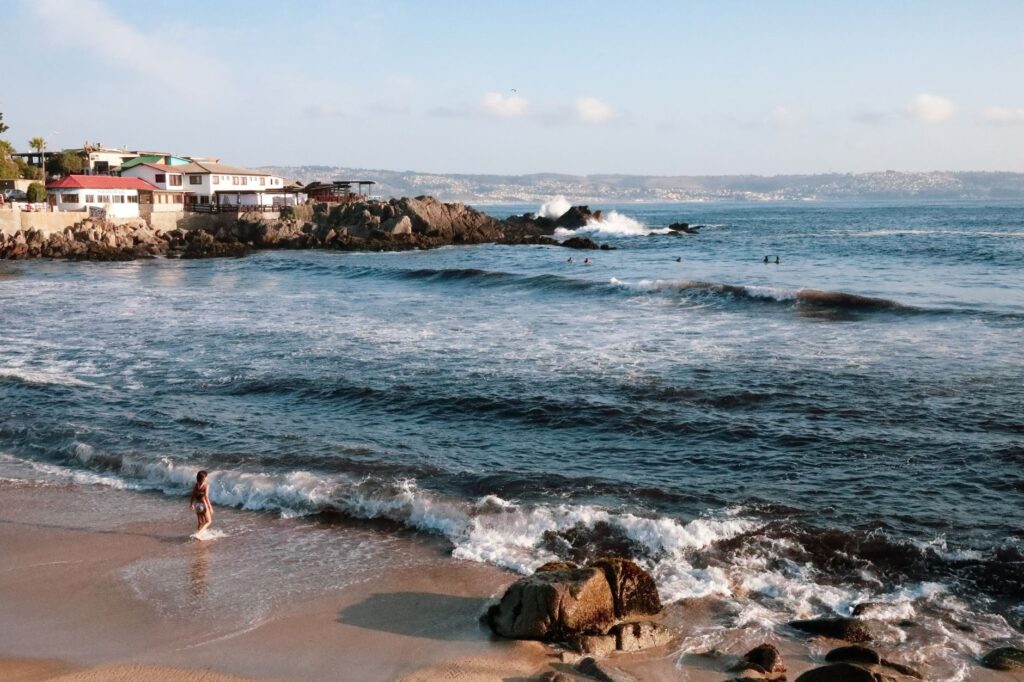
In the northern territory of Chile, the commune of La Serena unfolds a landscape where the desert meets the Pacific Ocean. Beyond its recognized neocolonial architecture and extensive beaches, this territory harbors ecological systems of great value undergoing a complex urban transition. Coastal wetlands, situated at the mouths of watercourses descending from the Andes mountain range, constitute true refuges for local and migratory biodiversity. However, infrastructure growth, real estate pressure, and intensive land use test the resilience of these habitats.
The conservation of these spaces does not rely solely on distant national regulations, but on the steady work carried out by citizen collectives, regional universities, and municipal offices. In recent years, awareness regarding the importance of protecting native flora and fauna has gained ground in the public agenda. Protecting a wetland in consolidated urban settings implies redefining the relationship between the city and its natural environment, understanding that water and autochthonous vegetation are essential elements to buffer the effects of climate change and preserve the landscape identity of the region.
Daily Threats and Pressures on the Coastal Edge
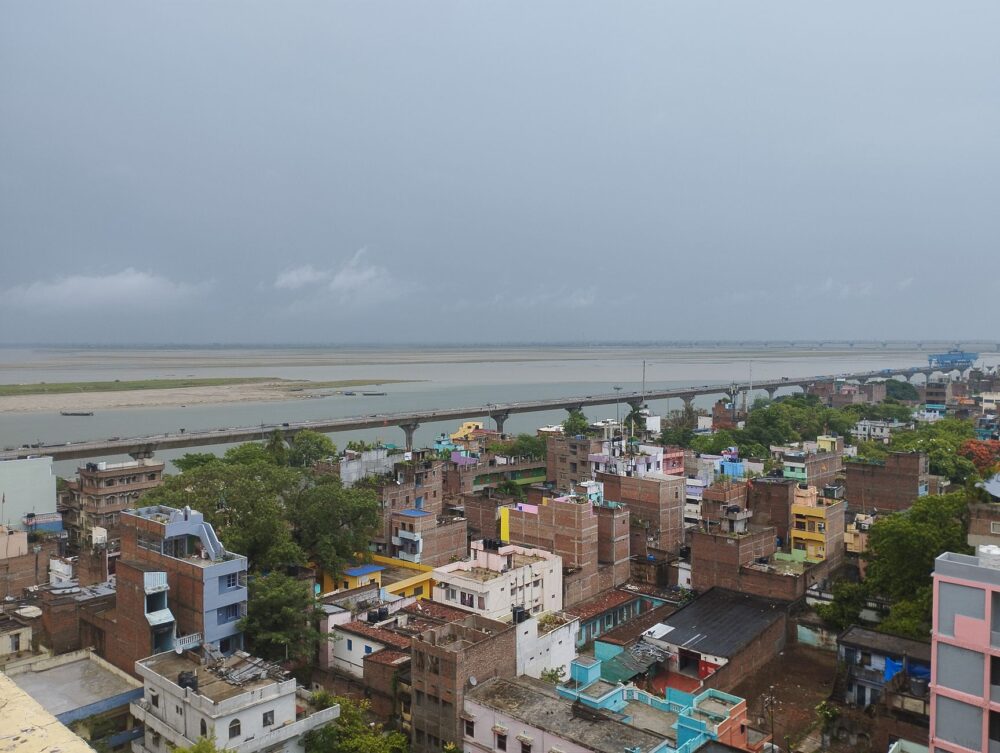
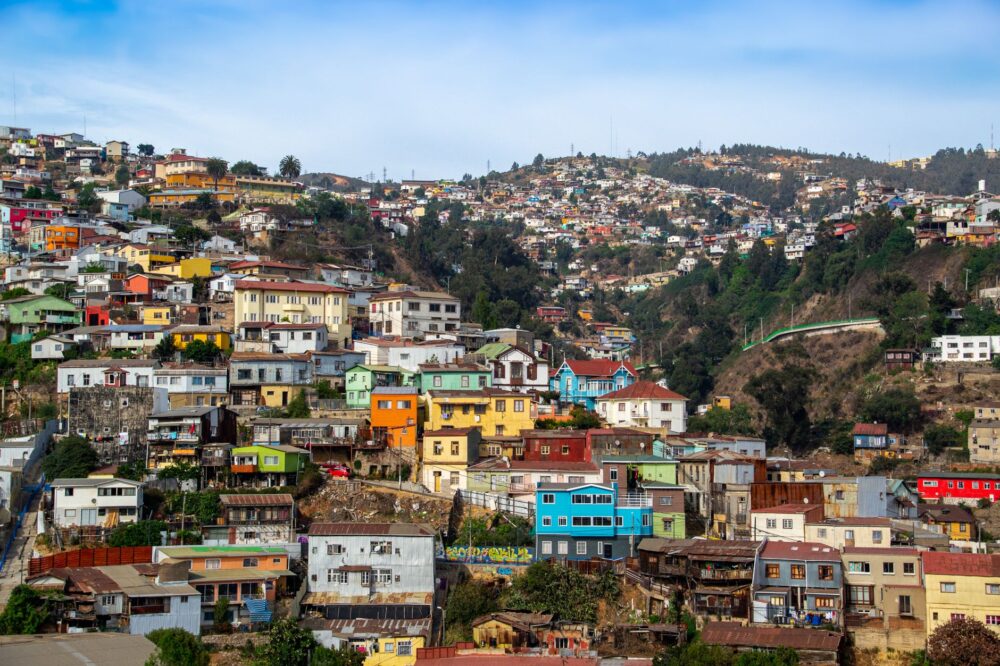
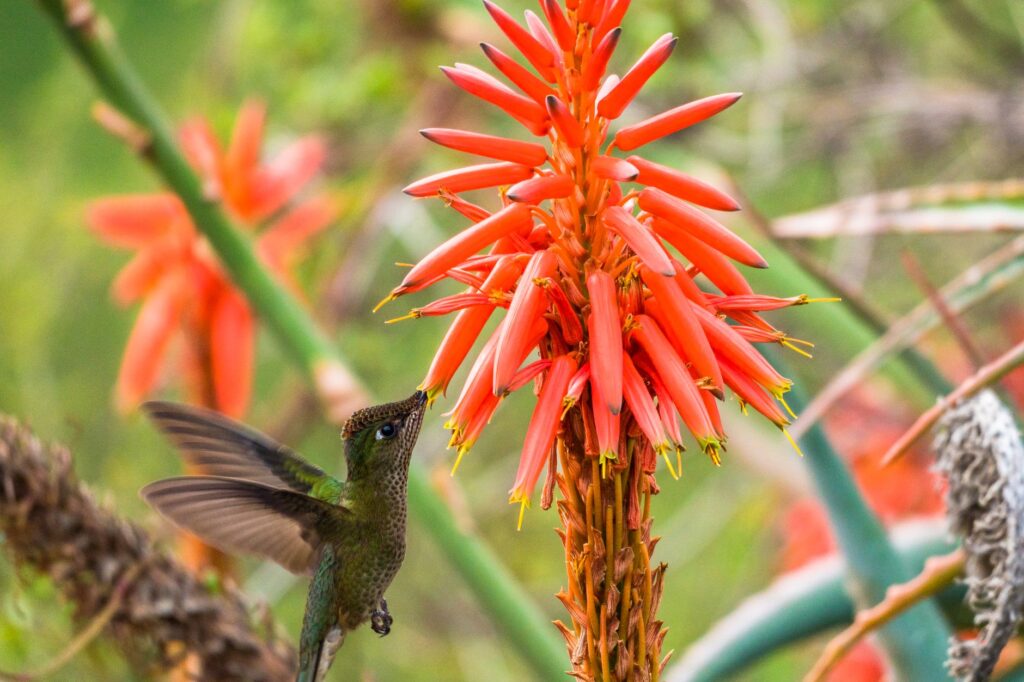
The ecological balance of La Serena faces daily challenges stemming from disorderly urban expansion and the fragmentation of natural habitats. Road construction, household waste accumulation, and unregulated vehicular traffic over fragile zones generate progressive soil degradation and alter local hydrological cycles. These pressures not only affect the landscape, but drastically reduce nesting and feeding areas for numerous endemic and migratory bird species that depend on these wetlands to complete their life cycles.
Added to this is the illegal extraction of aggregates and the arbitrary modification of water channels in peripheral sectors. Community organizations systematically denounce these practices, pointing out that the lack of timely oversight accelerates the irreversible loss of biodiversity. To mitigate these impacts, residents and environmental groups organize voluntary cleanup days, environmental monitoring, and educational outreach directed at visitors, reminding them that the tourism appeal of the coast cannot be sustained upon the destruction of its ecological foundations.
Local Governance and Citizen Participation
Faced with institutional limitations, environmental governance in La Serena relies decisively on the community fabric and neighborhood collaboration networks. Various local groups have assumed an active role in defending the territory, demanding greater transparency in urban planning and promoting official protection figures for the most threatened ecosystems. This constructive activism has allowed the articulation of working tables where residents, academics, and municipal authorities converge to seek consensual solutions.
Citizen participation translates into concrete actions such as the installation of informative signage, the physical delimitation of trails to prevent trampling of dune vegetation, and participatory inventories of flora and fauna. These initiatives demonstrate that effective conservation requires daily and horizontal commitment, where each inhabitant recognizes themselves as a custodian of natural heritage. Environmental education thus ceases to be a theoretical concept to become a practice rooted in respect and direct knowledge of the environment.
The Role of Science and Regional Research
Scientific knowledge generated by universities and research centers present in the region is indispensable to substantiate conservation strategies in La Serena. Biologists, ecologists, and geographers continuously study wetland dynamics, water quality, and the behavior of bird populations and native plant species. These studies provide objective data that support demands for legal protection and allow precise evaluation of the health status of littoral ecosystems.
Collaboration between academia and community organizations strengthens the response capacity to environmental emergencies, such as pollutant spills or unauthorized interventions. Thanks to this bridge between science and the street, technical reports become accessible tools for the citizenry, facilitating the understanding of complex ecological processes. Rigorous research ensures that mitigation and ecological restoration measures respond to solid technical criteria rather than improvised solutions.
Verifiable Measures and Habitat Restoration
The implementation of ecological restoration projects in La Serena marks a paradigm shift in the environmental management of the territory. Instead of limiting themselves to halting deterioration, various initiatives seek to recover degraded areas through the reintroduction of native species, the cleaning of water bodies, and the enablement of low-impact infrastructure for nature observation. These interventions are planned with measurable goals and determined deadlines, allowing their success to be evaluated through scientific indicators of biodiversity recovery.
Among the most prominent actions is the creation of protection polygons in key sectors, accompanied by restrictions on vehicular access and forest management plans featuring native flora. Institutions responsible for environmental enforcement conduct periodic monitoring to verify compliance with these measures. Restoration, therefore, consolidates as a technical and social process in which landscape recovery goes hand in hand with strengthening collective awareness regarding the urgency of caring for water and land.
Cultural Heritage and Socioenvironmental Memory
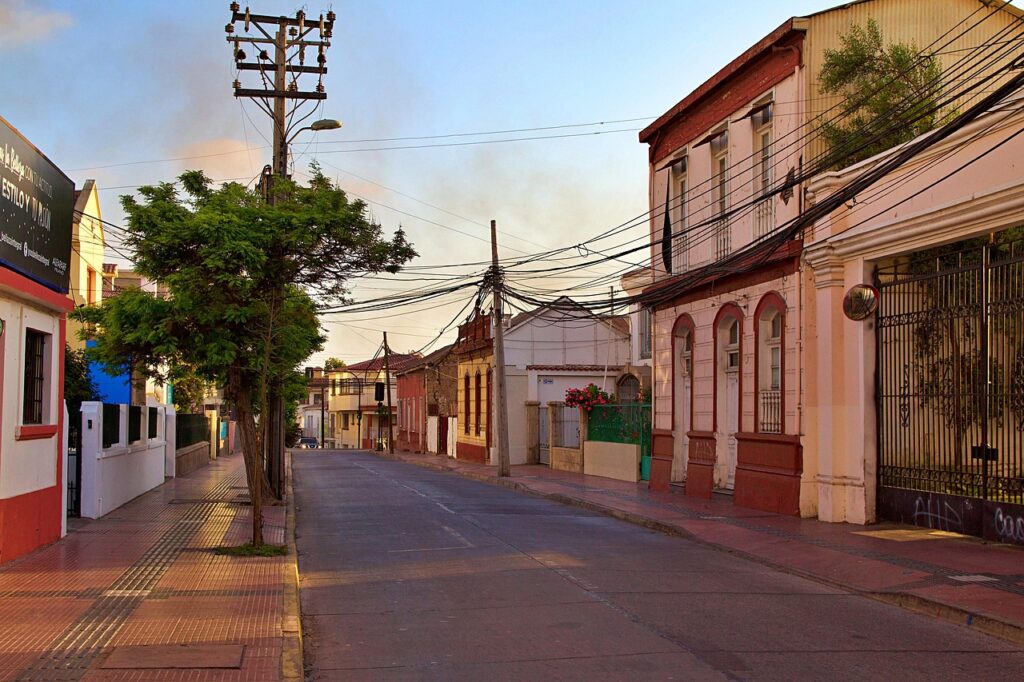
The identity of La Serena is not understood solely through its historical monuments and traditional stone churches, but also through the socioenvironmental memory linking its inhabitants to the surrounding territory. Local communities preserve traditional knowledge regarding water use, seasonal cycles, and coexistence with autochthonous fauna, knowledge that complements current technical diagnostics. This intersection between history and ecology reinforces the conviction that natural heritage and cultural legacy form part of an indivisible fabric.
Recognizing the value of wetlands and urban wild spaces as part of the commune’s living heritage allows overcoming the view of nature as a mere exploitable resource. Environmental interpretation activities and guided tours organized by local entities invite the rediscovery of the city from a perspective respectful of its environment. Thus, collective memory acts as a containment dike against forgetfulness and speculation, reminding us that La Serena’s sustainable future depends on preserving its territorial memory.
The defense of an urban wetland is not a brake on development, but the guarantee that the city preserves the vital resources that make life possible for its future generations.
The challenge facing La Serena is shared by many coastal cities in Latin America seeking to reconcile demographic growth with the integrity of their ecosystems. Local experience demonstrates that environmental preservation demands constancy, adequate resources, and an informed citizenry capable of demanding coherent public policies. Every square meter of recovered wetland and every protected species represent a tangible advance toward a more balanced development model respectful of the territory’s natural limits.

Practical guide
- How to get there: La Serena is connected terrestrially via Route 5 North and features La Florida Airport, which receives regular domestic flights from Santiago, Chile.
- Best time to visit: The spring and summer months (October to March) offer pleasant temperatures, although the optimal period for observing migratory birds extends between September and November.
- Sustainable mobility: It is advisable to explore the historic center on foot and use public transport or bicycles to travel toward coastal sectors and urban wetlands.
- Visitor rules: Entering dune and wetland areas with motorized vehicles, discarding waste, or altering native vegetation and bird nesting sites is strictly prohibited.
- Information centers: Consulting local tourism offices and the platforms of environmental organizations in the Coquimbo Region is suggested to learn about ongoing education and volunteering activities.
As dusk falls, the golden light of the Pacific illuminates the contours of the city and recalls the importance of maintaining a balance between the urban pulse and the quietude of its natural spaces. La Serena moves toward its future with the conviction that protecting its environment is the only way to preserve its true essence.