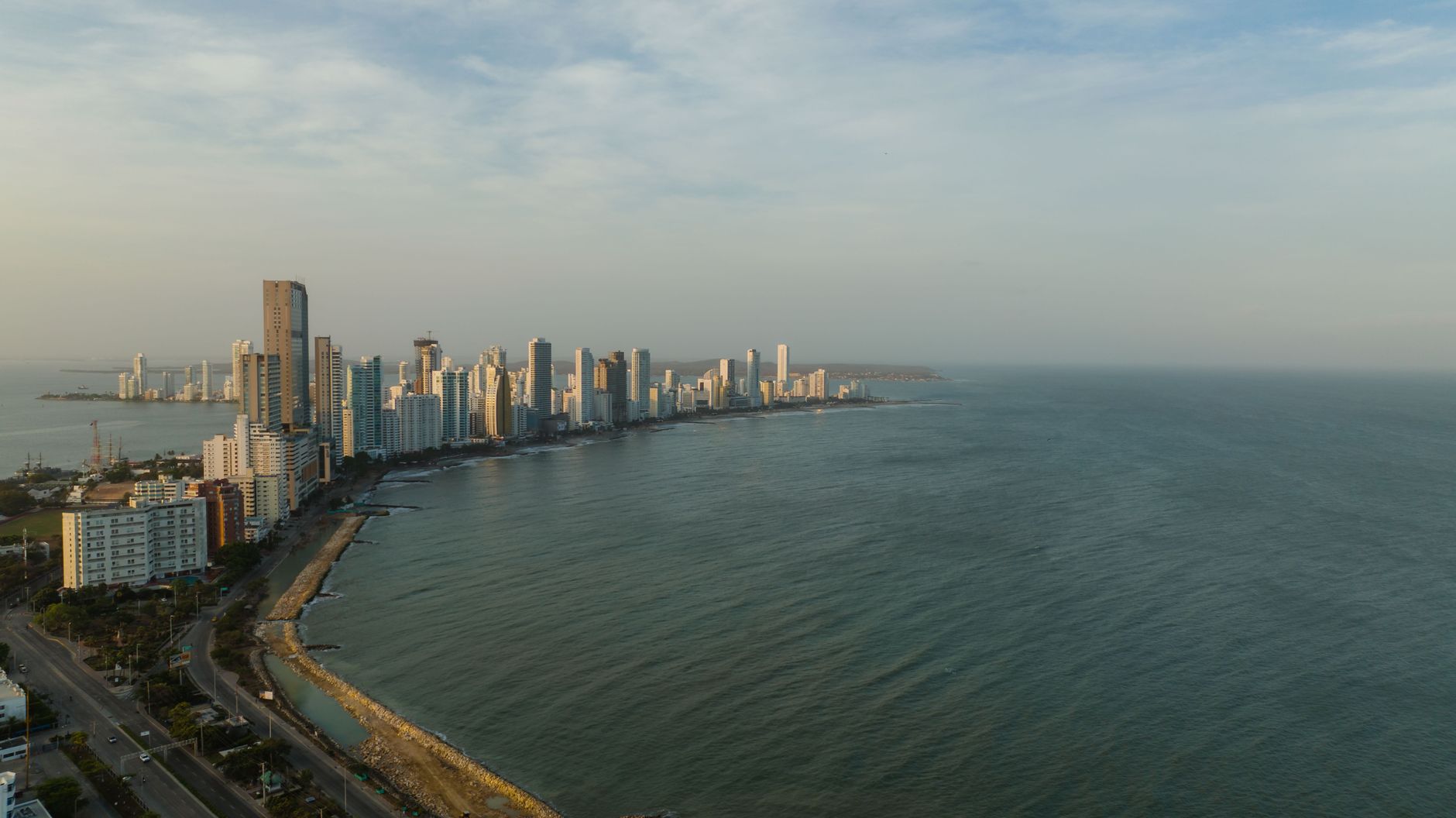

Cartagena de Indias, on Colombia’s Caribbean coast, is a place where history can be touched. Its walls, fortresses and cobbled streets withstand the passage of time, but also the push of ever-growing tourism. The walled city, declared a World Heritage Site by UNESCO in 1984, is an eminent example of military architecture from the 16th to 18th centuries. Yet that same fame has placed it at a crossroads: how to preserve its essence without turning it into a theme park.
This report explores daily life inside the walls, initiatives to keep the social fabric alive, and the decisions visitors can make so their presence adds rather than subtracts. It does not pretend to be a firsthand chronicle; it draws on public heritage documentation and the city’s own institutional record to describe a place that belongs, above all, to the people who live in it.
A port coveted by empires
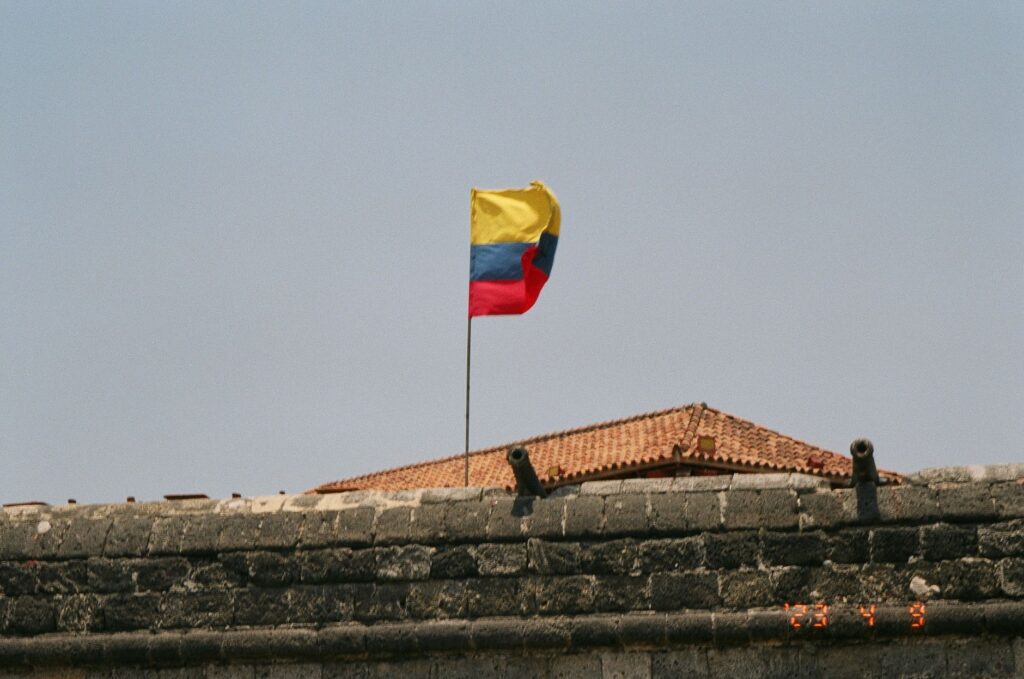
Cartagena’s bay offered a natural harbour in the Caribbean Sea. That strategic advantage made it a key commercial hub and a military target. Spain built here the most extensive fortification system in South America, with walls, bastions and castles such as San Felipe de Barajas. During the 16th to 18th centuries, the city was an essential link in the maritime routes connecting the New World with Europe.
Today, those defences are the stage for urban life. The bastions have become viewpoints, and the walls, promenades at sunset. But history is not just a backdrop: it is the economic engine of a city that depends largely on tourism.
Three neighbourhoods, three memories
The historic centre is divided into three areas with distinct identities. San Pedro, or Centro, houses the cathedral, the Palace of the Inquisition and the mansions of wealthy merchants. San Diego, once a neighbourhood of artisans and the middle class, retains a quieter air. Getsemaní, the popular quarter, was for centuries home to slaves and free workers; today it is a hotbed of art, music and hostels.
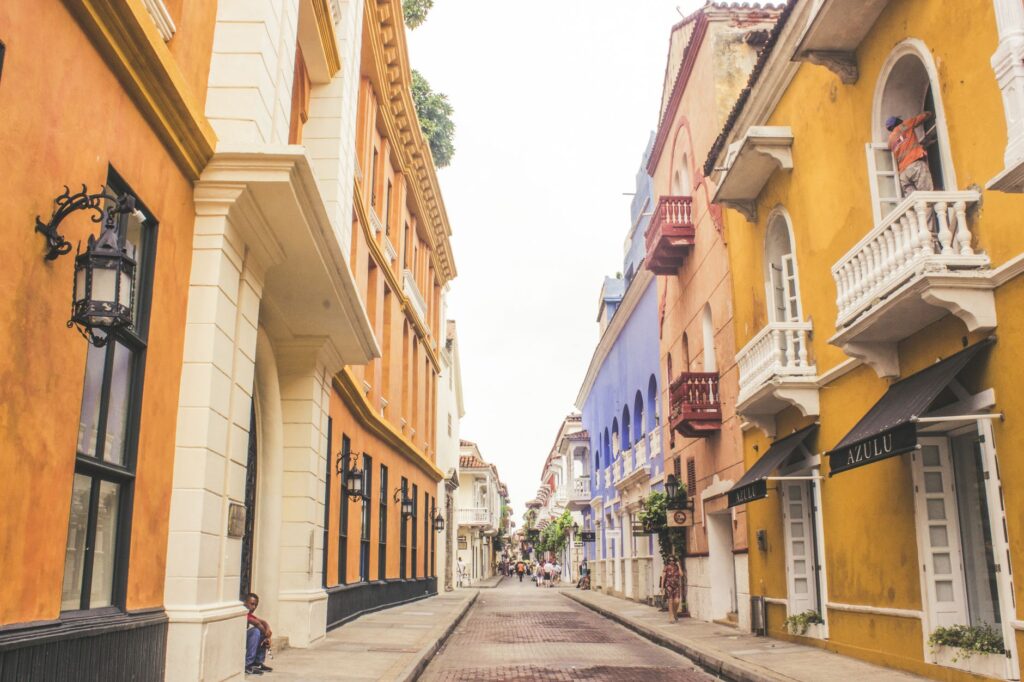
Walking these streets is to traverse layers of memory. In Getsemaní, for instance, murals tell stories of resistance and celebration. Plaza de la Trinidad, once a community gathering space, is now a meeting point for tourists and locals. That coexistence is not always harmonious.
“Heritage is not just stone; it is the people who give it meaning. If residents leave, the city empties of soul.”
The phrase, repeated by local cultural managers, sums up the challenge. Real estate pressure and speculation have displaced some long-time residents. Houses become boutique hotels or luxury shops, and prices rise. The result is a centre that attracts visitors from around the world, but risks losing those who keep it alive year-round.
Tourism as engine and threat
Cartagena receives millions of visitors annually. Cruise ships dock at the port and disembark thousands who tour the streets in a few hours. That flow generates income, but also saturation. In high season, squares and alleys become difficult to navigate. Restaurants and shops cater to visitors, and basic services for residents become more expensive.
UNESCO has noted that changes in uses due to tourism impact could negatively affect the authenticity of functions and the spirit of the place. This is not exclusive to Cartagena: Venice, Barcelona and Dubrovnik face similar dilemmas. The difference is that Cartagena still has room to act.
The tension is structural, not incidental. A historic centre that depends on visitors must also serve the people who live there every day: schools, clinics, markets and transport cannot be designed only for peak season. When the balance tips, the city may keep its façades but lose the routines that made those façades meaningful in the first place.
Initiatives for a possible balance
Various actors work to prevent the historic centre from becoming a backdrop. The Institute of Heritage and Culture of Cartagena (IPCC) promotes training programmes for artisans and guides. The Society for Public Improvements and the Corporation of the Historic Centre of Cartagena encourage conservation with community participation. There are also projects to maintain affordable housing and prevent displacement.
Some hotels and restaurants have adopted responsible practices: they hire local suppliers, reduce plastics and offer information about heritage. The key, experts say, is for tourism to be a tool for development and not a force that displaces the community.
Public policy also matters. National legislation protects the historic centre as a monument, and interventions require prior authorisation from cultural authorities. Local planning instruments include a dedicated section for the historic centre. The challenge is less about having rules than about applying them consistently, with resources and citizen oversight.
Getsemaní: creative resistance
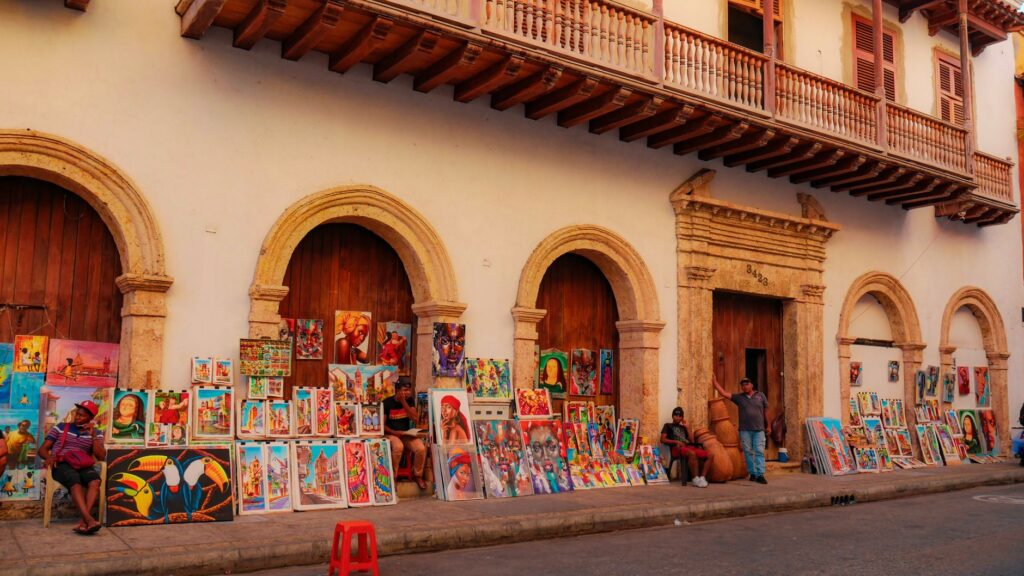
Getsemaní is where tension is most visible. Its narrow, colourful streets attract photographers and travellers. But it is also a territory of residents fighting to stay. Cultural collectives organise workshops, fairs and festivals to reaffirm the neighbourhood’s identity. Music and art are forms of resistance.
In its squares, Afro-Caribbean rhythms are heard and traditional dances are seen. Young people have found in tourism a source of income, but they are also aware of the risks. “We want people to come, but to respect”, says an artisan selling woven bags. “We are not a stage; we live here”.
Architecture as living memory
Wooden balconies, carved doors and interior patios are part of Cartagena’s appeal. But maintaining them requires investment and technical knowledge. Restoration must respect original materials and techniques. The National Restoration Centre and the School Workshop have trained generations of artisans in trades such as cabinetmaking, ironwork and traditional masonry.
However, not everything is preserved. Some modern interventions have sparked debate. The construction of a mass transit system, Transcaribe, has modified the urban fabric and posed challenges to heritage integrity. Authorities assure that measures are taken to mitigate impact, but citizen vigilance is constant.
Between conservation and daily life
Heritage conservation is often presented as a technical matter, but in Cartagena it is also a social one. Restoring a balcony or a doorway is expensive, and not every owner can afford it. When costs rise, properties change hands, and the people who knew the building’s history move elsewhere. Preservation without residents can produce beautiful streets that feel strangely empty after dark.
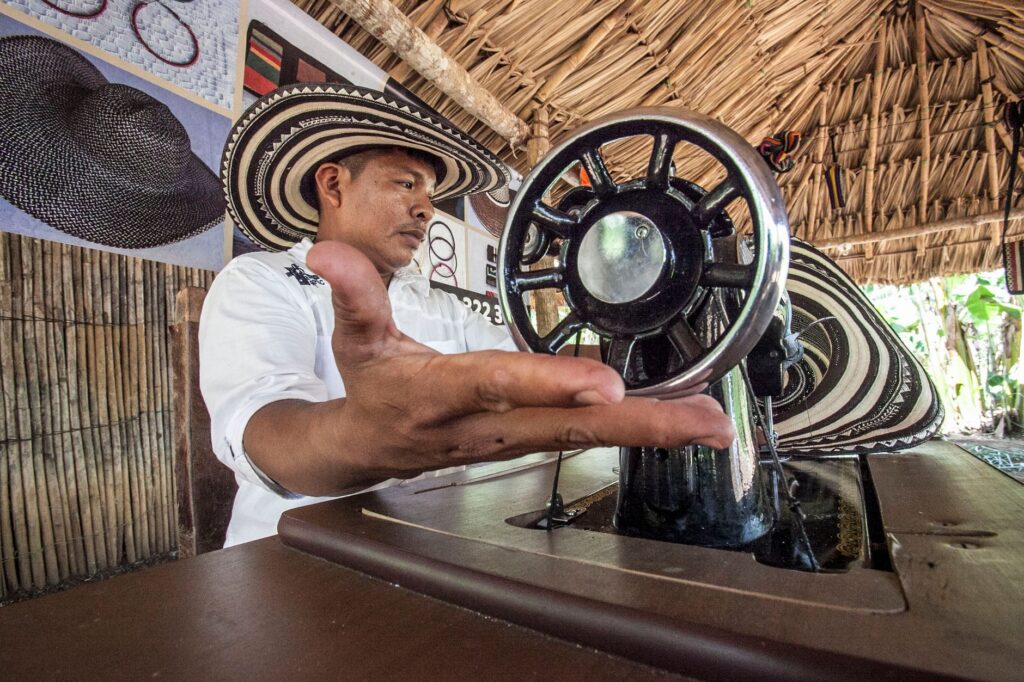
This is why many local efforts focus on livelihoods as much as on stone. Training in traditional trades offers income and keeps skills alive. Community tourism initiatives aim to spread benefits beyond the main squares. Cultural programming gives neighbourhoods a reason to gather that is not purely commercial.
What visitors can do
Travellers have considerable power. Choosing accommodations that respect the environment, buying from local artisans and hiring certified guides are ways to contribute. So is informing oneself about history and culture before arriving, and behaving respectfully in public spaces.
Avoiding peak hours, exploring neighbourhoods beyond the tourist circuit and participating in cultural activities organised by the community are gestures that make a difference. The city is not a museum; it is a place where people live. That awareness is the first step towards more just tourism.
It also helps to ask questions before spending: who owns the business, where the products come from, whether the tour employs local people. Small decisions, repeated by many visitors, can shift the incentives that shape the historic centre.
Practical guide
To visit Cartagena de Indias with a responsible eye, consider these recommendations:

- Accommodation: Choose locally managed boutique hotels or guesthouses in neighbourhoods like Getsemaní or San Diego. Check that businesses have sustainability policies.
- Transport: The historic centre is walkable. For longer distances, use authorised taxis or apps. The Transcaribe system connects areas outside the walls.
- Shopping: Buy crafts directly from producers. Arhuaca bags, filigree jewellery and vueltiao hats are typical. Avoid industrial replicas.
- Culture: Visit San Felipe de Barajas Castle, the Zenú Gold Museum and the Casa de Rafael Núñez. Join guided tours led by local historians.
- Etiquette: Respect private homes. Do not enter patios without permission. In Getsemaní, avoid intrusive photographs of residents.
- Best time: December to April is the dry season, but also the busiest. May to November is wetter, with fewer crowds.
The city offers a cuisine rich in Caribbean flavours: arepas de huevo, ceviche, coconut rice and fried fish. Markets like Bazurto, though chaotic, are a window into local life.
A future in balance
Cartagena de Indias is not just a destination; it is a living territory. Its heritage is fragile and requires care. The tension between conservation and tourism will not be resolved overnight, but there are signs of hope. The community, institutions and visitors can build together a model that respects memory and allows development.
At the end of the day, when the sun sets over the bay and the walls turn orange, it is clear that Cartagena’s true wealth lies in its people. They are the ones who keep the city alive, beyond the postcards. Choosing to travel with awareness is a way to honour that work.