
The Impossible Geometry Above Northern Abysses
The Norwegian territory has historically enforced a relationship of absolute tension and respect with its geography. Among snow-capped peaks plunging vertically into the dark waters of the Sognefjord, the Flåm Line stands as one of the most daring railway engineering feats on the planet. It is not merely a tourist route connecting the heights of Myrdal with the valley floor in Flåm, but a vital artery that for decades defied the limits of physics to rescue coastal and high-mountain communities from isolation.
Along its twenty-plus kilometers, the route overcomes a vertiginous elevation gain approaching nine hundred meters. To achieve this, early 20th-century engineers had to devise a gradient system reaching a one-in-eighteen ratio in certain sections, making it one of the steepest conventional adhesion railways in the world. Every meter of track required carving into the living rock of the mountain with chisel and dynamite, boring twenty tunnels that spiral to gain height within the rock mass.
The socio-economic context driving its construction responded to the urgent need to connect western interior settlements with the main network linking Oslo and Bergen. Before the official inauguration of regular service, the transport of goods, livestock, and people relied on bridle paths that became impassable during long, harsh winter months. The railway not only shortened unfathomable distances but fundamentally transformed the logistical sovereignty of a region divided by impassable gorges and glacial torrents.
The Architecture of Rock and Steam
Building over vertical abysses demanded unprecedented technical solutions in contemporary Europe. Nearly eighty percent of the route rests on a steep gradient, forcing the design of multiple braking systems on both locomotives and passenger units. The bridges spanning the gorges are not mere crossing structures; they are masterpieces of stonemasonry and structural steel built to withstand the constant onslaught of katabatic winds descending from the Hardangervidda plateau.

The interior layout of the tunnels reveals the titanic effort of workers who toiled between 1923 and 1940. Many of these tunnels were excavated by hand or with rudimentary drills, tracing tight curves that force the train to circle back on itself as it climbs or descends the slope. This loop arrangement allows steady elevation gains without breaking the structural continuity of the mountain, though it subjects bogies and traction systems to extraordinary mechanical wear.
At intermediate stations like Berekvam or Kårdal, the infrastructure is strictly functional: passing loops blasted into the rock to allow two-way traffic on a single track. Millimetric precision in traffic management is an operational necessity here, where human error or an avalanche can cut off the valley’s sole overland supply line for days.
The Human Pulse Against the Weather
The daily operation of the Flåm Line relies as much on cutting-edge technology as on the unwavering judgment of drivers and maintenance crews. Unlike high-speed networks running across sterile plains, this mountain railway coexists daily with the fury of elements. Snowstorms, rockfalls caused by thaw cycles, and ice buildup on the rails require constant nighttime inspections before the first convoy starts its morning route.
Local communities inhabiting the valley and high plateaus maintain a profound symbiosis with the train’s passage. For residents of Kjosfossen or Vatnahalsen, the railway represents the umbilical cord guaranteeing medical supplies, mail, and fuel when road access is completely blocked by snow depths. This winter isolation turns the station master and track crew into central figures of the valley’s social cohesion.
blockquote>The Flåm train is not an aesthetic whim for idle travelers; it is a life-support structure sustaining the habitability of a territory sculpted by ice and verticality.
The human factor is also evident in the preservation of traditional railway trades. Workers manually greasing point switches exposed to sub-zero temperatures and slope stability specialists testify to a labor culture where generational experience outweighs any digitized technical manual.
Energy Transition and Alpine Sustainability
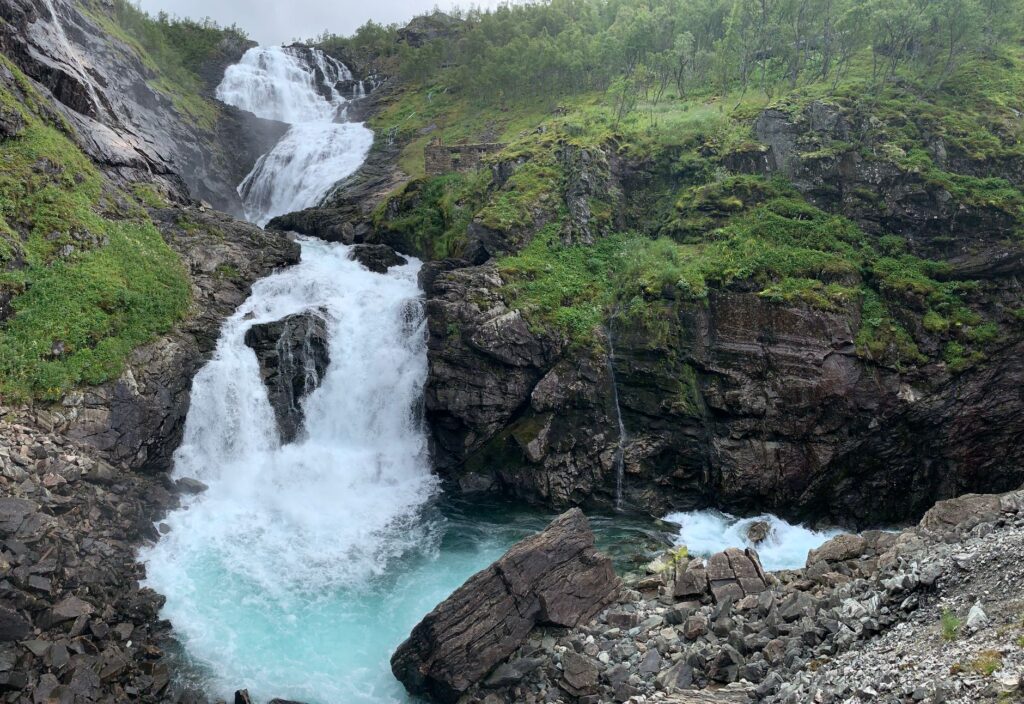
In the contemporary context of European mobility, the Flåm Line stands out for having adopted electric traction since the 1940s, harnessing the massive hydroelectric potential of surrounding rivers and waterfalls such as the famous Kjosfossen. This historic commitment to clean energy positions the corridor today as an international benchmark for low-emission transport, decades ahead of current continental decarbonization guidelines.
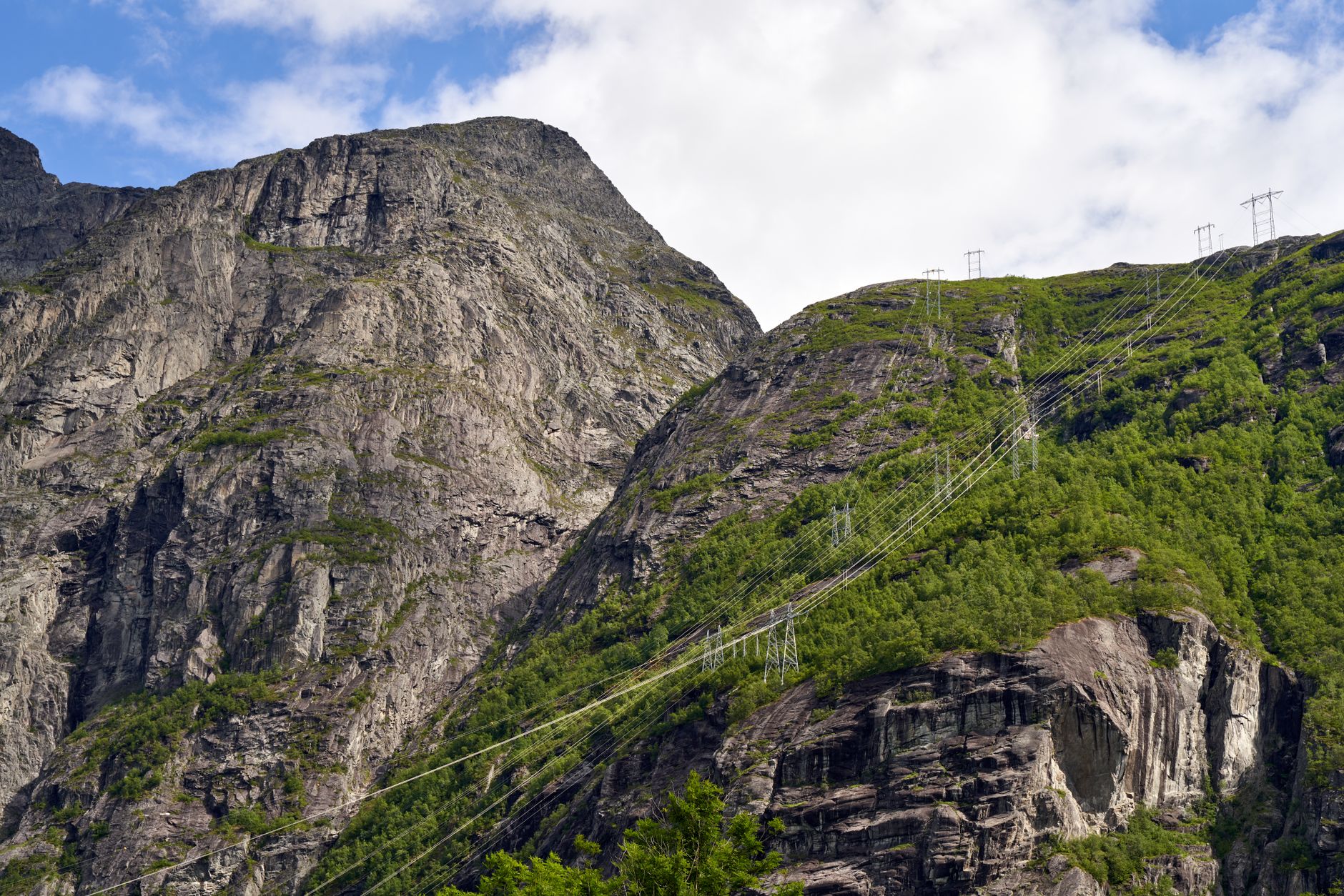
However, electrifying a mountain line in such a fragile natural environment poses complex ecological challenges. Maintaining catenaries and high-voltage poles along unstable slopes requires specialized auxiliary diesel railcars and occasionally aerial operations via helicopters to avoid damaging the valley’s protected vegetation cover. Water resource management for the small power plants feeding the track must also be balanced with protecting ecological flows for salmon in neighboring rivers.
Mass international tourism pressure has forced railway operators to rethink passenger load capacities. Balancing economic profitability with the preservation of the fjord’s fragile ecosystem is the ultimate logistical dilemma today, preventing tourist volume from compromising the structural safety and millimetric punctuality required by such a complex route.
Engineering Against Gravity: Turnouts and Safety Systems
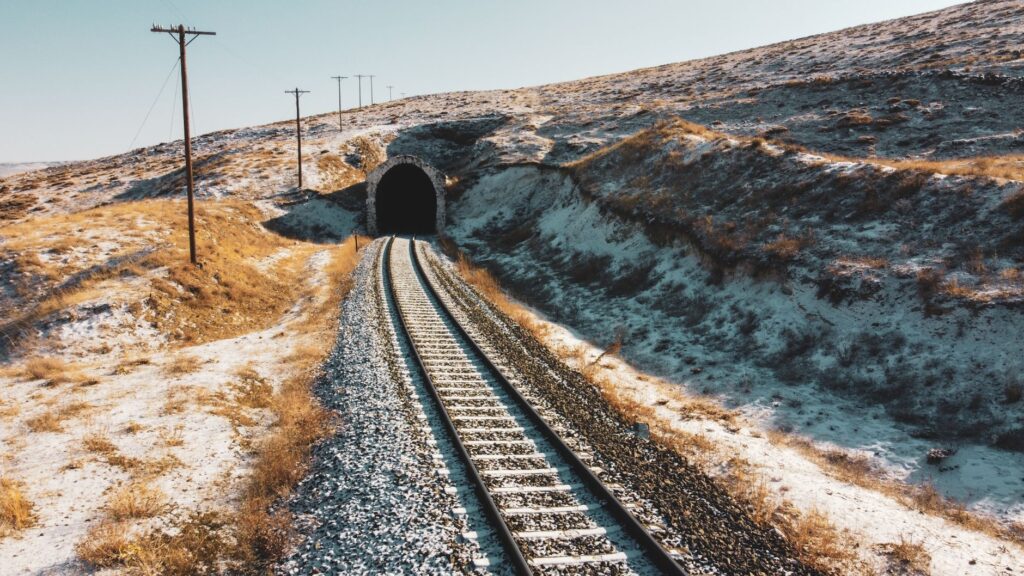
The technical heart of the line lies in its passive and active safety systems. Lacking a central rack rail, adhesion between steel wheel and rail is the sole factor preventing slippage on steep descents. To counter inherent risks, current units incorporate up to four independent braking systems, including electromagnetic track brakes acting directly on the rails in case of pressure loss in the main pneumatic circuit.
Tunnels cutting through the mountain are equipped with snow shelters and reinforced concrete retaining walls designed to divert avalanches and mudslides triggered by heavy autumn rains. These civil engineering structures are inspected via laser sensors and thermal cameras detecting minute shifts in rock strata before they pose a real danger to passenger and freight train traffic.
Traffic management is coordinated from a centralized control center monitoring each convoy’s position in real time via radio-link beacons. Given the abrupt orography, satellite communications and microwave repeaters are essential to eliminate blind spots in canyons where terrestrial signals disappear entirely, ensuring operational command chains suffer no fatal interruptions.
Economic Impact on Sognefjord Communities
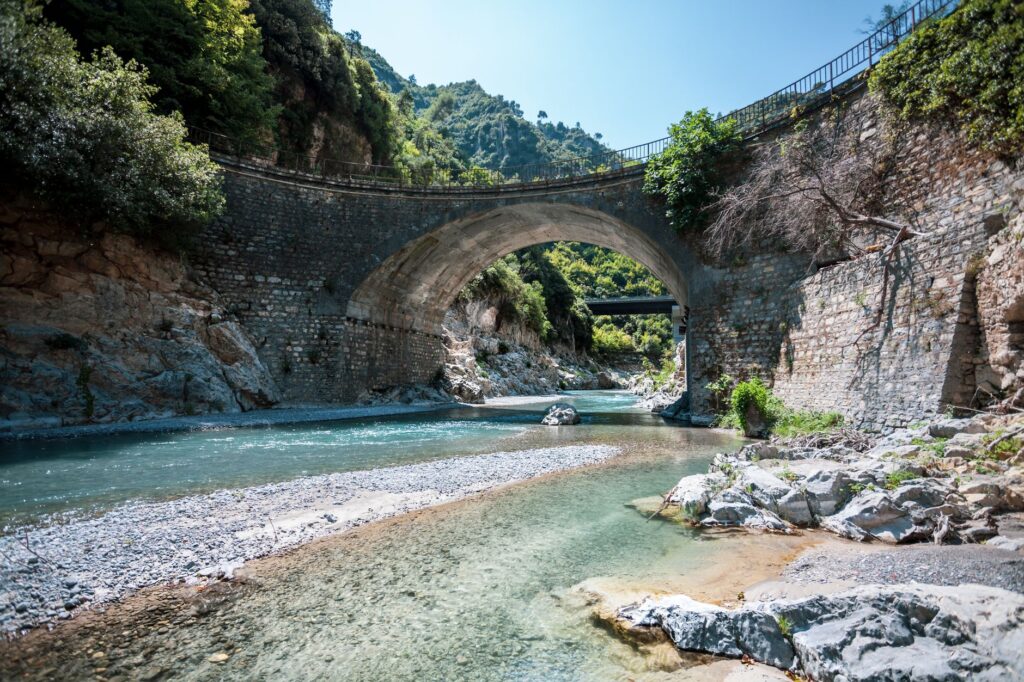
The financial viability of such an expensive infrastructure to maintain has historically depended on its dual functionality: public utility regional transport and international tourism corridor. Revenues generated by visitors ascending from cruise ships docked in the fjord heavily subsidize the maintenance of daily services used by local residents for medical and work commutes toward Myrdal and Voss.
However, this economic dependency creates strains on transport capacity. During summer months, platform congestion at Flåm station requires millimetric planning of departure frequencies. Local and railway authorities have had to implement strict reservation quotas to prevent trains from exceeding safe weight limits recommended for running on the route’s steepest ramps.
blockquote>Sustaining a railway line across Norwegian abysses requires a constant balance between economic viability and the preservation of local life against seasonal saturation.
The economic development induced by the train has prevented total depopulation in the valley’s small agricultural settlements, allowing local artisanal cheese production and high-mountain livestock farming to find rapid, direct commercial outlets into major Norwegian urban markets.
Practical guide
How to get there: The Flåm Line connects at Myrdal station with the Bergen Railway (Bergensbanen), directly linking Oslo and Bergen. Driving to Flåm station by main road is impossible during winter months due to mountain pass closures, making the train the only safe entry route.
Ticket planning: Tickets for the Flåmsbana must be booked months in advance during the summer season (June to August) due to high international demand. Purchasing combined tickets covering the entire journey from Oslo or Bergen is recommended to guarantee connections in Myrdal.
Luggage and restrictions: Passenger units have limited space for large bags. Traveling with light hand luggage is advised. Transporting hazardous materials or high-capacity batteries without prior authorization from the local rail operator is strictly prohibited.
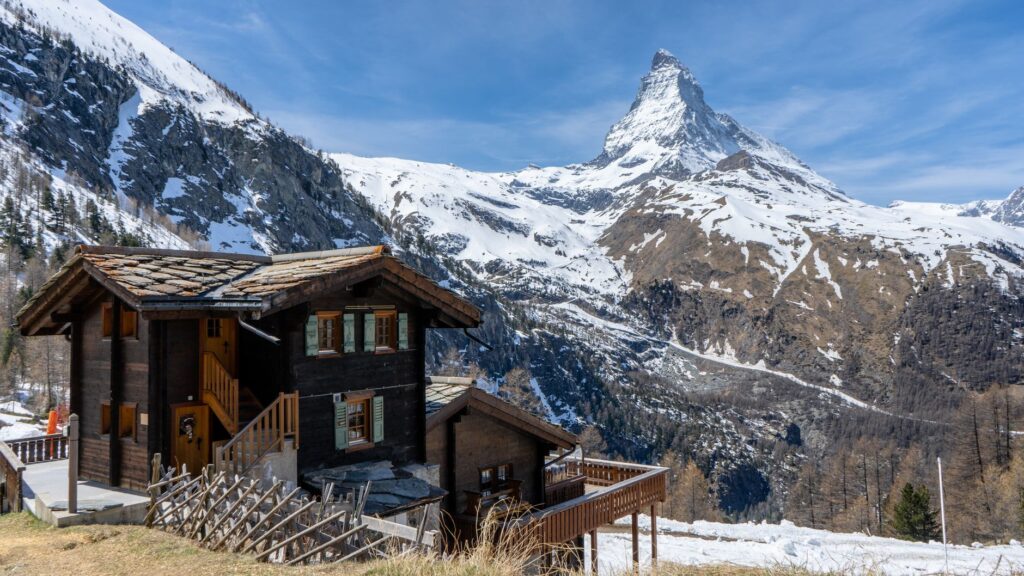
Best time to travel: While summer offers an explosion of green and high-flowing waterfalls, winter transforms the landscape into a white desert of high photographic value, albeit with reduced schedules and subject to cancellations due to adverse weather conditions.
The Eternal Beat of Metal Over the Abyss
When the day’s last convoy crosses the gorge and halts under the gloom of rocky cliffs, absolute silence reclaims dominion over the Flåm Valley. In that instant, the mountain ceases to be an insurmountable obstacle and becomes a silent witness to human tenacity. The wooden sleepers and steel profiles oxidized by the fjord’s humidity support not only the weight of locomotives, but the collective memory of a people who refused to remain isolated from the world. In every tight curve over the abyss beats the conviction that engineering, when bowing with humility before nature, can build bridges where the earth once offered only separation and drop.