
The Liquid Geography of the Andean Rooftop
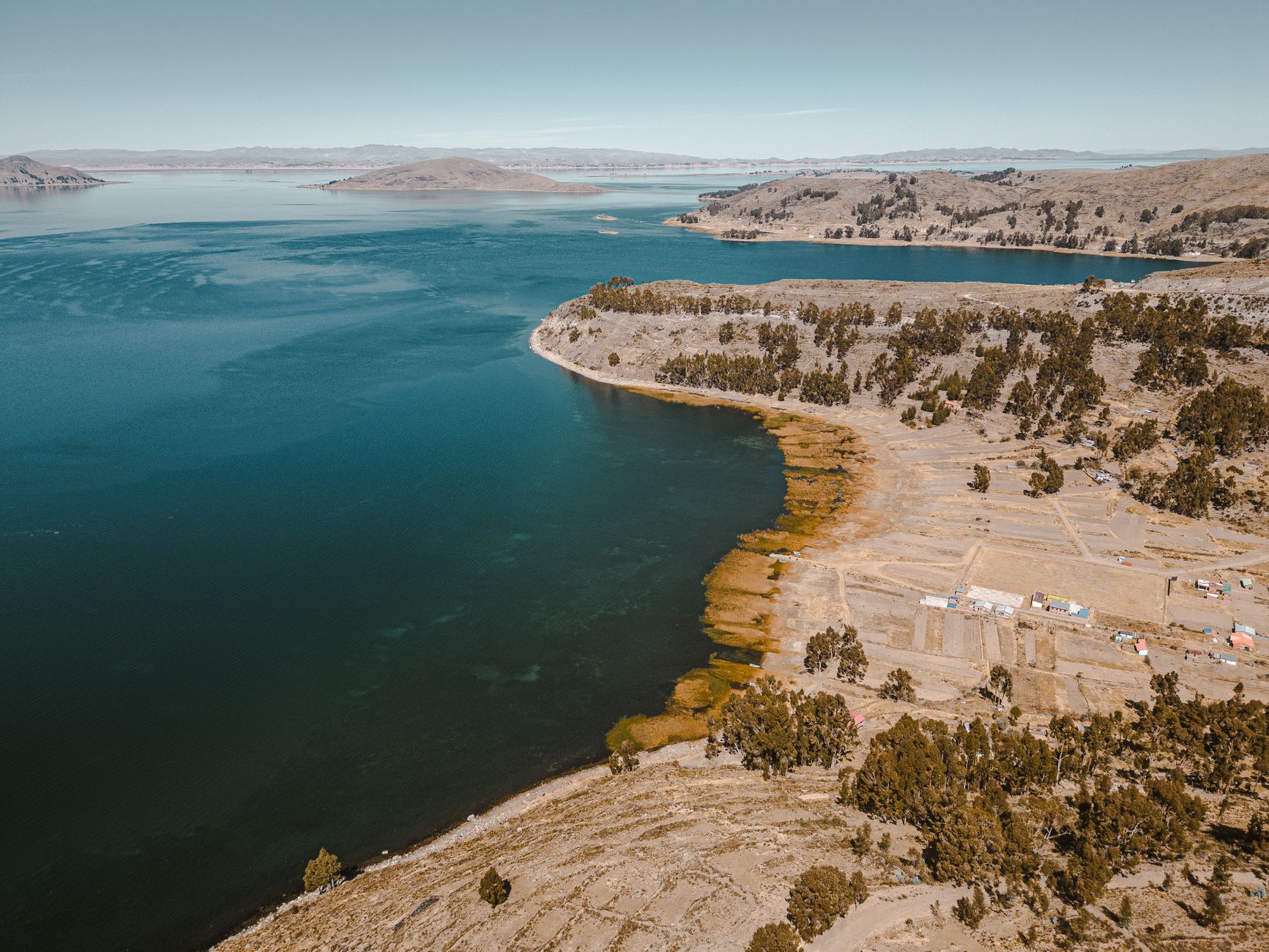
At three thousand eight hundred meters above sea level, Lake Titicaca is not merely a geographical feature of superlative visual beauty, but a vast and demanding circulatory system that dictates the survival of hundreds of thousands of residents along the border between Peru and Bolivia. In this environment where the atmosphere is thin and solar radiation strikes with relentless harshness, human and cargo mobility relies on an intermodal network as ancient as it is fragile. The Aymara and Quechua communities that populated these shores since before the Inca Empire have had to negotiate permanently with a body of water that defies traditional terrestrial conventions. Here, water does not divide; water connects, although doing so requires mastering a complex choreography of traditional watercraft, artisanal docks, and lacustrine border crossings.
Transportation on Titicaca operates under very particular physical laws. The lower air density on the plateau affects both the performance of internal combustion engines and rowers’ fatigue, while afternoon winds known locally as huayco can transform a gentle basin into a trap of short, treacherous waves. The commercial and passenger routes linking key ports such as Puno in Peruvian territory with Copacabana or the floating islands of the Uros and Amantaní archipelago are not mere tourist itineraries, but vital supply arteries. In this high-altitude ecosystem, daily logistics demand millimeter precision, where the lack of a mechanical spare part can isolate an island community for entire weeks.

The Floating Tradition of the Uros and Reed Engineering
Totora reed is not merely the material used to weave Titicaca’s watercraft; it is the very architecture of a floating life that defies daily sinking.
The most emblematic segment of this minor transport network is formed by the artificial islands and totora reed canoes of the Uros community. Far from being a static tableau preserved exclusively for the foreign visitor, this system represents a feat of vernacular engineering based on the natural buoyancy of matted reed roots, locally known as khili. Upon these floating platforms anchored with eucalyptus stakes and hemp ropes, life moves in small boats with elevated prows shaped like puma heads, designed specifically to cut through dense water without generating excessive resistance.
The construction of these vessels follows an ancient ritual passed down from generation to generation. Reeds are cut at precise moments of the seasonal cycle, sun-dried on the puna to maximize lightness, and then tied with a mastery that prevents premature water ingress into the structural core. However, the durability of these watercraft is limited: organic decomposition under constant water forces a perpetual renewal of the artisanal fleet. For island residents, maintaining transport capacity is not an aesthetic luxury, but an imperative necessity to attend school on the mainland, trade crafts, or access primary health centers located in the city of Puno.
Catamarans, Ferries, and High-Altitude International Trade
Beyond lacustrine traditions, Titicaca supports higher-draft commercial and passenger traffic that formally connects the economies of two Andean republics. Large steel ferries and modern catamarans with high-power diesel engines regularly cross the deep waters of the Tiquina Strait, the narrowest point dividing the major lake from the minor lake in Bolivian territory. This particular crossing is a microcosm of South American intermodal transport: heavy-duty cargo trucks, interprovincial buses with passengers, and private vehicles must temporarily abandon the highway to board flat barges that make the crossing in a matter of minutes, albeit subject to the whims of port traffic and customs inspections.
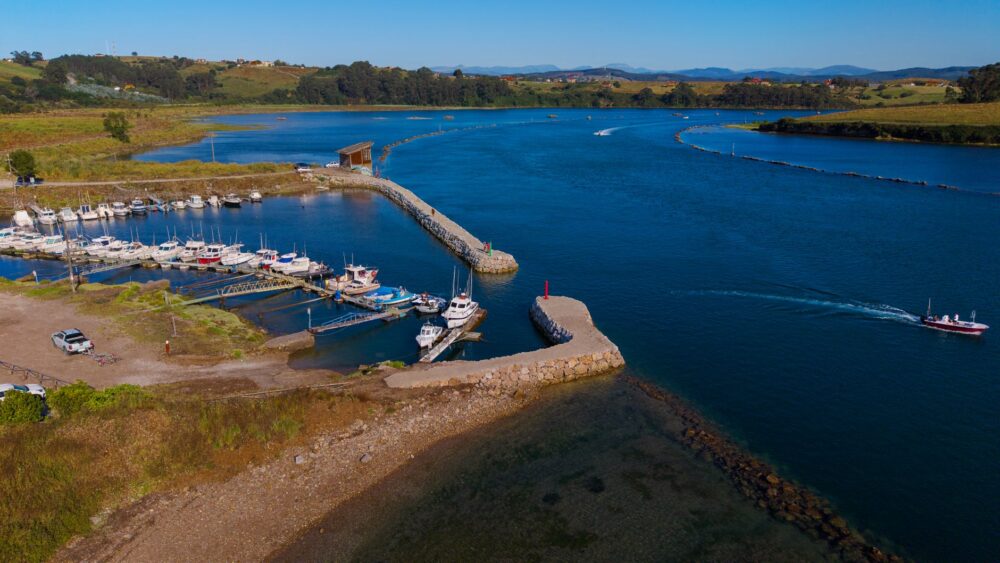
Operations in the main ports reveal the region’s technological contrasts. While state docks in Puno and Huatajata feature concrete infrastructure and modest-capacity cranes for handling containers and general cargo, many secondary docks lack adequate drafts altogether. This forces cargo transfers via auxiliary boats, a laborious process that increases logistical costs and exposes perishable agricultural products to the harsh climatic conditions of the plateau. The modernization of this commercial fleet faces a constant dilemma: the need to increase speed and cargo capacity clashes with the urgency of preserving the fragile ecology of a closed lake highly sensitive to hydrocarbon spills.
Climate Vulnerability and the Challenges of Modern Navigation
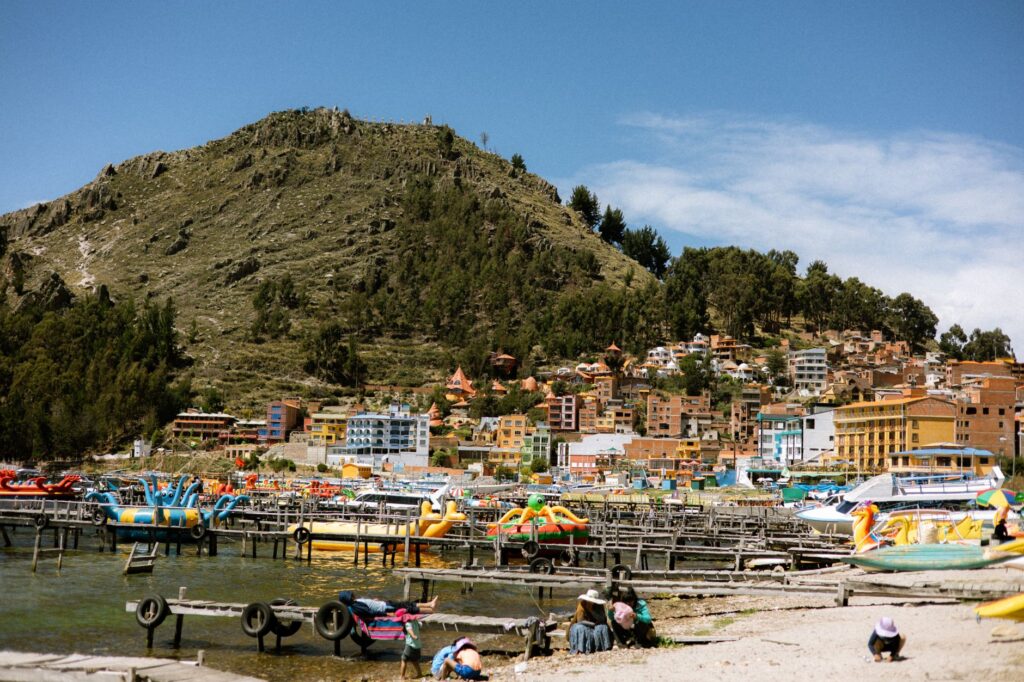
Over the past decade, Titicaca’s transport system has begun to suffer profound alterations driven by global climate variability and local drought patterns. Extreme fluctuations in lake water levels have left numerous traditional docks stranded, forcing local authorities to improvise increasingly long wooden walkways to connect boats with dry land. This coastline retraction particularly complicates the work of passenger boats operating from remote peninsulas like Capachica, where boarding times double due to long walks travelers must make across mudflats and exposed sediments.
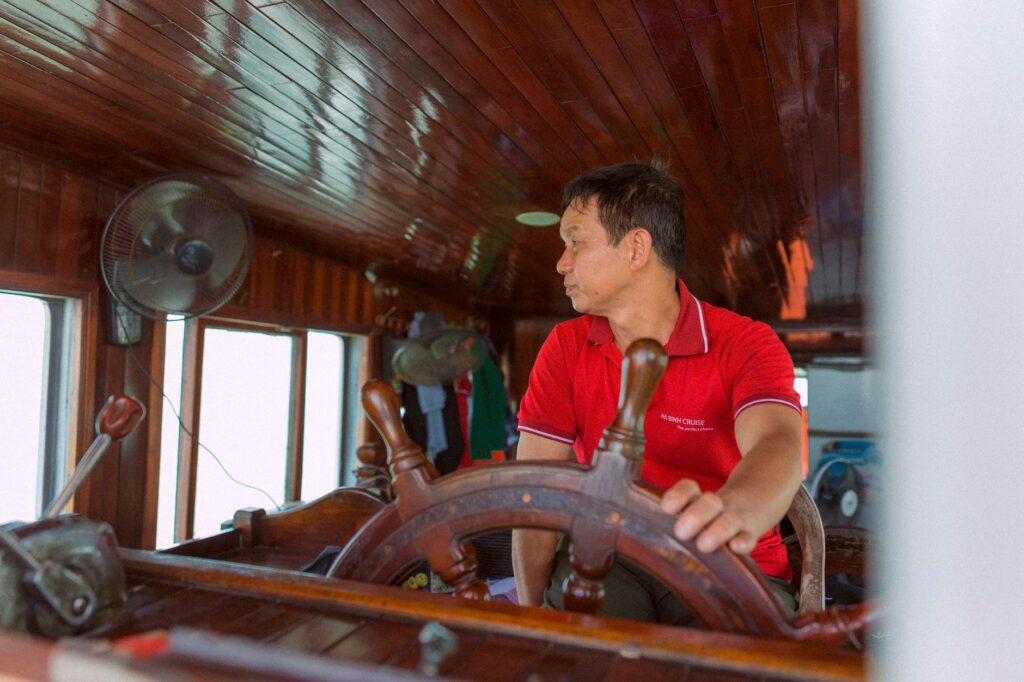
Adding to this environmental uncertainty is regulatory pressure on navigation safety. Despite efforts by port captains in both countries to enforce life jacket controls, passenger registration, and engine maintenance, informal navigation in fiberglass boats without proper certification remains a latent risk during summer storms. The lack of a unified lacustrine meteorological radar system leaves captains of small commercial vessels at the mercy of their own seamanship intuition when morning fog banks reduce visibility to zero in the middle of the main lake’s expanses.
Practical guide
How to get there: The main gateway to Peruvian Titicaca is the city of Puno, connected by air via the Inca Manco Cápac International Airport in neighboring Juliaca (45 km away, with regular buses and taxis). From Bolivia, natural access is via La Paz through direct buses crossing through Copacabana or the Tiquina Strait.
When to travel: The dry season, spanning from May to October, offers clear skies and lower probability of lake storms, although nighttime temperatures on the plateau drop drastically below freezing. The rainy season (November to April) increases water levels but makes transit on dirt roads toward secondary docks difficult.
Internal transport logistics: To visit the floating islands of Uros, Amantaní, and Taquile, exclusively contract authorized vessels at Puno’s main dock that comply with life jacket regulations and maximum passenger capacity. To cross the Tiquina Strait in Bolivia, ensure you purchase passenger tickets separately from vehicle tickets at official pier ticket offices.
Lacustrine border requirements: If you plan to cross the lake on international tourist boats between Peru and Bolivia, completing exit and entry immigration procedures at official border posts in Kasani or Desaguadero, depending on the chosen route, is strictly mandatory. Do not trust agencies promising to bypass customs controls.
Altitude health and safety: Altitude sickness (soroche) is a real limiting factor when operating within this transport system. Allow at least 24 hours of acclimatization in Puno or Copacabana before embarking on extended lake crossings and maintain constant hydration.
Epilogue on the Twilight Shore: The Final Pulse of Sacred Water
When the sun plunges behind the snowy peaks of the Real Cordillera, the surface of Lake Titicaca adopts a metallic, almost unreal hue where sky and water seem to fuse into a single translucent membrane. On the volcanic stone docks of the minor islands, the last outboard motors silence their metallic purr, giving way to the ancestral sound of water striking against the wet timbers of the barges. In that evening silence, the plateau’s transport system reveals its true dimension: it is not merely a logistical machinery intended to move people and goods across political boundaries, but a daily pact of human resistance. Enduring relentless droughts, freezing winds, and the vicissitudes of the global economy, the lake peoples continue to navigate these sacred waters with the certainty that movement, however fragile and laborious it may be, is the sole guarantee that life on the roof of the world remains unbroken.