
Rural Origins and Territorial Transformation
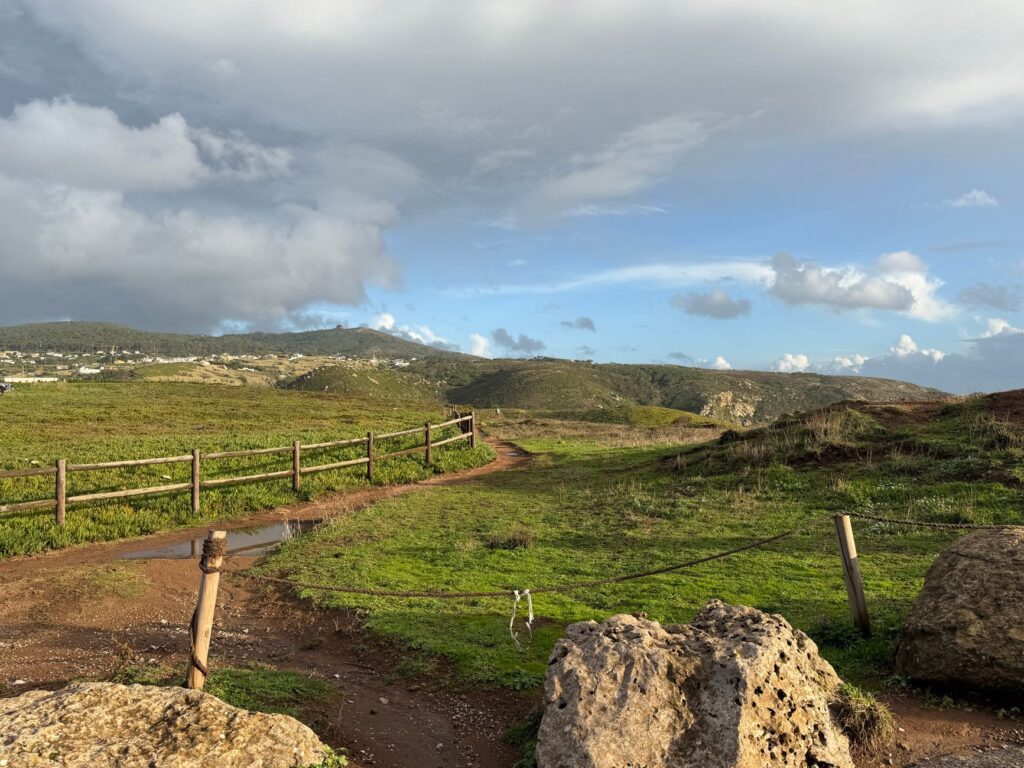
The territory of São Domingos de Rana, located within the municipality of Cascais and the Lisbon district in Portugal, possesses a historical root deeply tied to the land and agricultural labor. Far from the strictly coastal image usually associated with this western Luso strip, the interior of the municipality preserves vestiges of a traditional subsistence economy based on horticulture, viticulture, and the management of local water resources. The old farming estates, known locally as quintas, structured the landscape through terraces and irrigation channels that took advantage of the gentle terrain. This rural network not only guaranteed the sustenance of peasant families but also defined a slow-paced rhythm of life marked by seasonal cycles and proximity to the streams descending toward the Tagus estuary.
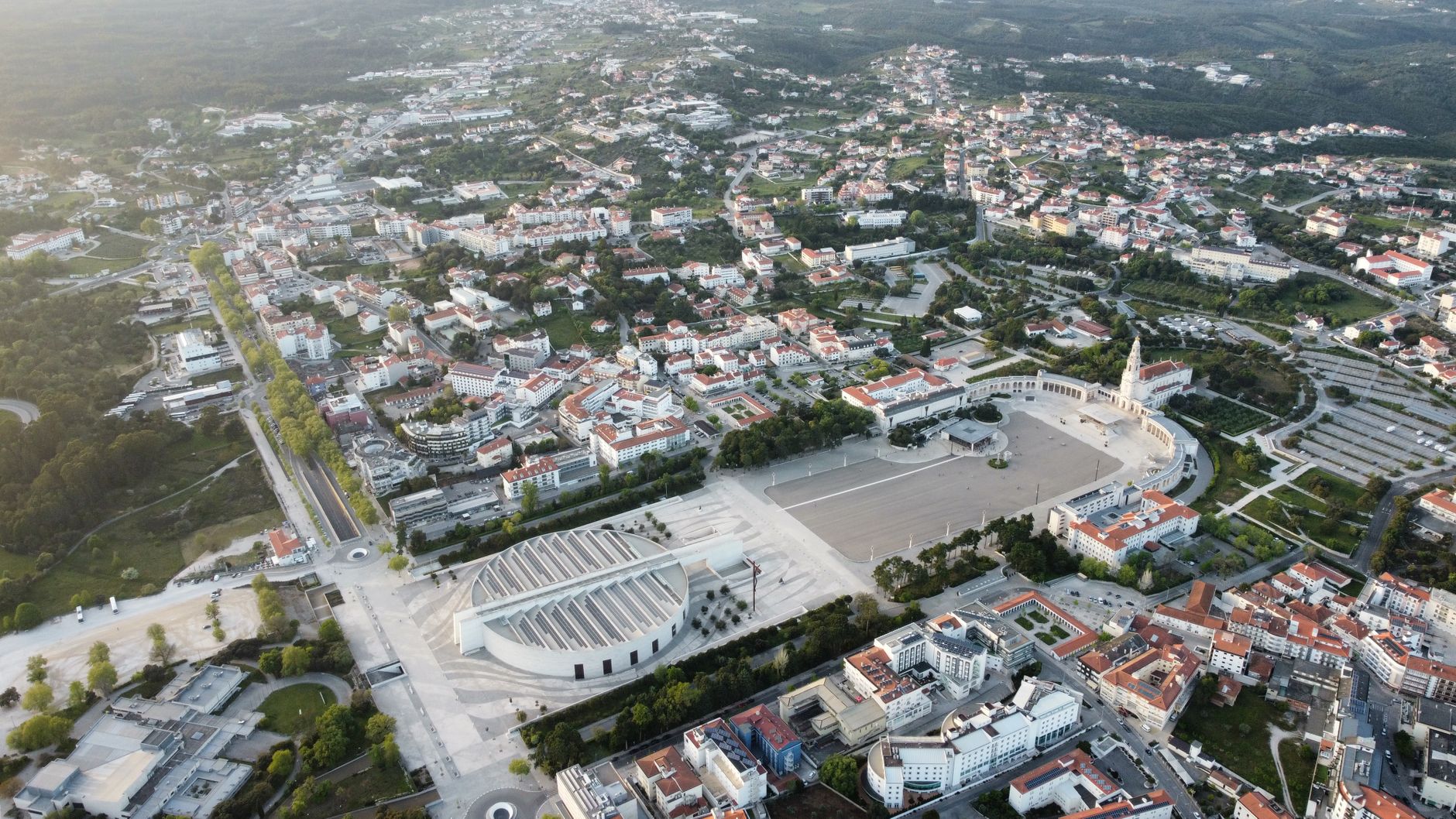
Over the decades, demographic pressure and proximity to major urban centers spurred a process of territorial transformation. Agricultural plots began to fragment to accommodate new residential areas, integrating a heterogeneous population seeking suburban tranquility without losing access to the capital’s job market. Despite this rapid growth, the memory of ancient orchards persists in local toponymy and in the layout of streets that still respect old neighborhood paths. Older residents remember how the landscape shifted from a green mosaic of intensive cultivation to a consolidated urban fabric where coexistence between modernity and agrarian memory forms a pillar of collective identity.
Minor architectural heritage, such as public washhouses, small rural chapels, and dry-stone walls demarcating properties, serves as tangible testimony to this evolution. These elements, often overlooked by conventional tourist routes, deserve close attention from travelers interested in understanding the inner history of Portugal. The preservation of these vestiges does not stem from an artificial museum strategy, but from the will of a community that recognizes its rural past as the foundation of its daily present.
Daily Life in Residential Neighborhoods
Strolling through the streets of São Domingos de Rana reveals the pulse of a community keeping neighborhood habits alive. Unlike hyperconnected historic centers oriented toward international visitors, daily life here unfolds around neighborhood squares, small traditional shops, and local markets where direct interaction remains the norm. Mornings begin with the usual bustle of residents heading to artisanal bakeries for daily bread, a ritual that fosters news exchange and strengthens social cohesion.
Recreational and cultural associations play a fundamental role in inhabitant cohesion. Managed on a community basis, these spaces organize artistic workshops and neighborhood gatherings that encourage intergenerational integration. Young people share activities with elders, ensuring the oral transmission of local knowledge and traditions that might otherwise be lost. This associative dynamism endows the locality with a distinct personality, separating it from mere commuter towns and making it an environment where social life retains a strong human character.
The true essence of a territory is not found in its most celebrated monuments, but in the silent cadence with which its inhabitants weave the threads of daily coexistence every morning.
Urban design, characterized by low density across much of its residential zones, facilitates walking and bicycling for short trips. Proximity parks and tree-lined squares act as intergenerational meeting points where children play outdoors while neighbors converse under native trees. This human scale in urban planning fosters a sense of belonging and security increasingly difficult to find in contemporary metropolises.
Architectural Heritage and Historical Traces
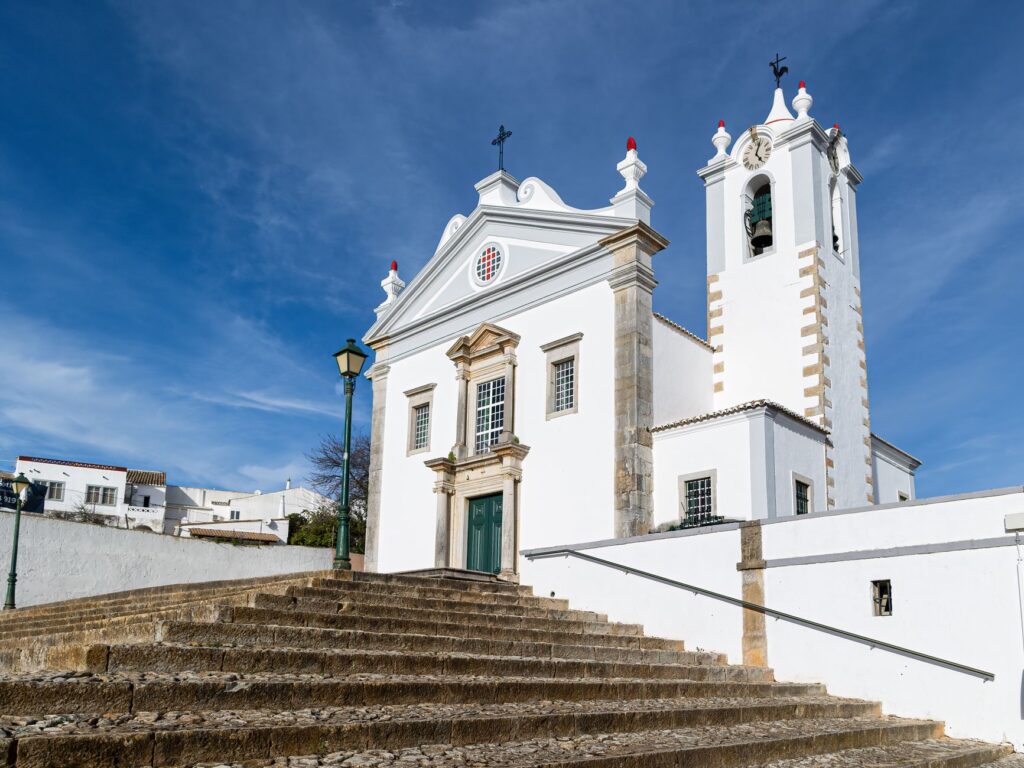
The monumental heritage of São Domingos de Rana manifests discreetly through religious buildings and manor houses dotting the urban geography. The mother church, dedicated to the patron saint who gives the place its name, constitutes the parish’s symbolic and spiritual core. Its simple architecture, typical of religious construction in the Lisbon region, contrasts with the opulence of metropolitan temples, offering a space of contemplation that has accompanied generations of parishioners. Masonry details and interior altars reflect the skill of local artisans who worked stone in past centuries.
Alongside temples, manor houses and former bourgeois residences recall the period when Lisbon’s aristocracy and upper bourgeoisie chose the capital’s outskirts to erect recreational estates. Although many properties have adapted to new institutional or educational uses, their facades and historic gardens retain the elegance of an era when architecture dialogued directly with natural landscapes. Respect for these buildings by local administrations ensures history is not buried under contemporary construction.
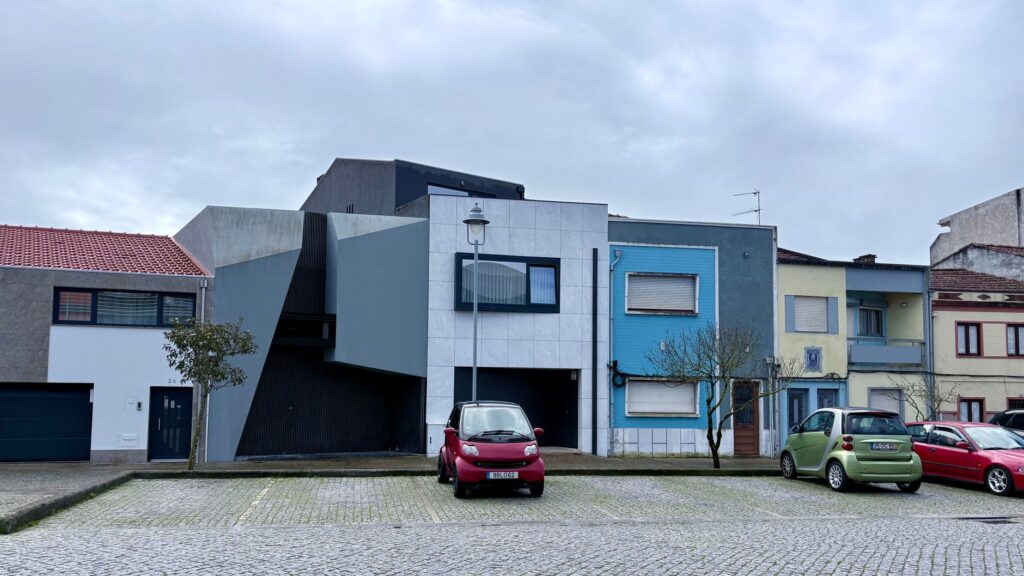
Analyzing these architectural elements allows for a chronological line stretching from modest agricultural worker dwellings to stately edifices. Each construction stratum tells part of the place’s history, showing how social classes molded the territory over centuries. For curious travelers, exploring these architectural points offers an urban reading exercise that enriches understanding of Luso identity beyond standard tourist circuits.
Green Spaces and Ecological Balance
Commitment to environmental conservation and the recovery of natural spaces represents one of the most important challenges for São Domingos de Rana’s future development. Despite urbanization over recent decades, the municipality features protected green areas and ecological corridors acting as lungs for the region. These spaces harbor diverse native flora and fauna while playing a crucial role in sustainable water management and mitigating urban climate impacts.
Local initiatives aimed at reforestation with native species and cleaning riverbeds have achieved high citizen participation. Environmental groups and neighborhood associations collaborate closely in volunteer workdays to raise awareness among younger generations about preserving terrestrial and fluvial ecosystems. These collective actions demonstrate that sustainability is not merely an institutional guideline, but a lived practice assumed by citizens.
Trails winding through these green spaces offer visitors the chance to enjoy leisurely walks in close contact with nature, far from metropolitan noise. Environmentally respectful signage and low-impact rest areas allow observers to spot local birds and understand the ecological complexity of this transitional territory between countryside and coast. Natural heritage thus becomes an invaluable pedagogical and recreational resource for responsible travelers.
Proximity Markets and Gastronomic Culture
The traditional cuisine of São Domingos de Rana draws directly from the Atlantic pantry and local horticultural wealth. In neighborhood markets and long-standing taverns, seasonal products dictate culinary offerings. Fresh fish from nearby ports combines with vegetables grown in small municipal plots, producing simple yet intensely flavored dishes. Home cooking relies on product respect, using local olive oil, aromatic herbs, and recipes passed down through generations.
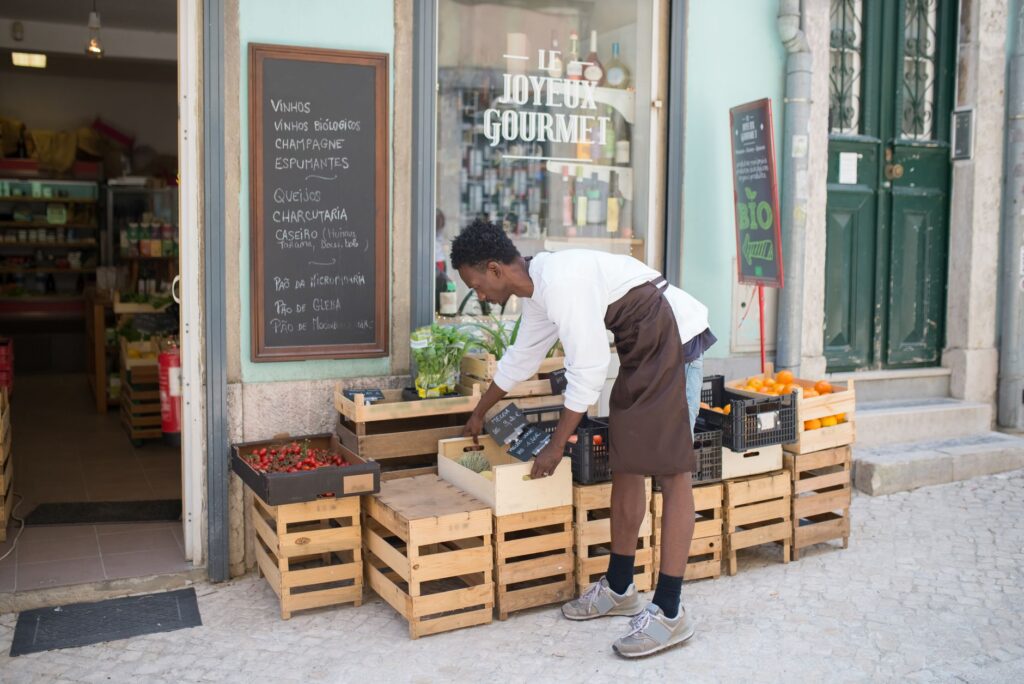
Provision markets are ideal stages for taking the local gastronomic pulse. Local vendors offer personalized attention, advising buyers on ingredient preparation. Proximity commerce guarantees food freshness while strengthening local economies and preserving sustainable consumption habits. Buying directly from local producers effectively supports the primary sector in a heavily urbanized zone.
Sitting at a shared table in modest neighborhood restaurants lets visitors experience Luso hospitality at its peak. Conversations flow naturally among diners, creating an intimacy that turns meals into acts of social communion. Far from standardized culinary proposals, local gastronomy champions authenticity and pride in traditional flavors, turning every meal into a living testimony of Portuguese popular culture.
Sustainable Mobility and Daily Transport
Getting around São Domingos de Rana reflects a progressive commitment to sustainable mobility and reduced private car dependency. The bicycle lane network has expanded notably in recent years, connecting residential areas with public transport stations, schools, and commercial zones. This infrastructure encourages growing numbers of citizens to choose cycling or walking for daily trips, improving air quality and reducing road traffic congestion.
Public transport, integrated into the Lisbon metropolitan network, guarantees fluid connections with neighboring municipalities and the capital’s center. Commuter buses and nearby rail lines allow residents to travel efficiently for work or leisure. Local authorities continue implementing measures to optimize frequencies and improve universal accessibility at all stops, prioritizing user comfort and safety.
For travelers arriving with a respectful perspective, navigating the territory via public transport or on foot provides the best way to understand real distances and the human scale of the municipality. Accessible sidewalks, clear signage, and respectful coexistence among pedestrians, cyclists, and motor vehicles configure a friendlier, more democratic public space where mobility becomes a harmonious part of the travel experience.
Civic Commitment and the Future of the Place
The future development of São Domingos de Rana is guided by a strong sense of civic responsibility and citizen participation. Residents are not mere spectators of urban changes, but active agents demanding transparency, sustainability, and respect for historical and natural heritage. Citizen assemblies and participatory budgets have proven effective tools for channeling neighborhood demands, prioritizing investments in public spaces, energy efficiency, and social inclusion programs.
This neighborhood activism ensures economic growth does not occur at the expense of quality of life or cultural identity. Protecting small shops from large commercial surfaces, defending green zones threatened by real estate speculation, and promoting local culture are daily battles inhabitants wage with determination. Their selfless work ensures the locality preserves its community soul and welcoming capacity for future generations.
The future of local communities depends on their ability to engage with modernity without renouncing the values of solidarity and roots that gave them origin.
For visitors, this citizen commitment offers a lesson in civility and hospitality. Travelers are invited to integrate into the local rhythm with respect and curiosity, recognizing that a destination’s value lies as much in its scenic beauty as in the dignity of the people who inhabit and protect it daily.
Practical Guide
- How to get there: Accessible easily from Lisbon via the Cascais railway commuter line or regular metropolitan bus services connecting with major regional hubs.
- Local transport: The locality features an urban bus network and bike lanes facilitating internal travel. Walking remains the best option for discovering residential and commercial corners.
- When to visit: Any time of year is suitable, though spring (April to June) and autumn (September to November) offer milder, more pleasant temperatures for exploring on foot.
- Recommended gastronomy: Taste fresh produce in local markets, artisanal bread from neighborhood bakeries, and home-cooked dishes in traditional family-run taverns.
- Etiquette tip: Always greet shopkeepers when entering local stores and maintain a moderate tone of voice in residential areas to preserve neighborhood peace.
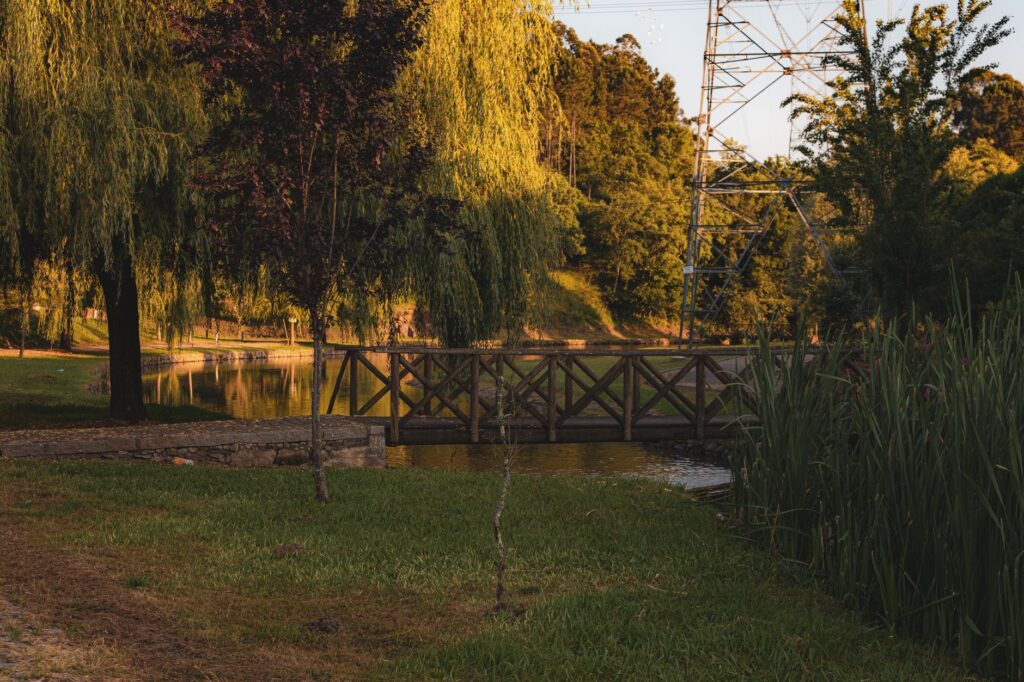
Sunset over São Domingos de Rana bathes house facades and neighborhood park tree canopies in golden tones, a silent reminder of the beauty awaiting those who pause to observe without haste. In that moment of quiet, the territory reveals its most intimate truth: that of a community with steady steps and living memory, continuing to build its future from simplicity and daily respect.