
Introduction to Copenhagen’s Relief and Geology
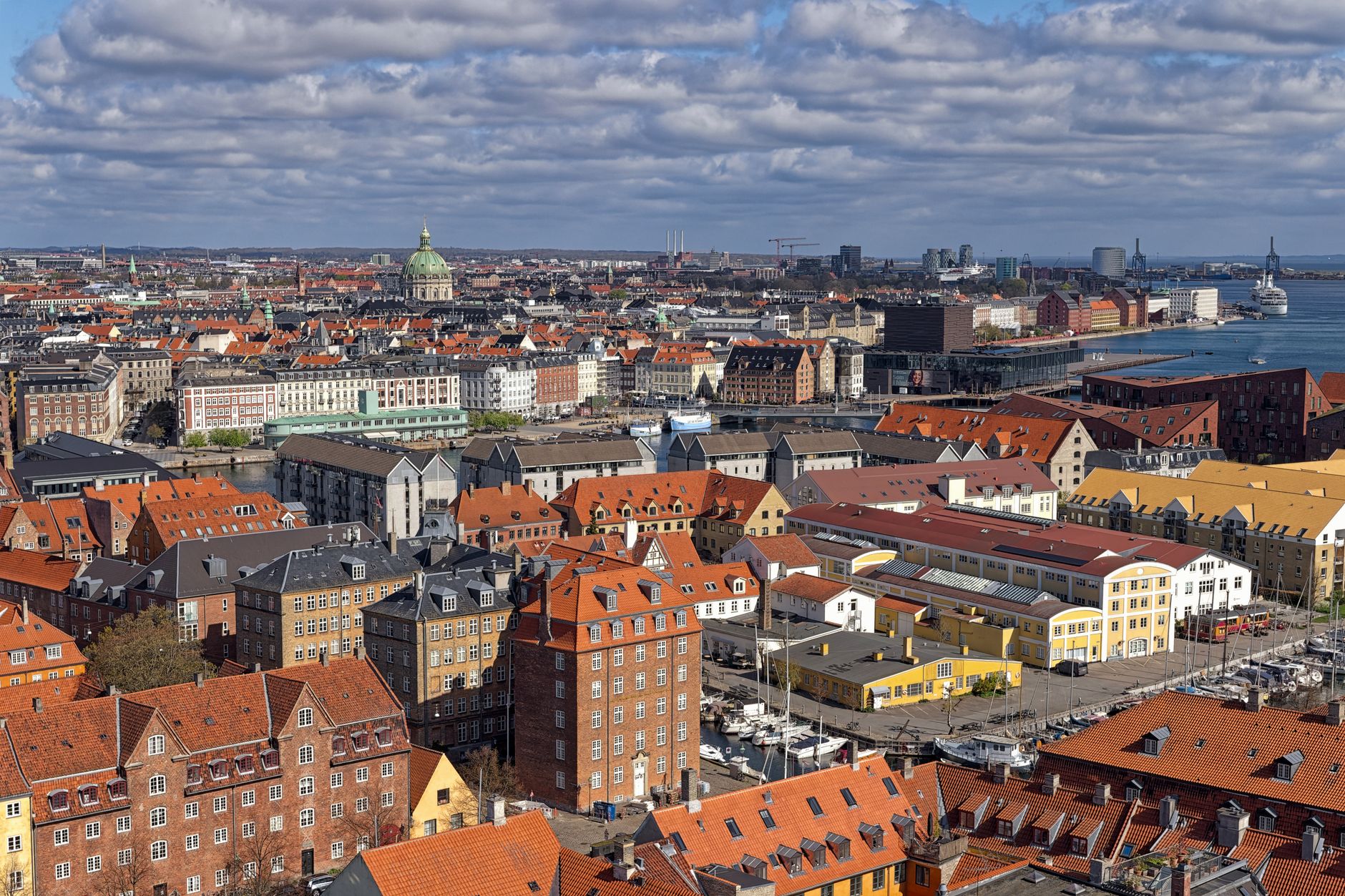
Copenhagen, the vibrant capital of Denmark, extends across a terrain characterized by its low altitude and predominantly flat relief. With an average elevation that barely exceeds fourteen metres above sea level, this Danish territory challenges the traditional notion of mountainous ecosystems by centering its natural wealth on coastal formations, low-lying glacial moraines, and interconnected wetlands. The local geology is the direct result of the last ice age, which deposited layers of clay, sand, and gravel over a limestone bedrock. This substrate conditions not only the region’s hydrology, but also the way flora and fauna have adapted to an environment where water and wind constantly shape the landscape.
Unlike alpine regions or vast mountain ranges, conservation in such a flat environment requires strategies focused on the protection of microhabitats. Urban parks, peri-urban nature reserves, and the canals that crisscross Copenhagen act as essential ecological corridors. Here, the interaction between the marine environment of the Baltic Sea and subterranean aquifers generates a unique ecological dynamic, where human management seeks to balance urban growth with the preservation of native species that depend on these fragile hydrological balances. The capital of Denmark demonstrates how urban planning can successfully integrate natural reserves within densely populated zones without compromising the underlying geological composition.
Glacial Legacy and Low-Altitude Formations
The topography of Denmark and, by extension, its capital, is a direct testimony to the activity of ice sheets during the Pleistocene. The gentle hills perceived in certain parts of Copenhagen’s metropolitan area are not mountains in the strict sense, but terminal and ground moraines sculpted by the advance and retreat of glaciers. These subtle elevations determine local watershed basins and allow the existence of small lakes and peat bogs that function as natural sponges for rainwater absorption and the regulation of the water cycle.
Studying Copenhagen’s geology involves understanding how the ice-molded soil supports a very specific plant cover. The beech and oak forests that still endure in the surrounding areas grow on nutrient-rich soils that are susceptible to erosion if not properly managed. Local authorities and naturalists work hand in hand to prevent excessive soil compaction caused by recreational use, ensuring that the substrate maintains its permeability and biological regeneration capacity. This delicate equilibrium prevents water runoff issues and protects the underlying aquifers from contamination.
Aquatic Ecosystems and Canal Biodiversity
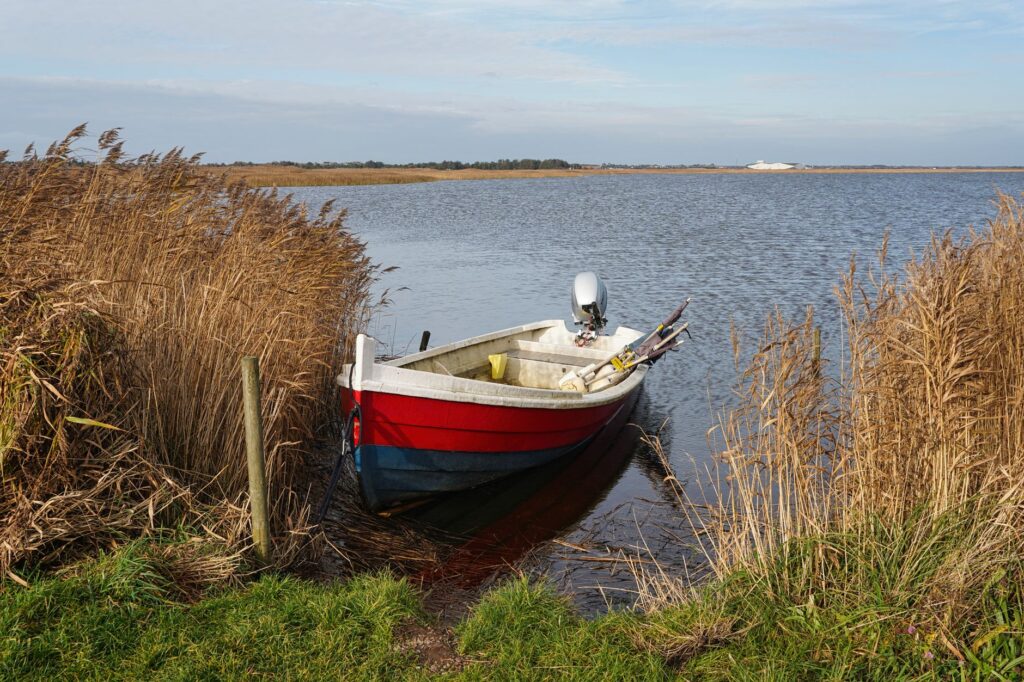
Water defines Copenhagen’s geographical identity. Situated on the eastern coast of the island of Zealand and facing the Øresund Strait, the city combines marine influence with a network of interior lakes and artificial canals. This confluence creates a unique habitat for numerous species of waterbirds, migratory fish, and a rich community of benthic invertebrates. The quality of the water, markedly improved in recent decades thanks to strict sanitation policies, allows wildlife to thrive even in the urban core.
The shores of lakes Sortedam, Peblinge, and Sankt Jørgens act as open-air laboratories where marsh vegetation fulfills a dual function: naturally purifying the water and offering a safe refuge for bird nesting. The presence of species such as the great crested grebe and various duck varieties demonstrates that coexistence between wildlife and a densely populated metropolis is possible when ecological exclusion zones are respected and human intervention is limited during critical periods of the year.
Green Corridors and Wildlife Habitat Protection
To mitigate habitat fragmentation caused by urban development, Copenhagen has developed a network of green corridors connecting interior natural spaces with the coast. Areas like the Amager Fælled park represent an ecological stronghold of incalculable value. This former military site and reclaimed landfill has transformed into a mosaic of wet meadows, scrublands, and temporary ponds where amphibians, pollinating insects, and small mammal populations adapted to the peri-urban environment coexist.
The conservation of these spaces is not limited to inaction, but demands active intervention known as conservation management. This includes the controlled removal of invasive species threatening native flora, the maintenance of grasslands via grazing during specific periods to prevent excessive shrub proliferation, and the creation of artificial ponds to support the reproduction of regionally endangered amphibian species. Such rigorous oversight guarantees that biodiversity remains resilient against environmental shifts.
The Impact of the Atlantic Climate on Local Flora
Copenhagen’s temperate maritime climate, characterized by moderate summers and mild yet humid winters, decisively influences the life cycle of vegetation. Constant ambient humidity and frequent rainfall favor the development of dense deciduous forests and an understory rich in ferns and fungi. However, this same climate makes local ecosystems particularly vulnerable to alterations in precipitation patterns and rising sea levels driven by global climate change.
Scientists and environmental managers closely monitor the health of centenarian trees in the city’s historic parks. Extreme thermal variations and increasingly frequent storms test the structural resilience of species such as the pedunculate oak and common ash. Protecting this arboreal heritage is not only a matter of aesthetic criteria, but a necessity to maintain carbon storage and microclimatic stability benefiting the entire urban community in this part of Denmark.
Contemporary Challenges in Managing Natural Spaces
The primary challenge Copenhagen faces in conservation is demographic pressure. With a growing population, the demand for housing and infrastructure land frequently collides with the need to preserve the last pockets of wild or semi-wild nature on the city’s periphery. Balancing economic development with ecological sustainability requires strict spatial planning policies that prioritize green infrastructure over asphalt.
The true measure of a sustainable city lies not solely in its capacity to reduce emissions, but in its willingness to yield space to the species that shared the territory before the arrival of concrete.
Furthermore, environmental education plays a crucial role. Local associations organize workshops and guided trails to raise citizens’ awareness about the importance of not disrupting natural cycles, especially during spring when local wildlife is in the peak breeding season. Citizen collaboration has become the most effective tool for early detection of environmental damage or unauthorized introduction of exotic species across the Danish capital.
Low-Impact Exploration and Ecosystem Respect
Exploring the natural expanses of Copenhagen requires an attitude of deep respect and ecological awareness. Unlike traditional high-altitude mountain environments where rugged gear and specialized tools are indispensable, the terrain here invites quiet exploration on foot or by bicycle along designated pathways. Venturing off marked trails in natural reserves risks damaging ground-nesting bird habitats and compressing the delicate humus layer that feeds local flora.
Visitors are encouraged to plan their journeys by adhering to designated operating hours in protected sectors and avoiding noise-generating devices that disturb resident fauna. Wildlife photography must be practiced from a safe distance, utilizing telephoto lenses instead of physical approaches that induce stress. Patience, silence, and observation remain the core tenets of responsible exploration within the region.
Practical guide
How to get there: Copenhagen Airport (CPH) is connected to the city center via trains and metro lines operating twenty-four hours a day, facilitating rapid and low carbon footprint access.
When to go: Spring months (May to June) and early autumn (September) offer the best weather conditions and the opportunity to observe maximum biological activity with moderate temperatures.
Local regulations: Lighting fires outside designated areas, free camping in nature reserves, and collecting protected plant species are strictly prohibited.
Mobility: Copenhagen’s bicycle lane network is among the most advanced in the world; renting a bike is the ideal way to commute between urban parks and peripheral reserves.
Recommended equipment: Layered waterproof clothing, comfortable footwear suitable for mixed surfaces, and binoculars for birdwatching in wetlands and coastal areas.
Tourist office: The official information center located near the Central Station offers detailed maps on green routes and updated conservation regulations.
Final Reflection on the Balance Between City and Nature
Copenhagen demonstrates that nature conservation is not exclusive to large national parks far from civilization, but can be integrated into the heart of a modern capital. The preservation of its flat relief, wetlands, and peri-urban forests serves as a constant reminder that human health is inextricably linked to the health of local ecosystems. Caring for this fragile natural mosaic ensures that future generations continue to find refuge, clean air, and biodiversity just steps away from urban hustle in Denmark.