
Between the Ocean and Interior Slopes
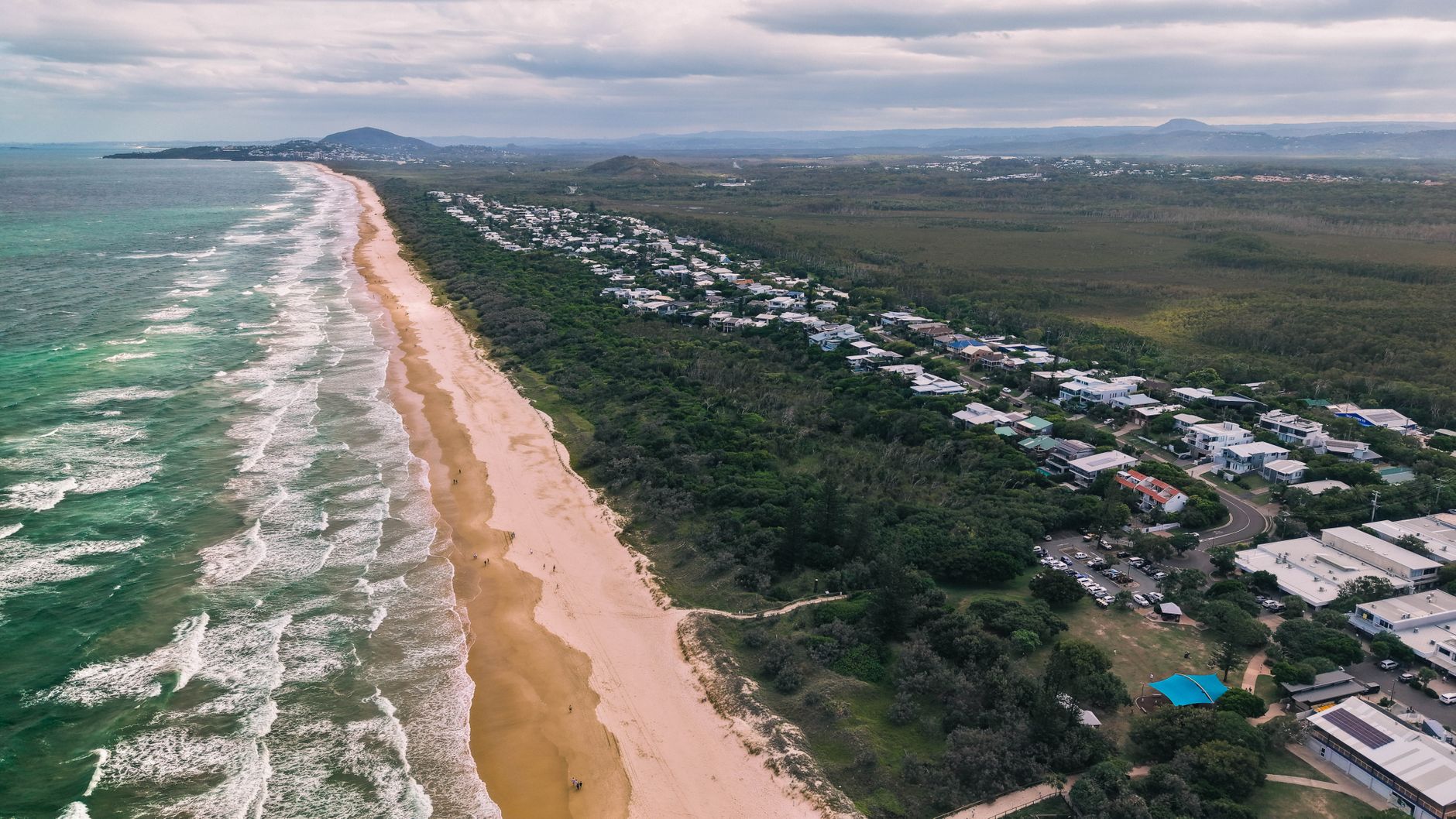
The coastal strip of Sunshine Coast, in the state of Queensland, Australia, is globally renowned for its extensive golden sand beaches and subtropical climate. However, behind the first line of dunes and hotels lies a complex ecological mosaic combining sclerophyll forests, remote river valleys, and mountain ranges covered in temperate rainforest. This environment, shaped by millions of years of geological and climatic evolution, sustains one of the richest concentrations of biodiversity on Australia’s eastern coast. The geomorphological transition between the Pacific Ocean and the volcanic hills of the Blackall Range generates unique microclimates that allow highly specialized plant and animal species to coexist.
Unlike the densely planned urban environments that dominate other coastal regions, the territorial development of this Australian area has been marked by ongoing tension between demographic expansion and the preservation of biological corridors. Local authorities and community organizations have worked for decades to identify critical hotspots where native fauna suffers heightened human pressure. Understanding the ecology of Sunshine Coast requires looking beyond surface tourism and delving into the dynamics of its native forests, where every tree and surface watercourse plays a fundamental role in maintaining regional ecological balance.
The Koala’s Habitat and Eucalyptus Forests
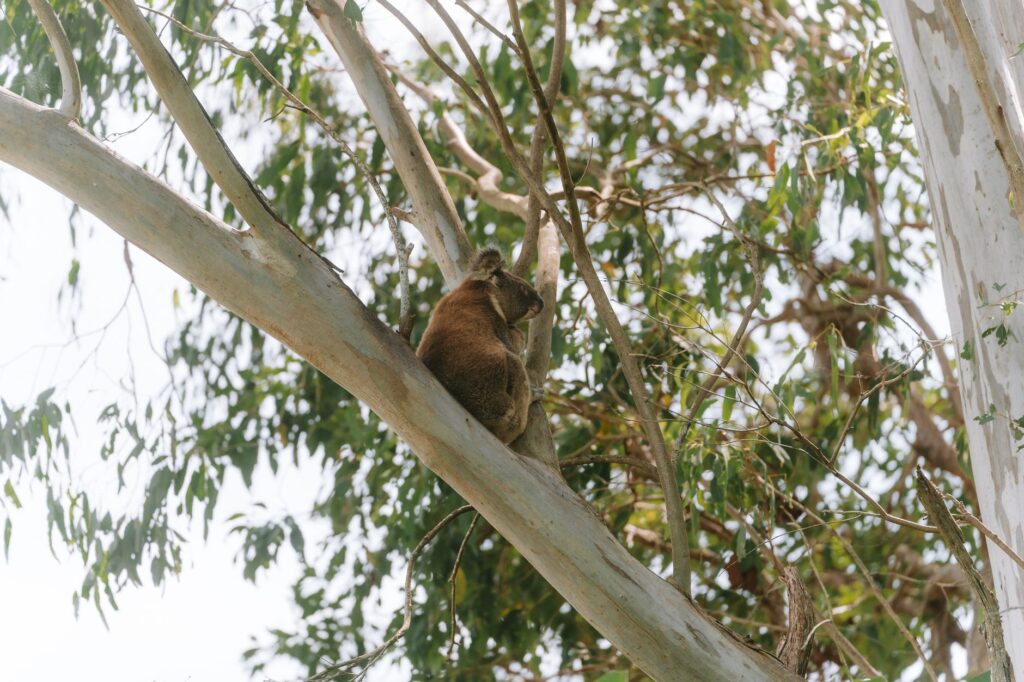
One of the most emblematic elements of nature in this part of Queensland is the eucalyptus forest, an indispensable habitat for the survival of key koala populations and other arboreal species. These trees not only provide specialized food for marsupials but also act as a structural network connecting forest fragments separated by roads and housing developments. The loss of arboreal connectivity represents one of the greatest threats to local wildlife, forcing animals to descend to the ground in search of new territories with the consequent risk of vehicle strikes and domestic animal attacks.
Forest restoration programs launched in the region focus on planting fast-growing native plant species capable of restoring ecological corridors within a reasonable timeframe. These initiatives involve the active participation of volunteers and scientists who monitor koala population health using non-intrusive methods, such as acoustic analysis of vocalizations and citizen science sightings records. Protecting these forest spaces not only benefits well-known mammals but also safeguards a vast array of nectar-feeding birds and pollinating insects essential for the natural regeneration of the understory.
Wetlands and Mangroves: Coastal Filters
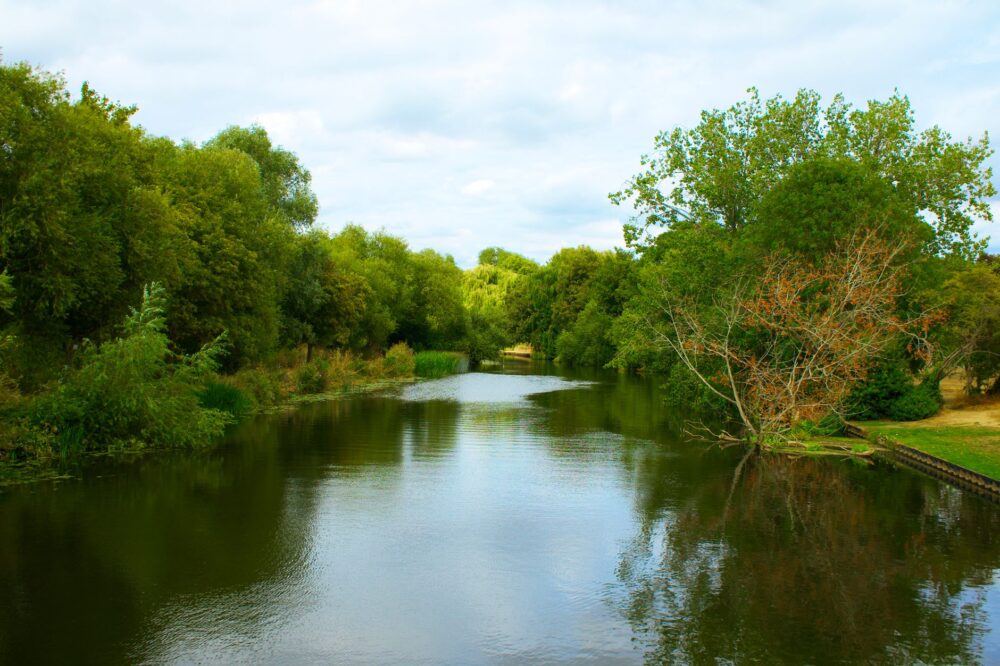
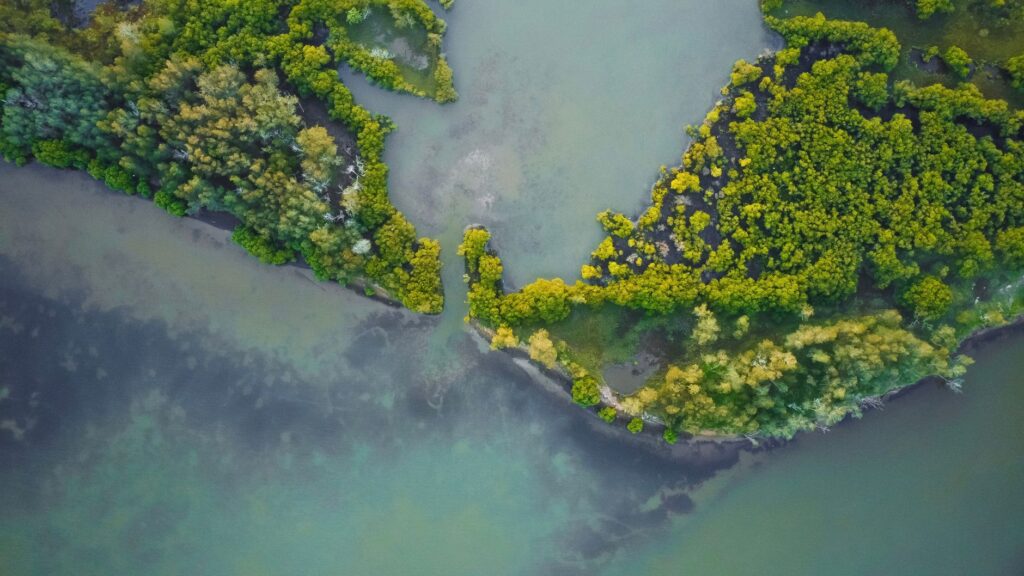
Alongside interior forests, the region’s wetlands and estuaries play a vital ecological function as transition and buffer zones between river basins and the marine environment. These aquatic ecosystems harbor dense mangrove formations that act as natural nurseries for numerous species of fish, crustaceans, and migratory birds traveling along the East Asian-Australasian Flyway. The complex root network of mangroves intercepts sediments and nutrients from the uplands, protecting water quality and stabilizing the shoreline against extreme weather events.
The conservation of these wetlands requires integrated water management that prevents agricultural and urban pollution. Over the years, various natural reserves have been established to restrict motorized access and allow natural flood and drought cycles to operate without direct human interference. Bird observatories integrated into these protected areas enable visitors to understand the ecological importance of estuaries without altering the behavior of resident and seasonal species that depend on these refuges for feeding and breeding.
Nocturnal Fauna and Less Visible Marsupials
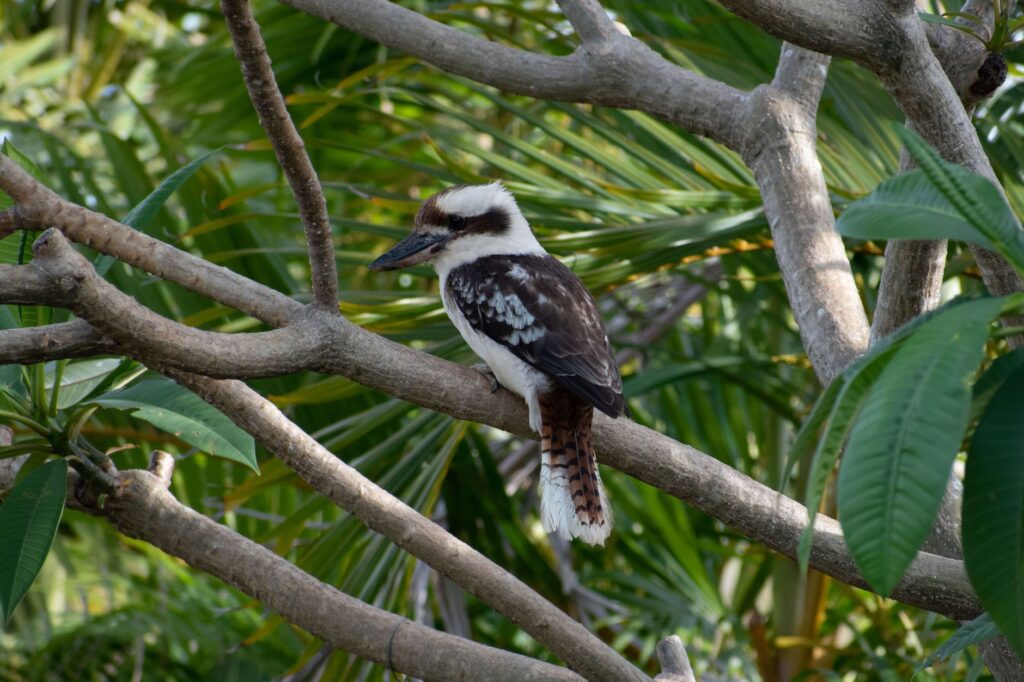
When the sun sets over the Australian territory of Sunshine Coast, intense biological activity begins, driven by nocturnal mammals that typically go unnoticed during daylight hours. Gliding possums, bandicoots, and small native rodents emerge from their shelters in search of insects, nectar, and wild fruits. These animals perform indispensable ecological functions, such as seed dispersal and invertebrate population control, silently contributing to the overall health of forest ecosystems.
The presence of these mammals is frequently threatened by light pollution and the historical introduction of exotic predator species. Consequently, local urban planning and public lighting regulations in residential areas bordering natural areas have begun incorporating environmental protection criteria, such as using lighting with lower impacts on nocturnal wildlife. Studying and protecting these elusive species is one of the greatest challenges for local naturalists, who insist that conservation must encompass both charismatic animals and those inhabiting the forest understory’s shadows.

The Role of Rescue Centers and Wildlife Rehabilitation
Facing the inevitable impact of human activity, wildlife rescue and rehabilitation centers play an indispensable operational role in the region. These facilities welcome hundreds of injured, orphaned, or sick animals each year, primarily victims of traffic accidents, dog attacks, or the sudden loss of their natural habitat. Specialized veterinarians and volunteer caregivers work under strict scientific protocols to ensure every recovered individual can be returned to its original environment in optimal survival condition.
The true measure of conservation in a highly prized coastal setting lies in our ability to leave space for wildlife that has no voice in territorial planning.
The work of these centers is not limited to immediate clinical care but includes educational programs directed at local communities and visitors on how to act when encountering endangered wildlife. The need to avoid direct interaction and report any incidents to specialized professional services is emphasized. Thus, the rescue network also functions as an early observatory for the health status of wild populations, detecting emerging diseases or concerning trends before they become irreversible crises.
Nature Tourism and Ethical Observation
The regional landscape appeal attracts thousands of travelers annually interested in ecotourism and wildlife observation. To prevent this mass influx from degrading the very natural values that draw visitors, responsible tourism guidelines and ethical observation practices are promoted. This involves maintaining respectful safety distances from wildlife, avoiding artificial baits to attract animals, and prioritizing marked hiking trails that minimize soil erosion and nesting disturbance.
Local tourism operators certified under environmental standards work closely with national park managers to fund research projects and trail maintenance. This synergy demonstrates that it is possible to develop an economy based on nature appreciation without compromising the integrity of habitats. Specialized guides play a fundamental educational role, transforming each excursion into an opportunity for the public to understand the region’s biological complexities and the importance of adopting environmentally respectful habits.
Future Challenges Amid Climate Change and Demographic Pressure
Sustained population growth in Southeast Queensland raises complex questions about the ecological future of Sunshine Coast. Climate projections for coming decades point to an increased frequency of prolonged drought episodes, extreme heatwaves, and high-intensity bushfires. These factors aggravate the vulnerability of local ecosystems and test the resilience of species already under pressure due to the loss and fragmentation of their traditional habitats.
To address these challenges, environmental planners and public administrations are banking on nature-based adaptation strategies, such as expanding interconnected green corridors and improving the hydrological resilience of river basins. Public participation and institutional commitment will be decisive in ensuring future development does not sacrifice the natural heritage defining this Australian territory’s identity. Preserving its biodiversity is not merely a matter of local protection, but a shared responsibility in conserving global ecological heritage.
Practical guide
How to get there: The region’s primary airport is Sunshine Coast Airport (MCY), which receives regular domestic connections from major Australian cities such as Sydney, Melbourne, and Brisbane. From Brisbane, the drive north along the Bruce Highway takes approximately one and a half hours.
When to go: Autumn months (March to May) and spring (September to November) offer mild and pleasant temperatures, ideal for outdoor activities and wildlife watching without the intense heat of the austral summer.
Accommodation: Various options range from eco-resorts integrated into natural settings to small hotels and rural lodgings managed by local communities in the foothills of the Blackall Range.
Local transport: Renting a vehicle is the most recommended option to access the different national parks, conservation reserves, and beaches located along the coastal strip and mountainous interior.
Observation rules: Always maintain a prudent distance from koalas and other wild animals. Never feed local wildlife human food, as it alters their feeding habits and can cause serious health issues.

Responsible hiking: Use only authorized trails in national parks to prevent soil compaction and protect the endemic flora of sclerophyll forests from degradation.
Local support: Partner with certified tourism operators who allocate a percentage of their profits to wildlife conservation projects and regional ecological corridor restoration.
A Coastal Refuge Under the Dawn Light
When the first rays of morning sun illuminate the eucalyptus crests and the calm waters of the estuaries in Sunshine Coast, nature reveals its constant capacity for regeneration. Far from urban bustle, this corner of Australia continues to harbor a delicate balance between wildlife and human-habited spaces. Every community initiative, every restored green corridor, and every conscious visitor adds an indispensable link to the protection chain of this Australian natural treasure.