
A Historical Corridor Between the Capital and the Tyrrhenian Sea
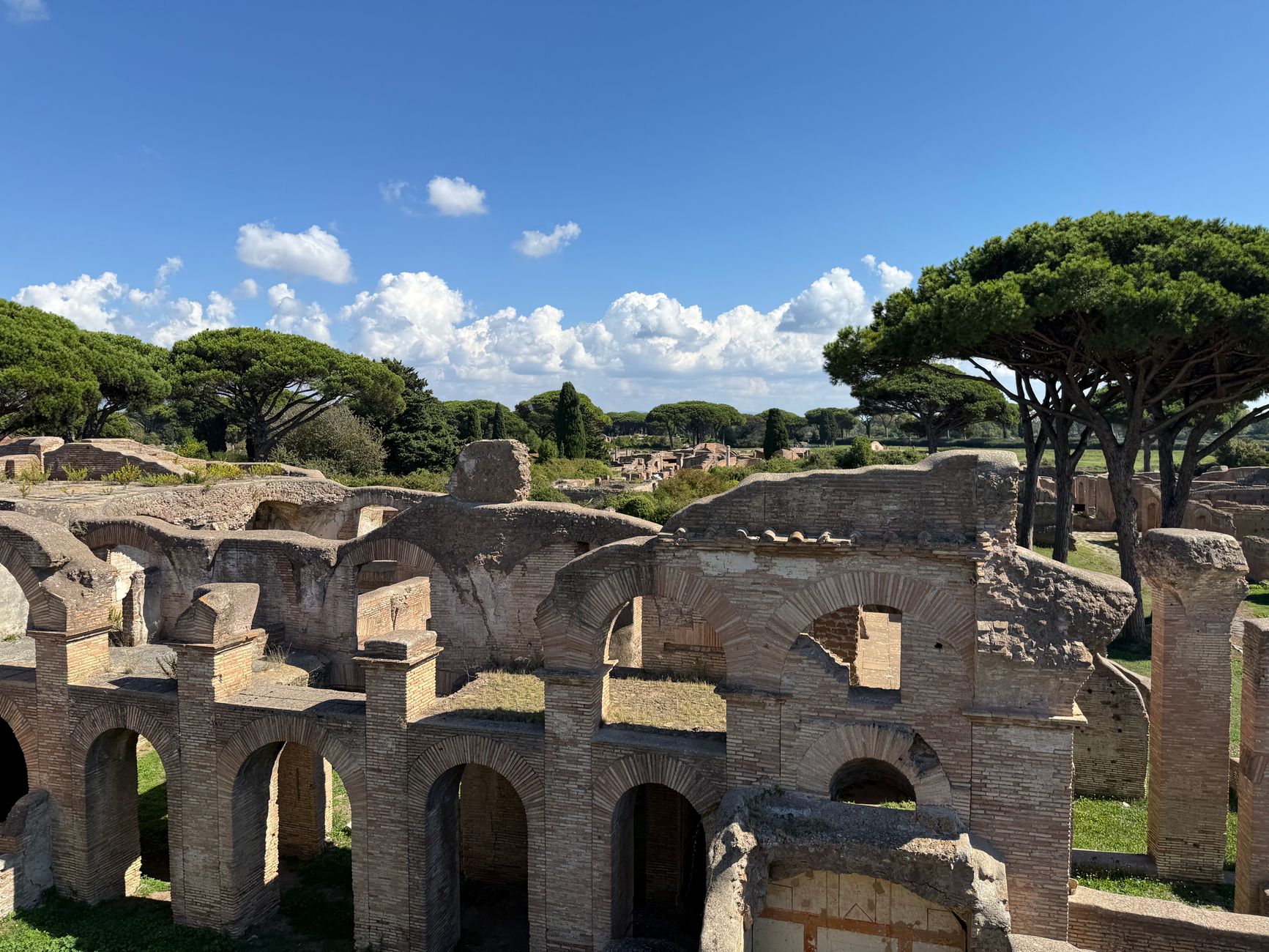
The territory comprising Acilia, Castel Fusano, and Ostia Antica, located within Municipio Roma X in Italy, forms a geographical mosaic where the dense footprint of classical antiquity engages in a close dialogue with centuries-old pine forests and contemporary residential settlements. Unlike high alpine summits or extreme desert routes, planning an expedition or a walking exploration through this area requires understanding a very particular landscape transition: the strip connecting the southwestern periphery of Rome with the coastal zone. With a population exceeding 129,000 residents across its administrative radius and an average elevation barely rising about five meters above sea level, this enclave demands a logistical strategy focused on heritage respect, urban orientation, and the control of access points to its natural reserves.
Preparing any rigorous adventure itinerary in this sector does not rely on crampons or high-mountain ropes, but rather on the ability to read flat yet historically complex terrain. The journeys combine modern asphalt sections with compact dirt trails crossing the Macchia del Tevere and the protected domains of the Castel Fusano pine forest. Proximity to the Mediterranean Sea moderates temperatures, but introduces meteorological variables that the responsible traveler must anticipate, especially during seasonal transition months when humid coastal winds can surprise unprepared walkers.
Seasonal Climatology and Meteorological Variability Along the Roman Coast
Understanding the climate of Acilia, Castel Fusano, and Ostia Antica is essential for mapping a safe marching plan. The region records mild winters, with minimums rarely dropping to extreme lows, and warm summers where solar radiation in the open spaces of archaeological sites can become a significant factor of physical wear. Early morning departures, taking advantage of the hours following sunrise, are the standard adopted by experienced explorers to avoid peak daytime heat during the summer months.
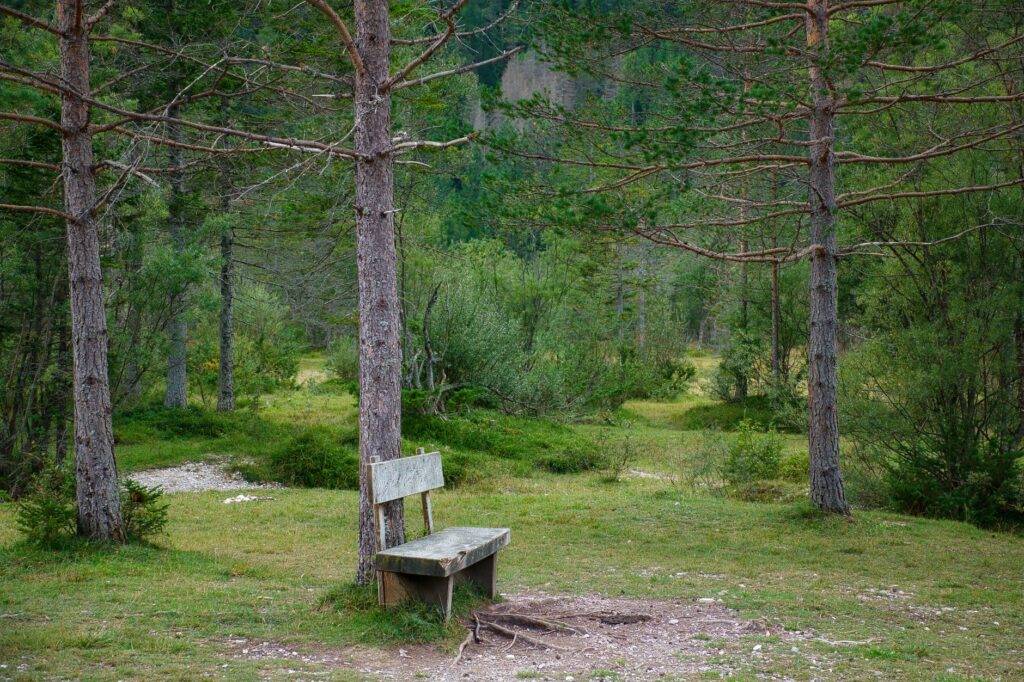
On the other hand, precipitation events are noticeably concentrated between late autumn and early winter. During these dates, dirt paths running along old riverbeds and wooded areas can accumulate mud and temporary puddles, forcing modifications to planned routes. Basic expedition gear must include footwear with adequate traction soles for clayey surfaces, protection against sudden humidity, and a sufficient water reserve, given that public drinking water fountains are scarce along natural stretches farthest from urban centers.
Permits, Regulations, and Responsible Access to Archaeological Heritage
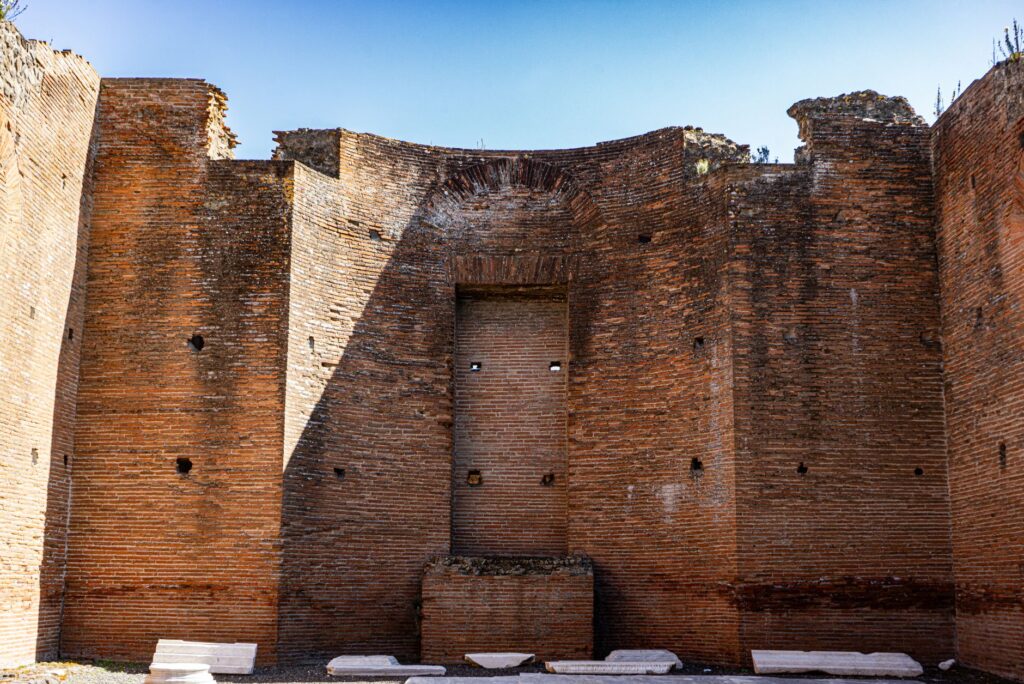
A responsible expedition in this corner of the Italian Lazio cannot be detached from the legal framework protecting its incalculable historical value. The archaeological area of Ostia Antica and the surrounding pine forest zones are subject to strict conservation regulations. Traveling off marked trails or attempting to access ruined structures without proper administrative authorization is strictly prohibited and poses a risk both to the traveler’s safety and the preservation of monumental remains.
Explorers must arrange ticket purchases in advance and verify opening hours for parks and protected areas. Local authorities and heritage management bodies rigorously monitor visitor flow to prevent the degradation of local ecosystems and ancient pavements. Strict respect for conservation rules ensures that the landscape remains intact for future generations, remembering that every step along these paths treads centuries of stratified history.
Transport Logistics and Connectivity in Municipio Roma X
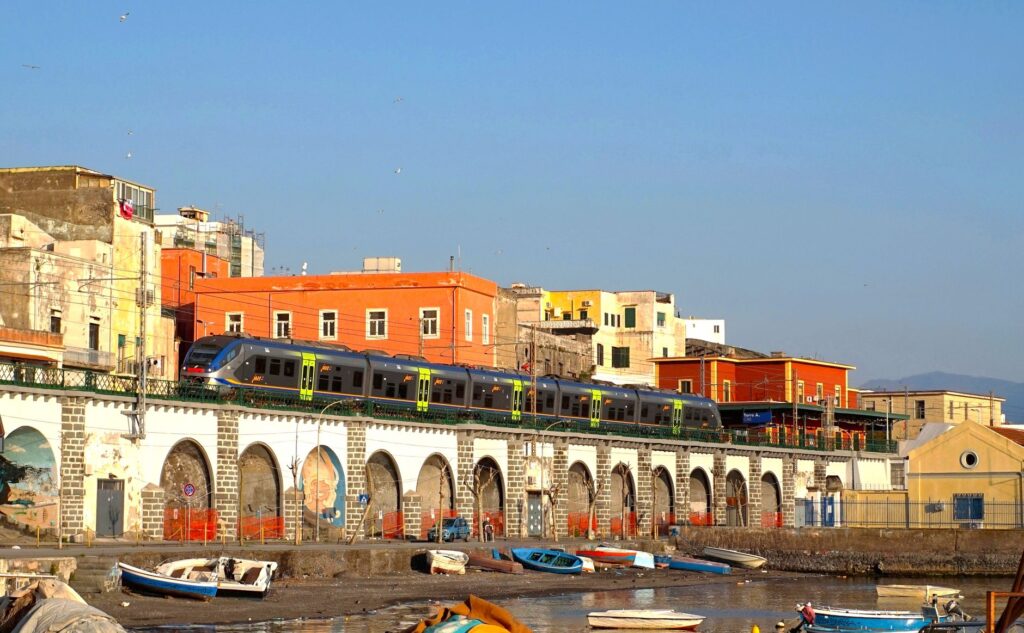
Accessibility to Acilia, Castel Fusano, and Ostia Antica is supported by a public transport network connecting central Rome to the coast. The urban railway linking Porta San Paolo station with Lido di Ostia features strategic stops in Acilia and Ostia Antica, facilitating the arrival of those who prefer to forego private vehicles. Nonetheless, logistical planning must account for variable frequency schedules, especially during weekends and holidays.
For walking exploration segments that venture into the pine forest or connect with peripheral trails, having updated maps and offline navigation systems is indispensable, since mobile phone coverage can present intermittencies in dense wooded areas or terrain depressions. Communication autonomy and the anticipation of alternative routes are vital pillars for any expedition seeking to delve into local geography without last-minute improvisations.
The Natural Pulse of the Macchia and Coastal Biodiversity
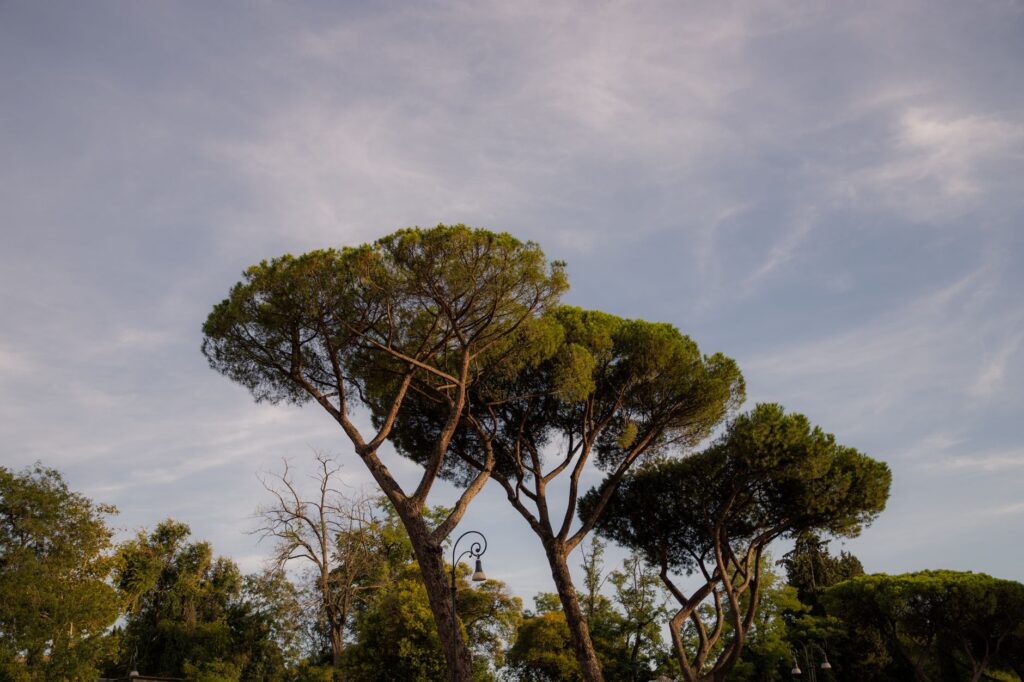
The ecosystem of Castel Fusano represents one of the last well-preserved coastal Mediterranean forest refuges in the vicinity of the Italian capital. Among dominant stone pine specimens (*Pinus pinea*), the undergrowth hosts a rich variety of flora adapted to summer drought and sandy soils. Thickets of myrtle, mastic, and rockrose shape an aromatic and dense landscape that requires the walker to stay alert to the boundaries of established paths.
Local wildlife, although shy due to the proximity of densely populated areas, includes numerous species of migratory and resident birds using this green corridor as a resting and feeding zone. Naturalists traversing the area for observation purposes must maximize silence and avoid any action altering the natural habitat. Respectful observation of local flora and fauna constitutes the ethical core of all modern journeys, where the primary objective is to document and understand without leaving a negative footprint on the environment.
History and nature are not conquered; they are traversed with the humility of one who knows they walk upon an open-air archive.
This maxim summarizes the appropriate attitude for facing the journey through the territory. The absence of major geographical elevations does not exempt the visitor from mental and physical preparation aligned with the demands of the climate and distances covered under the Mediterranean sun.
Essential Equipment and Physical Preparation for Flat Terrain
Tackling a multi-kilometer hike through the dirt paths, ruins, and pine forests of this sector requires equipment selection as methodical as that used in a mid-mountain route. Although the altimetric profile is flat, long hours of exposure to the elements and the hardness of ancient pavements on joints demand lightweight, breathable, and well-cushioned trekking footwear.
Individual gear must be completed with broad-spectrum sun protection items, approved sunglasses, a wide-brimmed cap or hat, and lightweight long-sleeved garments allowing perspiration while preventing direct radiation. Likewise, carrying an ergonomic backpack capable of storing at least two liters of water, easily digestible energy provisions, and a basic first aid kit is an inescapable precaution before setting off.
Practical guide
How to get there: From central Rome, take the Roma-Lido urban train line at Piramide station (Porta San Paolo) and disembark at Acilia or Ostia Antica stations depending on the planned itinerary.
Best time to visit: Spring months (April to June) and early autumn (September to November) offer optimal temperatures for walking without the burden of summer heat.
Permits and regulations: Purchasing a ticket is mandatory to access the Archaeological Park of Ostia Antica and respecting passage restrictions in protected natural reserves of Castel Fusano is required.
Provisioning: Bringing water and light food from the starting point is recommended, as supply options within natural areas are limited.
Safety and communication: Carry fully charged mobile devices, downloaded digital maps, and keep local emergency numbers (112) close at hand.
Final Reflection on the Territory and Millennial Memory
Walking through the landscape where the traces of ancient Rome and coastal pine forests converge invites a reflective pause on the relationship between humanity and the environment across centuries. The millennial stones of Ostia Antica and the silent paths of Castel Fusano are not mere backdrops for leisure, but tangible testimonies of a geography that has reinvented itself without losing its essential identity.
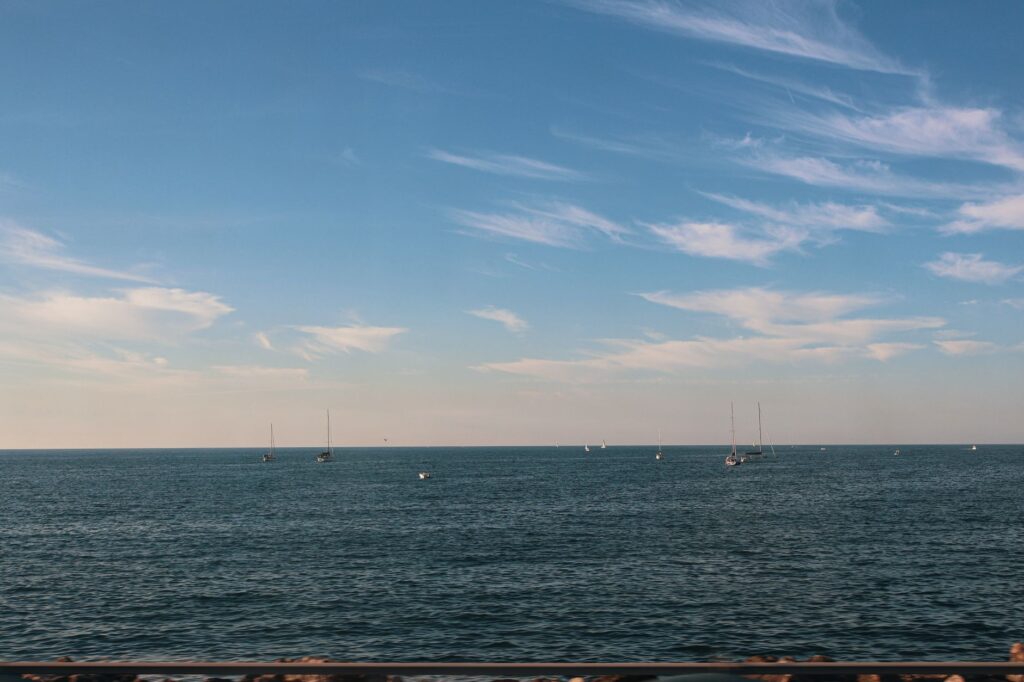
The traveler concluding their expedition with their gaze set on the marine horizon understands that true adventure lies in attention to small details: the whisper of the wind among pine needles, the texture of a weathered Roman wall, and the certainty that exploring this territory is an exercise in respect and shared memory.