
The High-Altitude Geography That Defines Daily Travel
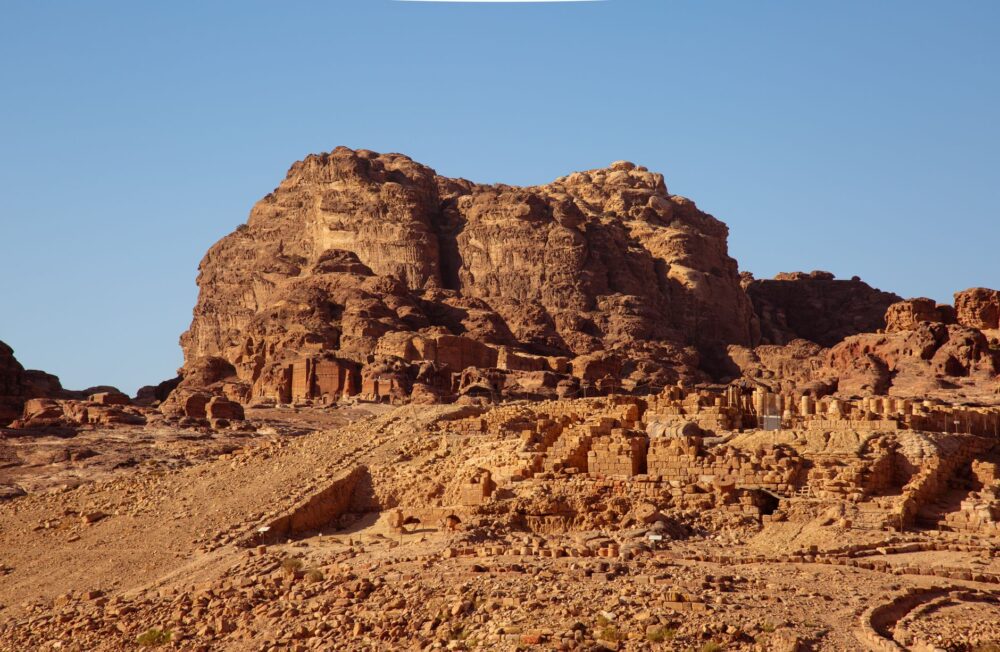
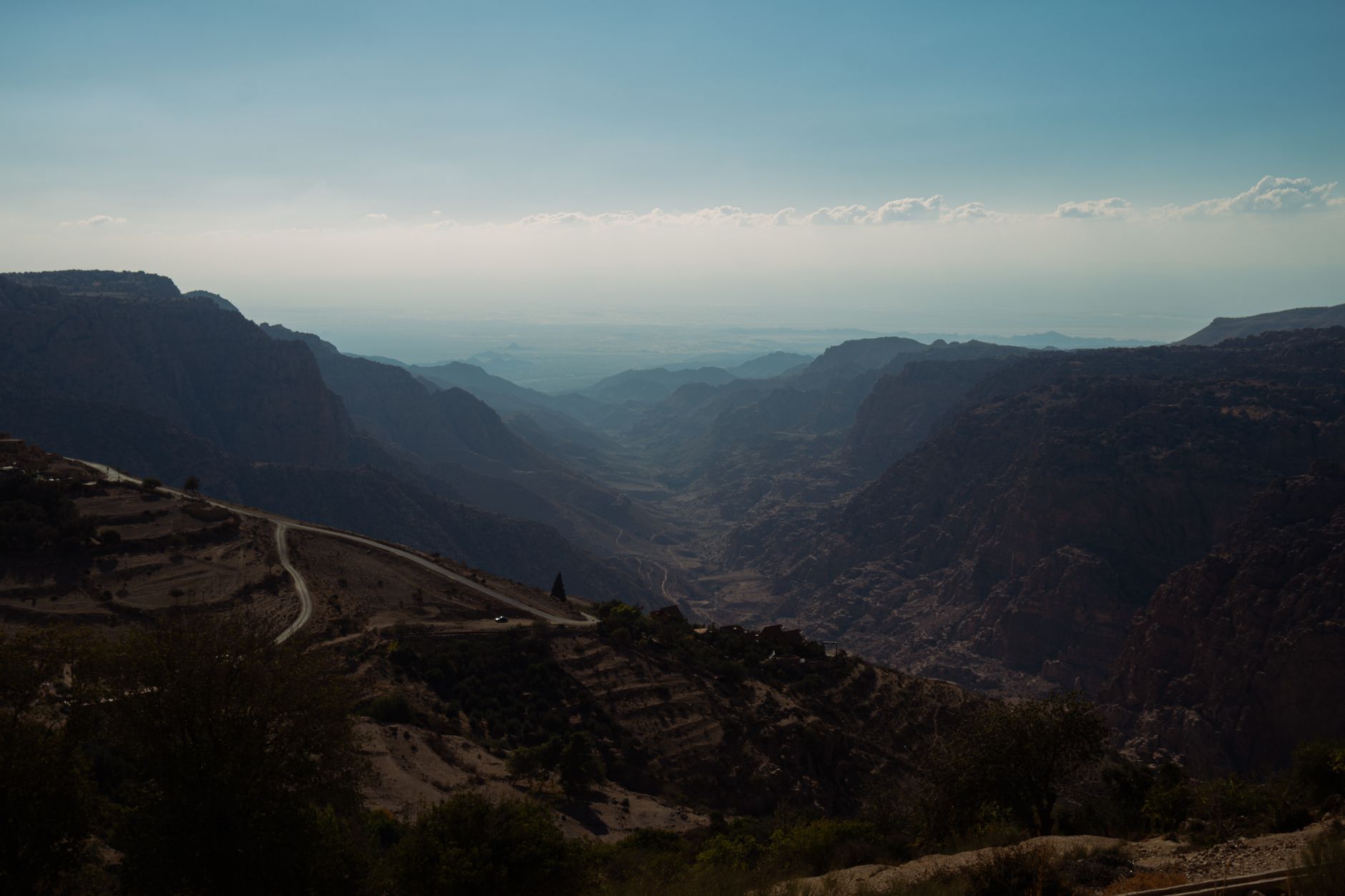
Perched more than one thousand metres above sea level in the mountainous territory of southwestern Jordan, the city of Aţ Ţafīlah presents a daily challenge for mobility and transport. The steep streets and sharp bends descending into the surrounding valleys are not merely picturesque elements of the landscape, but the physical foundation upon which the daily lives of its twenty-five thousand residents are organised. Every morning, the urban routine begins with the ascent and descent of private cars, local taxis, and buses connecting the elevated neighbourhoods with commercial and administrative zones.
Connectivity in Aţ Ţafīlah depends fundamentally on a network of mountain roads that demand constant attention from local drivers and commercial transporters alike. Unlike the country’s major metropolises, where multi-lane highways facilitate rapid traffic, here the pace of travel is dictated by topography. Prolonged inclines and the fog that frequently settles over the peaks in the colder months require drivers to maintain a moderate speed, turning every journey into an exercise in patience and environmental adaptation.
Regional topography creates a unique microclimate that directly influences logistical schedules. Drivers and transportation providers must constantly monitor meteorological updates, especially during seasonal transitions when morning frost or sudden cloud cover can reduce visibility across the winding mountain passes.
Road Transport as the Regional Backbone
For the residents of Aţ Ţafīlah, the shared minibus is far more than a simple conveyance; it is the space where community conversations take place and trips to Amman, the kingdom’s capital, are coordinated. The main bus station, located at a strategic point in the town, acts as the logistical hub receiving students, workers, and traders before dawn. From there, routes depart connecting the highlands with other governorates, maintaining a steady flow of people and goods.

Maintaining this road infrastructure requires ongoing technical effort by local authorities. Seasonal variations, ranging from warm summers to winters with occasional frost and heavy precipitation, put the asphalt to the test. Road maintenance crews work continuously to ensure that the routes linking Aţ Ţafīlah with the country’s main arteries remain open and safe, preventing the isolation of a community that relies heavily on regional exchange.
Coordination among local transport cooperatives ensures that service frequencies adapt dynamically to shifts in seasonal demand, balancing the needs of academic commuters with commercial freight requirements efficiently.
The Role of National Airports in External Connectivity
Although Aţ Ţafīlah lacks an airfield within its municipal boundaries, its connection to the national air transport network remains essential for understanding its global mobility dynamics. Queen Alia International Airport, Jordan’s primary gateway, serves as the connection node for inhabitants of this region travelling for work, study, or tourism. The journey from the highlands to the airport requires a well-planned combination of road travel, integrating local vehicles and intercity services.
This reliance on external air transport fosters a culture of advance planning among local travellers. Families and professionals in Aţ Ţafīlah carefully calculate road travel times to align with international flights, aware that any weather-related disruption in the mountainous zones can alter timetables. Thus, commercial aviation indirectly integrates into the daily life of a distinctly mountainous municipality.
International travellers departing from this southern Jordanian governorate frequently coordinate shuttle services days in advance, ensuring punctual arrivals at the main air hubs despite the inherent unpredictability of cross-country highway conditions.
Urban Architecture Adapted to Slopes
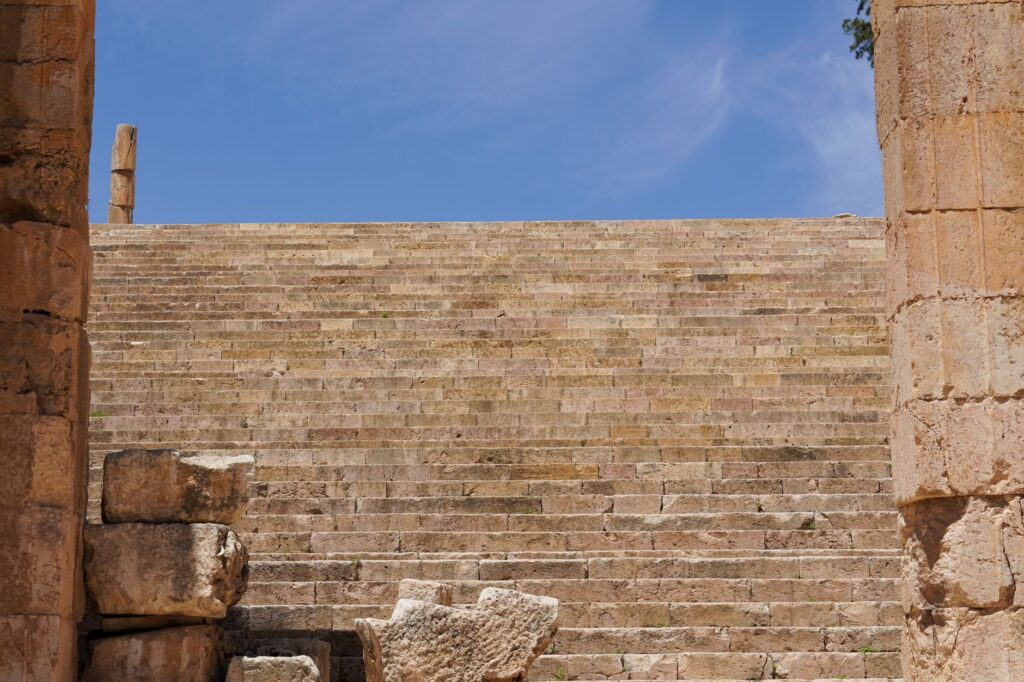
Walking through Aţ Ţafīlah reveals how urban architecture and transport systems merge directly with the rock. Residential buildings are terraced into the hillsides, taking advantage of natural ledges to secure space against the incline of the terrain. Pedestrian stairways connect streets that would otherwise remain isolated from vehicular traffic, allowing residents to traverse the urban fabric directly and safely. This layout prioritises foot accessibility in the older quarters of the town.
The design of secondary roads also reflects this topographical adaptation. Limestone retaining walls are ubiquitous features protecting both roadways and homes from potential rockfalls caused by erosion or seasonal rains. Built using traditional techniques refined over decades, these structures ensure the stability of the urban soil and allow motor vehicles to travel with the safety required in a high-gradient zone.
Architectural preservation efforts focus on reinforcing these masonry structures to withstand long-term weathering while preserving the distinctive visual heritage of the hillside settlement.
Local Commerce and En-Route Supply Chains
The arrival of essential supplies in Aţ Ţafīlah depends on a terrestrial logistics chain connecting local markets with Jordan’s agricultural and industrial production centres. Medium-sized cargo trucks serve as the silent protagonists of this process, stocking neighbourhood shops with fresh produce, construction materials, and daily consumer goods. These supply routes operate under strict schedules to avoid peak local traffic hours on narrower streets.
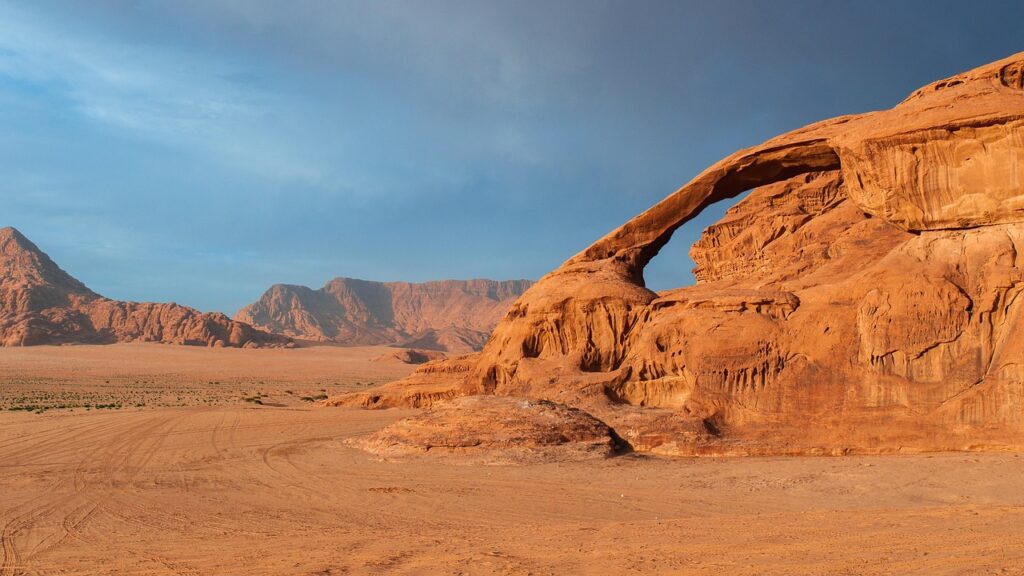
In the town’s traditional markets, situated around the main thoroughfares, commercial activity revolves around the arrival times of these transport vehicles. Local merchants coordinate the reception of goods during the early morning hours, when temperatures are cooler and vehicle circulation is smooth. This daily resupply system ensures that the economy of Aţ Ţafīlah remains active and connected to commercial dynamics across the country.
Wholesale distributors maintain close communication with regional shopkeepers to adjust cargo capacities dynamically according to weekly consumer demand fluctuations.
Natural and Cultural Heritage as Travel Destinations
Beyond its residential and administrative functions, Aţ Ţafīlah is surrounded by natural landscapes of high historical and ecological value that attract visitors interested in rural and adventure tourism. Nearby nature reserves and deep canyons offer hiking trails that complement the travel experience in the region. To access these enclaves, travellers utilise off-road vehicles or organised transport services departing from the urban centre, facilitating the exploration of a protected geographical environment.
The preservation of these traditional paths and natural trails is a priority for maintaining equilibrium between visitor traffic and environmental protection. Local authorities promote sustainable tourism practices that minimise vehicular impact in sensitive ecological areas, ensuring visitors can enjoy the landscape without disturbing the tranquility of rural communities adjacent to the natural parks.
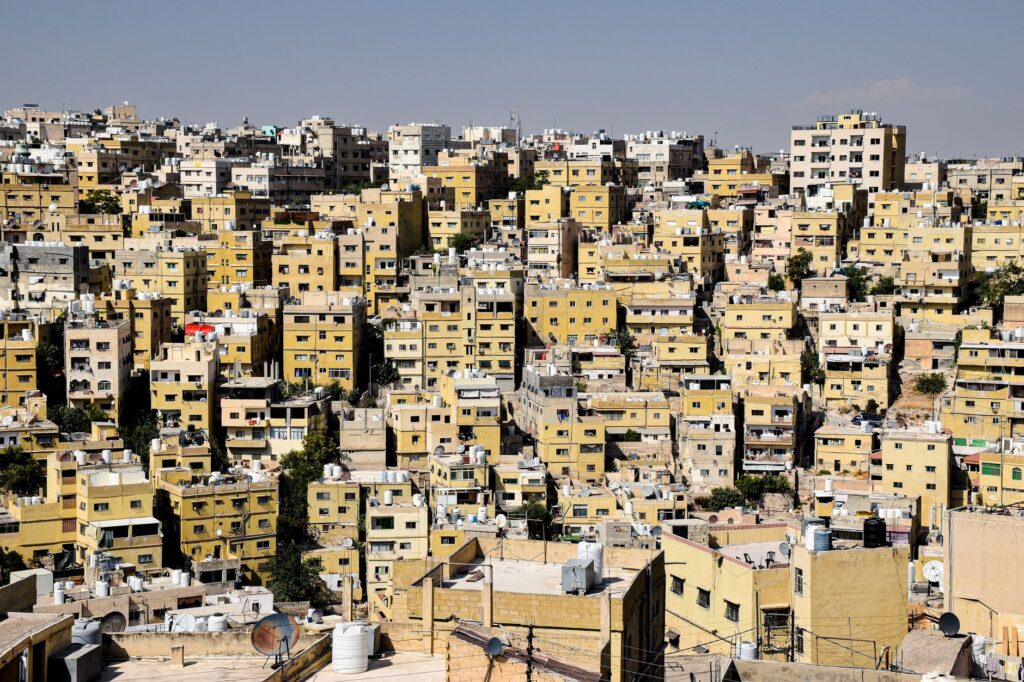
Visitor centres provide comprehensive educational materials emphasising low-impact exploration methods for hikers venturing into remote valleys.
Practical guide
How to get there: Access is primarily by road from Amman via scheduled buses or private vehicles, taking approximately two and a half hours via the desert highway and mountain connections.
When to travel: Spring and autumn offer the most pleasant weather conditions for exploring the region, avoiding extreme summer temperatures and potential winter snowfalls on the peaks.
Internal transport: Within the urban core, walking is the primary mode of travel due to the steep gradients; for longer journeys or connections with neighbouring villages, local taxis and minibuses are the most practical option.
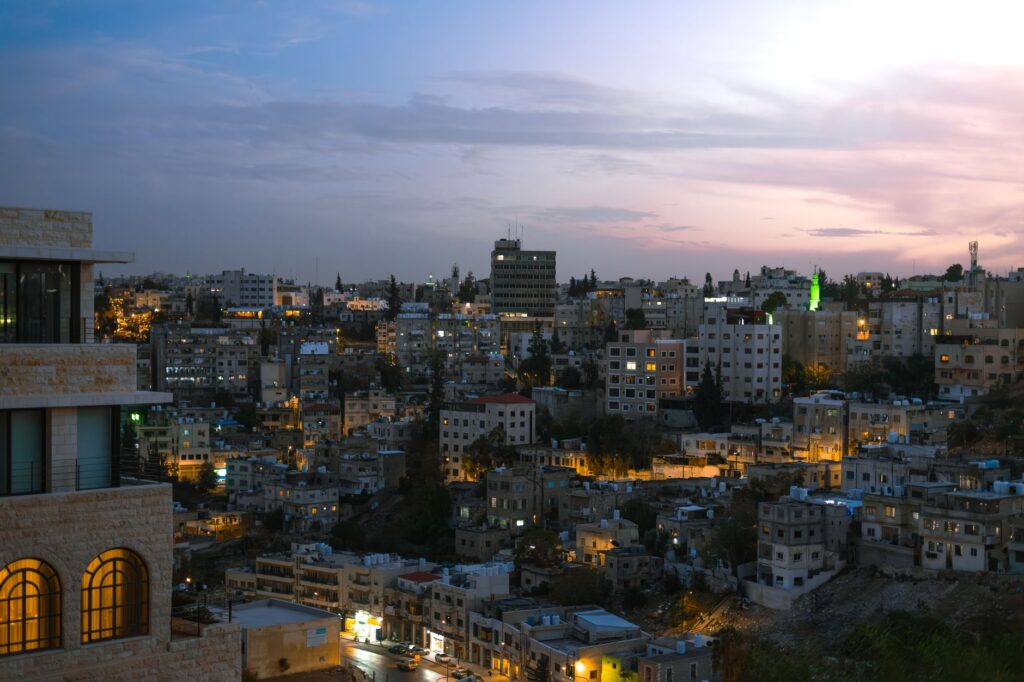
Accommodation: The lodging sector includes small guesthouses and locally managed accommodations focused on rural and nature tourism.
Useful tips: Sturdy footwear is recommended for walking along steep streets, alongside checking road conditions during winter for potential dense fog or morning frost.
Final Reflection on the Mountain Horizon
The daily pulse of Aţ Ţafīlah demonstrates that the distance between a mountain community and the rest of the world is measured not merely in kilometres, but in the capacity of its residents to forge paths resistant to time and topography. Amid sharp curves, early-morning buses, and stone retaining walls defying the slope, this Jordanian town continues writing its daily history upon the map of the high altitudes, proving that every journey is an act of roots and endurance.