
Introduction to the crossroads in southwestern Nepal
Located in the Banke district within Lumbini Province in Nepal, the town of Nepalgunj stands as a fundamental enclave where the vast plains of the Terai converge with traditional routes leading toward the Himalayas. At an elevation of approximately one hundred and fifty meters above sea level, this urban hub exceeds one hundred and sixty thousand residents, serving as a commercial and cultural meeting point of great significance for the country. Far from being a mere transit point, the city preserves a distinct character shaped by the coexistence of multiple communities and traditions intertwined in every corner.
The daily rhythm of Nepalgunj unfolds between the activity of its bustling bazaars and the relative calm of its residential neighborhoods. Here, heritage is not solely displayed in grand historical monuments, but lives on in daily customs, small craft workshops, and the oral memory of its inhabitants. Understanding this corner of Nepal requires looking beyond conventional tourist circuits and attending to the richness of a daily life built over decades through constant exchange between different cultures and neighboring regions.
The geography and climate of the western Terai
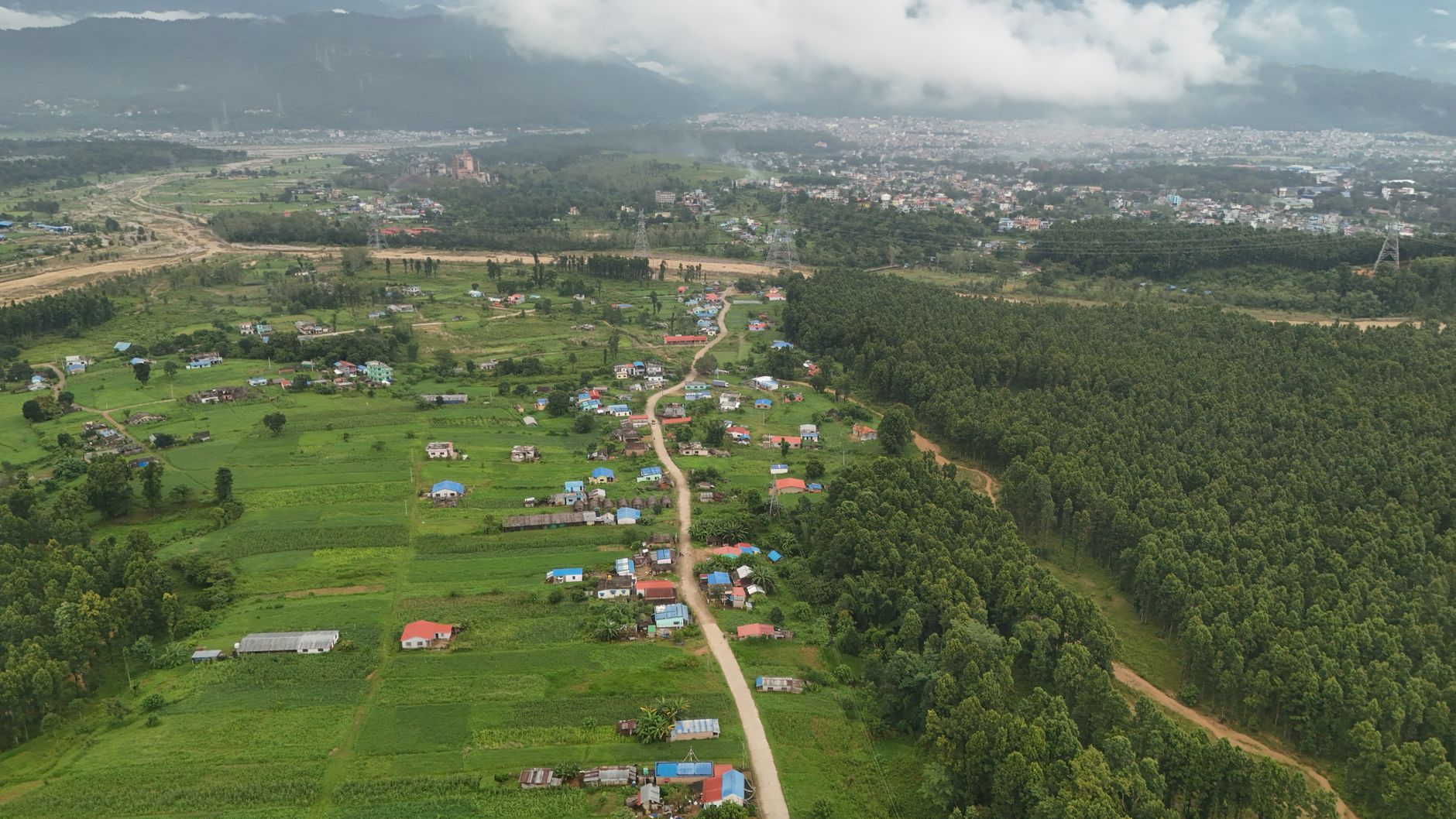
The geographical location of Nepalgunj directly determines the architecture of its streets and the organization of its urban life. Situated in coordinates marking the transition to the southern lowlands of Nepal, the city experiences a subtropical climate influenced by monsoons. Mornings typically begin with a gentle mist covering the surrounding fields before giving way to warm, luminous days. This environmental configuration has historically favored an economy based on lowland agriculture, border trade, and the provision of services for neighboring mountain districts that depend on this urban center for supplies.
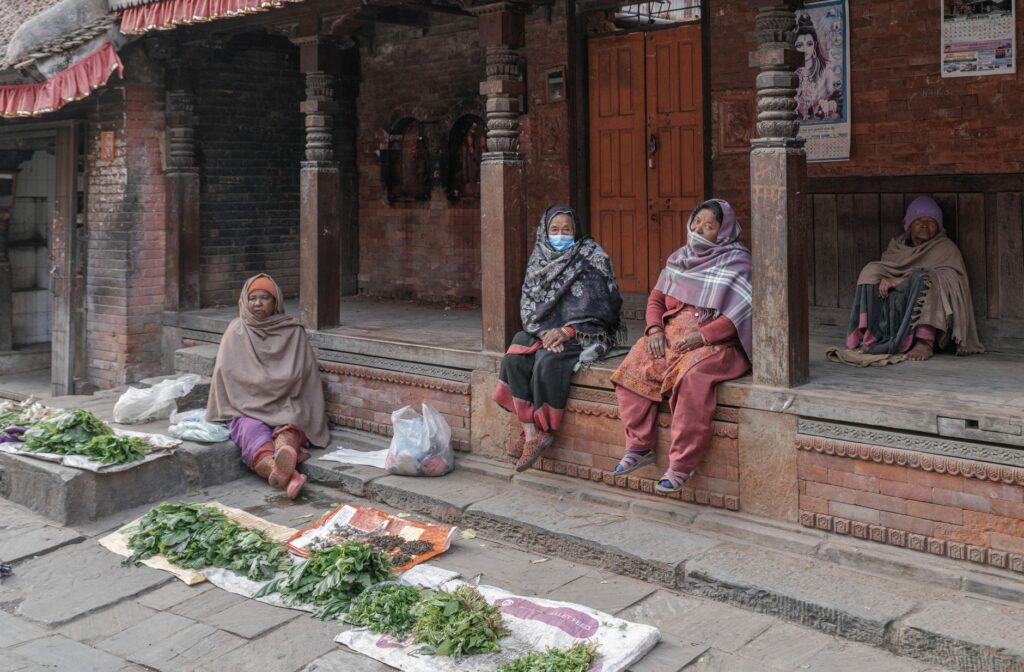
The urban layout combines dense commercial areas with expansive open spaces where tropical vegetation survives despite demographic growth. Traditional brick and wood dwellings share space with contemporary constructions, reflecting a steady transformation that largely respects the traditional pulse. Local residents have adapted to the high summer temperatures through the design of interior courtyards and shaded verandas that facilitate coexistence and natural ventilation in homes.
The mercantile pulse of traditional markets
The economic and social heart of Nepalgunj beats strongly in its open-air markets and the alleys of the old town. Dhamboji Chowk and the surrounding streets form a network where local merchants offer everything from aromatic spices and textiles to everyday utensils. This daily commerce constitutes not merely an economic activity, but the primary space for socialization where community networks are woven. Encounters between neighbors and foreign visitors happen naturally among fresh vegetable stalls, grocery shops, and small repair workshops.
Proximity to the border notably influences product variety and the linguistic diversity heard while walking through these passages. Nepali coexists with Awadhi, Bhojpuri, and Hindi, creating a dynamic and plural soundscape. Local artisans keep traditional trades alive, linked to metalworking and textile manufacturing, adapting their creations to contemporary needs without losing the heritage imparted by their ancestors.
Interreligious coexistence and community life
One of the most remarkable aspects of cultural identity in Nepalgunj is the peaceful coexistence among diverse religious communities. Hindu temples, mosques, and gurdwaras rise within the urban fabric at close proximity to one another, marking the spiritual tempo of the population. Festivities such as Dashain, Tihar, Eid, and Guru Nanak Jayanti are celebrated with community participation transcending confessional boundaries, strengthening a shared sense of belonging and mutual respect.
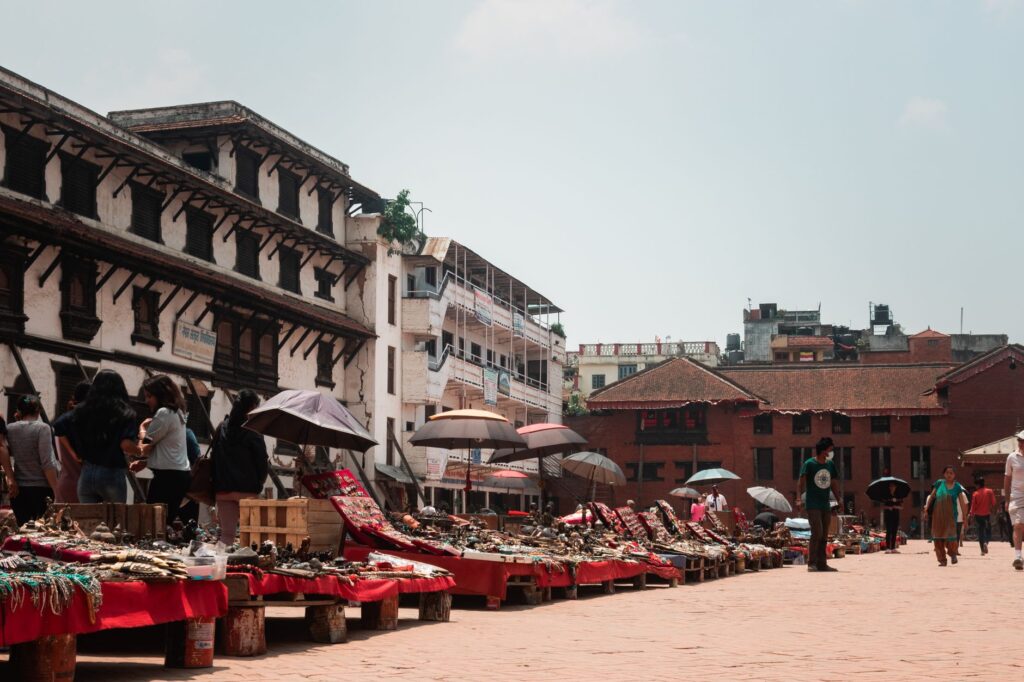
This social harmony is also reflected in neighborhood structures, where families share common spaces, festivities, and mutual support during daily hardships. Community gatherings under the shade of centuries-old trees or in the courtyards of religious centers serve as a forum to resolve local matters and keep alive oral traditions explaining the origin and evolution of the city.
Urban architecture and adaptation to the environment
The architecture of Nepalgunj is a tangible testament to its historical evolution and climatic adaptation. Unlike the stone structures of higher mountain valleys, single- and two-story buildings constructed with fired brick, tile or corrugated metal roofs, and hardwood structures predominate here. Wide eaves and front verandas are not merely aesthetic elements, but functional solutions designed to protect interiors from intense sunlight and torrential rains during the monsoon season.
In recent years, population growth has driven real estate development that unevenly coexists with inherited architectural heritage. Nevertheless, local conservation initiatives and residents’ pride in their roots have preserved numerous buildings of historical value in older sectors, reminding younger generations of the aesthetic and practical value of vernacular construction.
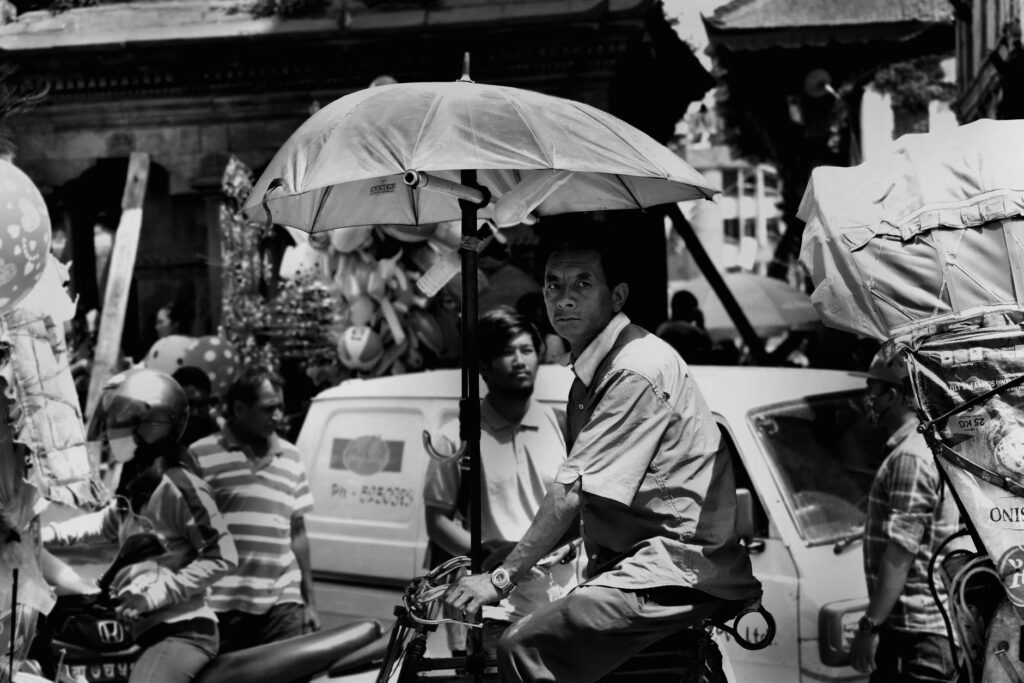
The true essence of a community does not lie in the monumentality of its buildings, but in the ability of its inhabitants to welcome the traveler and share their daily memory with honesty.
Local gastronomy: flavors of the plain
The cuisine of Nepalgunj offers a distinctive profile within the national culinary landscape, differing from the typical gastronomy of the high mountains. Influenced by culinary traditions from the northern plains of India and the Nepali Terai, the local diet relies on the generous use of lentils, rice, wheat, and a wide variety of seasonal vegetables. Spices like cumin, coriander, turmeric, and mustard bring intense aromas to traditional dishes reflecting the region’s agricultural abundance.
Street food markets and small family dining rooms are the best settings to sample specialties like local dal bhat, accompanied by spicy vegetable preparations and freshly baked flatbreads. Hospitality is invariably manifested at mealtime, where offering food to the visitor is an unwritten rule of courtesy and mutual respect that strengthens social bonds within the community.
Responsible decisions for the visitor
Tourism in Nepalgunj is at a stage where responsibility and respect for the local environment are essential to avoid negative disruptions to community life. Travelers arriving at this destination have the opportunity to practice conscious tourism, prioritizing family-run accommodations, purchasing crafts directly from local producers, and respecting the cultural and religious norms of the various groups inhabiting the city.
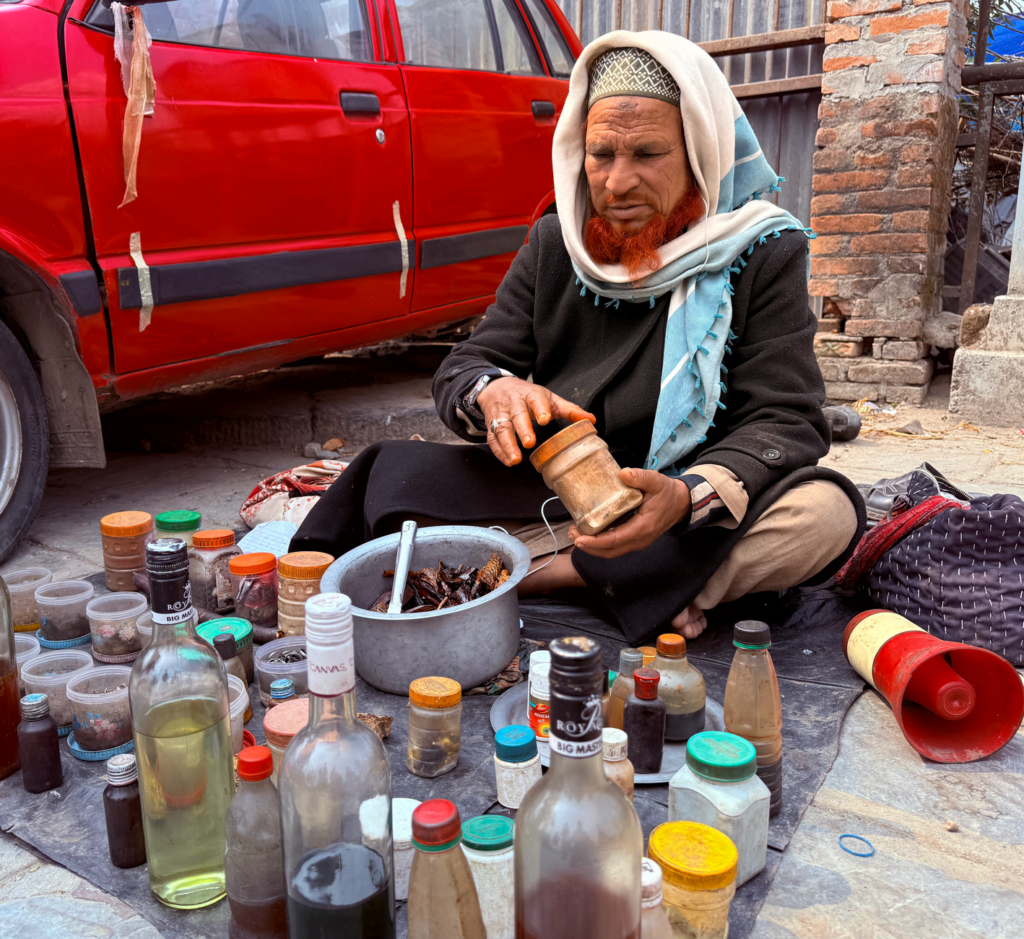
Supporting local economic initiatives not only contributes to the sustainable development of Lumbini Province, but ensures that cultural heritage and everyday identity remain intact for future generations. Discretion when photographing people, appreciation for fair trade, and a willingness to learn from residents are essential attitudes for any traveler wishing to understand the true human dimension of this crossroads.
Practical guide
How to get there: Nepalgunj has regular flight connections from Kathmandu via Nepalgunj Airport (IATA: KEP), and is also accessible by road via buses and private transport services connecting major cities across the country.
When to visit: The months between October and March offer the most pleasant weather conditions, with moderate temperatures and clear skies ideal for exploring the city on foot.
Where to stay: Accommodation ranges from small locally run guesthouses in the historic center to functional hotels along main avenues, with advance booking recommended during local festivals.

Cultural recommendations: It is advisable to dress modestly, covering shoulders and knees, and always ask permission before taking photographs in crowded markets or places of worship.
Final reflection on shared memory
Exploring Nepalgunj reveals a different face of Nepal, far from high-mountain routes yet deeply rooted in the country’s cultural identity. The confluence of traditions, the warmth of its people, and the richness of its daily life make this enclave a destination of great value for those seeking to understand the social and human complexities of South Asia. At the end of the journey, the city leaves visitors with the certainty that the true treasures of travel lie in small gestures of hospitality and the living memory of its communities.