
Ma’an, Jordan: The Steppe and Stone Table Where Wheat and Lamb Set the Daily Rhythm
The Southern Gateway Where Limestone Guards the Routine
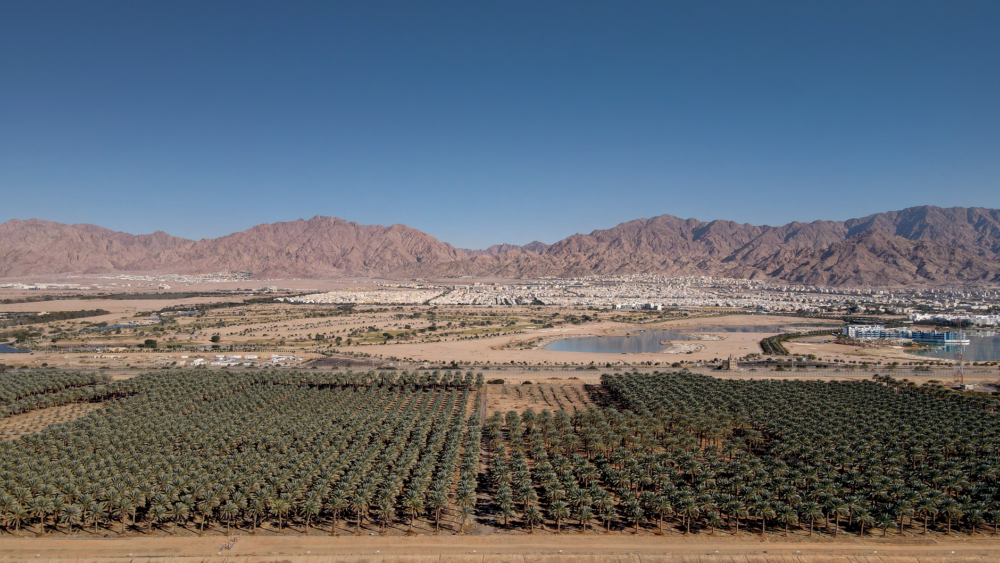
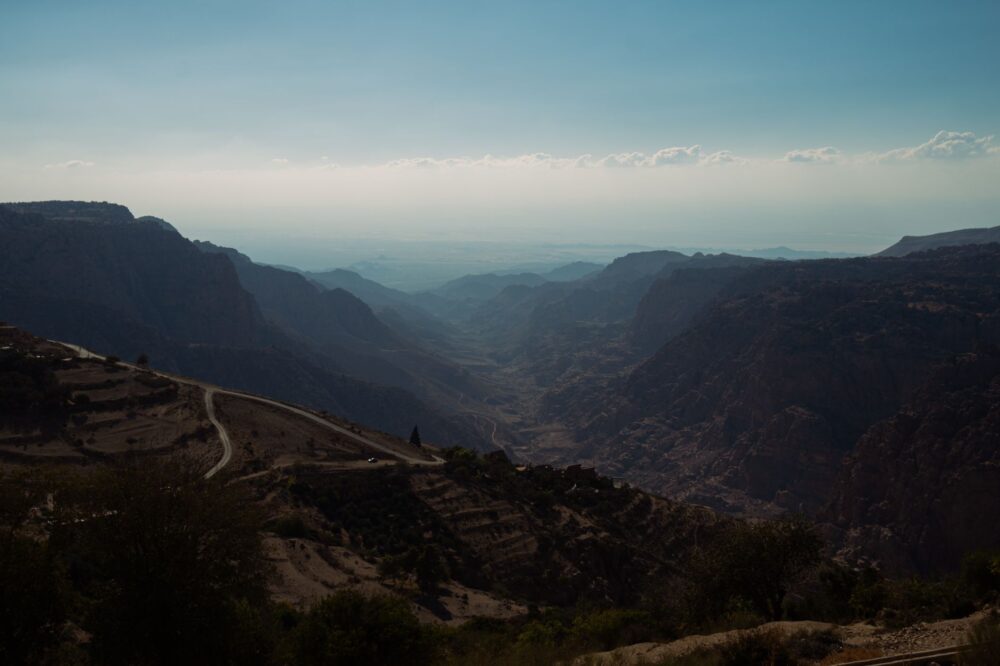
In southern Jordan, the city of Ma’an rises across an arid plateau over one thousand meters above sea level, where the dry desert air contrasts with the warmth of its culinary traditions. Far from mainstream tourist itineraries, this locality sustains a rhythm of life supported by local commerce, historic transit routes toward the Arabian Peninsula, and oasis agriculture that defies water scarcity. Daily life here unfolds among pale stone facades, slender minaret mosques, and the morning bustle of supply markets, where legumes, grains, and spices that will sustain families throughout the week are negotiated.
The city’s pulse is clearly perceived in the early hours, when shopkeepers lift the metal shutters of their stores and the aroma of roasted coffee infused with cardamom permeates the streets adjacent to the main thoroughfare. Residents visit traditional stalls not only to provision themselves but to exchange news about the harvest, weather, and community affairs. This direct relationship between producer and consumer defines a neighborhood model where hospitality is not a commercial strategy, but an implicit code of coexistence deeply rooted in Jordanian culture.
Understanding this daily choreography requires looking closely at how families manage their resources throughout changing seasons. The local economy relies heavily on small independent vendors who have operated in the same locations for decades, passing down knowledge of sourcing from one generation to the next. These interactions foster a distinct sense of place that resists the homogenization found in modern urban centers. Visitors walking through these districts witness an authentic community life untouched by theatricality, where neighbors greet each other by name and share updates regarding local agricultural yields.
The Central Market: The Commercial Pulse of the Highlands
The economic and social heart of Ma’an beats within its central market, a network of stalls where the colors of vegetables cultivated in surrounding valleys mingle with open sacks of lentils, chickpeas, and cracked wheat. Unlike impersonal supermarkets, this space preserves human scale and personalized service. Merchants patiently explain the origin of each product, detailing whether olives come from nearby terraces or if the displayed lamb comes from nomadic shepherds who harness ephemeral pastures after scarce winter rains.
Within these commercial aisles, seasonality dictates domestic kitchen priorities. During colder months, counters fill with resilient root vegetables and tubers, while spring brings wild herbs such as wild thyme and sage, highly valued both for infusions and for seasoning meats. Daily shopping is a conscious exercise: only what is strictly necessary for the day is acquired, reducing waste and ensuring ingredients retain full freshness before being transformed into family hearth preparations.

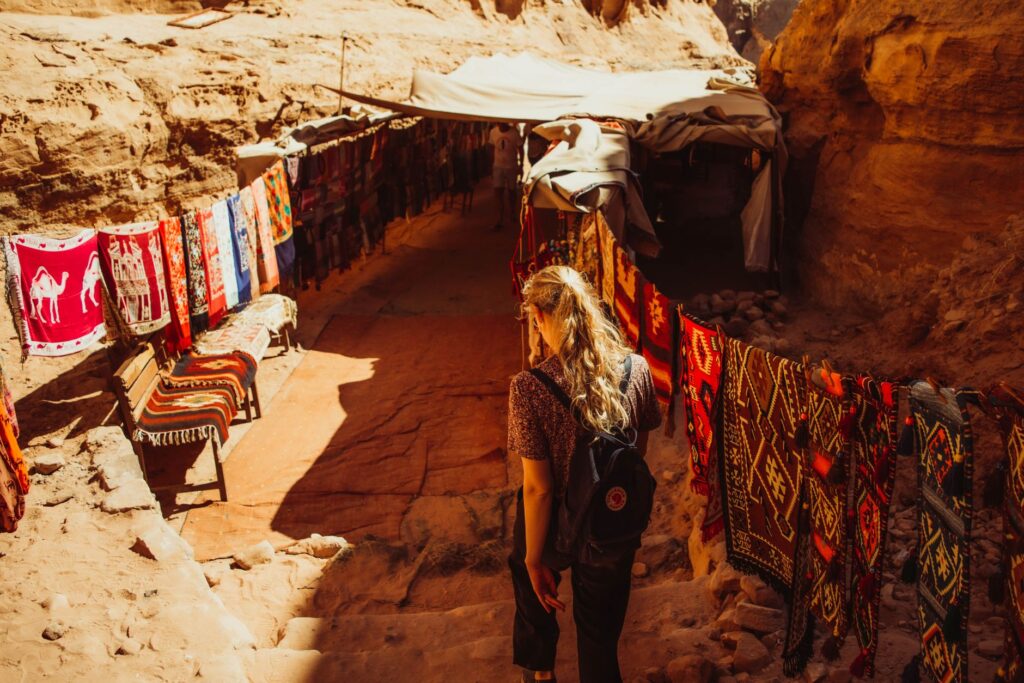
Strolling past the open sacks of grains and woven baskets, one notices the deliberate pace of transactions. Bartering and friendly negotiations form part of the social ritual, encouraging conversation rather than mere monetary exchange. Vendors take pride in displaying their goods cleanly and methodically, reflecting a broader cultural respect for provisions that are hard-earned from a challenging landscape. This marketplace acts as an essential anchor for neighborhood cohesion, where socioeconomic ties are continually reinforced through daily encounters.
The Aromas of the Home: Cereal, Legume, and Slow Fire
The everyday cuisine of Ma’an is grounded in honest preparations that make the most of available resources in a semi-arid environment. Freshly baked flatbread accompanies every meal, serving both as a staple food and an eating utensil. Around this essential element weaves a gastronomy based on lamb stews, lentil dishes seasoned with cumin, and preparations made from dried fermented yogurt, locally known as jameed, which imparts a characteristic tangy and comforting flavor to main dishes.
Preparing these dishes requires time and patience, principles that contrast with the immediacy of hyperconnected urban societies. Local families dedicate hours to the slow simmering of broths and the meticulous sorting of grains. This care in preparation reflects a conception of food as an intergenerational nexus, where recipes are transmitted from mothers to children through constant practice and shared gustatory memory, preserving culinary techniques that have withstood the test of centuries at this crossroads of paths.
The tactile nature of handling dough, pounding dried herbs, and soaking pulses connects contemporary households with ancestral routines. Meals are rarely rushed; instead, dining serves as a pivotal moment for family gathering and discourse. The careful balance of spices—never overwhelming, always enhancing the natural profile of lamb or wheat—demonstrates a refined palate shaped by historical trade connections across the region, maintaining flavors that honor the agricultural realities of the southern Jordanian plateau.
Architectural Heritage and Its Dialogue with the Table
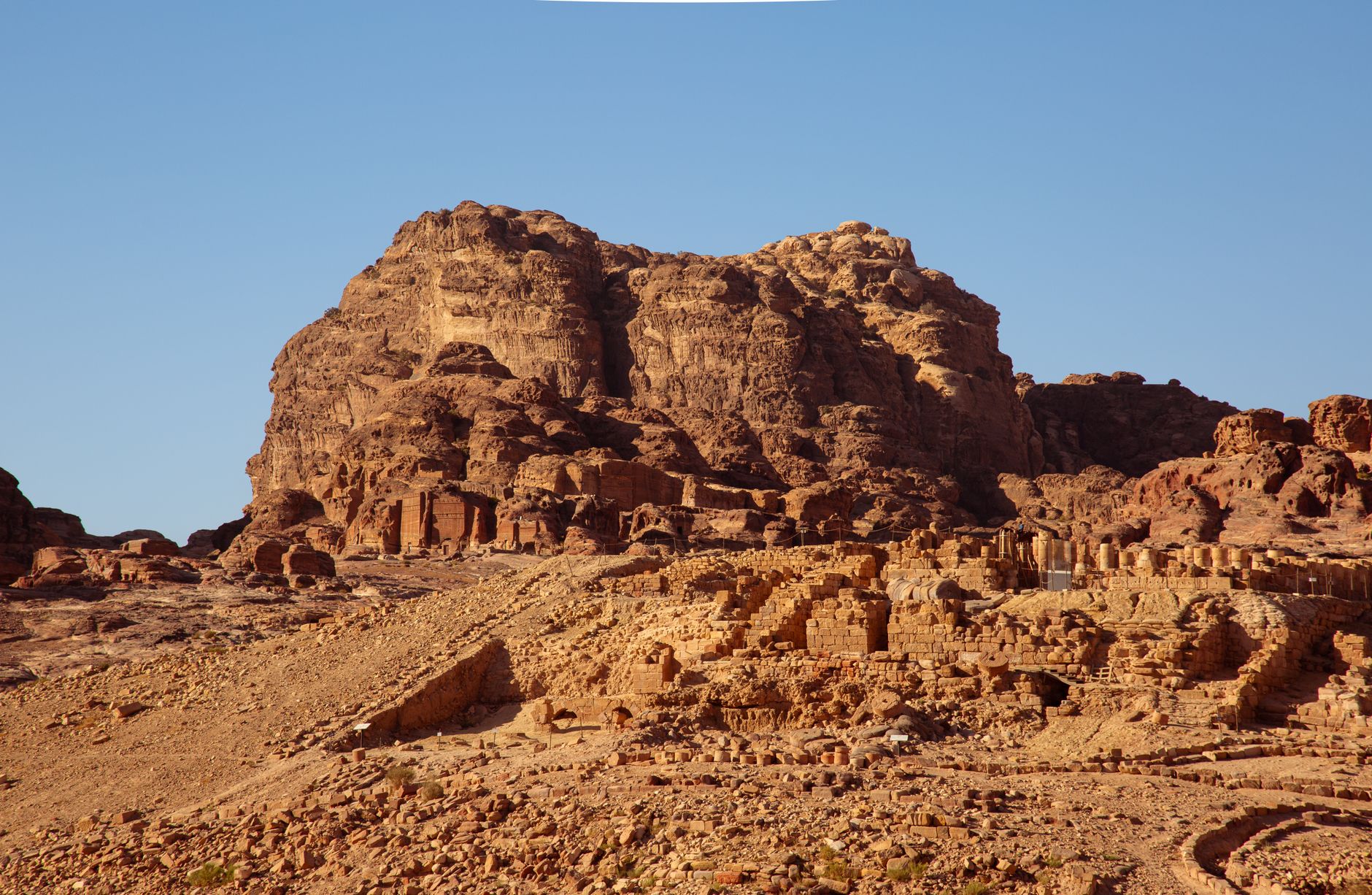
Ma’an’s built environment exerts a direct influence on how residents experience daily life and gastronomy. Traditional dwellings, constructed with thick local stone walls, are designed to mitigate the drastic thermal swings of the desert climate, keeping interiors cool during scorching summer afternoons and retaining heat on cold winter nights. Around these interior courtyards and sitting rooms protected from the wind, families gather to share the main midday meal, the moment of greatest social cohesion.
This architectural heritage is not a mere historical backdrop, but a functional space shaping dietary customs. Traditional pantries, located in the coolest areas of houses, store jars of pickles, olive oil preserves, and sacks of dry grain ensuring the family larder. Thus, housing structure and domestic pantry operate in perfect harmony, guaranteeing food autonomy and the continuity of local culinary traditions against the pressures of globalizing modernization.
The integration of interior courtyards also allows for natural ventilation and private family spaces where food preparation tasks, such as drying herbs or cleaning grains, can be performed out of the harsh glare of the midday sun. The stonemasonry itself, executed with local quarried stone, creates a visual harmony across the neighborhoods, anchoring the domestic sphere firmly within the physical landscape of the plateau. This harmonious relationship between shelter and sustenance underscores an enduring architectural wisdom.
Life in the Squares: Neighborhood Commerce and Urban Memory
Beyond the strictly domestic sphere, Ma’an’s public life unfolds in its squares and small neighborhood establishments serving peppermint infusions and bitter coffee. These informal spaces function as local agoras where current events are debated, business agreements are closed, and community fabric is consolidated. Local artisans, from blacksmiths to bakers, keep workshops open to the street, allowing passersby to observe the crafting process of their goods directly.
This visibility of daily work fosters profound respect for traditional trades and the intrinsic value of human effort. Travelers venturing into these neighborhoods discover a community proud of its heritage, willing to share a cup of tea and unhurried conversation. Exploring these streets reveals that Ma’an’s true wealth does not lie in grand tourist monuments, but in the authenticity of its daily life and the strength of its neighborly bonds.
Sitting quietly in a neighborhood square offers a window into the unscripted rhythms of urban memory. Elders recount tales of past trade caravans while younger generations manage storefronts, creating a continuous bridge of continuity. The absence of commercial artifice ensures that every interaction remains genuine, providing visitors with an authentic glimpse into provincial Jordanian society where human scale dictates the pace of the afternoon.
The Role of Local Markets in Community Sustainability
Faced with the uniformity imposed by large food distribution chains, Ma’an’s markets act as bastions of circular economy and human-scale sustainability. Small surrounding farmers find a direct channel in these stalls to market surplus, guaranteeing fair prices and encouraging crop diversity adapted to the local climate. This proximity network minimizes carbon footprints associated with freight transport and strengthens regional economic resilience.
Furthermore, shopping in traditional markets fosters a responsible and respectful tourism model. Travelers choosing to buy local ingredients for their own meals or dining in small popular eateries contribute directly to the well-being of local families. This balanced economic interaction allows Ma’an’s cultural and gastronomic heritage to be preserved organically, free from artifice or artificial recreations oriented toward mass visitor consumption.
This sustainable dynamic encourages visitors to reflect on their own consumption habits. By supporting vendors who rely on hyper-local agriculture, travelers actively participate in preserving the ecological balance of the oasis and surrounding plateau. Such mindful engagement ensures that tourism acts as a supportive element rather than a disruptive force, safeguarding the economic autonomy of residents who maintain these invaluable agricultural and culinary traditions.
The value of a culture is not measured by the grandeur of its monuments, but by the dignity with which its inhabitants honor the shared table every day.
Practical guide
How to get there: Ma’an is accessible by road from Amman via the Desert Highway, a journey of approximately two and a half hours by private car or regular bus line.
When to go: Spring months and autumn offer optimal temperatures to explore the city and its surroundings on foot, avoiding extreme summer heat.
Where to eat: Small traditional establishments situated around the central market offer homemade dishes prepared with local produce, such as lamb stews and freshly baked bread.
Etiquette tips: Visitors are advised to dress modestly, covering shoulders and knees, and always ask permission before photographing market vendors or passersby.
Responsible shopping: Purchase spices, legumes, and olive oil directly from local producers in the central market to support community economy.
The Final Echo of the Steppe in the Traveler’s Memory
As evening falls, the golden light of the desert sun bathes the stone rooftops of Ma’an, tinting the urban landscape with ochre and violet hues that invite calm. Market bustle gives way to the restful silence of residential neighborhoods, where thin chimney smoke announces preparation of the day’s final family meal. In this transitional moment, the city reveals its true essence: a sanctuary of millennial hospitality where the simplicity of daily acts constitutes the ultimate expression of Jordanian culture.
Reflecting upon the journey through these limestone streets, the visitor carries away a deeper appreciation for an existence shaped by resilience and community solidarity. The subtle interplay between the arid plateau, the modest storefronts, and the enduring aromas of home-cooked meals leaves an indelible impression. Ma’an remains a quiet testament to the enduring power of tradition, preserved not in glass cases, but in the living, breathing daily routines of its people.