
A Residential Geography Shaped by Planning and Time
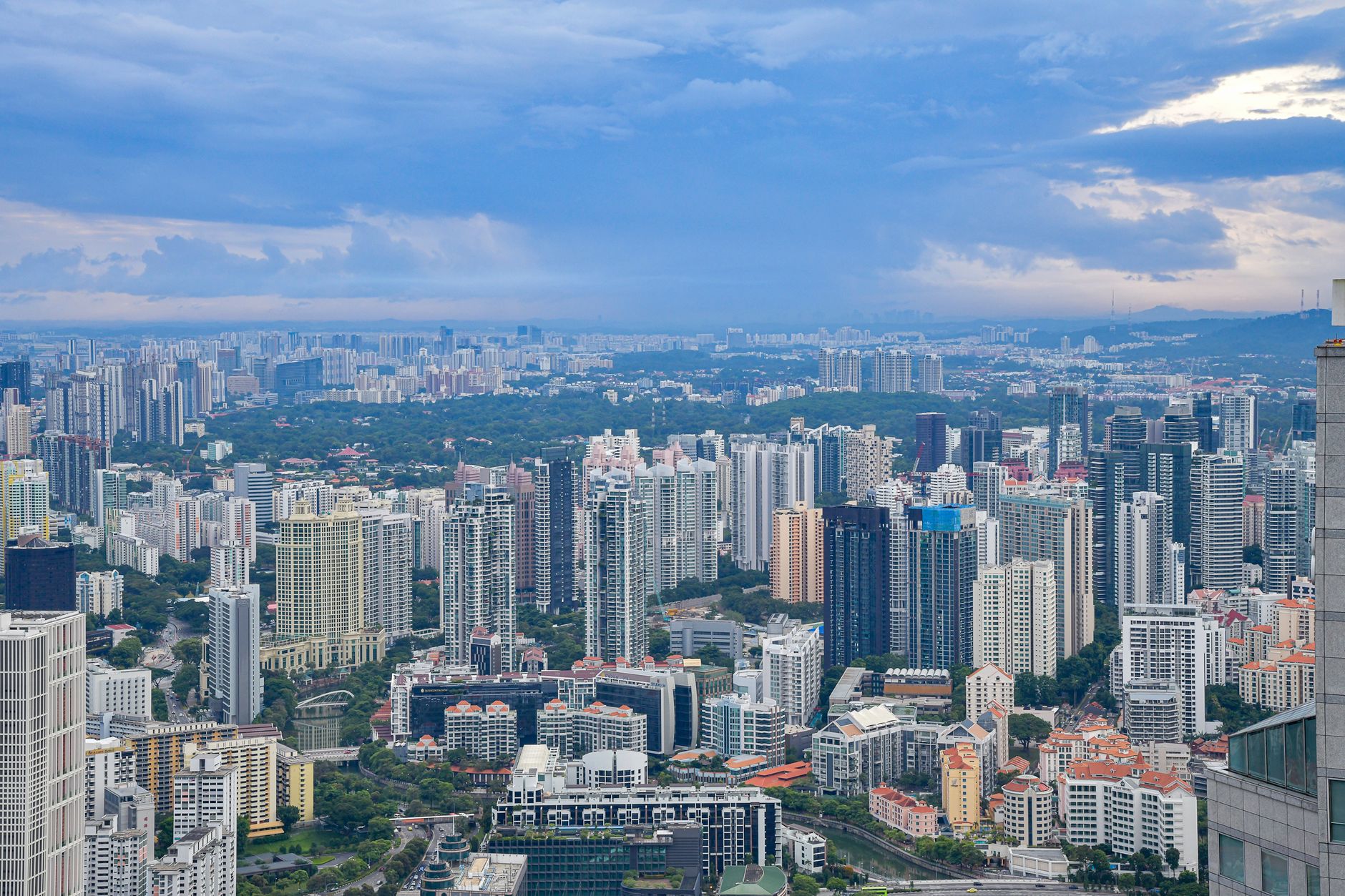
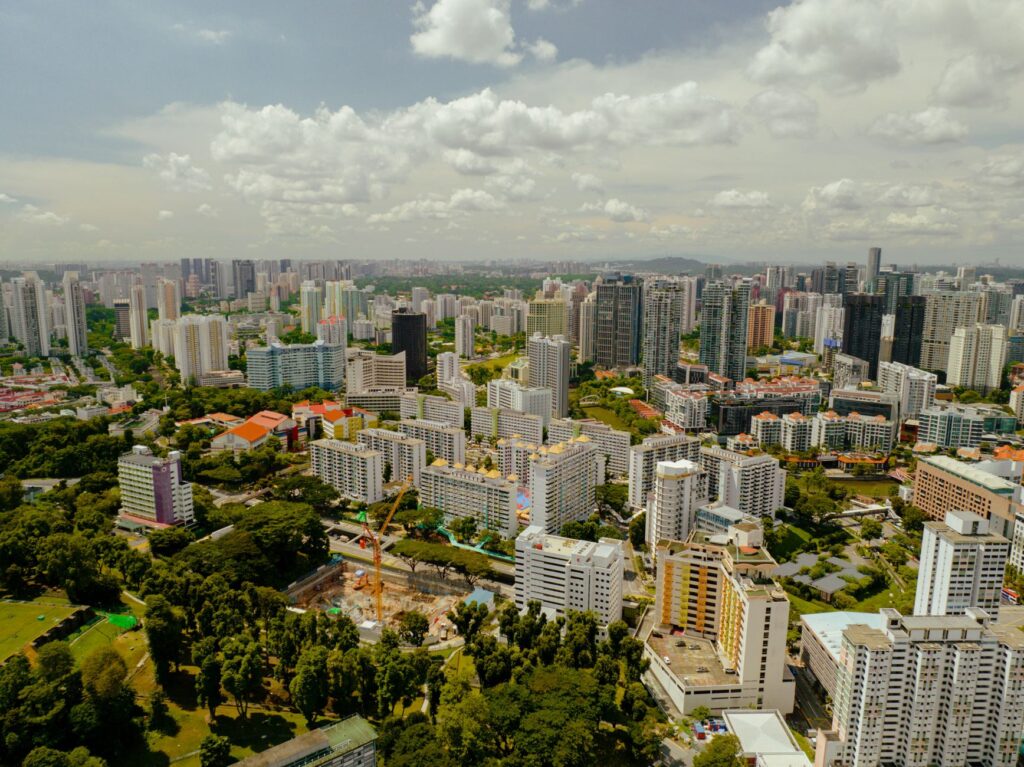
In the northeastern sector of Singapore’s main island, the urban fabric of Hougang New Town unfolds as an eloquent testament to the nation’s housing evolution. Far from purely corporate financial circuits or the commercial postcards of the metropolitan center, this residential district articulates its daily life around planned urbanism where community coexistence forms the true engine of the area. With a population exceeding two hundred twenty thousand residents, the territory combines public apartment blocks built during decades of state development with community gathering spaces that retain a remarkably human scale.
The district’s layout responds to the decentralization principles promoted by Singaporean urban planners since the latter half of the twentieth century. Yet, a unique atmosphere persists in Hougang, characterized by the endurance of traditional architectural elements, such as curved roof motifs inspired by the area’s early Chinese rural settlements, which provide a visual counterpoint to modern standardization. Walking through its streets reveals how successive generations have transformed common areas into active social spaces, where the covered ground-floor corridors—known as void decks—act as authentic open-air living rooms.
The Commercial Pulse of Hawker Centers and Wet Markets
The economic and social life of Hougang New Town beats with special intensity in its wet markets and popular food centers, locally known as hawker centres. These spaces are not mere supply points, but true nodes of cultural cohesion where the diverse communities composing Singapore’s demographic mosaic converge. From the early morning hours, stalls laden with fresh vegetables, fish, and spices welcome local residents who arrive to select ingredients for their daily meals, maintaining culinary customs passed down through generations.
Surrounding these commercial enclaves, daily routines are governed by codes of mutual respect and organizational efficiency. Visitors approaching these spaces discover an ecosystem where gastronomic diversity reflects the nation’s multicultural history. Each stall offers traditional preparations crafted with precision, turning the act of eating into a shared experience that transcends mere nutrition. Here, popular cuisine functions as a living archive of migratory memories and local adaptations that resist the passage of time and the pressure of accelerated modernization.
Green Spaces and Ecological Corridors for Urban Respite
Amidst the dense network of residential towers, Hougang New Town integrates a network of linear parks and water features that soften the impact of the urban environment. The Serangoon River and its landscaped canals act as green arteries where pedestrian paths and bicycle lanes converge, allowing residents to connect with nature without leaving their neighborhood perimeter. These ecological corridors not only serve a recreational function, but also support a notable biodiversity of aquatic birds and tropical flora adapted to the urban ecosystem.
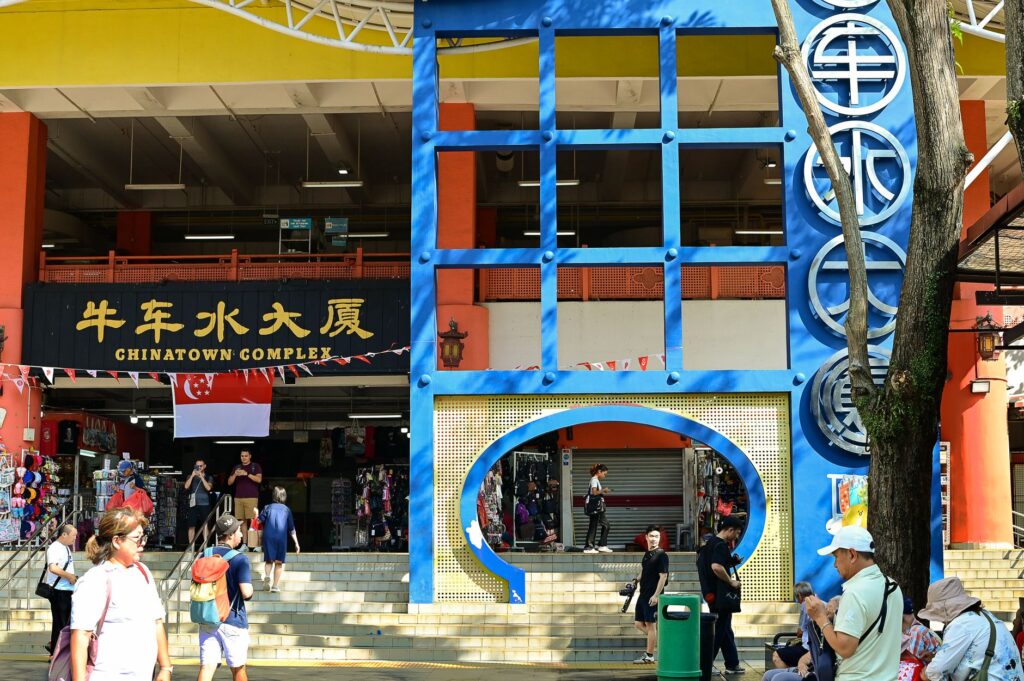
The preservation of these natural spaces within a highly developed city demonstrates a deliberate effort to balance demographic growth with environmental habitability. Local families frequent the parks at dusk, when temperatures drop and the twilight light bathes the artificial ponds and children’s playgrounds. It is during these moments that the neighborhood displays its most tranquil facet, revealing a community that deeply values everyday peace and regular contact with well-maintained, tree-lined areas.
Architectural Heritage and Symbols of Local Identity
Unlike other newly developed residential areas across the archipelago, Hougang has managed to preserve specific spatial landmarks that serve as identity references for its long-term residents. One of the most recognizable elements is the design of apartment blocks featuring distinctive ornamental roofs, an architectural detail paying homage to the cultural heritage of the area’s early rural settlements. These distinctive details prevent visual monotony and reinforce a sense of belonging among neighbors who have witnessed the transformation of the original rural landscape into a consolidated urban fabric.
The true measure of a neighborhood lies not in the height of its buildings, but in the strength of the daily bonds woven within its shared spaces.
Likewise, traditional temples and multi-religious worship centers scattered throughout the district bear witness to the peaceful coexistence of diverse spiritual traditions. These sites, harmoniously integrated among public housing complexes, welcome regular worshippers and curious visitors alike who wish to understand Singapore’s complex sociological makeup. The coexistence of pagodas, mosques, and shrines within a tight radius illustrates a model of coexistence where diversity is not merely tolerated, but actively intertwined into the neighborhood’s daily routine.
Sustainable Mobility and Neighborhood Connectivity
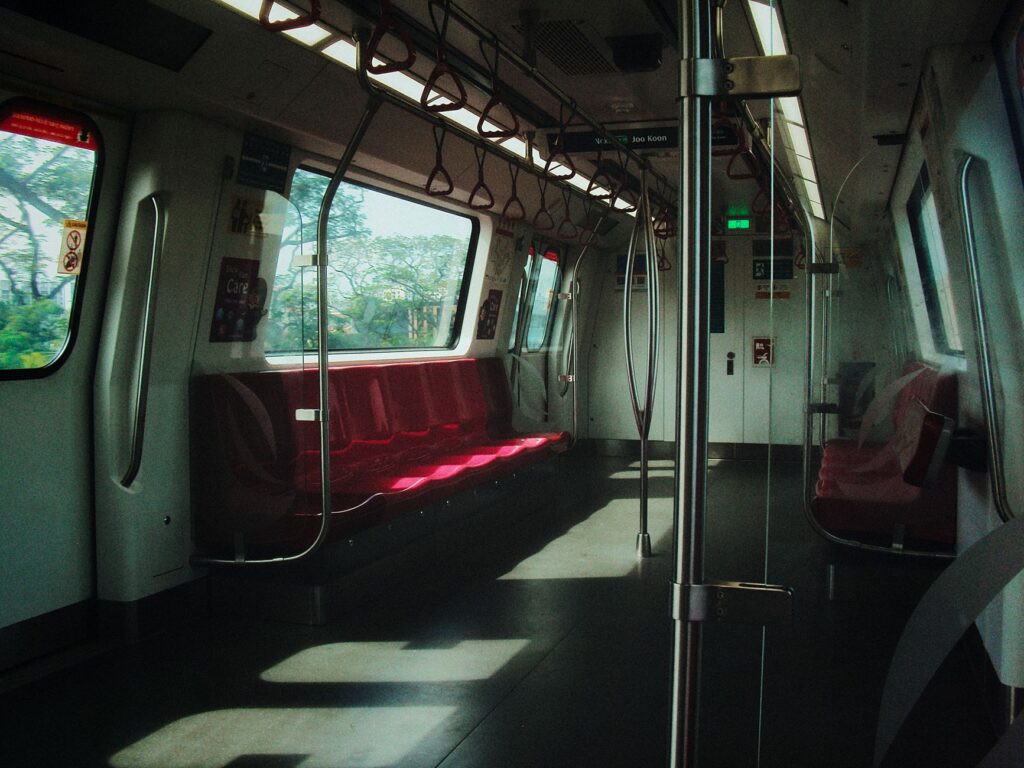
The daily functioning of Hougang New Town relies heavily on a meticulously integrated public transport infrastructure. Underground Mass Rapid Transit (MRT) stations and bus interchanges act as neuralgic hubs connecting this northeastern sector fluidly with the central business district and other cardinal points of the island. Priority given to pedestrian movement and bicycle use through elevated walkways and covered overhead bridges ensures safe, accessible mobility for people of all ages.
This efficient connectivity not only facilitates daily commuting for work, but also fosters an active neighborhood life, enabling residents to travel easily between local shopping centers, sports facilities, and community hubs. The integration of the transport network with tree-lined public spaces demonstrates that urban density can be managed through design solutions prioritizing collective well-being and reducing dependence on private vehicles.
Community Life in Neighborhood Participation Centers
Beyond physical infrastructure, the vitality of Hougang New Town rests upon a dense network of citizen associations and community clubs organizing cultural activities, educational workshops, and support programs for seniors. These centers act as the social glue of the neighborhood, offering a neutral space where individuals from diverse ethnic and generational backgrounds converge to participate in collective projects and traditional festive celebrations.
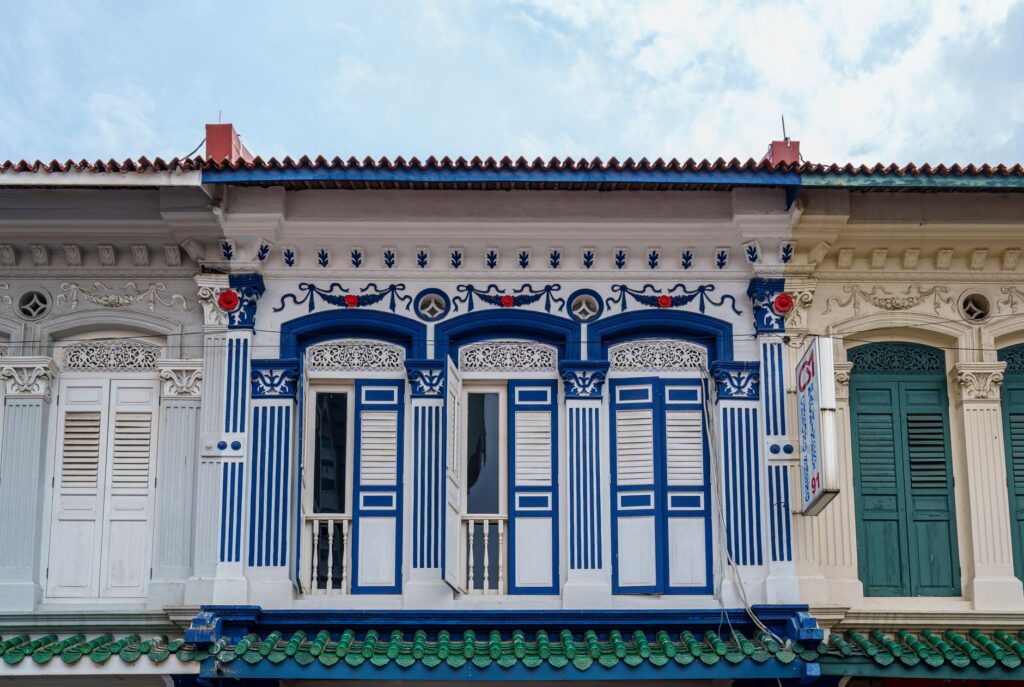
Active resident participation in managing their immediate environment fosters a strong sense of civic co-responsibility. Initiatives focused on community recycling, rooftop urban gardening, and mutual assistance among neighbors consolidate a sustainable local development model. In this context, the district transcends being a mere collection of housing units to become a living community where every inhabitant plays an active role in preserving social cohesion and the collective memory of the place.
Responsible Practices for a Respectful Visit
The growing interest in experiencing Singapore’s less touristy and more authentic side has driven curious visitors to explore residential neighborhoods outside traditional commercial circuits. To maintain the balance between local hospitality and resident privacy, adopting respectful behavior guidelines is essential. Public spaces such as hawker centers, wet markets, and neighborhood parks should be explored without disrupting the tranquility of daily routines, keeping in mind that these places are, above all, home to thousands of families.
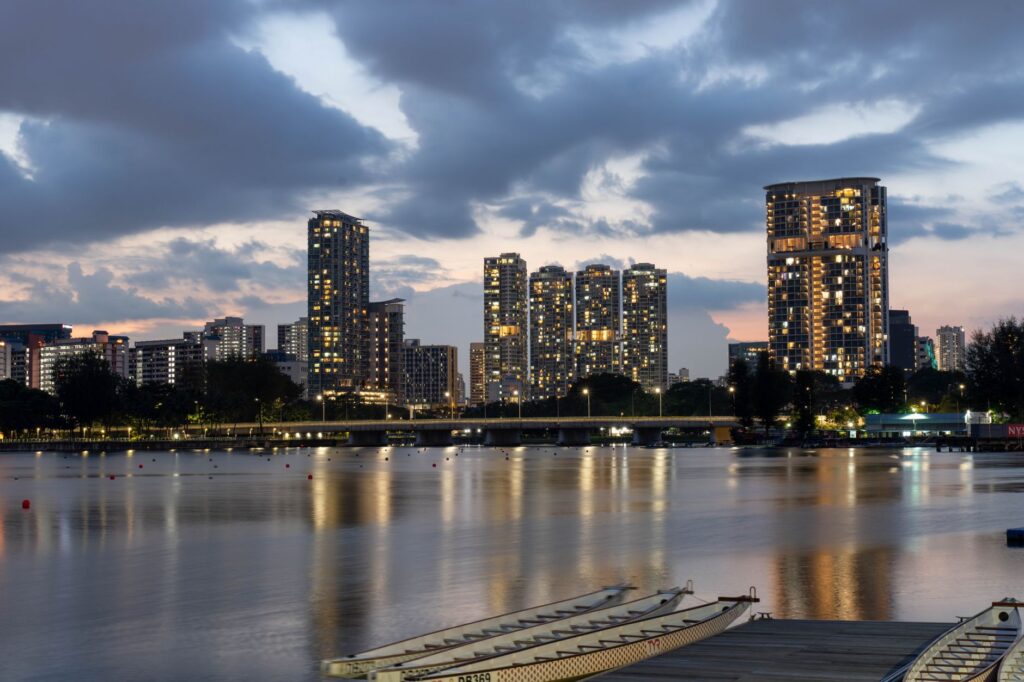
Visitors exploring the district are advised to use local contactless transit cards, patronize traditional stalls while observing tray-return regulations, and avoid using drones or taking intrusive photographs in private residential zones. Understanding civic coexistence rules guarantees an enriching experience based on mutual respect, allowing travelers to appreciate the true essence of Singaporean neighborhood life without interfering with its natural rhythm.
Practical guide
- How to get there: The district is directly connected via the North East Line and Cross Island Line, featuring multiple stations distributed throughout the residential sector.
- Local transport: The integrated bus network complements the MRT, facilitating short journeys between neighborhood shopping malls and riverfront parks.
- When to visit: Early morning hours (7:00 AM to 10:00 AM) are ideal for touring the wet markets and observing commercial activity at its peak.
- Recommended gastronomy: Local hawker centers offer iconic dishes of Singaporean cuisine, ranging from noodle soups to regional specialties.
- Etiquette rules: Returning trays and crockery to designated drop-off points in popular food centers after finishing meals is mandatory.
- Accommodation: Although the residential area features limited hotel options, rapid transit access to the city center allows visitors to stay elsewhere in the city.
- Neighborhood respect: Maintaining a moderate tone of voice in residential corridors (void decks) and religious shrines helps preserve community tranquility.
Memory and Future on the Northeastern Horizon
The journey through Hougang New Town concludes with the certainty that high-density urban planning is not incompatible with the preservation of a robust community identity. Among residential blocks that have watched multiple generations grow, markets preserving ancestral flavors, and riverfront corridors inviting pause, this northeastern sector of Singapore embodies a balanced synthesis of state planning and human warmth. Its capacity to reinvent itself without losing sight of its neighborhood roots makes the district an indispensable reference for understanding the true social dimension of contemporary urban development in Southeast Asia.