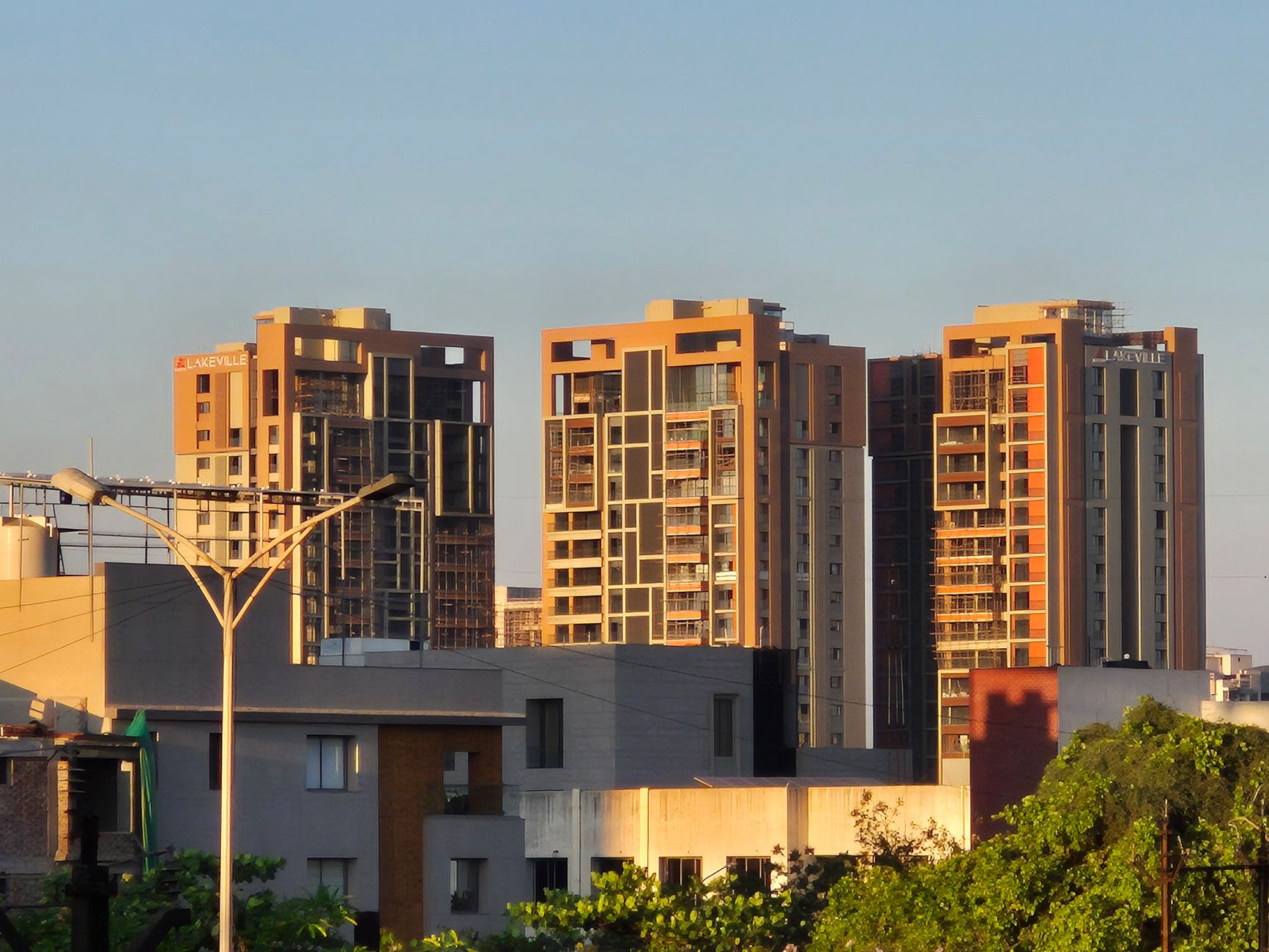

Surat, India: The Woven Memory Where Folk Design Comes Alive
The Urban Fabric of a Historic Crossroads
On the banks of the Tapti River, the city of Surat unfolds like a vast tapestry where commercial history and contemporary vitality intertwine in a unique way. Far from being a mere transit point in the state of Gujarat, this Indian enclave has managed to preserve a sense of community deeply rooted in the customs of its neighborhoods. Local markets, traditional workshops, and public spaces reflect an understanding of coexistence where folk design and craftsmanship are not museum relics, but living tools of the present. The urban geography extends over a flat topography where mornings begin with a leisurely pace before commercial bustle floods every corner of India.
Walking through the streets of the central district reveals how residential architecture and old shops respond to a very specific climatic and social logic. Shaded galleries, interior courtyards, and carved wooden balconies speak of know-how passed down through generations. In Surat, urban identity is built from the ground up, driven by artisans and weavers who keep ancient techniques alive while adapting their production to the challenges of the twenty-first century, demonstrating a remarkable capacity for collective resilience in the face of global transformations.
The preservation of these patterns of daily life requires sustained attention from both residents and visitors alike. Neighborhood interactions remain remarkably consistent, sustained by small businesses and generational knowledge that resists the uniform homogenization often found in modern urban developments. Every alleyway carries the weight of historical memory combined with a practical approach to modern living conditions, establishing a framework where traditional trades continue to shape the visual and social landscape.
The Pulse of Markets and Daily Life
Daily life in Surat revolves around its squares and markets, authentic nerve centers where unmistakable scents, colors, and sounds converge. Here, the day begins early with the comings and goings of merchants moving rolls of fabrics crafted with age-old skill. Citizens cross paths in narrow streets where each facade tells a story of resilience and cultural adaptation, shaping a unique atmosphere within the country’s context.
This dense social fabric is nourished by street food and small neighborhood gatherings that occur under the shade of urban trees. Visitors who venture into these neighborhoods discover that Surat’s true wealth does not lie solely in its monuments, but in the generosity of its residents and the attention to detail with which every utilitarian object is conceived, from kitchen utensils to garments, fostering a mutual respect that defines daily coexistence.
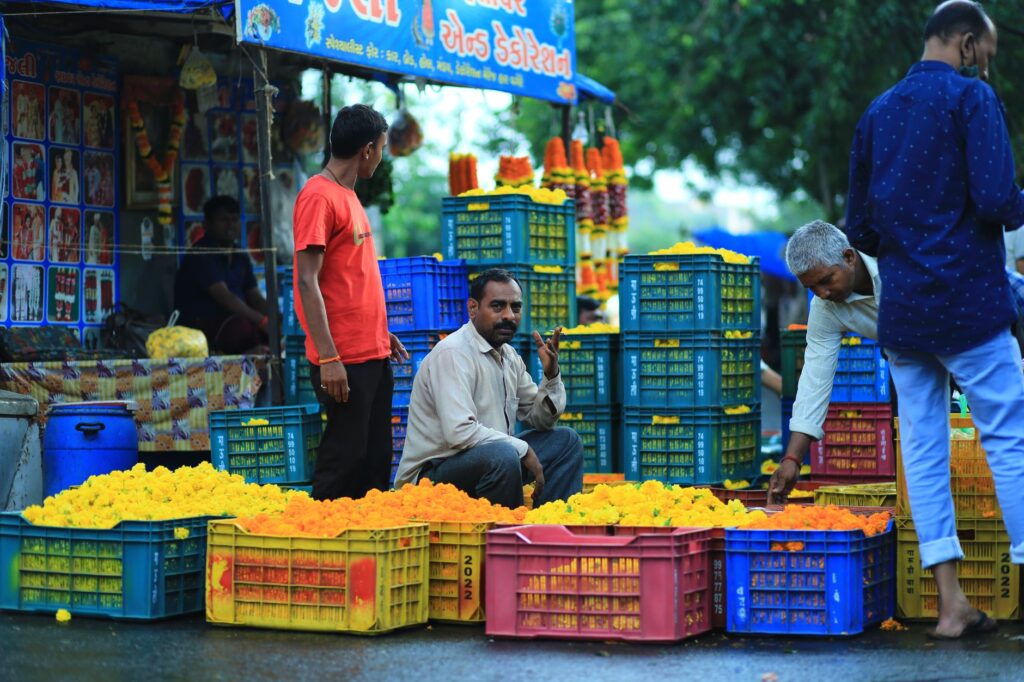
Markets function not merely as commercial zones, but as social arenas where news, traditions, and interpersonal ties are constantly renewed. The dynamic exchange between vendors and buyers reflects a deep cultural continuity. The spatial arrangement of stalls, the persistent hum of bargaining, and the visual abundance of local wares create an immersive environment that highlights the enduring vitality of traditional commerce in this part of India.
Textile Heritage as a Living Language
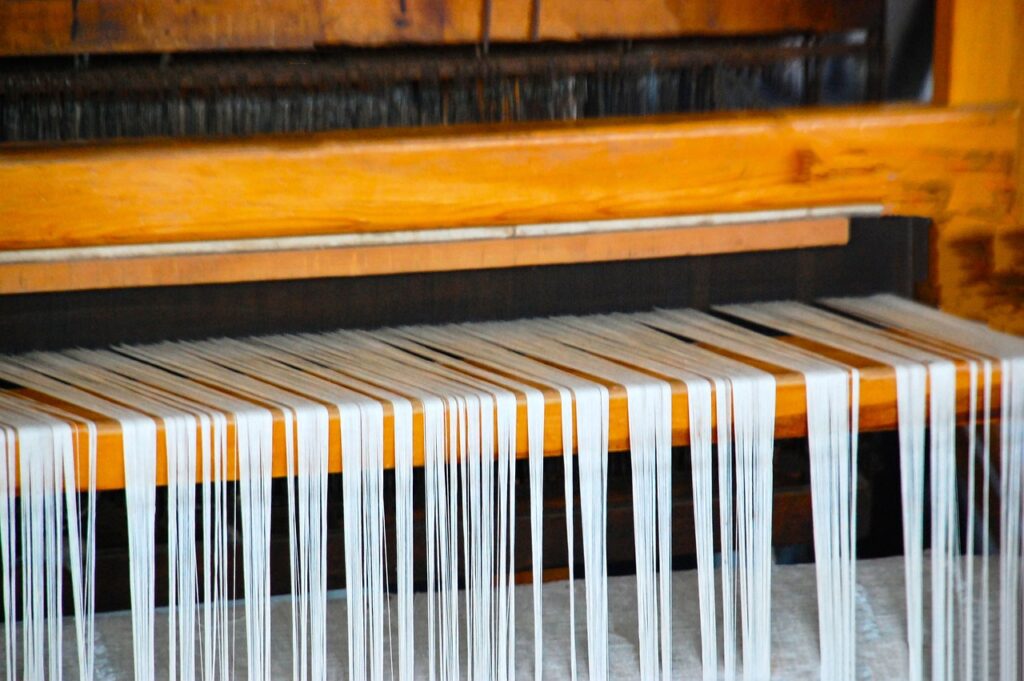
Surat’s historical reputation as a capital of textile processing and silk production continues to beat within its artisanal workshops. In these spaces, handlooms and power looms sound in unison, setting the rhythm of a tradition that provides employment and livelihood to thousands of families. Local designers constantly retrieve ancient patterns to reinterpret them in contemporary collections that converse with the global market without losing their local imprint, consolidating an indestructible bridge between the past and the future.
The textile tradition in Surat is not a museum piece contemplated behind glass; it is the guiding thread linking India’s commercial past with tomorrow’s responsible design.
This respect for the craft translates into more conscious production practices, valuing the use of natural fibers, traditional dyes, and manufacturing methods that minimize waste. For the attentive traveler, observing this creation process offers a valuable lesson on sustainability understood from a human scale and the intelligent use of local environmental resources, promoting a vision where aesthetics and ethics walk hand in hand.
The meticulous attention given to fabric creation extends across various specialties, including embroidery, block printing, and weaving techniques passed down through distinct communities. Each method carries specific regional nuances that distinguish Surat’s output within the broader textile landscape of the nation, reinforcing the idea that material culture remains a primary vehicle for regional identity and historical continuity.
Architecture as a Response to Climate and Time
Surat’s urban layout responds organically to the climatic conditions of western India. The historic mansions of merchants, known as havelis, exhibit elaborate woodwork and latticework that allow cross-ventilation, naturally lowering indoor temperatures. These architectural elements demonstrate that intelligent design long preceded artificial air conditioning, offering highly effective housing solutions.
Today, preserving these historic buildings represents a constant challenge amid demographic growth and urban expansion. Nevertheless, various community and municipal initiatives seek to integrate architectural heritage protection with the creation of new public infrastructure, proving that modernization does not have to erase the distinctive traits of the historical landscape or the collective memory of its inhabitants.
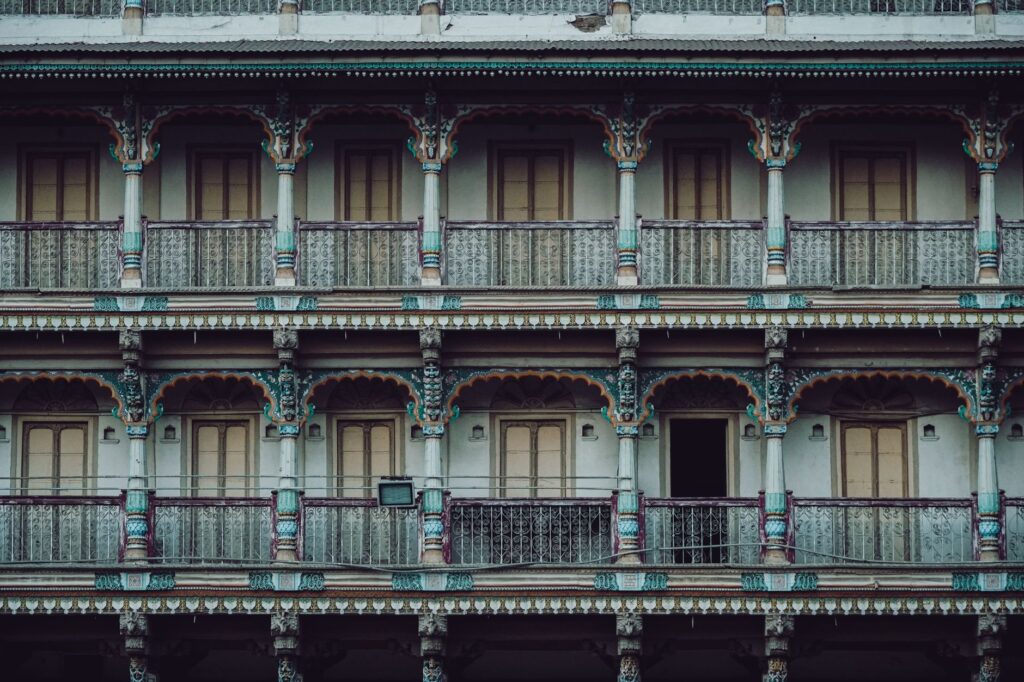
The integration of traditional building methods with contemporary requirements offers valuable insights for sustainable urban planning. Elements such as courtyards, overhangs, and thick masonry walls demonstrate an empirical understanding of thermal dynamics that remains remarkably relevant, reminding observers that vernacular architecture often provides the most sensible answers to local environmental challenges.
The Art of Hospitality and Neighborhood Coexistence
In Surat’s residential neighborhoods, life flows outward. Dwelling doors remain open during the coolest hours of the day, facilitating conversation among neighbors and children’s play in vehicle-free alleys. This closeness generates an invisible yet highly effective security network where mutual care is part of everyday character and strengthens the sense of community belonging in this corner of India.
Local gastronomy plays a fundamental role in this web of relationships. Street food stalls and small family-run eateries serve as intergenerational meeting points. In them, people share recipes combining local spices, legumes, and vegetarian dishes characteristic of Gujarat, offering visitors a genuine and direct sensory experience that reflects the hospitable generosity of the community.
This welcoming spirit is deeply ingrained in the social fabric, making visitors feel less like transient tourists and more like temporary participants in neighborhood life. Shared meals, festive celebrations, and everyday pleasantries form an unbroken chain of hospitality that has characterized this mercantile crossroads for generations.
Responsible Decisions for the Conscious Traveler
Approaching Surat requires a receptive and respectful attitude from visitors. Responsible tourism in this context means prioritizing purchases at small local businesses, acquiring crafts directly from workshops, and using public transport or cycle rickshaws to explore neighborhoods. In this way, the traveler’s presence helps boost the local economy without disrupting the delicate harmony of community life.
Likewise, visitors are advised to heed dress codes and cultural etiquette, especially when visiting temples and places of worship scattered throughout the city. Empathetic curiosity and a willingness to listen before judging constitute the best credentials for anyone interested in understanding the true essence of this dynamic Indian cultural hub, ensuring that the exchange between outsiders and residents is enriching and balanced.
Mindful travel also involves minimizing environmental impact by reducing single-use plastics, respecting local quiet hours, and observing photography etiquette. By exercising patience and cultural sensitivity, travelers contribute to a sustainable tourism model that values preservation over consumption, ensuring that the city’s heritage remains intact for future generations.
Practical Guide
- How to get there: Surat has domestic transport connections that link it effectively with the rest of India, facilitating access from different points of the country.
- When to go: It is advisable to plan visits considering annual climatic variations to enjoy urban walks under favorable weather conditions.
- Getting around: For urban journeys, cycle rickshaws and auto-rickshaws are the most efficient means, allowing direct contact with the rhythm of the streets.
- Accommodation: Options vary widely, from contemporary hotels in commercial areas to traditional family-run establishments in old neighborhoods.
- Recommended gastronomy: Be sure to try local specialties in popular markets, always choosing stalls with high customer turnover and a neighborhood atmosphere.
- Ethical shopping: Purchase textiles and decorative items directly from artisan workshops to support local creators’ livelihoods directly.
- Cultural respect: Dress modestly and always ask permission before photographing people or the interiors of private commercial establishments.
- Local currency: Carry cash in Indian rupees for small purchases in traditional markets where digital payment acceptance may vary.
- Health precautions: Drink bottled or purified water and choose freshly prepared hot food to ensure a pleasant culinary experience.
Final Reflections on the Urban Pulse
Surat reveals itself, upon measured analysis, as a fascinating model of how a large human concentration can manage its cultural heritage without sacrificing the opportunities of growth. The ability of its inhabitants to intertwine historical commerce, textile craftsmanship, and a tightly knit community life offers a universal lesson in urban resilience in the contemporary world.
Understanding Surat means accepting that truly memorable cities are not built solely with grand monuments, but with the patient sum of their people’s everyday gestures.
Upon bidding farewell to the city by the Tapti, one is left with the certainty of having witnessed an ecosystem where design and local identity walk hand in hand, inviting every traveler to look at the world with greater attention and deep respect for the unfamiliar, recognizing the incalculable value of living traditions in modern India.