
Introduction to the Andean Plateau in Peru
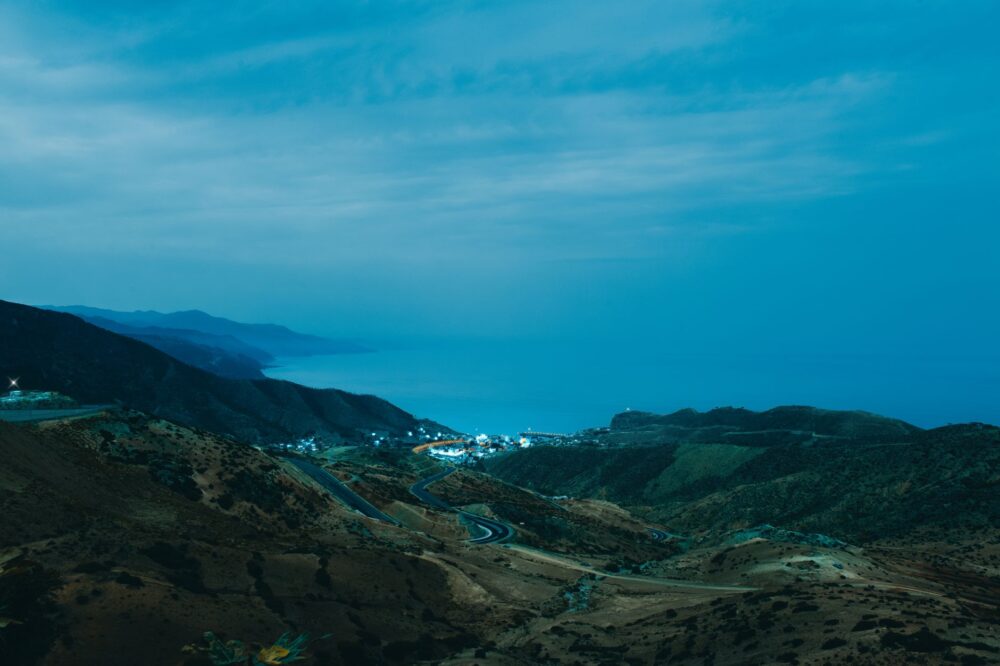
Set in the heart of the northern Peruvian Andes, at more than two thousand seven hundred meters above sea level, the city of Cajamarca displays an identity shaped by altitude, the fertility of its surrounding valleys, and a deep historical memory that imbues every corner of its urban layout. Far from the frantic pace of the coast, this Andean enclave organizes its daily existence among steep peaks, leafy squares, and neighborhoods where carved stone and red clay tiles speak of profound encounters and transformations.
The traveler arriving in these latitudes discovers a territory where geography dictates the rhythm of the hours. The clarity of the morning air gives way, as evening falls, to a crisp breeze descending from the heights, reminding visitors that life here is sustained through a patient balance between traditional agriculture, dairy farming, and the preservation of a viceregal architectural heritage that constantly dialogues with pre-Hispanic vestiges. The presence of the mountains guides production cycles and defines the customs of its inhabitants in this corner of Peru.
Understanding the dynamics of this plateau involves looking closely at how families organize their days around agricultural cycles and weekly markets. Oral traditions are passed down in homes beside the warmth of stoves, while younger generations learn field work and animal care. This cultural continuity is the pillar that sustains community life against the pressures of accelerated modernization.
The Memory of Stone in Colonial Streets
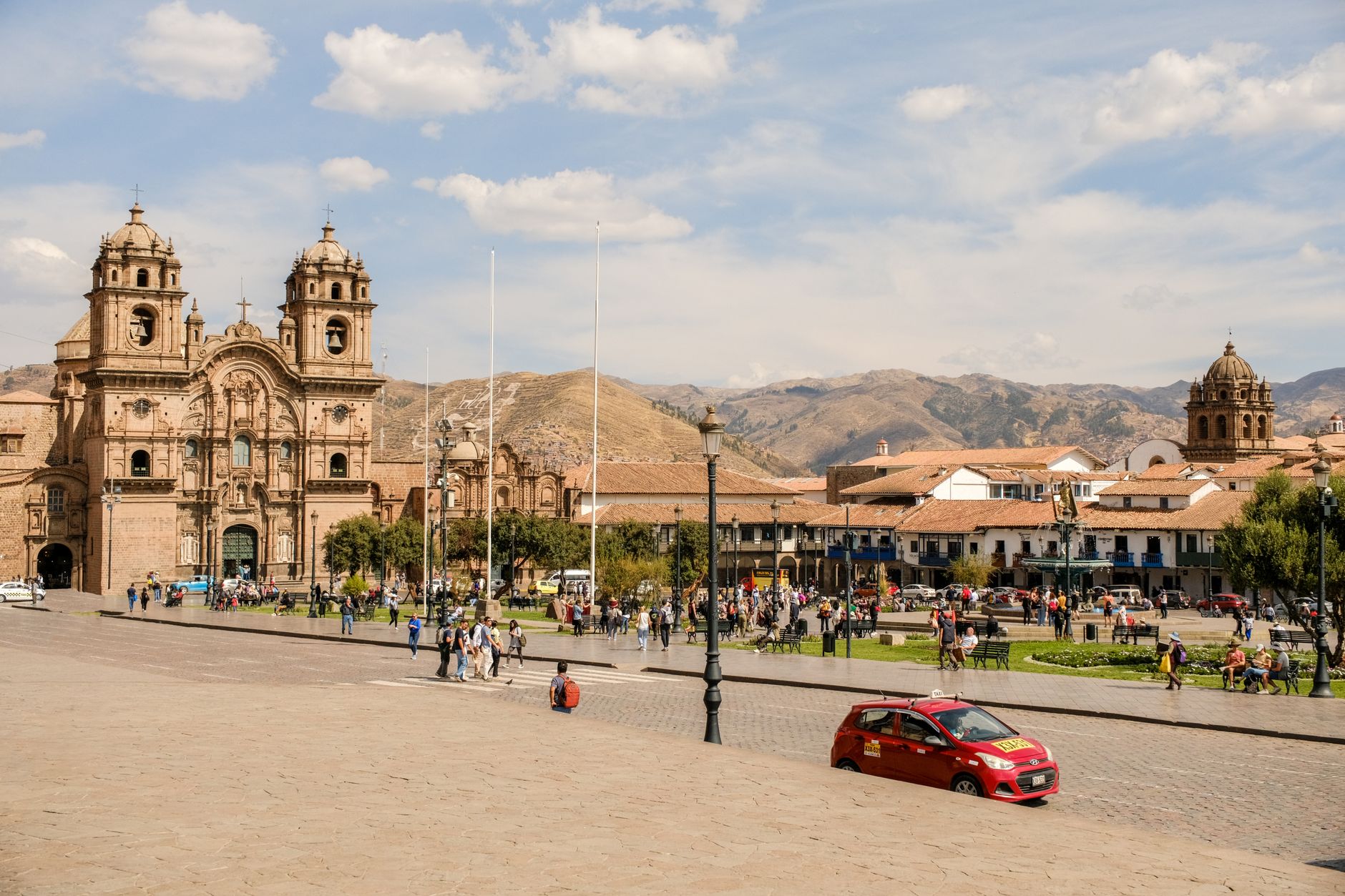
Walking through the historic center of Cajamarca is like stepping into an open-air museum where civil and religious architecture reveals the technical mastery of local stonemasons. The facades of stately manor houses, built with blocks of gray volcanic stone, exhibit baroque doorways sculpted with astonishing precision. Each lintel and carved wooden balcony reflects the confluence of aesthetic traditions that adapted to the sober and monumental character of the high Andean landscape.
Around the Plaza de Armas, the public space becomes the epicenter of social life. Locals converge under the shade of retama trees and palms, while local artisans offer displays of their skill in textile work and silversmithing. The conservation of these heritage spaces represents a constant challenge for authorities and residents, who seek to balance the influx of travelers with the preservation of neighborhood authenticity, fostering respectful tourism that values the architectural history of the area without altering its daily life.
The maintenance of these structures requires master stonemasons who master traditional masonry techniques, ensuring that restorations respect original materials. This collective effort strengthens the sense of belonging and demonstrates that heritage is not merely a visual attraction, but a living element forming part of the daily routine of the community.
The Pulse of Markets and Agricultural Wealth
The economic and cultural vitality of Cajamarca beats strongly in its traditional markets and the dairy basins surrounding it. Historically recognized as the country’s most important dairy region, the area sustains a gastronomy based on the quality of its dairy derivatives, especially fresh cheese and manjar blanco, produced through artisanal techniques passed down from generation to generation in the valleys of Peru.
Flavors from Farm to Table
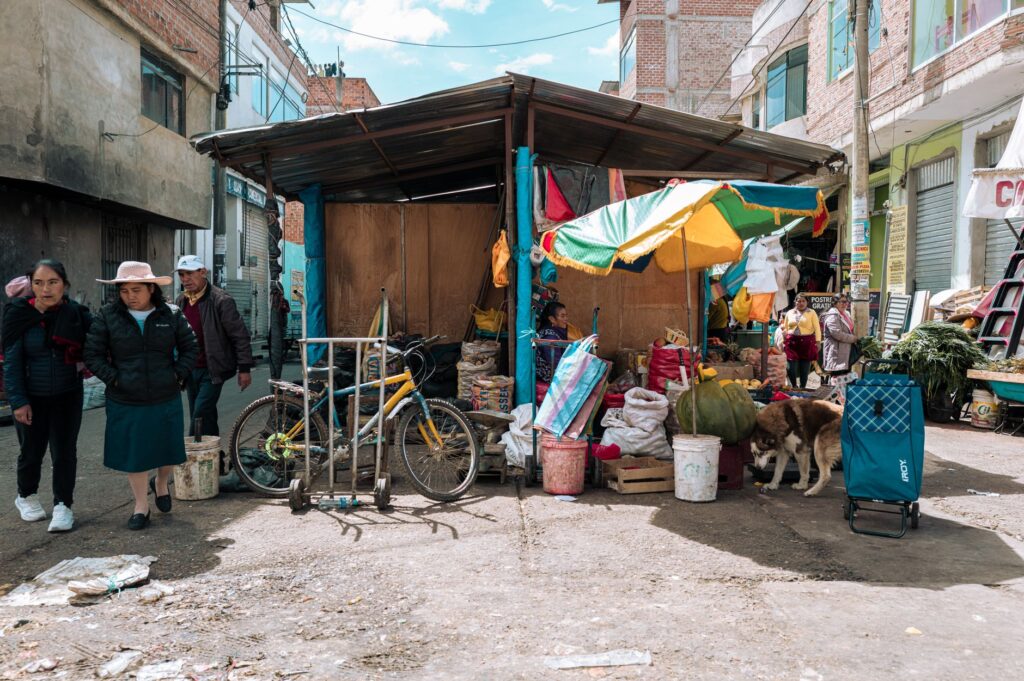
In the stalls of the central market, the aromas of chulpe corn, native potatoes, and local aromatic herbs create an unmistakable sensory map. Cajamarcan cuisine is distinguished by its comforting simplicity, where dishes such as caldo verde—a soup made with paico, rue, potato, and cheese—comfort the body against the mountain breeze. The relationship with the land is direct and honest; each ingredient reflects the biodiversity of the inter-Andean valleys and the daily effort of local farmers who work these Peruvian fields.
The commercial exchange that occurs every morning in these spaces goes beyond simple economic transactions; it is a meeting point where solidarity networks are woven and news regarding harvests and weather is shared. The appreciation of local products drives a circular economy that directly benefits producers in surrounding rural areas.
Archaeological Heritage and the Surrounding Horizon
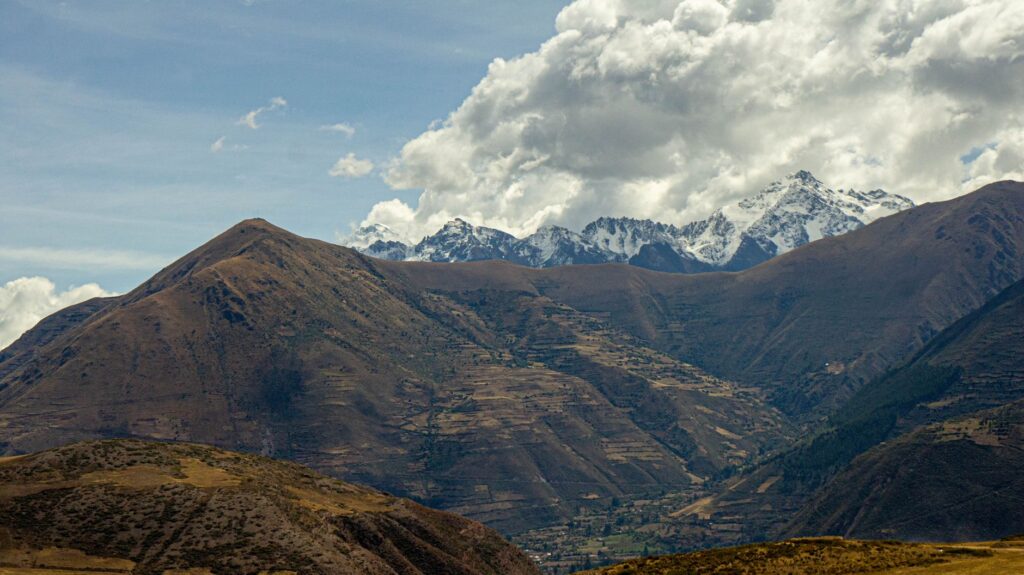
Beyond the urban settlement, the surroundings of Cajamarca hold fundamental testimonies of the pre-Inca and Inca past. Archaeological remains integrated into the landscape offer a clear perspective on the social and religious organization of ancient inhabitants. The hills guarding the valley act not only as natural barriers, but as silent guardians of an ancient memory that responsible visitors learn to traverse with respect and admiration for the natural and cultural environment.
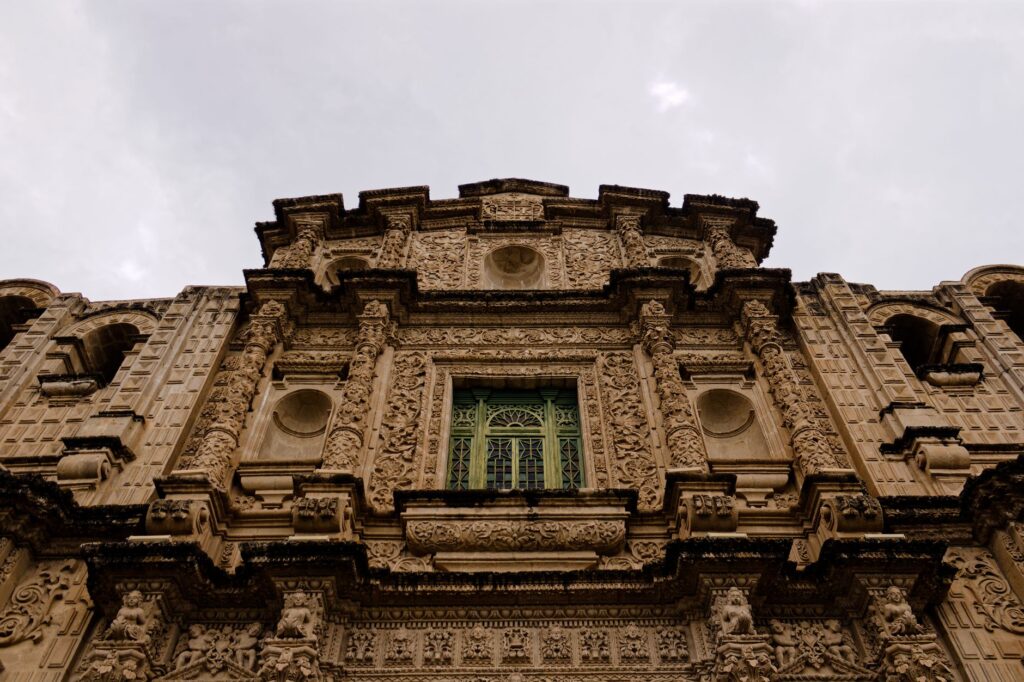
The mountain not only defines the geographical relief, but shapes the leisurely and hospitable character of those who inhabit the Andean plateau in Peruvian territory.
The ascent toward natural viewpoints allows visitors to understand the immensity of the valley. From these lookouts, the urban grid merges with terraced crop fields and green pastures, demonstrating that human intervention in this environment has historically sought harmonious coexistence with nature rather than violent imposition.
The preservation of these archaeological sites demands careful management to prevent deterioration through overcrowding. Guided walks along traditional trails allow travelers to connect with history without disturbing the fragile ecological balance of the slopes and sacred hills.
Textile Craftsmanship and Leatherwork
Cajamarca’s artisan tradition holds a central place in family economy and cultural transmission. Textile workshops, where sheep’s wool blankets and ponchos are crafted, keep alive a visual language based on ancestral iconographies. Likewise, leatherwork stands out for the finesse in tanning and the design of utilitarian pieces that supply both the regional market and the demand of those who value handmade craft in the Peruvian Andes.
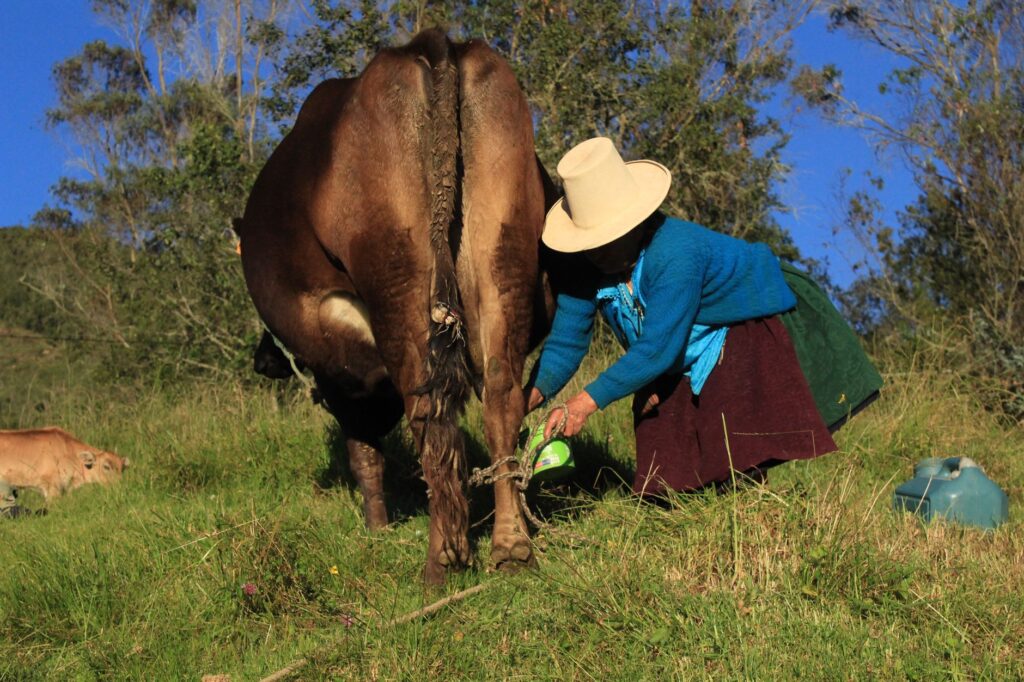
The value of these expressions lies in their intrinsic sustainability: materials come directly from the immediate environment and knowledge is communicated from master to apprentice in the warmth of the home. Conscious support for local artisans ensures the survival of these techniques against mass industrial standardization, promoting ethical and direct consumption.
Pedal looms and manual spinning remain active practices in many rural communities. Each garment tells a personal and collective story, becoming a tangible testimony to the patience and creativity of Andean creators.
Community Life and Local Festivities
Cajamarcan identity is expressed most intensely during collective celebrations, where the music of flutes and drums resonates through alleys and small squares. Although carnival is the best-known festivity for its display of color and witty coplas, the province’s festive calendar is punctuated by patronal commemorations that reaffirm bonds of solidarity and reciprocity between rural and urban communities.
These expressions are not mere tourist attractions, but moments of identity reaffirmation. Visitor participation must take place through respectful observation, understanding that these ceremonies form part of the spiritual and social intimacy of the local community.
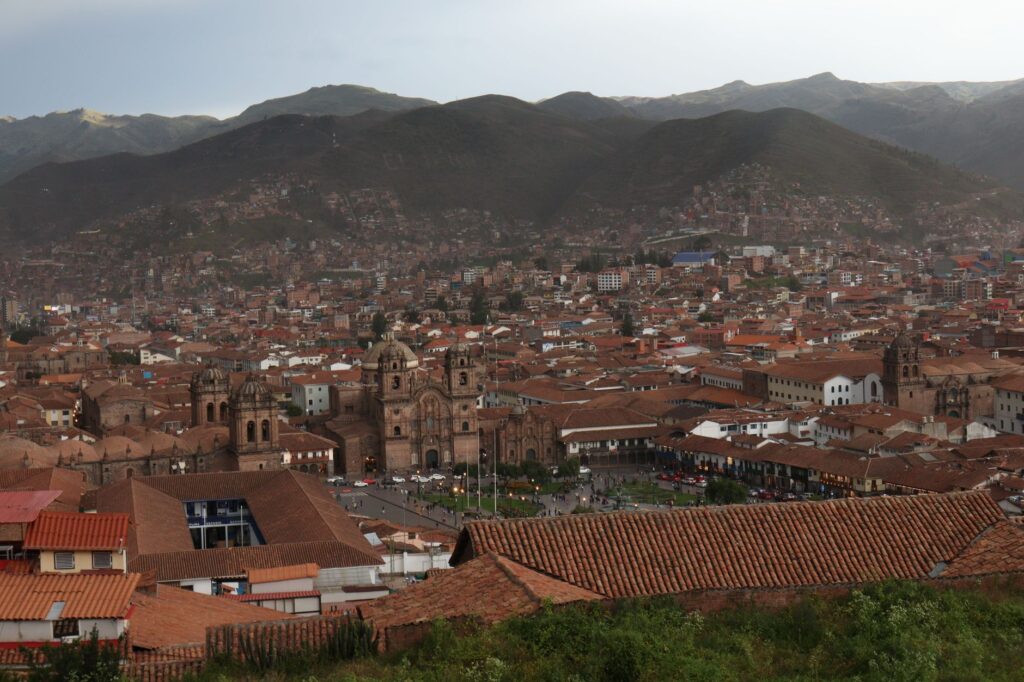
The preparation of these festivities involves months of rehearsals, costume making, and community organization. This collective effort reinforces social cohesion and ensures the transmission of musical and dance knowledge to new generations.
Practical Guide
- Getting There: Cajamarca has regular air connectivity from the capital of Peru through the Mayor General FAP Armando Revoredo Iglesias Airport, alongside overland transport options via paved roads crossing the western cordillera.
- Climate and Altitude: Situated at 2,700 meters above sea level, gradual acclimatization during the first twenty-four hours is recommended. The climate is mild during the day and cold at night, with a rainy season between November and April.
- Accommodation: Hotel options range from restored colonial manor houses in the historic center to family-run guesthouses prioritizing sustainability and personalized service.
- Urban Mobility: The historic core is easily explored on foot. To visit peripheral attractions, formal public transport services and authorized taxis are available.
- Gastronomy and Shopping: Visitors are advised to taste local cheeses at certified establishments and purchase crafts directly from producer associations in local markets.
Final Reflection on Landscape and Time
Cajamarca offers contemporary travelers a necessary pause in time. Among the carved stone of its streets, the warmth of its people, and the imposing presence of its mountains, the Peruvian city demonstrates that true travel consists of learning to observe with attention and respect. Respect for heritage and daily life ensures that this legacy remains intact for future generations seeking a source of authenticity and tranquility in the Andes.