
A Castle Watching Over the Lis Valley
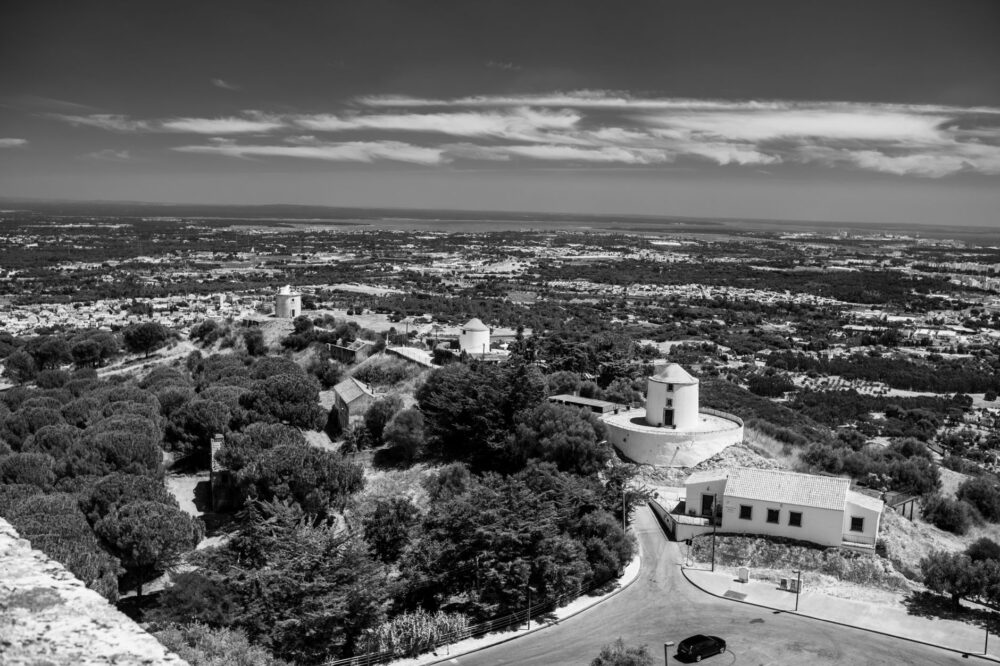
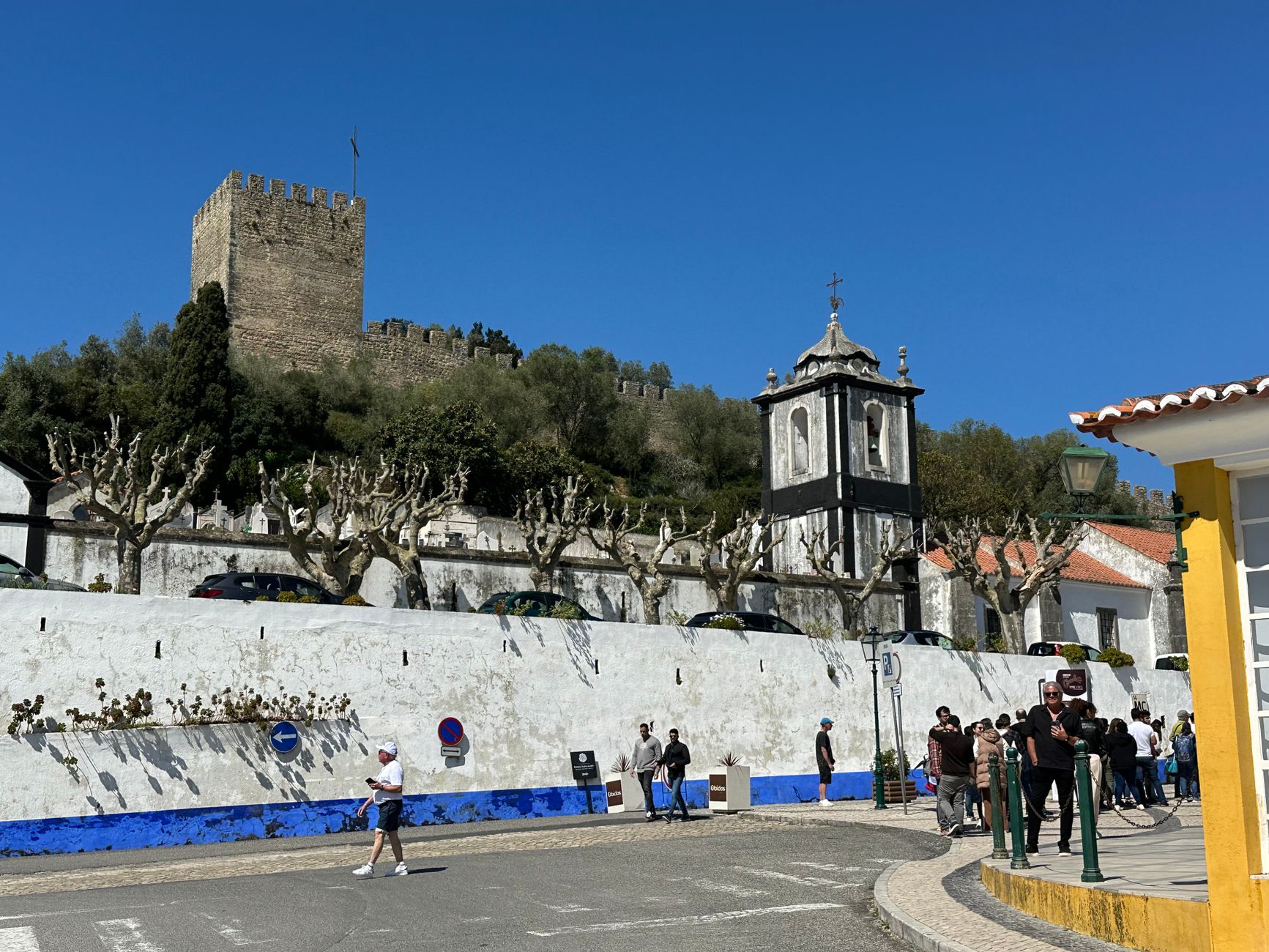
In central Portugal, the city of Leiria rises around a rocky hill dominated by its imposing castle. This fortification, built and expanded throughout the medieval centuries, is not merely an isolated monument, but rather the visual and emotional anchor around which urban life revolves. From its ramparts, the view encompasses a landscape where red clay rooftops mingle with the winding course of the Lis River, which crosses the municipality bringing freshness and fertility to its valley.
At the foot of the hill, the urban fabric combines quiet squares with tree-lined avenues where locals cross paths every morning. The relationship between the defensive height of the monument and the river plain defines the character of its inhabitants, accustomed to climbing and descending cobbled slopes that hold stories of kings, poets, and local artisans. Leiria maintains a very distinct human scale, where the daily pace is unhurried, allowing visitors to appreciate the architectural details of centuries-old churches and manor houses.
The layout of the streets reflects a historical evolution where each generation has left its mark without drastically altering the overall harmony of the ensemble. Walks through the old town allow visitors to discover corners where time seems to flow at a different pace, encouraging neighborhood encounters and leisurely chats on the stone benches flanking the small squares.
The Green Legacy of the Coastal Pine Forest
Few elements define Leiria’s environmental identity as much as its celebrated pine forest, originally planted to halt the advance of coastal dunes and protect farmland. This vast green lung, stretching toward the Atlantic, has served for generations as a source of raw material for shipbuilding and traditional carpentry. Today, the trails running through the forest mass provide a refuge for hikers and nature lovers seeking direct contact with the local ecosystem.
The responsible management of this natural environment has become a priority for the community, which balances sustainable forestry with the protection of biodiversity. Local wood artisans and ecological groups work hand in hand to preserve ancestral resin-tapping techniques and soil care, remembering that the region’s future depends on the health of its woodlands and the collective conscience of its citizens.
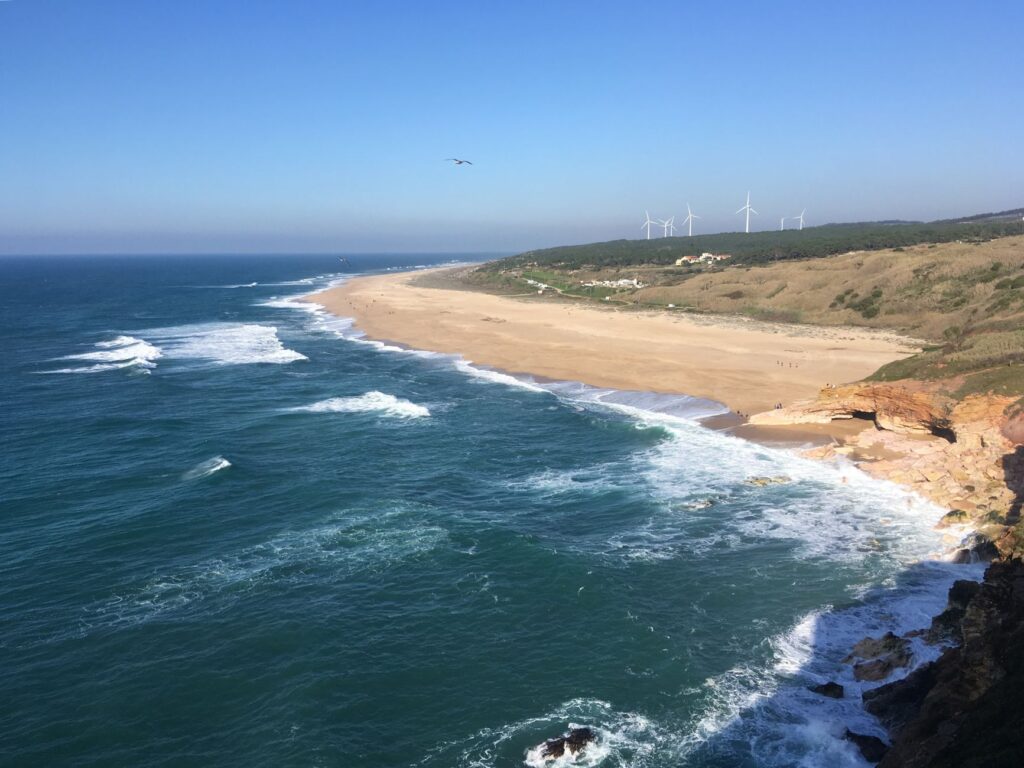
The forest trails invite the observation of native flora and fauna, promoting environmental education that values the botanical wealth of the Atlantic pine forests. Visitors find in this space a model of balanced coexistence between human activity and ecological preservation, where each path invites respect and silent contemplation.
Markets and Flavors of the Land
The daily pulse of Leiria is most clearly felt in its traditional markets, where garden produce, fresh fish from the nearby coast, and artisanal cheeses occupy the main stalls. Farmers from neighboring parishes regularly come to offer seasonal fruits and vegetables grown using traditional methods, keeping alive a proximity economy that benefits both producer and final consumer.
Neighborhood commerce and local markets are the true guardians of a territory’s gustatory memory.
In the taverns and bakeries of the historic center, gastronomy reflects the simplicity and richness of central Portuguese cooking. Dishes prepared with humble yet high-quality ingredients comfort both residents and unhurried travelers. Local pastry-making, rooted in convent recipes, offers specialties that accompany afternoon conversations on the terraces of the main squares, consolidating an atmosphere of genuine hospitality.
The oral transmission of traditional recipes ensures that the culinary heritage endures without artificial alterations. Each dish tells a story of adaptation to the environment and the wise use of the resources that the earth and rivers grant throughout the changing seasons of the year.
Traditional Architecture and Urban Textures
The built heritage of Leiria stands out for civil and religious architecture that is in permanent dialogue with its rugged geography. Facades adorned with traditional tiles, limestone lintels, and wrought-iron balconies showcase the mastery of old local guilds. This construction repertoire endows the historic neighborhoods with a unique visual texture, where the evening light highlights the ochre and white tones of the whitewashed walls.
The conservation of these architectural elements responds to a collective effort to keep urban memory alive without falling into excessive musealization. Restoration workshops and small carpentry businesses in the municipality play a fundamental role in maintaining original doors, shutters, and beams, ensuring that historical construction techniques remain active in daily life.
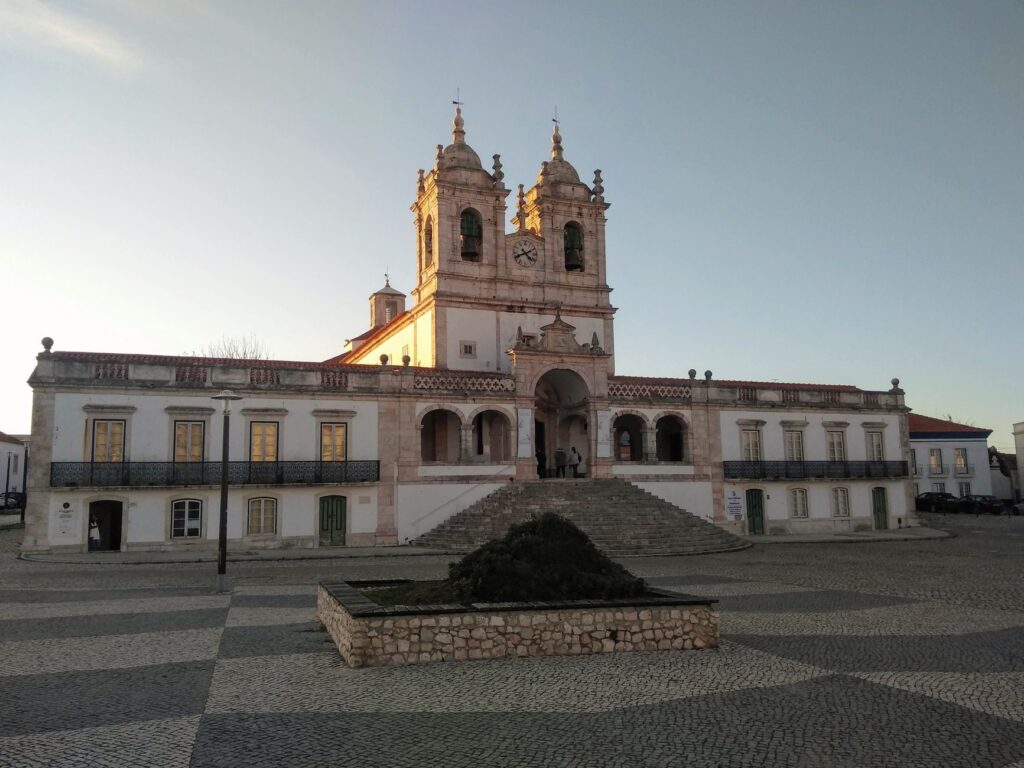
Strolling through these streets is also an exercise in spatial reading, where street names and the layout of small squares recall vanished trades and ancient guild markets that shaped the personality of the Portuguese city over the centuries.
Craftsmanship and Woodworking Trades
Leiria’s relationship with wood transcends mere forestry exploitation; it manifests in a rich tradition of cabinet-making and carving that has passed down from parents to children. In small workshops scattered throughout the municipality, artisans continue to shape utilitarian and decorative pieces using manual tools and carefully selected timber from the pine forest.
This artisanal know-how represents a fundamental pillar of the local creative economy, where durability is valued over obsolescence, alongside the beauty of natural finishes. Open workshops allow visitors to understand the complexity and time required for each creation, fostering a fair valuation of manual work.
Institutional support and the interest of younger generations in learning these trades guarantee the continuity of a tradition that defines the industrious and patient character of the Leirian community, uniting past and present in every wood shaving.
Rivers, Mills, and Fluvial Life
The Lis River not only crosses the physical landscape of Leiria, but has historically structured its economy and daily customs. In past times, the banks of the riverbed hosted numerous hydraulic mills dedicated to grain milling and fulling mills for textile treatment, configuring an early industrial landscape that harnessed the power of water with respect for the flow.
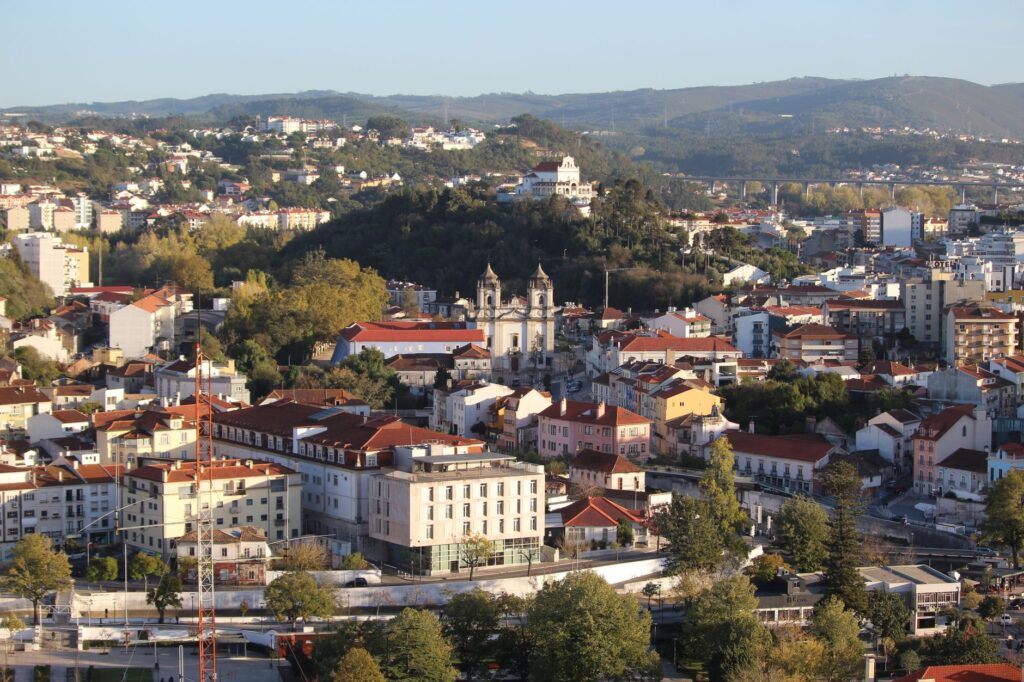
Today, the recovered riverbanks have been transformed into riverside promenades where residents practice light walking and enjoy the shade of willows and alders. The restoration of these aquatic spaces fosters riparian biodiversity and offers an ecological corridor connecting the urban heart with the surrounding fields.
The constant presence of water brings a note of serenity to daily life, reminding everyone of the importance of protecting river channels against the pressures of modern urban development while guaranteeing the environmental quality of the municipality.
Practical guide
How to get there
Leiria has excellent road and bus connections with Portugal’s main cities, sitting at an accessible distance from both Lisbon and Coimbra.
When to visit
Spring and autumn offer mild temperatures ideal for exploring the historic center and the pine forest trails without the crowds of the summer months.
Getting around
The urban center is easily explored on foot, although local bus lines are available to access peripheral neighborhoods and surrounding natural areas.
Accommodation
Small family-run hotels, traditional guesthouses, and local lodgings integrated into rehabilitated buildings in the historic center predominate.
Local cuisine
It is advisable to try traditional river and sea fish dishes, as well as the typical sweets made in the municipality’s artisanal bakeries.
Visitor tips
Comfortable footwear is recommended due to the slopes and cobbled streets, alongside active respect for the region’s natural and architectural heritage.
A Horizon of Stone and Memory
Leiria proves that it is possible to navigate the present without renouncing one’s roots. Between the imposing silhouette of its castle and the constant whisper of the Atlantic pine forests, this Portuguese city invites a reflective pause. Its inhabitants continue to weave a network of customs where honest commerce, respect for the environment, and the conservation of architectural heritage ensure that local identity remains alive, steadfast, and open to those who choose to discover it calmly.
The balance achieved between the conservation of its historical legacy and the adoption of sustainable tourism practices positions this Portuguese municipality as a benchmark for authentic hospitality. Those who venture into its streets discover that the true value of Leiria lies in its capacity to maintain a genuine community life respectful of its natural surroundings.