
Izra, Jordan: The Hidden Springs and Water Balance Sustaining the Steppe
Understanding the Arid Plateau of Izrā
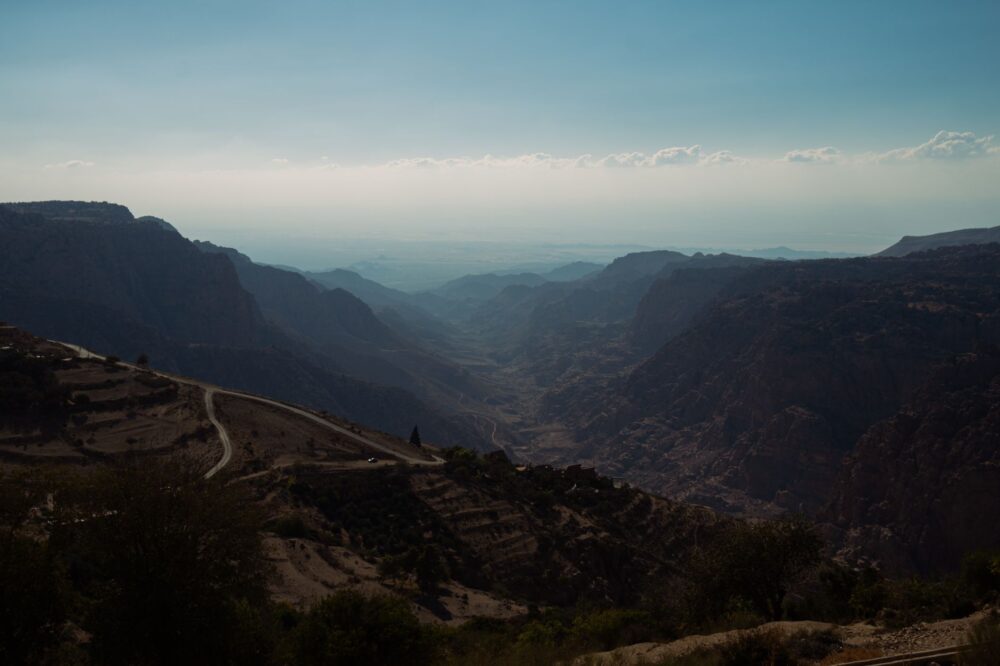
In the heart of the Karak Governorate in southern Jordan, the municipality of Izra extends across an altitude of approximately one thousand one hundred meters above sea level. This high plateau territory with its semi-arid climate represents a delicate balance between environmental demands and the adaptive capacity of local communities. Life in this Jordanian corner has historically depended on the precise management of every available water resource, shaping a landscape where karstic geology and scarce precipitation dictate the daily rhythm.
Mornings in the region typically begin with an intense clarity that illuminates the rocky formations and rain-fed cultivation fields. Far from being a space devoid of dynamism, this environment harbors a subtle yet resilient biodiversity that has evolved to thrive with minimal surface water input. Migratory birds crossing the eastern corridor of the Middle East find vital resting points in local aquifers and topographic depressions during their seasonal journeys.
The territorial expanse of this plateau allows observers to note how topography conditions air circulation and the localized retention of moisture. Rather than forming a uniform plain, the relief presents undulations and minor slopes that channel surface runoff during brief winter rain events. These natural dynamics have historically shaped the distribution of human settlements and the layout of rural pathways, organically integrating vernacular architecture with the geographical features of the terrain.
Geology and the Subsurface Water Pulse
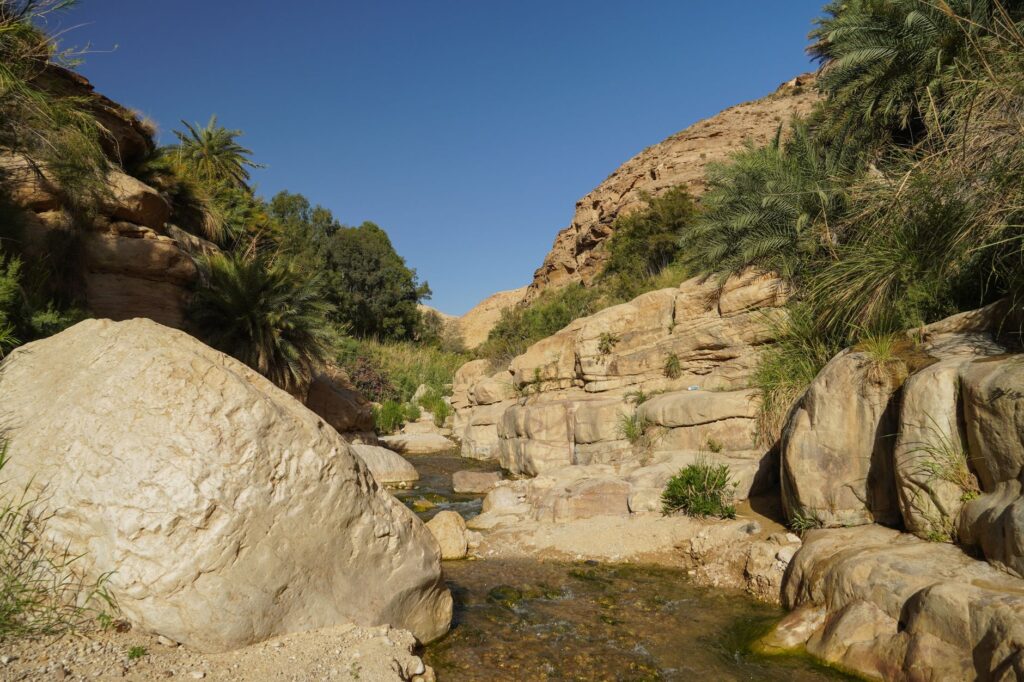
Beneath the surface of Izra, the geological structure acts as a natural storage system. Limestone and marl formations allow scarce winter rains to filter into deep aquifers that sustain both human consumption and native vegetation. This invisible flow constitutes the true ecological heart of the municipality, feeding minor springs and traditional wells used for generations by local inhabitants.
Traditional knowledge regarding the location and yield of these aquifers is transmitted orally, consolidating a cultural heritage directly tied to the environment. The conservation of these subterranean resources is indispensable to prevent the overexploitation of a hydrological system that shows high sensitivity to regional climate variations. Environmental management experts emphasize the need to constantly monitor water table levels to guarantee the long-term sustainability of local agriculture.
Water management in arid zones is not merely a technical issue, but a fundamental test of coexistence between human communities and the natural limits of their environment.
The permeability of the calcareous terrain generates a complex underground drainage network that emerges punctually at specific points within the Jordanian landscape. These groundwater sources have determined the location of small traditional gardens and livestock watering troughs used since time immemorial. Understanding the mechanics of this invisible hydrological cycle is fundamental for any initiative aimed at preserving the ecological stability of the region in the face of future challenges.
Steppe Flora and Drought-Adapted Fauna
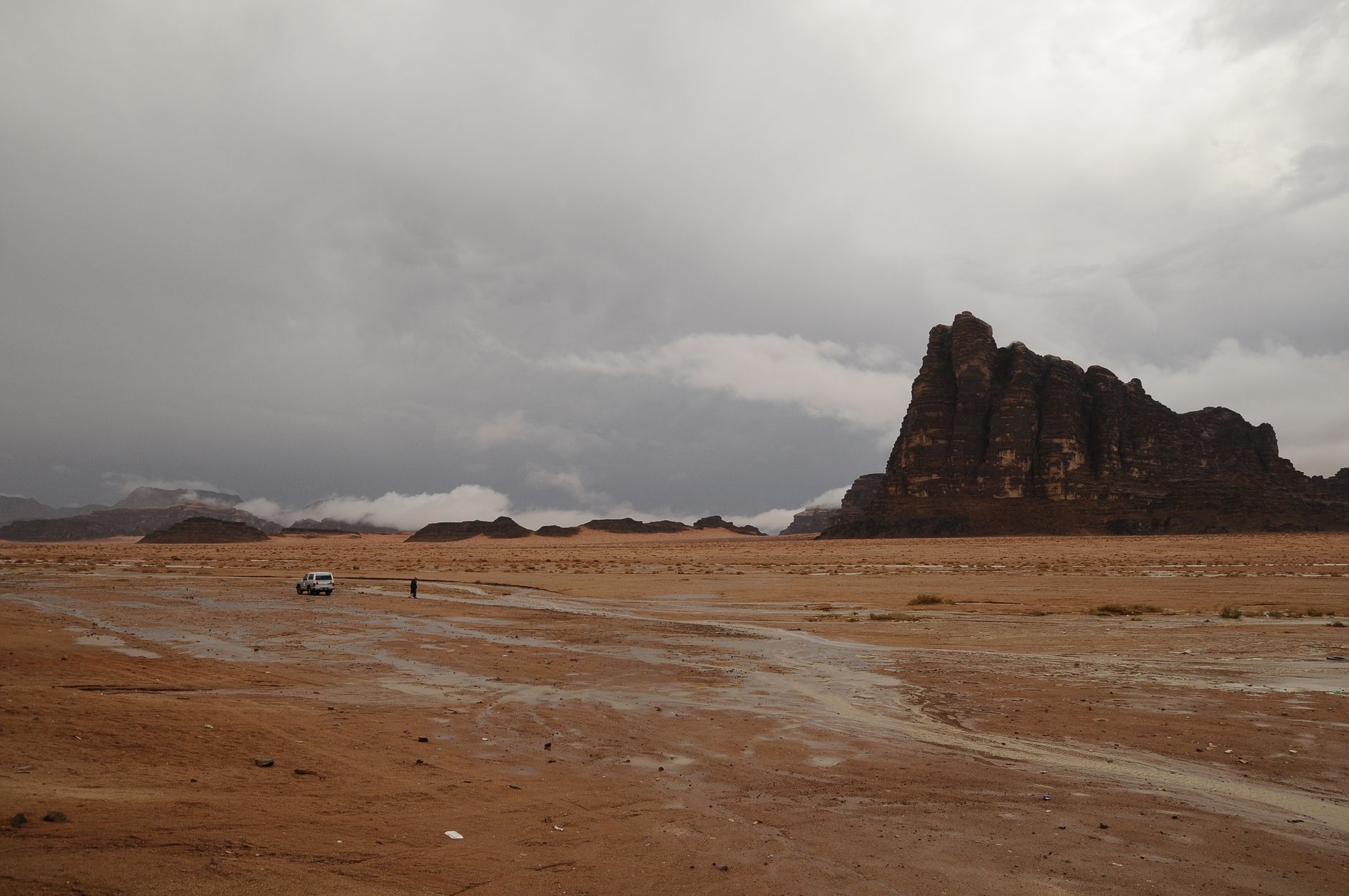
The vegetation of Izra is dominated by xerophytic species, thorny shrubs, and perennial grasses that deploy complex strategies to survive the long months of summer drought. Plants such as white wormwood and various species of astragalus cover the rocky slopes, offering food and shelter to small rodents, reptiles, and a diverse community of pollinating insects that fulfill a fundamental role in maintaining these fragile ecosystems.
Among the fauna traversing the steppe are species capable of regulating their body temperature and metabolism to withstand extreme temperatures. Small mammals and birds of prey such as the lesser kestrel use rocky escarpments as nesting areas. The presence of these raptors acts as a biological indicator of the environmental health of the territory, signaling the existence of functional trophic chains despite the surrounding aridity.
The morphological and physiological adaptations of local flora include deep root systems capable of reaching residual moisture in the subsoil, as well as leaves that are small or reduced to spines to minimize transpiration. This biological network demonstrates remarkable resilience in the face of extreme thermal oscillations characteristic of the continental climate of the Jordanian plateau, where cold nights contrast sharply with intense daytime insolation.
Rural Life and the Relationship with the Environment
The communities inhabiting Izra maintain a relationship of profound interdependence with the surrounding landscape. Rain-fed agriculture, based primarily on the cultivation of wheat and barley, is complemented by the extensive herding of goats and sheep. This traditional livestock raising, when practiced with moderation, helps control plant biomass and prevents the excessive accumulation of dry material that could spark fires during the hottest months of the year.
Respect for natural cycles has allowed human settlements to endure in this environment without irreversibly altering ecological balances. Traditional construction practices employ local stone and techniques oriented toward passive climatology, demonstrating ancestral wisdom in utilizing available resources. Local families value the preservation of their natural heritage as an essential legacy for future generations.
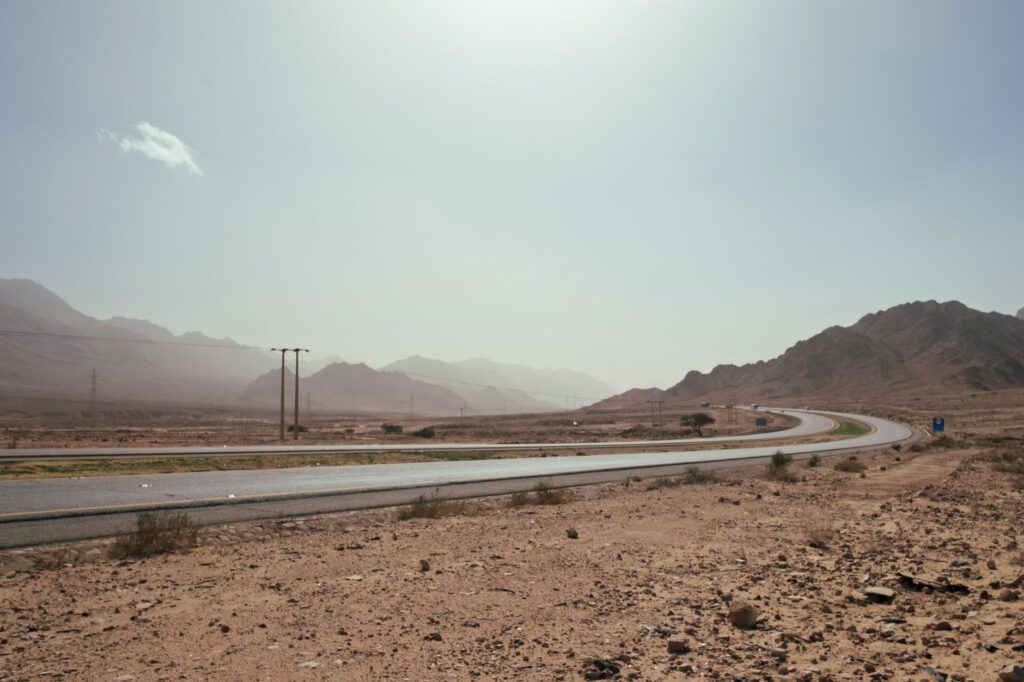
The spatial organization of homes and corrals reflects meticulous adaptation to dominant wind directions and peak summer insolation. Dry-stone structures delimit plots and paths, serving simultaneously as a refuge for microfauna and as a barrier against wind erosion. This daily communion between human labor and the austerity of the environment consolidates a territorial management model deeply rooted in local history.
Contemporary Challenges on the Plateau
In recent decades, increasing demographic pressure and the effects derived from climate change have intensified environmental challenges across Jordanian territory. In Izra, fluctuations in precipitation patterns compel a rethinking of land-use strategies and agricultural irrigation efficiency. The adoption of water-saving technologies and the recovery of traditional rainwater harvesting practices have become technical priorities for local authorities and farmers.
Likewise, soil protection against wind and water erosion receives constant attention. Slopes devoid of dense vegetative cover are especially vulnerable during sudden winter storms. Implementing vegetative barriers and dry-stone retaining dams helps retain the fertile topsoil, allowing native vegetation to recover gradually.
Waste management and the protection of aquifers against potential sources of diffuse pollution constitute additional fronts in the municipal environmental preservation efforts. Collaboration between residents and public institutions remains key to implementing regulations that balance socioeconomic development with the strict conservation of the plateau’s limited natural resources.
Historical and Cultural Heritage of the Region
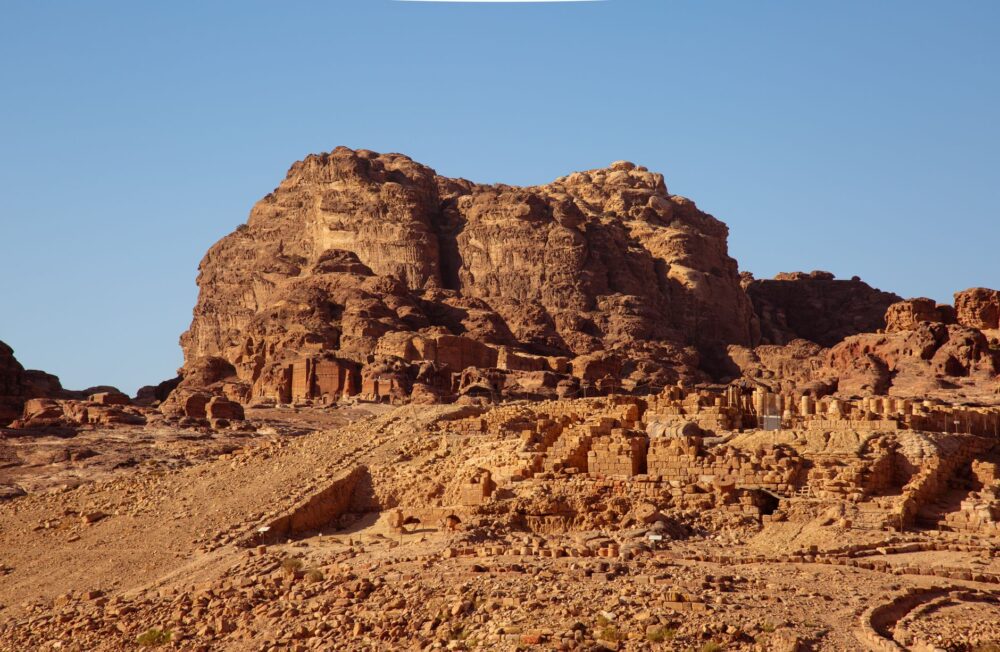
The natural landscape of Izra is intimately intertwined with historical vestiges attesting to human presence since antiquity. The remains of ancient terrace walls, rock-cut cisterns, and rural paths demonstrate how past civilizations knew how to read terrain characteristics to establish stable settlements. These archaeological elements not only enrich the cultural value of the municipality but also offer valuable clues regarding the climatic evolution of the region over the centuries.
Visitors traversing these landscapes can appreciate the harmony between vernacular architecture and the surrounding topography. The integration of settlements into the undulations of the plateau demonstrates a respectful adaptation that minimizes visual and physical impact on the territory. The conservation of this mixed heritage—natural and cultural—represents a priority for fostering tourism grounded in respect and mutual learning.
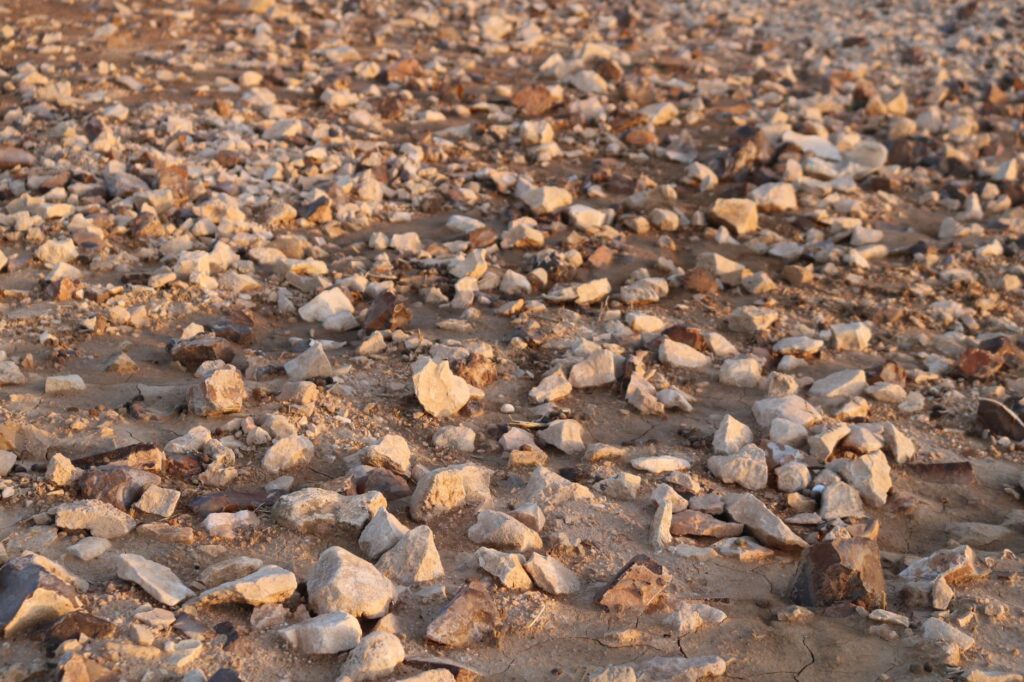
Observing the steppe closely reveals that the apparent monotony of the landscape is, in reality, a complex fabric of biological and cultural adaptations perfected over the centuries.
The documentation of these archaeological vestiges provides a broader perspective on the evolution of human adaptation techniques in semi-arid environments. Each ancient stone structure narrates a story of ingenuity in the face of scarcity, underscoring the cultural continuity that defines the identity of populations settled in this sector of the Karak Governorate.
Practical Guide
Planning a visit to Izra requires understanding the geographical and climatic characteristics of the Karak region, ensuring a respectful and enriching experience.
- How to get there: The main access is by road from Amman or Karak via rental vehicles or private transport, traversing paved routes that ascend toward the high plateau.
- Best time to visit: The spring months (March to May) offer moderate temperatures and the opportunity to observe steppe blossoming, while autumn (September to November) features a dry and stable climate.
- Accommodation and services: Lodging options are concentrated in the main towns of the Karak Governorate, with overnight stays recommended in rural accommodations promoting sustainable practices.
- Standards of conduct: It is essential to respect private property on agricultural lands, leave no litter, avoid disturbing local wildlife, and request permission before photographing inhabitants or their properties.
- Recommended equipment: Comfortable footwear for walking on stony terrain, adequate sun protection, lightweight neutral-toned clothing, and sufficient reserves of drinking water are advised.
Final Reflection on Natural Balance
The municipality of Izra offers an eloquent lesson on the capacity of nature and human beings to coexist in environments where resources are strictly limited. Far from major mass tourism circuits, this corner of the Jordanian plateau invites a contemplative pause and a calm analysis of the ecological balances sustaining life in arid zones. Each protected spring, each drought-adapted plant, and each traditional agricultural practice form a mosaic of resilience that deserves to be valued and protected with scientific rigor and human sensitivity.
The conservation of this singular environment demonstrates that the future of rural communities in arid zones depends critically on their capacity to integrate traditional knowledge with modern ecological principles. Preserving the integrity of Jordan’s steppe landscapes constitutes, ultimately, an inescapable commitment to biodiversity and the historical memory of the territory.