
The Confluence of the Douro River and the Atlantic Ocean in Portugal
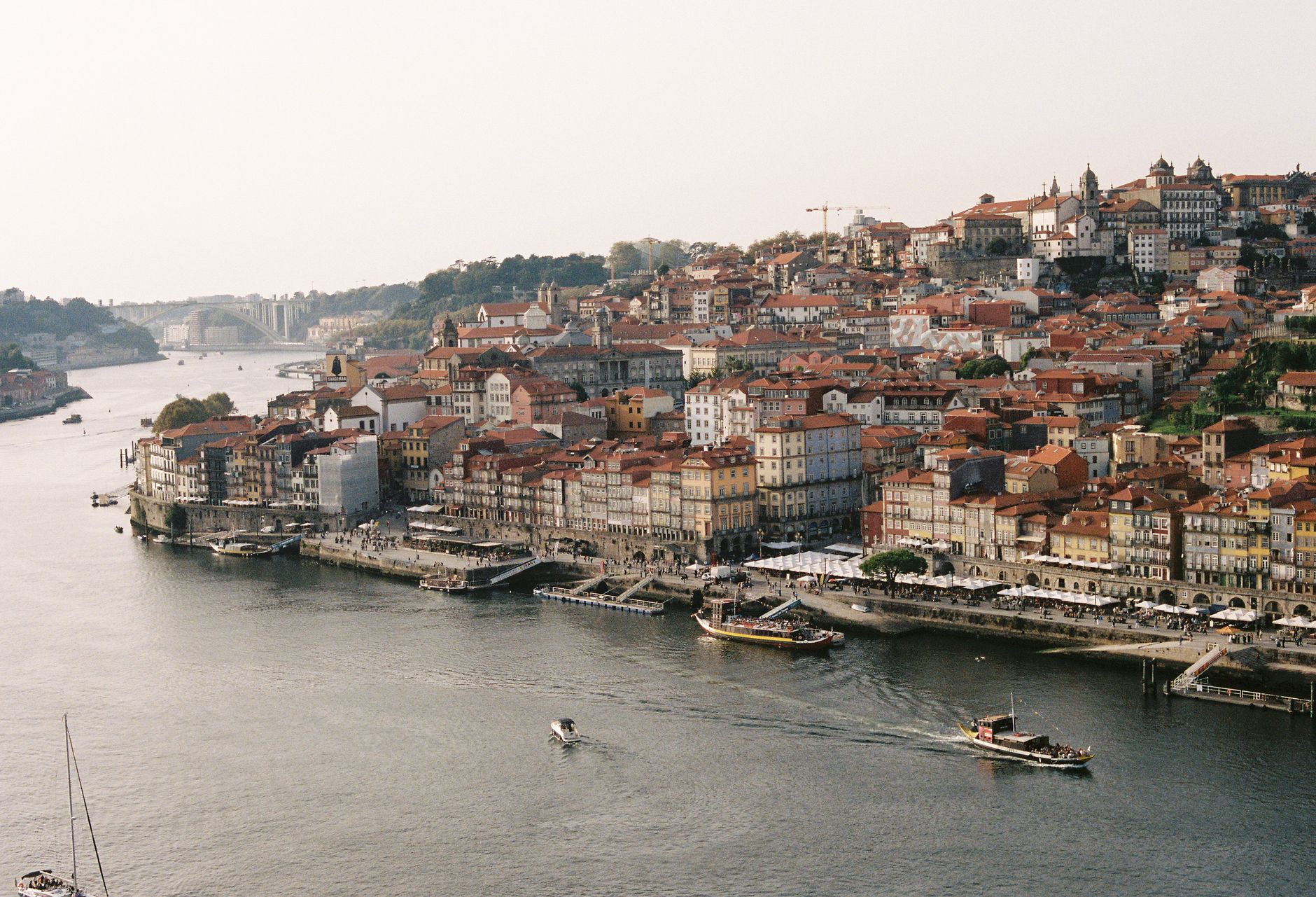
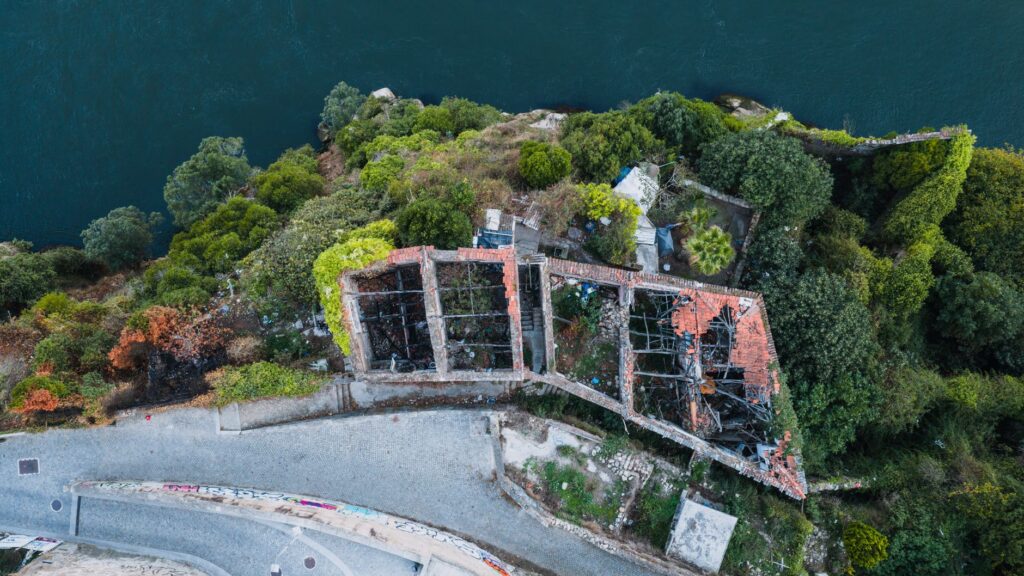
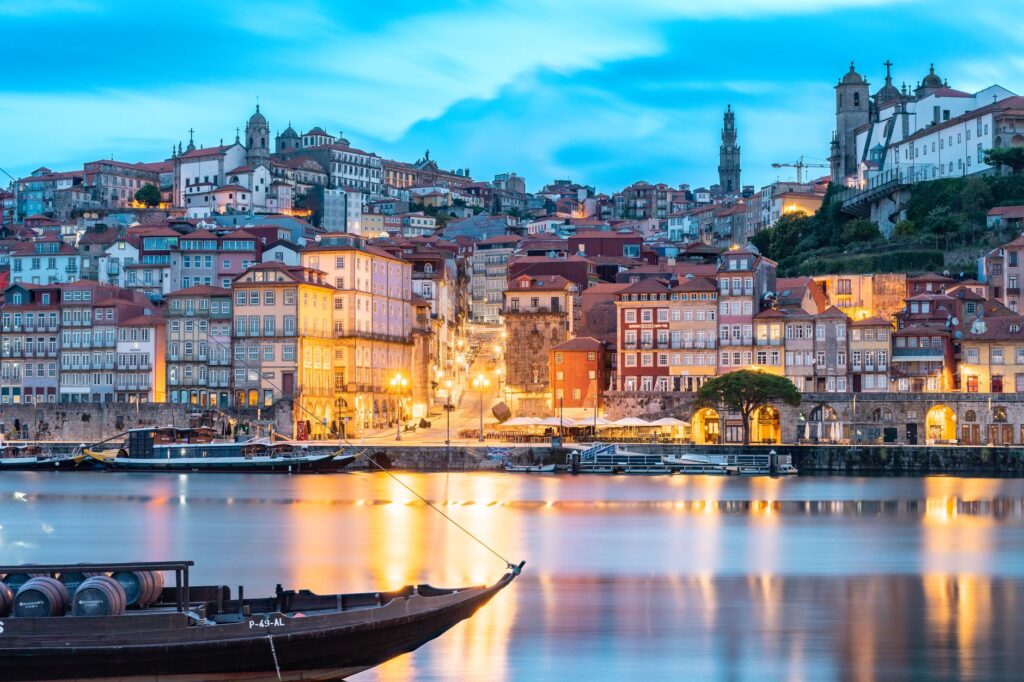
The city of Porto, located on the northwestern coast of Portugal, unfolds across an amphitheater of granite hills that descend abruptly toward the channel of the Douro River. This meeting point between freshwater flowing from the peninsular interior and the saline currents of the Atlantic Ocean defines a transition ecosystem of great ecological complexity. Far from being a purely urban environment, the municipal territory and its immediate margins harbor a mosaic of habitats where wildlife and native flora have developed unique adaptation strategies in the face of intense anthropogenic pressure.
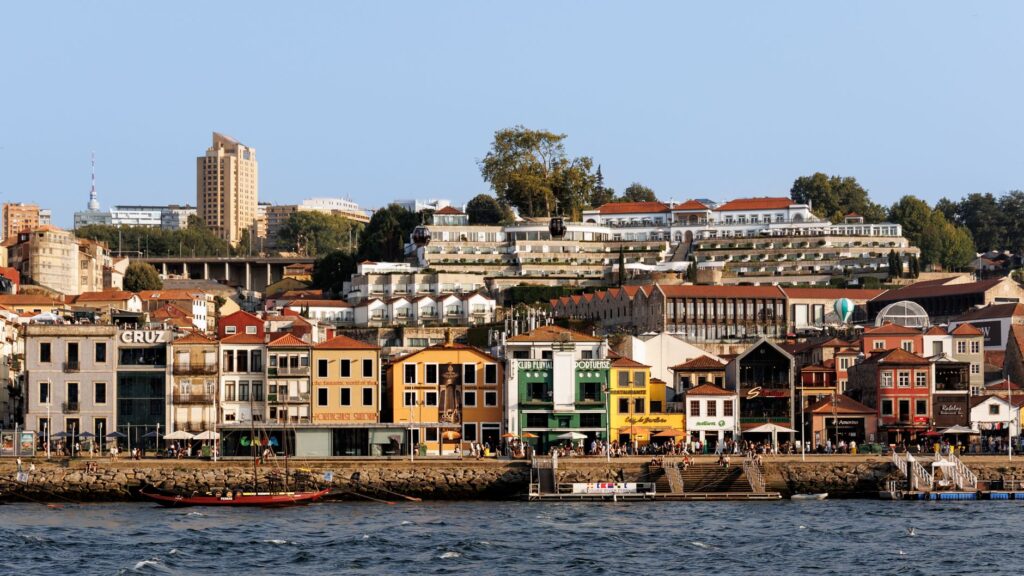
An analysis of Porto’s physical geography reveals an average elevation of approximately 76 meters above sea level, with steep slopes that channel both stormwater runoff and Atlantic climatic influences. This moderate thermal regime, characterized by mild winters and temperate summers, favors the persistence of plant species adapted to riparian humidity and environmental salinity. The banks of the Douro act as a fundamental ecological corridor for numerous migratory birds that use the estuary as a resting and wintering area along their routes between northern Europe and the African continent.
Fluvial and Estuarine Dynamics Along the Porto Littoral
The hydrological behavior of the Douro River in its final stretch is marked by tidal dynamics, which penetrate several kilometers upstream, cyclically altering salinity levels and available flow. This phenomenon generates strips of halophytic vegetation and small salt marshes that serve as refuges and breeding grounds for various species of fish and benthic invertebrates. The presence of these microhabitats is essential for maintaining the local trophic chain, supporting stable populations of piscivorous birds and nocturnal raptors that find favorable nesting sites on the cliffs and river slopes.
Over recent decades, increased urbanization and the industrial transformation of the riverbanks have fragmented the original natural habitats. Nevertheless, various field studies conducted by Portuguese academic institutions have demonstrated the resilience of certain amphibian populations and small mammals capable of colonizing wooded slopes and the scarce remnants of native scrubland that survive on less accessible hillsides. Managing these spaces requires a constant balance between biodiversity protection and the demands of a densely populated city exceeding two hundred and fifty thousand residents.
Avifauna and Urban Ecological Corridors in Northern Portugal
Birdwatching in the Porto region offers a privileged perspective on the capacity of wildlife to integrate into human-modified landscapes. In scrubland areas and wooded urban parks, species such as the Eurasian blackbird, the European robin, and various diurnal raptors find food and shelter amid the dense fabric of historic buildings. The conservation of these green enclaves is indispensable to ensure the genetic continuity of local populations and prevent their biogeographic isolation.
The preservation of river ecological corridors in densely populated environments not only protects resident wildlife but also guarantees the environmental health of the entire estuary.
Periodic ornithological censuses coordinated by local conservation entities highlight marked seasonal fluctuations. During the autumn and winter months, the number of aquatic specimens increases notably with the arrival of waterfowl and shorebirds coming from northern latitudes. These birds select sandbars and less disturbed marshes to feed during low tide, a behavior that underscores the importance of regulating recreational activities near the river channel to prevent the disturbance of their foraging areas.
Native Flora and Adaptation to Granitic Soils
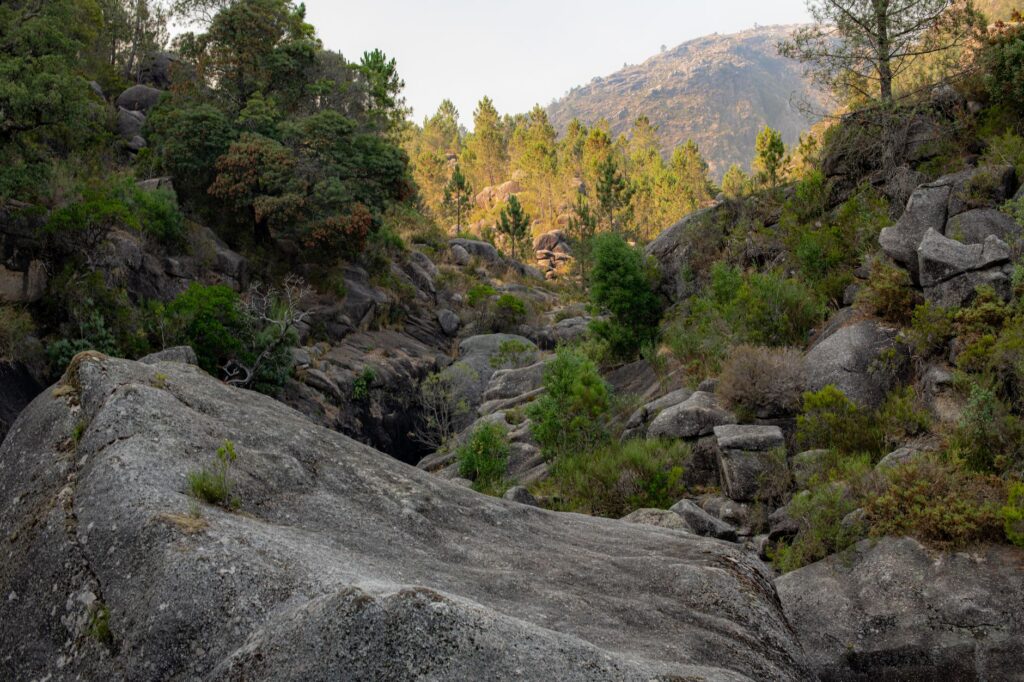
The geological substrate of Porto, dominated by granite formations and shallow acidic soils, directly conditions the composition of the plant cover. Present botanical species must tolerate both summer drought periods and the erosive action of Atlantic winds. Tree vegetation features scattered specimens of maritime pine and native oaks, recalling the forest landscape that formerly covered these hills before massive urban expansion.
On steeper slopes and in transition zones toward the river, resistant shrubs such as gorse and various varieties of cistus proliferate, capable of stabilizing the terrain and preventing landslides after intense rainfall episodes. Ruderal and nitrophilous flora also finds its space along paths and old stone walls, reflecting the long interaction between human activity and the natural environment. Protecting this native vegetation is the first step toward safeguarding the microclimates that allow pollinating insects and small reptiles to survive.
The Role of Local Institutions in Habitat Protection
Environmental management in a densely urbanized municipality like Porto requires coordination between municipal authorities, national river basin agencies, and civil associations dedicated to scientific outreach. Initiatives aimed at the restoration of riverbanks and the recovery of degraded river margins have allowed the creation of buffer zones that reduce direct urban runoff and improve the water quality reaching the Douro estuary.
Likewise, environmental education programs directed at schools and local visitors emphasize the need to minimize human impact on fragile riparian ecosystems. These educational actions address practical issues, such as the prohibition of waste dumping, the obligation to keep pets under control in nesting areas, and the importance of respecting authorized trails to prevent excessive soil compaction and the destruction of protective plant cover.
Ethical Observation and Nature Photography in the Douro
The practice of nature photography and wildlife observation in Porto requires strict adherence to ethical guidelines to avoid altering the natural behavior of species. Naturalists and photographers visiting the region must use long-range lenses and maintain a safe distance from bird and mammal breeding areas. The use of acoustic lures or getting too close to nests is strongly discouraged by conservation groups.
Respect for the biological cycles of local wildlife also implies scheduling fieldwork according to periods of lower human activity and tidal schedules. The timeframe between dawn and the early morning hours offers the best lighting conditions and tranquility, allowing the documentation of species presence without generating unnecessary stress in observed specimens. The responsible dissemination of these images helps raise public awareness of the natural wealth that still persists near urban centers.
Future Challenges Facing Climate Change on the Atlantic Coast
Climate models projected for the Atlantic facade of the Iberian Peninsula point toward an increase in the frequency of extreme weather events, including prolonged droughts and short-duration torrential downpours. These meteorological changes pose significant challenges for the stability of Porto’s fluvial and terrestrial ecosystems, threatening to alter Douro flow regimes and increase the vulnerability of native vegetation to fires and pests.
To mitigate these risks, territorial management strategies prioritize the renaturalization of degraded spaces and the improvement of urban soil permeability. The integration of green infrastructure into urban planning not only increases the city’s ecological resilience but also offers citizens the opportunity to maintain direct contact with nature without compromising the integrity of local wild habitats.
Practical guide
How to get there: Francisco Sá Carneiro Airport (OPO) is located about 11 kilometers from central Porto, with frequent connections via metro and bus lines linking directly to the urban transport network. It is also accessible by rail from various points in Portugal and Spain.
Best time to visit: Spring months (April to June) and early autumn (September to October) offer optimal conditions for birdwatching and hiking along the Douro banks, featuring temperate temperatures and lower tourist influx.
Access requirements and regulations: As part of the European Union, EU citizens only need a valid ID card or passport. In protected natural areas and river margins, camping, lighting fires, and littering are strictly prohibited.
Recommended gear: Comfortable footwear with non-slip soles for the granite terrain’s gradients, 8×42 or 10×42 binoculars for birdwatching in the estuary, and layered clothing adapted to Atlantic climatic variability.
Areas of natural interest: The banks of the Douro River in its urban and peri-urban stretches, municipal forest parks, and low marsh areas near the Atlantic mouth concentrate the greatest biological diversity.
Information centers: Municipal tourism offices and environmental delegations provide updated maps of pedestrian paths and specific regulations currently in force for the protection of local wildlife.
Refuges of Life on Portugal’s Atlantic Horizon
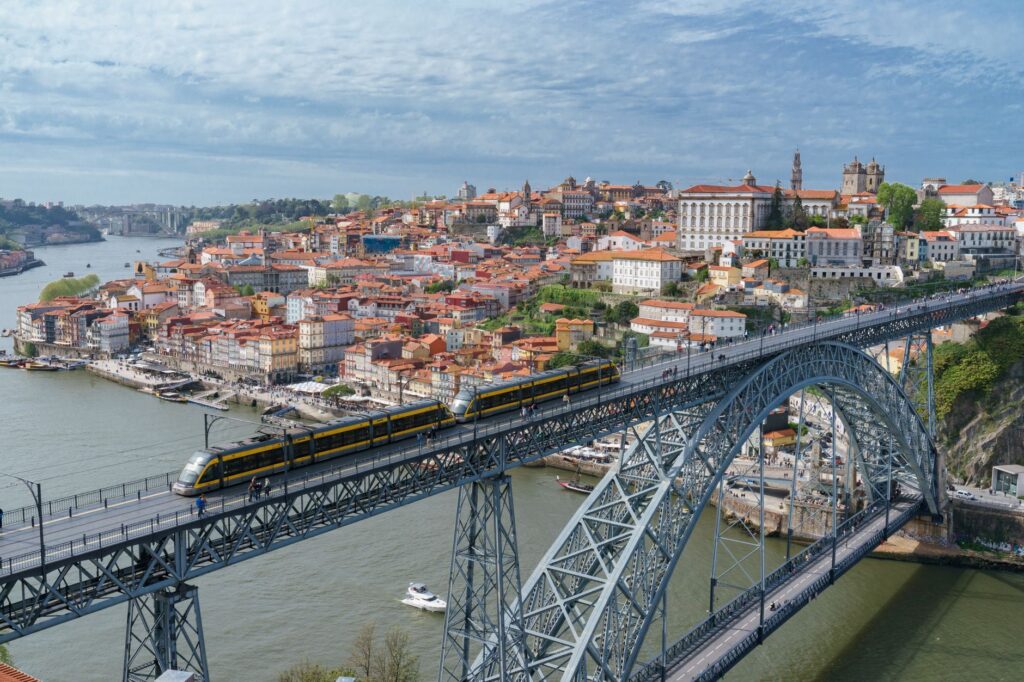
Contemplating the sunset over the Douro estuary in Porto synthesizes the complex relationship between this Portuguese city’s millennial history and the persistence of its natural values. In the late afternoon hours, when golden light bathes the iron bridges and granite hillsides, the silhouettes of aquatic birds returning to their roosts remind observers that wildlife always finds niches to endure. Conserving these spaces is not only an ecological duty, but an essential way to preserve the deep identity of the Lusitanian territory.