
On the shores of the Limfjord in northern Denmark, Aalborg stands as a territory where industrial memory coexists harmoniously with architectural modernity and sustainable urban planning. Far from the congested routes of traditional European mass tourism, this city of over 140,000 residents invites travelers to understand the Danish north through its unhurried pace, nature-integrated public spaces, and a local identity deeply tied to the water. Walking through its streets reveals a space where the transformation of former shipyards and factories into cultural hubs has redefined daily life, offering visitors a genuine perspective on the evolution of contemporary Scandinavian urbanism.
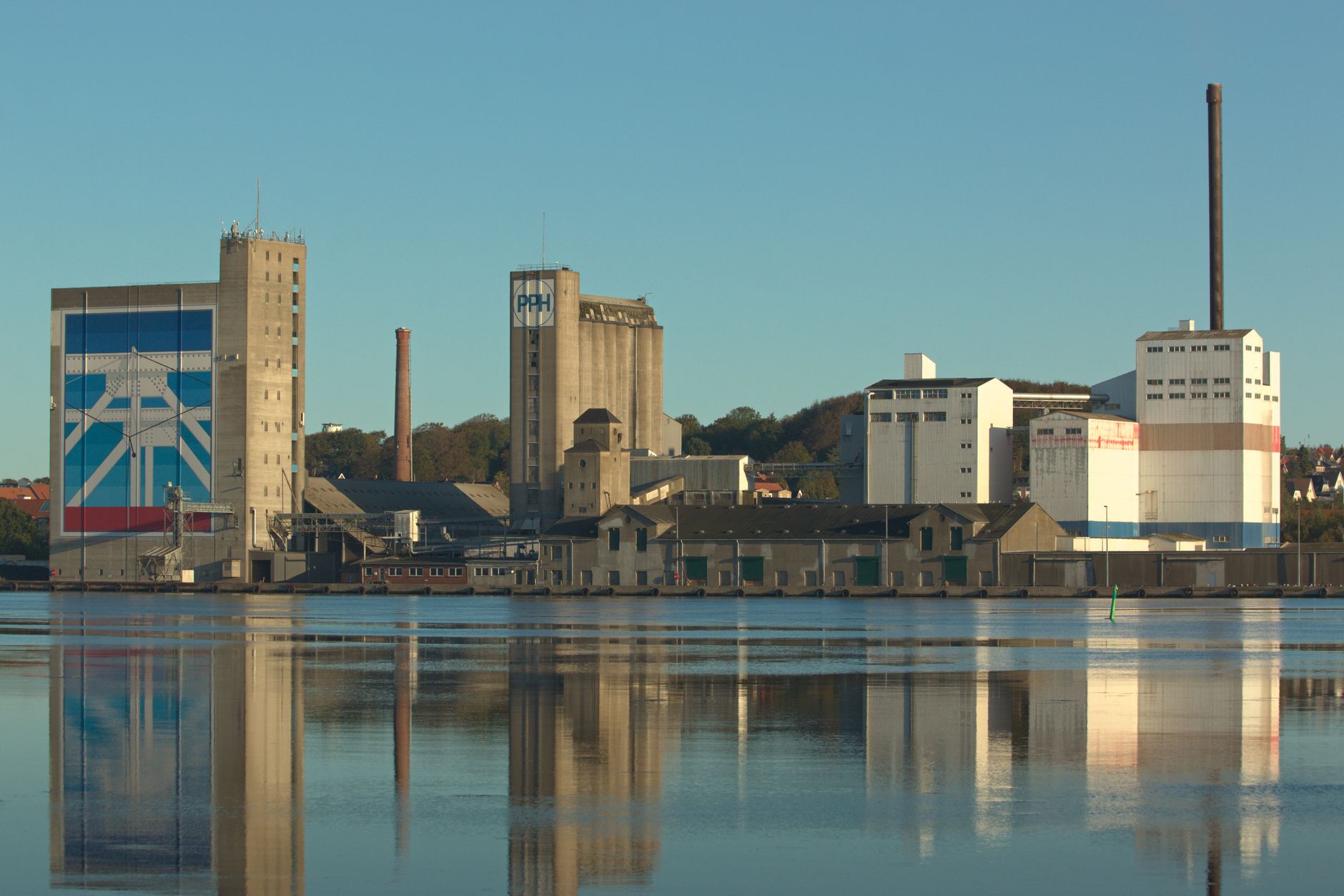
Aalborg’s character cannot be understood without examining its specific geography. Situated at a strategic point where the Limfjord narrows to connect the North Sea with the Kattegat, the city served for centuries as a key commercial and manufacturing port for the region. Today, that industrial heritage is not hidden but reinterpreted. Docks that once received cargo ships and housed cement and tobacco plants have transformed into pedestrian promenades, low-carbon residential zones, and modern art museums that converse directly with the aquatic landscape. This metamorphosis reflects a conscious decision to prioritize civic well-being and long-term sustainability over disorderly urban growth.
The Pulse of the Limfjord and Waterfront Life
Water is the guiding thread that structures life in Aalborg. Along the waterfront promenade, known locally as Havnefronten, daily activity unfolds among commuters cycling to work, families strolling alongside the water’s edge, and visitors exploring the area’s newest architectural landmarks. Among them, the Utzon Center stands out as a tribute to Danish architect Jørn Utzon —celebrated for designing the Sydney Opera House— who spent part of his youth in the city. This building is not merely an exhibition container for architecture and design, but an open meeting point that promotes creativity and community exchange.
Nearby, the skyline of the fjord is enriched by the silhouette of the House of Music, a diaphanous volume clad in glass and white concrete designed by the architectural firm Coop Himmelb(l)au. This auditorium has become the musical heart of North Jutland, hosting everything from rehearsals by the local symphony orchestra to contemporary music concerts. The integration of these cultural facilities along the waterfront demonstrates how urban planning can generate spaces for social cohesion, where natural heritage and avant-garde design mutually enhance one another without overwhelming the human scale of the environment.
The city’s relationship with its estuary is also manifested in ecological regeneration initiatives. Former industrial dikes have given way to artificial wetlands and green areas that improve local biodiversity and act as natural drainage systems. For the traveler, this translates into walking or cycling itineraries that span kilometers of uninterrupted urban coast, offering clean air and a tranquil atmosphere that contrasts sharply with the bustle of major European capitals.
Historical Architecture and the Renaissance Legacy
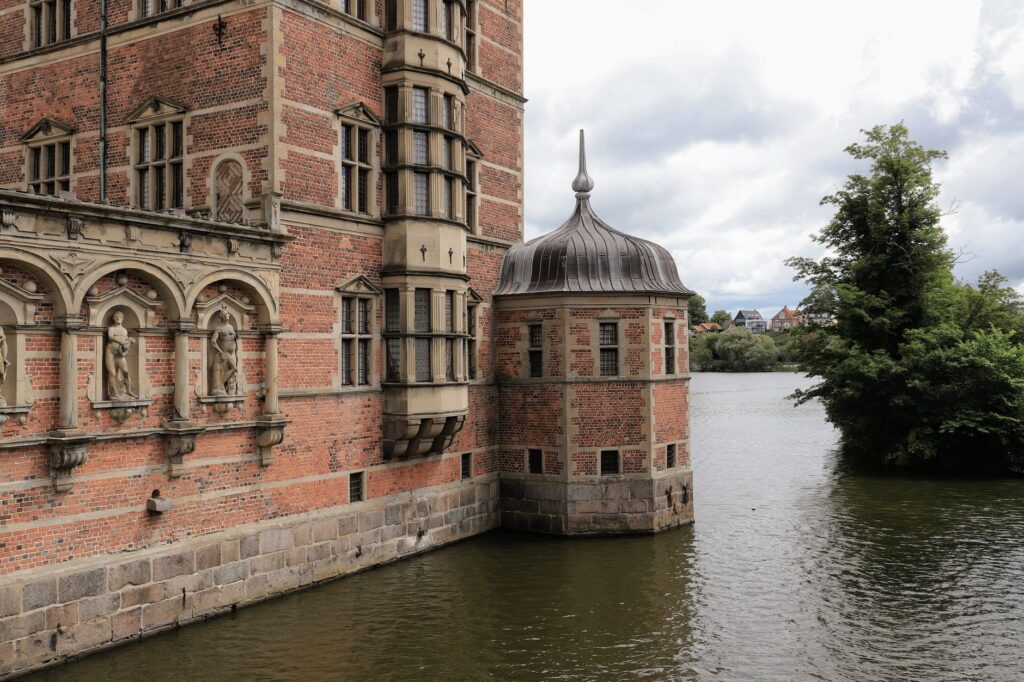
Just meters away from the modern dynamism of the port, Aalborg’s old town preserves tangible testaments to its rich medieval and Renaissance history. The most prominent example is Jens Bang’s Mansion, an imposing Flemish Renaissance-style building constructed in 1624 by one of the era’s wealthiest merchants. With its characteristic stepped gables, elaborate stone reliefs, and numerous windows, this structure survives as a reminder of the commercial prosperity the city experienced through trade in the Baltic and North Seas.
A few streets away from the mansion stands the Monastery of the Holy Ghost, a 15th-century Carmelite monastic complex. This red-brick building group, structured around a silent cloister, has served multiple functions over the centuries: from medieval convent to hospital and nursing home. Today, the enclosure maintains its atmosphere of quiet contemplation and offers a unique window into the social and religious organization of pre-modern Denmark. The preservation of these historical spaces amid the contemporary urban fabric evidences respect for the various temporal layers that make up local identity.
blockquote>Aalborg’s architectural heritage is not exhibited as an isolated museum piece, but as a living stage where daily history continues to be written at street level. /blockquote>
Alongside these monuments, the Church of St. Botolph, consecrated to the patron saint of travelers and sailors, stands out for its slender baroque tower and an interior ornamented with Renaissance altarpieces. The temple dominates the main square, Gammeltorv, a gathering space where local markets and daily commercial activity continue a millennial tradition of exchange and community coexistence.
Industrial Transformation and Urban Art
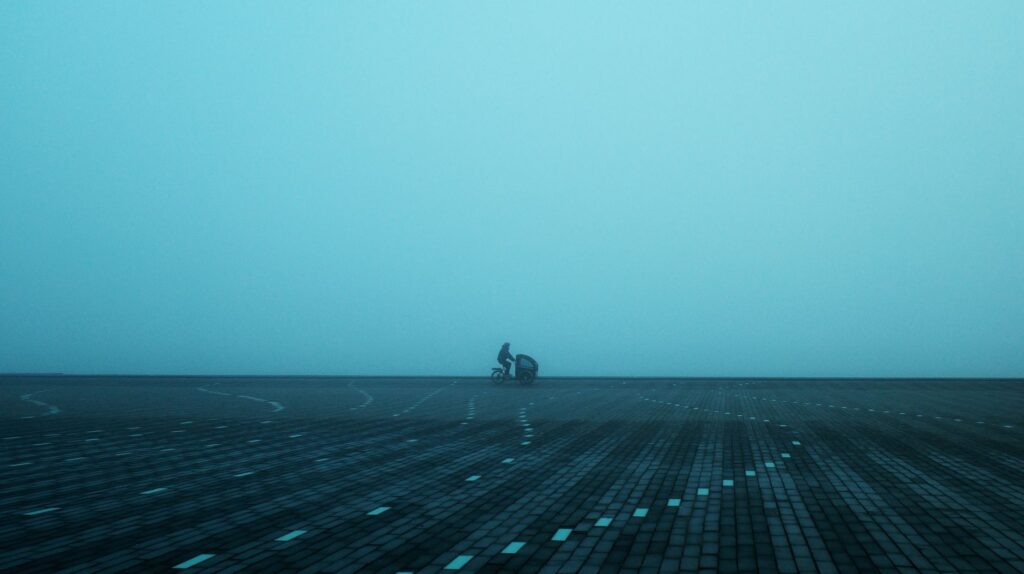
The deindustrialization process experienced by many European cities in the late 20th century found an opportunity in Aalborg to reinvent itself through culture and civic participation. The former industrial warehouses in the eastern district, known as Nordkraft, have transitioned from energy production facilities into a vast cultural complex housing cinemas, concert halls, climbing facilities, and gastronomic spaces. This reconversion exemplifies how industrial architecture can acquire a second useful life without losing the physical testimony of its working-class past.
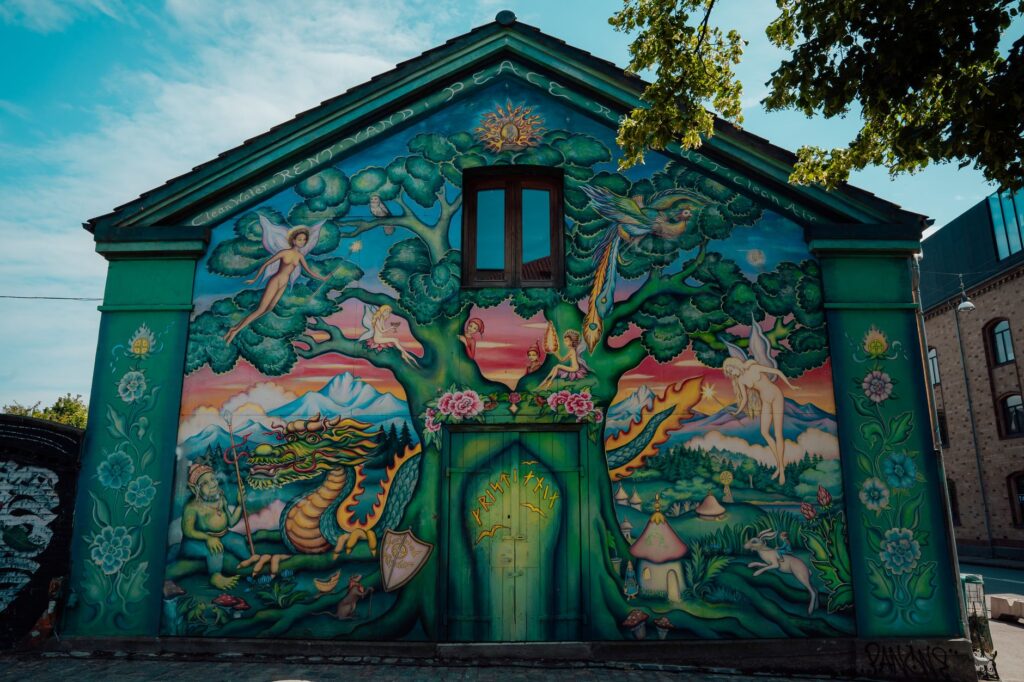
Surrounding Nordkraft, the Galleri Hudson project and various mural art interventions have turned the blind walls of the area into an open-air museum. International urban artists have collaborated with local creators to endow the industrial neighborhoods with a new visual language. This decentralized public gallery fosters constant dialogue between residents and the urban space, demonstrating that contemporary art can integrate naturally into the daily life of a reconverted working-class community.
This approach toward creativity and innovation is also perceived in the commercial fabric of the center. Pedestrian streets such as Algade and Bispensgade house small design workshops, independent bookstores, and local product shops that prioritize durability and ethical production over commercial homogenization. Visitors walking these commercial arteries find an alternative to mass consumption, directly supporting the artisans and small business owners who keep the local economy alive.
Zero-Kilometer Nordic Gastronomy and Local Markets
Aalborg’s culinary scene faithfully reflects the philosophy of the New Nordic food movement, adapted to the land and sea products of North Jutland. In food markets and local restaurants, the seasonality and provenance of ingredients are absolute priorities. Fresh fish and seafood from the Limfjord —especially mussels and oysters— hold a privileged place on menus, alongside root vegetables grown on surrounding organic farms and meats from extensive livestock farming.
Aalborg also boasts a solid brewing tradition, rooted in historical brands and a growing number of craft breweries experimenting with local botanical ingredients and traditional fermentation methods. Likewise, the famous red aquavit of Aalborg (*Aalborg Akvavit*), distilled with spices and caraway, forms an inseparable part of the region’s celebrations and festive gastronomy, traditionally accompanying classic Danish open sandwiches (*smørrebrød*).
For those wishing to delve deeper into the area’s culinary culture, farmers’ markets periodically set up in public squares offer the opportunity to converse directly with producers. This direct connection between farm and table fosters a food awareness based on sustainability, environmental respect, and the appreciation of local effort.
Parks, Green Spaces and Surrounding Nature
The concern for the physical and mental well-being of its citizens has led Aalborg to develop an exemplary network of urban parks and accessible natural spaces. Kildeparken, one of the city’s oldest and most beloved green lungs, stands out for its broad meadows, centuries-old trees, and its peculiar «Park of the Trees,» where international music personalities who have performed in the city —from Leonard Cohen to Sting— have planted a tree accompanied by a plaque featuring their characteristic melody.
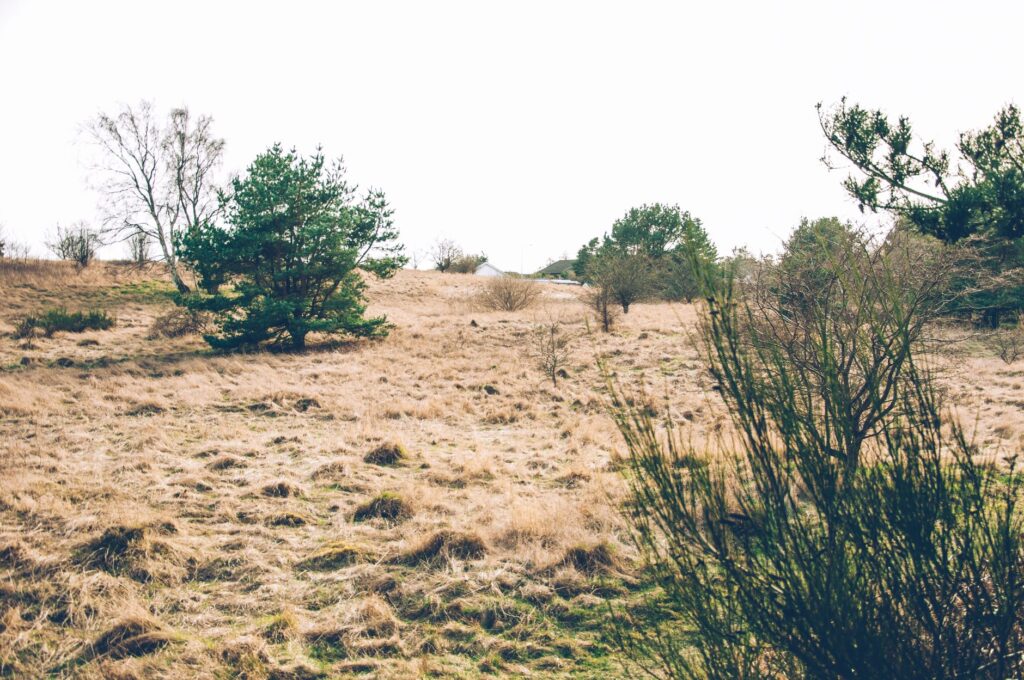
Beyond the urban perimeter, the forests of Lindholm Høje and the hills surrounding the fjord offer hiking and cycling routes that allow visitors to immerse themselves in landscapes of great ecological and historical value. On the hill of Lindholm Høje lies one of Denmark’s most important archaeological sites from the Viking Age, a vast cemetery with hundreds of stone graves erected in the shape of ships. This enclave combines heritage wealth with exceptional panoramic views over the Limfjord valley and the city.
blockquote>Nature in Aalborg is not a distant decorative element, but a daily component that accompanies residents on their daily commutes and in their leisure time. /blockquote>
The responsible management of these natural spaces prioritizes the conservation of native flora and fauna, limiting the impact of tourist infrastructure and promoting respectful usage practices among visitors. In this way, the surrounding nature remains an accessible and preserved resource for future generations.
Practical Guide
How to get there: Aalborg has its own international airport (AAL), located a few kilometers from the center, with regular connections via Copenhagen. It is also accessible via the national railway network DSB, with frequent trains connecting the city to Aarhus and Copenhagen.
When to travel: Summer months (June to August) offer mild temperatures, long daylight hours, and intense outdoor cultural activity. Spring and autumn provide landscapes of great chromatic beauty and a more tranquil atmosphere.
How to get around: Bicycles are the ideal means of transport. The city features numerous rental stations and perfectly marked bike lanes. The historic center is completely pedestrianized.
Accommodation: Varied options range from eco-certified urban hotels to small boutique establishments in rehabilitated historic buildings. Advance booking is recommended during the summer season.
Recommended gastronomy: Sample dishes crafted from Limfjord fish at harbor restaurants and taste sourdough bread and artisanal pastries at downtown bakeries.
Responsible tip: Use public water fountains to refill reusable bottles and respect quiet hours in residential areas during nighttime hours.
Useful information: The official currency is the Danish krone (DKK). The official language is Danish, though English is fluently spoken by virtually the entire population.
Aalborg bids farewell to the traveler with the serene image of the sun reflecting over the calm waters of the Limfjord, while the silhouettes of old industrial cranes and modern cultural centers merge on the northern horizon. It is a postcard that summarizes the essence of a city capable of reinventing itself without renouncing its roots, offering visitors an enduring lesson on how local identity and sustainable design can walk hand in hand toward the future.