
The Andean Geography and the Historical Pulse of Huamanga
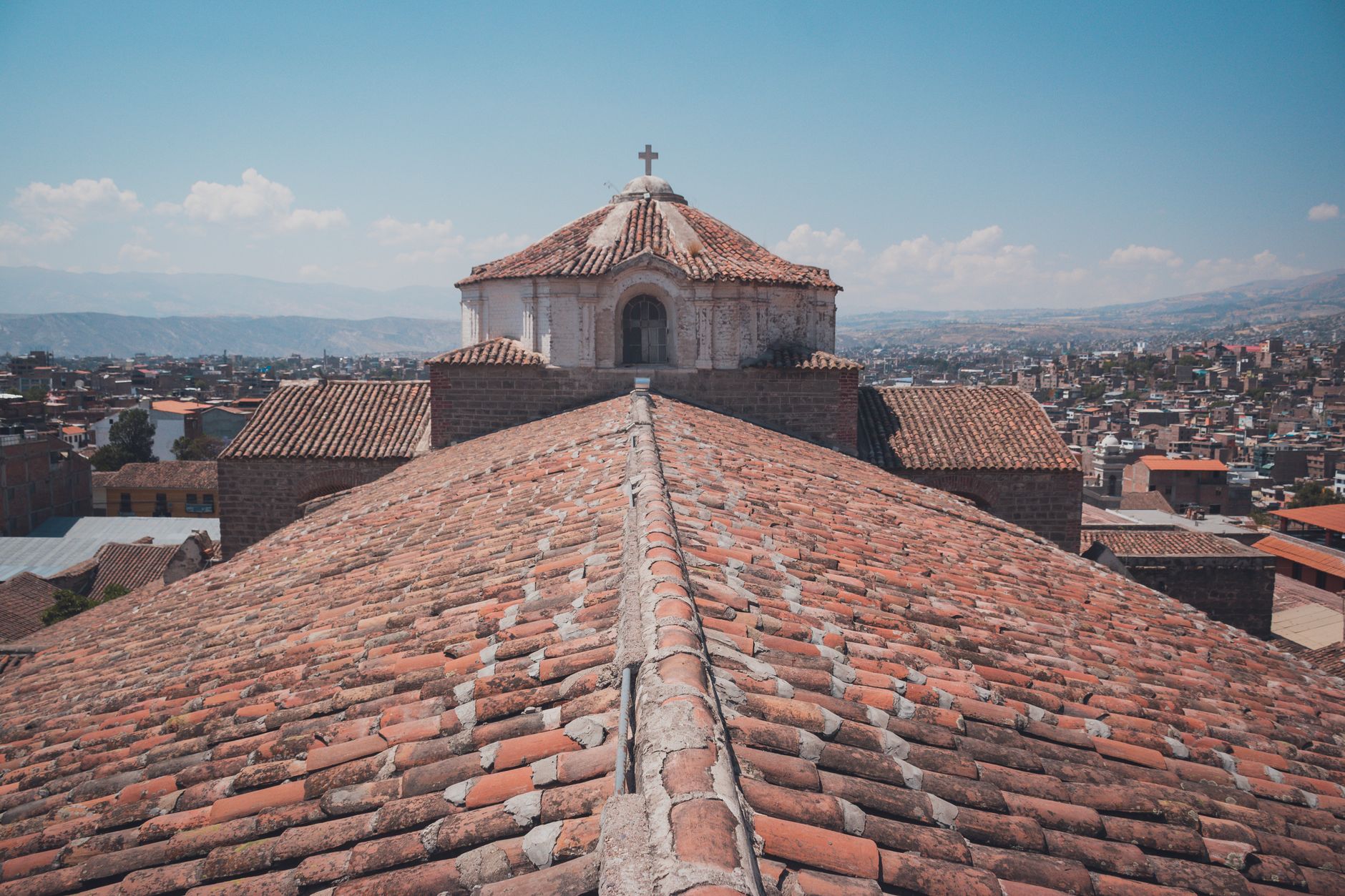
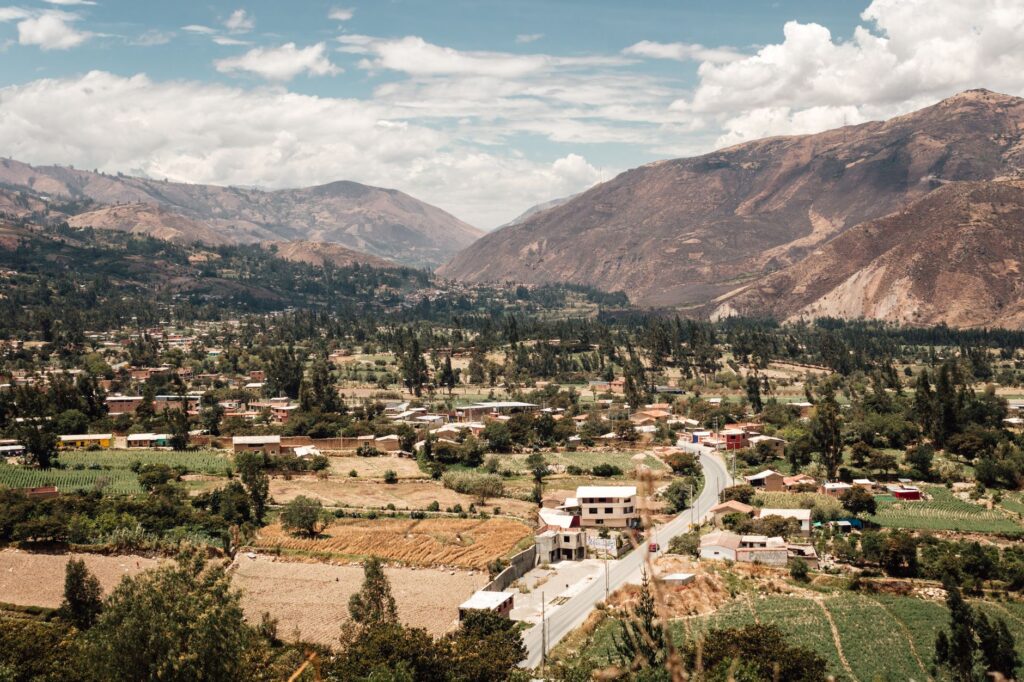
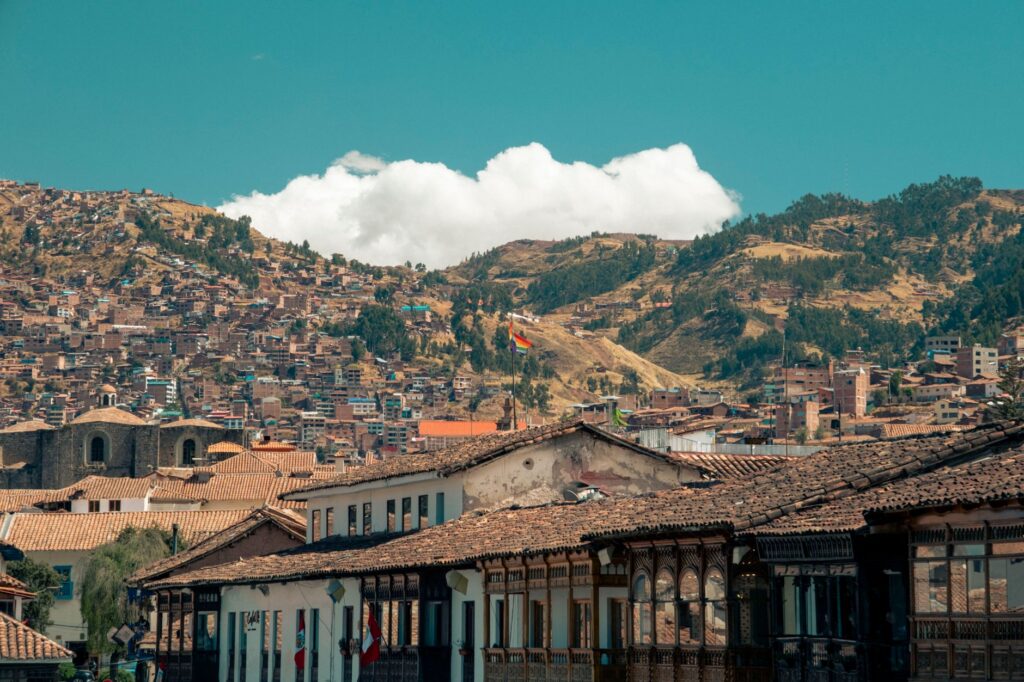
In the heart of the Peruvian Andes, the province of Huamanga shelters a city whose altitude exceeds two thousand seven hundred meters above sea level. Ayacucho unfolds as a territory where the carved stone of its colonial churches coexists with a deeply rooted pre-Columbian substratum. Cobbled streets and red-tile manor houses are not mere testimonies of a distant past, but stages where everyday life unfolds to the rhythm of a community safeguarding its heritage.
The urban layout follows a traditional grid pattern flanked by temples that total over thirty religious buildings of exceptional architectural value. Each street corner reveals a detail synthesizing indigenous craftsmanship and canonical styles introduced during the viceroyalty. Far from functioning as a static museum, the urban center operates as an open marketplace where farmers, weavers, and university students converge.
The dry, luminous climate of the region marks the hours of a day that begins early with movement in local markets. Agricultural produce from the surrounding slopes—corn, native potatoes, and quinoa—arrives to supply stalls where commercial exchange maintains ancestral codes of hospitality. This daily dynamic constitutes the foundation upon which the city’s cultural life is built.
The Art of the Retablo and Huamanga Stone Carving
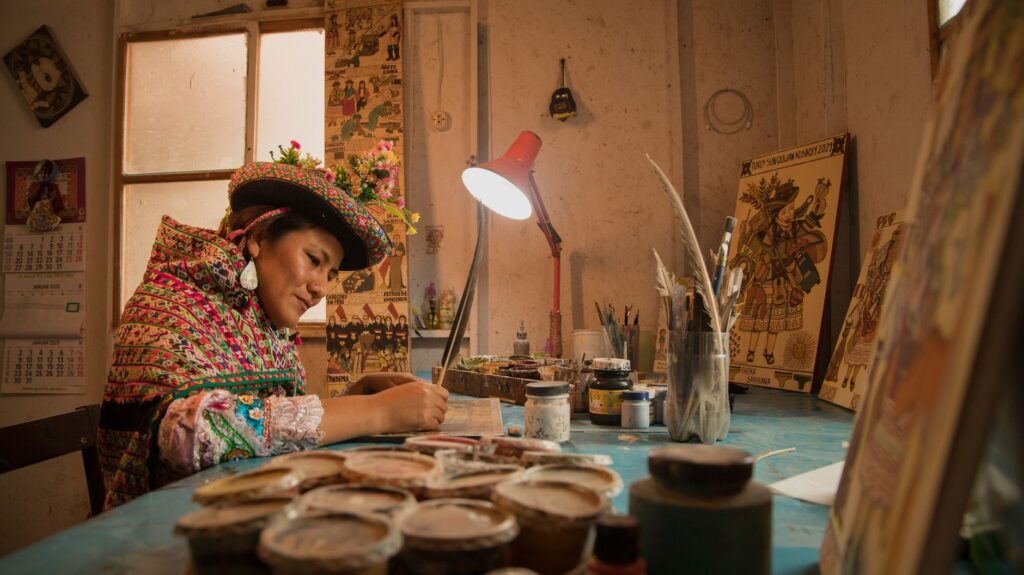
Ayacucho’s artistic tradition finds one of its supreme global expressions in the Andean retablo. Heirs to the boxes of San Antonio, master artisans model plaster and wood pieces depicting religious scenes, historical events, and local customs alike. Vivid colors and meticulous figure arrangement reflect a unique narrative capacity transmitted across generations within family workshops.
Concurrently, stonework in Huamanga alabaster—a characteristic white stone of the area—distinguishes local sculptors. Unlike classic marble, this soft stone allows for a remarkably delicate level of detail, employed in religious imagery as well as utilitarian and decorative objects. Workshops located in traditional neighborhoods such as Santa Ana keep this discipline alive through direct instruction passed down to younger generations.
The transmission of this knowledge is not limited to technical domains; it incorporates a worldview where nature and human labor maintain a symbiotic correspondence. Each molded or carved piece encapsulates a community memory that resists the passage of time and contemporary cultural homogenization.
The Pottery of Quinua and Hand-Modeled Clay
A few kilometers from the urban center, the town of Quinua represents another cornerstone of Ayacucho’s visual arts. Here, pottery dispenses with mechanical wheels; artisans shape clay extracted from local mines using exclusively traditional tools such as smoothing stones and leather scraps.
The iconic miniature churches crowning regional house roofs originate from this artisanal know-how. These small fired-clay temples fulfill protective and aesthetic functions, symbolizing the faith and identity of the inhabitants. Quinua’s ceramic bulls, in turn, have become symbols of prosperity decorating homes throughout Peru.
The pottery production process involves entire families, from material gathering to open-air or rustic kiln firing. This collective method ensures the authenticity of pieces retaining the rustic texture and earthy tones characteristic of the Ayacucho terrain.
Andean Textiles: The Persistence of the Backstrap Loom
The textile industry in Ayacucho serves as a living archive of pre-Hispanic iconography. In rural communities and urban workshops, alpaca and sheep fibers are dyed using natural extracts obtained from cochineal, walnut, and various high-Andean plants. The use of the backstrap loom and pedal loom enables the creation of mantles, ponchos, and belts featuring complex geometric designs.
Each woven motif communicates information regarding the geographic origin, social status, or community affiliation of the wearer. Weavers employ a prodigious visual memory to calculate tensions and thread crossings without written patterns, demonstrating geometric mastery refined over centuries.
This textile labor not only satisfies clothing needs against cordillera cold but constitutes a fundamental symbolic language for understanding the festivities and agricultural rituals marking the region’s annual calendar.

Music, Dance, and Oral Memory in the Main Square
Ayacucho’s sonic landscape resonates through harps and violins, instruments accompanying carnivals, troupes, and patron saint celebrations. The local marinera and huayno possess a melancholic yet festive beat echoing through streets and plazas, turning music into a space of social cohesion and identity resilience.
Oral tradition complements this soundscape through mythological tales, coplas, and legends explaining the origin of mountains, rivers, and sacred animals. Community elders act as custodians of a memory revitalized during every neighborhood gathering and collective festivity.
During Holy Week, the city experiences one of the most intense moments of its cultural life, when nighttime processions illuminated by thousands of candles gather devotees and visitors in an exercise of reflection and ephemeral floral art.
The heritage of a people resides not solely in stone monuments, but in the continuity of everyday gestures through which its inhabitants name the world.
Responsible Decisions for the Traveler in the Andes
Visiting Ayacucho demands an attitude of respect and active listening toward a community that has preserved its identity through complex historical processes. The responsible traveler prioritizes purchasing crafts directly from creators’ workshops, ensuring economic value fairly rewards invested time and skill.
Likewise, caring for the natural and urban environment implies minimizing environmental impact during hikes along archaeological routes and surrounding villages. Respecting private spaces, asking permission before photographing individuals engaged in traditional labor, and valuing cultural expressions without exoticization are basic rules of coexistence.
Sustainable tourism in this Andean region relies on horizontal exchange, where the visitor understands their role is that of a respectful observer learning from the resilience and creativity of the local population.

Community Respect and Heritage Valorization Practices
The valorization of cultural heritage in Ayacucho transcends visual contemplation; it requires understanding the social dynamics sustaining workshops, brotherhoods, and festivities. Supporting local ecotourism initiatives and community workshops strengthens the economy of families guarding this ancient legacy.
Participation in experiential pottery, weaving, or silversmithing workshops must occur under a framework of reciprocity, recognizing the artisan as a master and transmitter of legitimate knowledge. Thus, the journey transforms into an experience of mutual learning.
Practical guide
How to get there: Coronel FAP Alfredo Mendívil Duarte International Airport receives regular flights from Lima. Access is also possible by land via the Los Libertadores Highway, a journey of approximately ten hours by bus from the Peruvian capital.
Best time to visit: The dry season, spanning from May to October, offers clear days and optimal temperatures for exploring the city and its surroundings. Holy Week (between March and April) stands out for its cultural richness, though advance accommodation booking is required.
Accommodation: Hotel options include colonial manor houses converted into boutique hotels in the historic center, as well as family-run guesthouses managed by local residents providing direct information on the cultural agenda.
Recommended gastronomy: Ayacucho cuisine features emblematic dishes such as puca picante (a stew based on potato, peanuts, and beet), elinchuchado, and Andean pachamanca, prepared with locally sourced ingredients.
Getting around: The historic center is easily explored on foot. To visit Quinua workshops or nearby archaeological sites, hiring authorized transport services or registered local agencies is recommended.
Cultural respect: Avoid using flash in religious venues during liturgical celebrations and always consult before recording artisans at work in their workshops.
Practical guide (ES variant placeholder managed via contract separation)
Cómo llegar: El Aeropuerto Internacional Coronel FAP Alfredo Mendívil Duarte recibe vuelos regulares desde Lima. También es posible acceder por vía terrestre a través de la Carretera Los Libertadores.
Mejor época para viajar: La temporada seca, entre mayo y octubre, ofrece días despejados para recorrer la ciudad.
Alojamiento: Casonas coloniales y hostales familiares en el centro histórico.
Gastronomía: Puca picante y pachamanca andina.
Desplazamientos: A pie en el centro; transporte autorizado hacia los talleres de Quinua.
Respeto cultural: Evitar flash en templos y consultar antes de fotografiar.
The Enduring Echo of Andean Tradition
At dusk, when golden light bathes Ayacucho’s clay tile roofs and stone domes, the city acquires a reverent calm. In the workshops of the Santa Ana neighborhood, hands continue molding clay and plaster, ensuring the collective memory keeps beating in every fiber and brushstroke.
This Andean territory demonstrates that culture is not a vestige of the past, but a daily practice of resistance and shared beauty. For the traveler venturing into its streets, the journey leaves an indelible mark, woven with respect for living history and the warmth of its people.