The Fertile Shadow of the Colossus
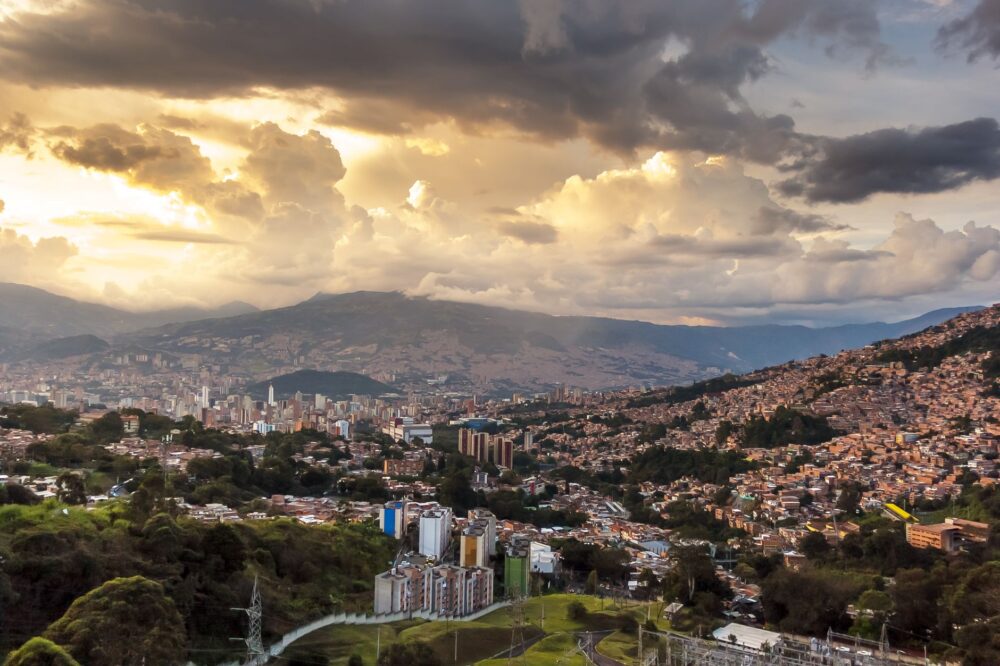
At the gates of the Central Valley, Alajuela unfolds beneath the watchful and constant presence of the Poás Volcano. The geography of this Costa Rican territory is not a mere backdrop, but the invisible engine shaping the character of its residents. Nutrient-rich volcanic soils have dictated for generations an agricultural vocation that today coexists with an urban fabric undergoing rapid transformation. Mornings begin early, when mist still clings to zinc roofs and the aroma of freshly filtered coffee fills the sidewalks of the historic center.
Far from the hustle and bustle of major metropolises, the city maintains a human scale where neighborly greetings remain an unwritten rule. The main streets, laid out with the precision of the colonial grid, shelter bahareque and wooden houses that recall times when the local economy depended exclusively on the cultivation of the golden bean. This architectural heritage, although threatened by modern real estate growth, survives in the details of entrance halls and interior courtyards where local flora blooms in abundance.
The rural and urban surroundings merge into a harmonious transition where traditional paths connect farming areas with residential neighborhoods. Locals walk along these routes with the familiarity of those who know every turn of the road, maintaining customs that have resisted the passage of decades and the pressure of modern life. This continuity in the way of inhabiting space strengthens the sense of belonging and community roots.
The Central Market as a Daily Pulse
The true heart of Alajuela beats strongly in its central market, a labyrinth of stalls where Costa Rican identity reveals itself without filters. Here, the colors of tropical fruits mingle with the murmur of everyday conversations. Merchants who have occupied the same space for decades offer everything from medicinal herbs to hand-pressed tortillas. This venue is not merely a supply hub, but an intergenerational meeting space where culinary knowledge defining the country’s traditional cuisine is preserved.
In the aisles of the market, time seems to slow down. Visitors who step into this space discover that local gastronomy is a direct reflection of the land: simple, honest ingredients deeply rooted in seasonality. Traditional sodas—small family-run eateries—serve hearty dishes such as gallo pinto and olla de carne, prepared according to recipes passed down from mothers to children. The culinary experience thus becomes an act of cultural preservation.
The selection of ingredients in local stalls responds to a proximity chain that directly benefits farmers in the surrounding areas. Each commercial transaction is accompanied by an exchange of knowledge regarding fruit ripeness, the best preparation techniques, or the healing properties of certain medicinal plants. In this way, the market acts as a living school of food traditions.
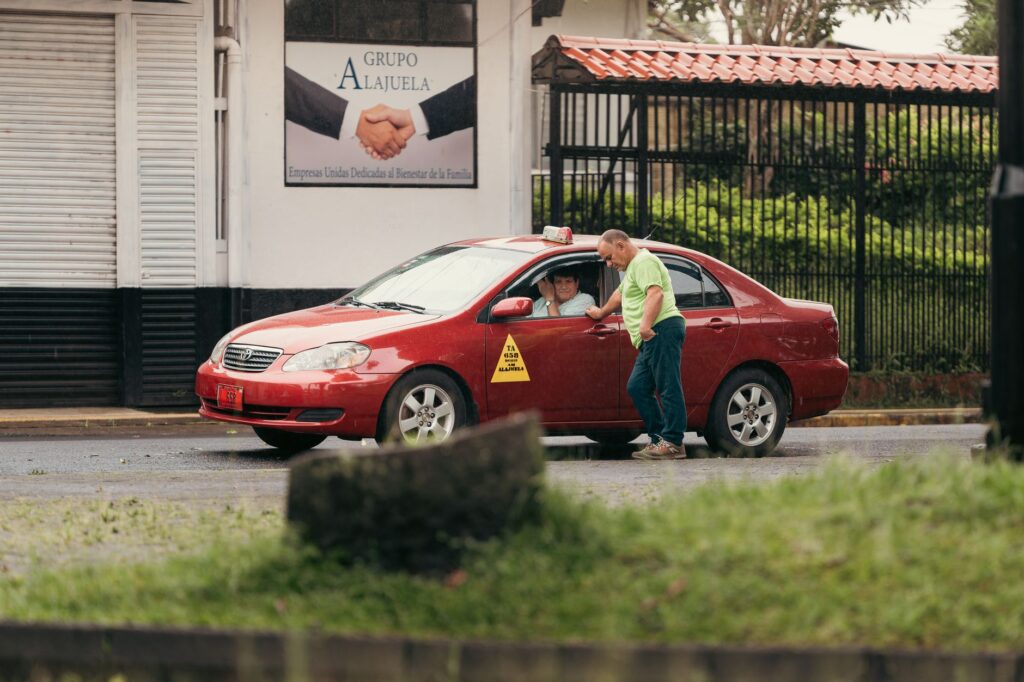
The memory of a people resides not only in its stone monuments, but in the silent constancy of its markets and in the daily respect for its traditions.
This respect for the local also manifests in how the community manages its natural and urban heritage. Local authorities and citizen groups promote initiatives to protect green areas and encourage responsible tourism that directly benefits the region’s small producers. The objective is clear: to prevent unchecked urban sprawl from diluting the unique personality of a city that grew in the shadow of sugarcane and coffee.
Community actions for recycling and water source conservation reflect a deepening environmental awareness. Educational workshops in squares and civic centers involve new generations in protecting natural resources, ensuring that urban development walks hand in hand with the valley’s ecological sustainability.
Patios, Squares, and Neighborhood Memory
Walking through Alajuela’s traditional neighborhoods reveals how popular architecture responds to the tropical climate. Traditional homes prioritize cross-ventilation and wide eaves that protect against both intense sun and the torrential rains of the green season. Squares, shaded by almond and mango trees, act as open-air living rooms where older adults converse on benches while children run after soccer balls.
Around Juan Santamaría Park, named after the national hero born in this land, civic and cultural life finds its point of convergence. This public space not only commemorates historical milestones, but serves as a stage for artisanal fairs and local artistic expressions. The music of the marimba and displays of popular painting remind us that Alajuelense identity is a dynamic process, constantly reinventing itself while firmly anchored in historical roots.
Open entrance halls and benches placed at the doorways of houses foster constant neighborly interaction that defies the isolation characteristic of contemporary cities. Afternoons are filled with informal chats about the weather, harvests, or childhood anecdotes, weaving a web of emotional and social security that sustains community life.

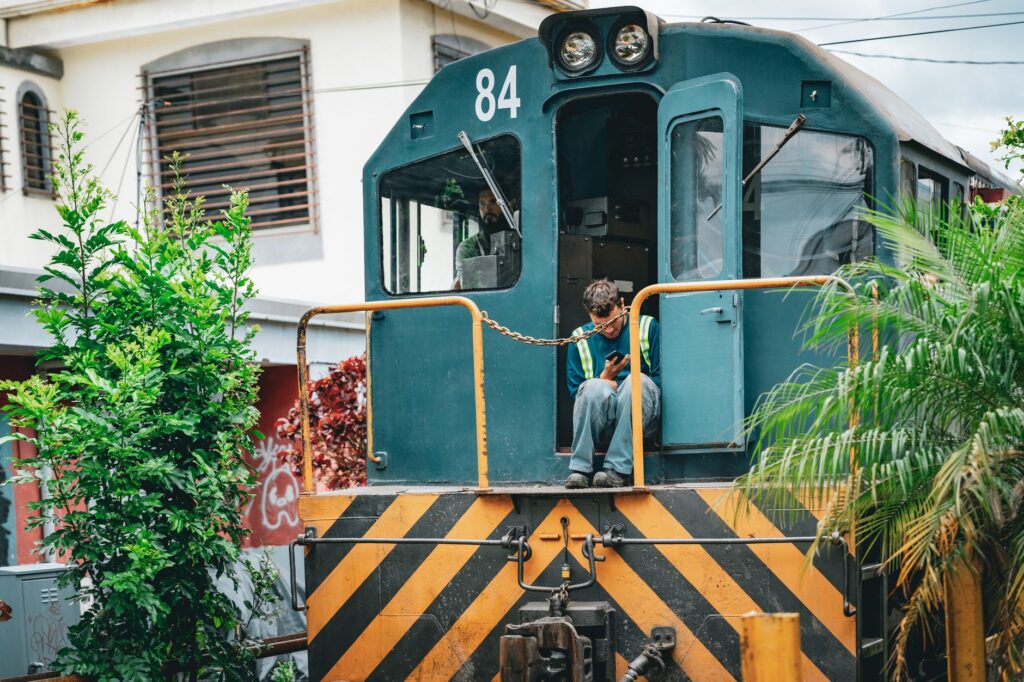
The city’s relationship with its past is equally perceived in the old stations and tracks that once connected agricultural production with the country’s ports. Although rail transport has undergone profound transformations, the footprint of the railway lines continues to shape the spatial memory of the municipality. Older residents fondly remember the passage of trains loaded with sacks of coffee, a testament to an era when commercial movement defined the province’s rhythm.
Commercial Dynamics and Artisanal Roots
The economic activity of the urban center is complemented by artisan workshops working with wood, tile, and textiles following methods inherited from their ancestors. These small workshops keep alive a craft that requires patience and manual skill, far removed from standardized industrial processes. Buyers who value these pieces find in them a testimony of authenticity and direct support for the municipality’s family economy.
Temporary artisan markets allow local creators to showcase their works to the public, generating an enriching dialogue between the maker and the visitor. In these encounters, the time invested in each creation is valued, promoting a philosophy of conscious consumption that contrasts with the immediacy of mass culture.

Practical Guide
- How to get there: Alajuela is located a short distance from Juan Santamaría International Airport, the main air gateway to Costa Rica, facilitating direct access from various capitals across the continent and the world.
- When to visit: The dry season, spanning from December to April, offers the sunniest and most stable days to explore both the city and the slopes of the Poás Volcano. The green season, from May to November, provides lush, verdant landscapes.
- Responsible gastronomy: Visitors are encouraged to prioritize local markets and traditional sodas to support small producers’ economies and taste authentic dishes made with local ingredients.
- Getting around: The historic center is ideal for exploring on foot. To visit surrounding rural areas or the volcanic slopes, regular bus services and authorized transport options are available.
A Shared Horizon
Alajuela’s future depends on its ability to balance economic development with the conservation of its cultural and landscape heritage. As tourism and modernization pose new challenges, the community demonstrates remarkable resilience rooted in neighborhood solidarity and pride in its origins. Preserving old customs, caring for public spaces, and orally transmitting local histories ensure that the essence of this Costa Rican corner remains intact for future generations.
Ultimately, visiting this territory requires a leisurely gaze, capable of valuing the small details that make up daily life. Alajuela does not give itself over to the traveler through grand monuments, but rather through the warmth of its people, the richness of its natural environment, and the authenticity of a culture that continues to write its own story with simplicity and dignity.