
A Settlement Along the Banks of an Ancestral Current
Just a short distance from the mouth of one of New Zealand’s most iconic waterways, the city of Whanganui unfolds a layout where fluvial geography and human history converge inseparably. The river that gives the locality its name is not merely a geographical feature; it constitutes a vital artery that has nourished for centuries both the traditions of local iwi (tribes) and the subsequent development of colonial architecture. With a population hovering around forty-nine thousand residents, this enclave in the Manawatū-Whanganui region combines the tranquility of a human-scale community with a cultural heritage that demands attentive and unhurried observation from visitors.
The everyday pulse of the city is felt in its tree-lined streets, in local markets where regional produce is sold, and in a constant respect for the past. Unlike the country’s major urban centers, time here seems measured by the rhythm of the water and the maintenance of traditional crafts. Edwardian and Victorian-era facades coexist harmoniously with spaces for contemporary expression, demonstrating that the preservation of architectural heritage is not at odds with present-day cultural invigoration.
Memory Carved Within the Studios of Local Artisans
Whanganui’s artistic fabric stands out for a solid tradition of independent workshops dedicated to ceramics, wood carving, and printmaking. Far from constituting a commercial gimmick aimed solely at mass tourism, local artistic production responds to a community need to preserve ancestral techniques and reinterpret them through a modern lens. Creators who set up their studios in this area find a propitious environment for experimentation and the exchange of knowledge, fostering a collaborative network that extends throughout the district.
In these workspaces, frequently located in restored former industrial buildings, noble materials take center stage. Native timber, stone, and local clay are transformed into utilitarian pieces and works of art that reflect the character of the surrounding landscape. Visitors who approach these workshops discover that the creative process is accessible and transparent, permitting a direct dialogue with artisans that keeps the flame of material culture alive in the region.
Art in Whanganui is not exhibited as a distant object inside a silent showcase; it is learned by watching hands shape clay and listening to stories carried by the river from the island’s interior.
This commitment to authenticity also translates into the programming of independent galleries and community cultural centers. Temporary exhibitions, contemporary Māori art displays, and artist residencies enliven the city’s annual calendar, establishing it as an undeniable cultural reference point on New Zealand’s North Island west coast.
Architectural Heritage as Testimony to an Era
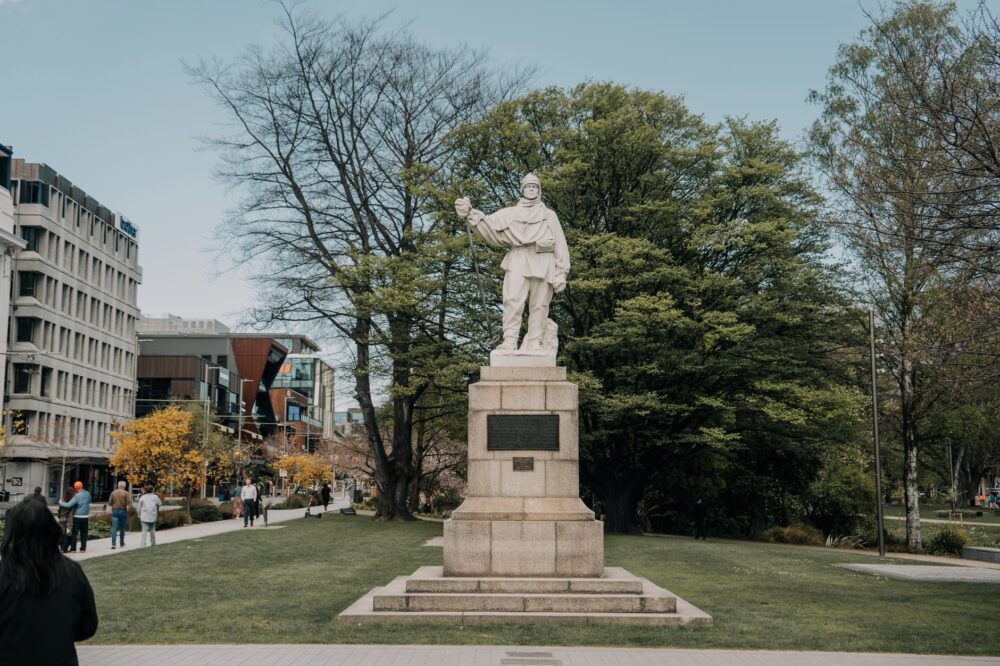
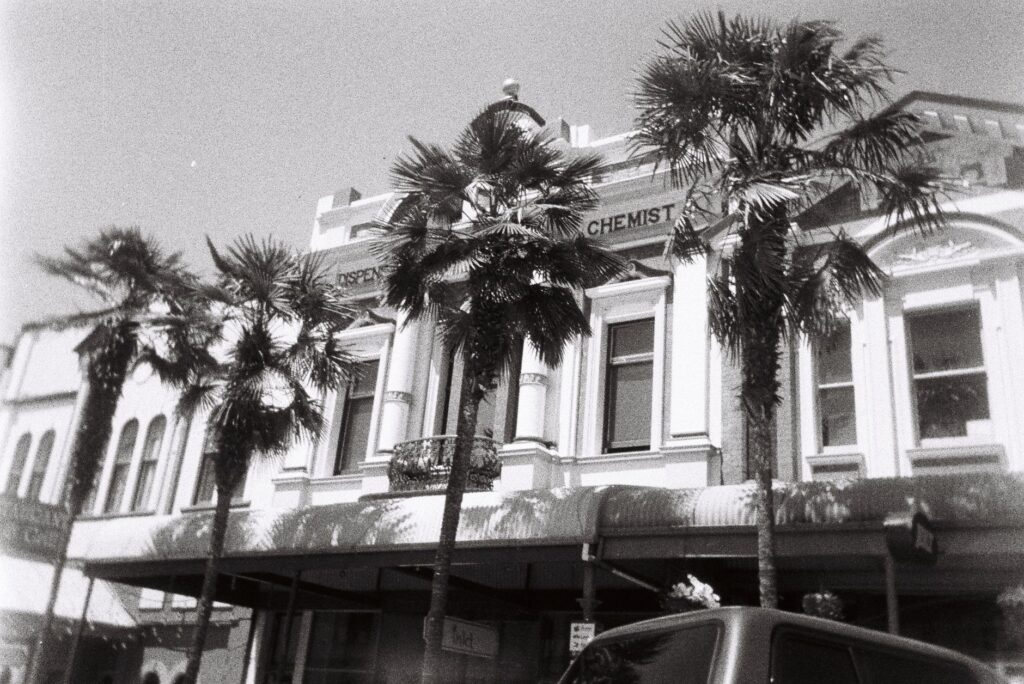
Walking through the historic center of Whanganui is equivalent to leafing through an open textbook of late 19th and early 20th-century architecture. The careful preservation of iconic buildings such as the Sarten Opera House or the Regional Museum testifies to the ambition and dynamism of early European settlers, who successfully fused their aesthetic influences with the demands of the New Zealand environment. These structures do not act as mere museum pieces; rather, they continue to house offices, shops, and neighborhood gathering spaces.
The integration of these historic monuments into daily urban life prevents gentrification and the abandonment of traditional centers. Local merchants take justified pride in maintaining protected facades, while municipal authorities coordinate strict regulations to prevent discordant modifications. The result is a cohesive urban landscape where every block recounts a fraction of the complex history of coexistence between the British Crown and Māori communities.
Simultaneously, public spaces—such as riverside parks and tree-shaded squares—act as intergenerational convergence points. On clear mornings, it is common to see neighbors sharing a book, families enjoying recreation areas, and street musicians performing traditional melodies, weaving a resilient and welcoming social fabric.
Local Gastronomy and Proximity Markets
Whanganui’s cultural identity is also tasted through its culinary proposal, firmly rooted in the concept of proximity and sustainability. Local markets dominate the weekly calendar, bringing together farmers, livestock raisers, and artisanal producers offering everything from manuka honey harvested from nearby hives to vegetables grown in the fertile valleys surrounding the district. This direct-consumption model strengthens the local economy and drastically reduces the ecological footprint associated with food transport.
Restaurants and cafes in the urban center have successfully integrated these seasonal ingredients into menus combining traditional Māori cooking recipes with international contemporary influences. Respect for the original product is the generalized norm, prioritizing freshness and traceability over unnecessary artifices. Dining in Whanganui entails understanding the generosity of volcanic soil and the richness of waters that have sustained entire generations.
Furthermore, community initiatives promote cooking workshops and nutritional education directed at younger generations, ensuring that knowledge regarding sustainable harvesting and traditional food preparation is not lost in the era of culinary globalization.
The Symbiotic Relationship Between Community and Natural Environment
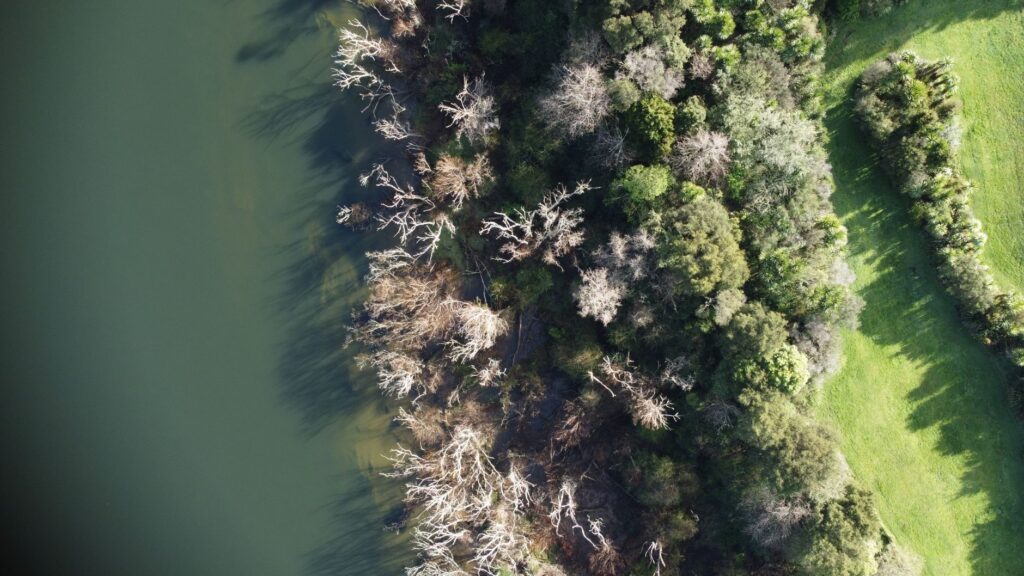
Proximity to the surrounding national park and the constant presence of the river deeply mark the character of Whanganui’s residents. The conservation of local biodiversity is not a directive imposed from distant government offices, but rather a citizen-led initiative driven by volunteer groups actively participating in riverbank reforestation and the protection of native bird species. This environmental awareness is breathed in the urban atmosphere, where public space design prioritizes pedestrian mobility and direct contact with nature.
Hiking trails and river walks offer a unique perspective on how an urban community can coexist in balance with its ecological surroundings. Projects to restore native flora along urban river edges have returned prominence to plant species once relegated to oblivion, creating biological corridors that enrich both local wildlife and residents’ quality of life.

Sustainable Development and Responsible Tourism in the Destination
As Whanganui attracts a growing number of travelers interested in cultural heritage and nature tourism, local authorities and tourism operators have implemented rigorous strategies to ensure this influx benefits the community without altering it. The focus centers on respecting local customs, limiting overcrowding in natural spaces, and providing unconditional support for small businesses run by families in the area.
Conscious tourism in this region demands a receptive and participatory attitude, where the traveler assumes the role of learner rather than passive consumer.
This perspective fosters genuine cultural exchange, in which visits to Māori cultural centers and craft workshops are conducted under strict codes of consent and reciprocity, guaranteeing that intangible heritage is properly valued and protected for future generations.
Practical guide
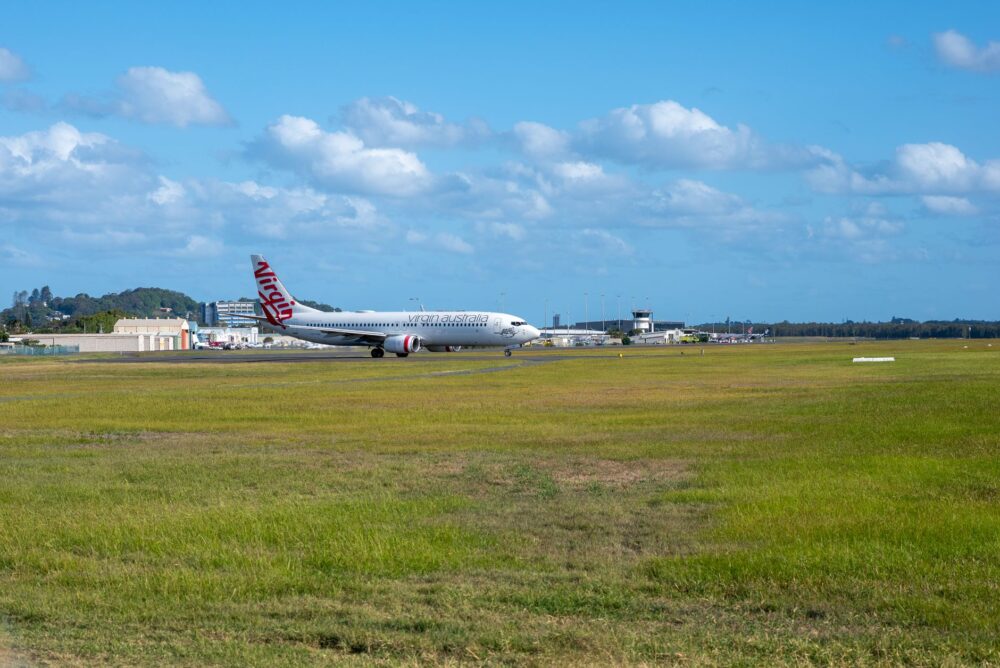
How to get there: Whanganui is accessible by road via regular intercity bus services from Wellington and New Plymouth. The local airport offers limited air connections that facilitate quick access from the country’s main transport hubs.
When to visit: The months of the austral spring and summer (from October to March) offer mild temperatures and optimal weather conditions for exploring river routes and outdoor markets.
Accommodation: The hotel offering prioritizes small independent establishments, boutique hostels, and guesthouses run by local residents in restored historic buildings.
Etiquette recommendations: When visiting spaces of Māori cultural significance or artisan workshops, visitors are advised to request permission before photographing and to display a respectful attitude toward the community’s customary norms.
The Fluvial Reflection of Unhurried Time
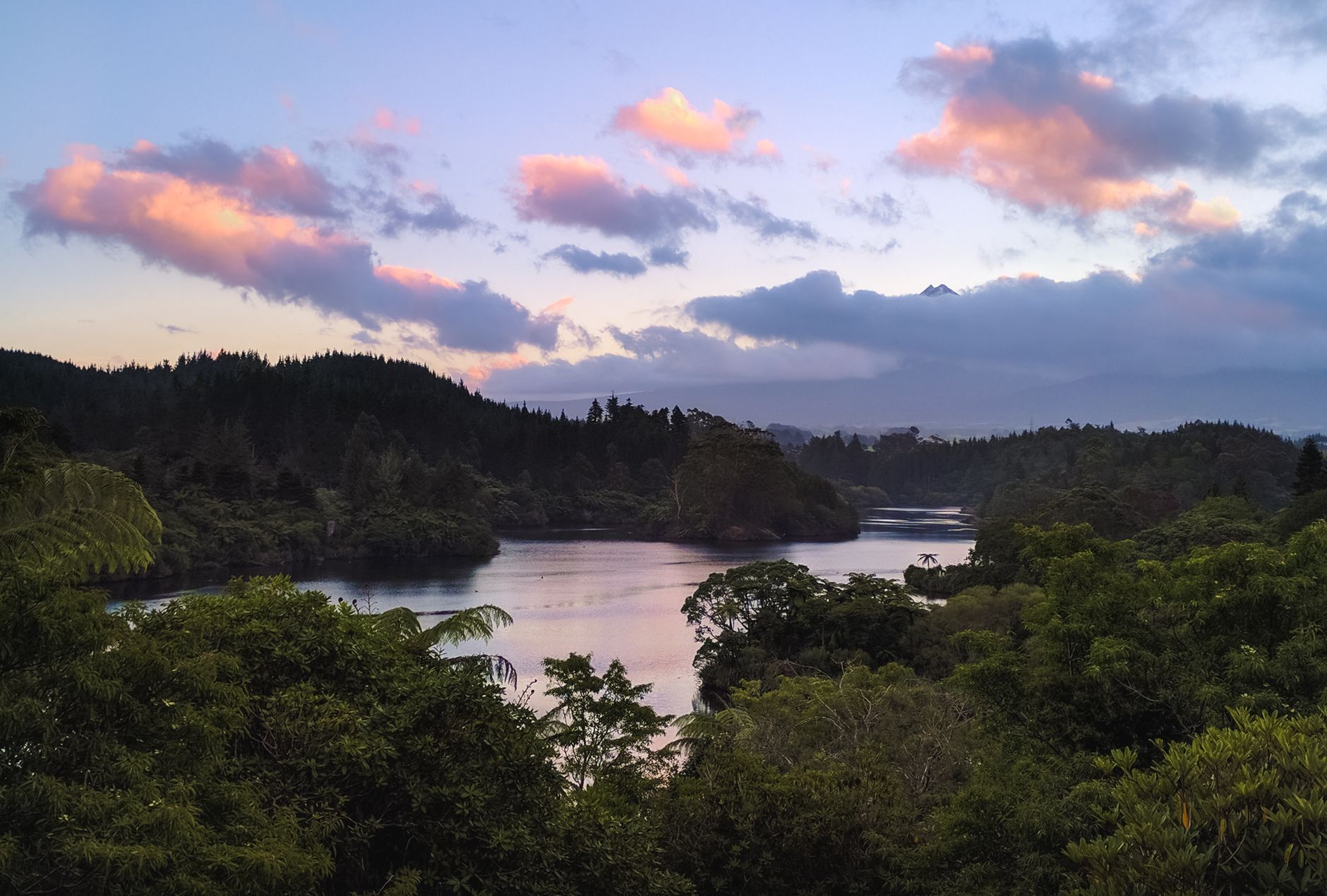
As evening falls, the golden light of the New Zealand sunset bathes Whanganui’s historic facades and projects across the unalterable surface of the river, closing a daily cycle of quietude and industriousness. In this corner of the North Island, culture does not constitute a decorative element reserved for textbooks, but rather the steady heartbeat of a collectivity that has learned to find its own rhythm between tradition and the future. Travelers who linger in its streets discover a lesson in permanence and authenticity that endures long after leaving its shores.