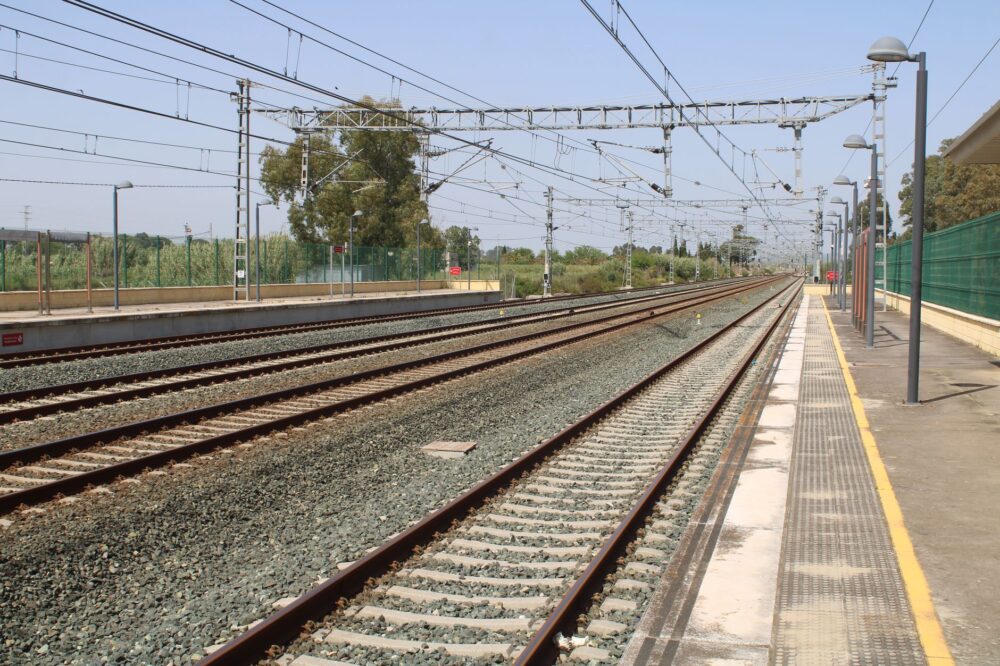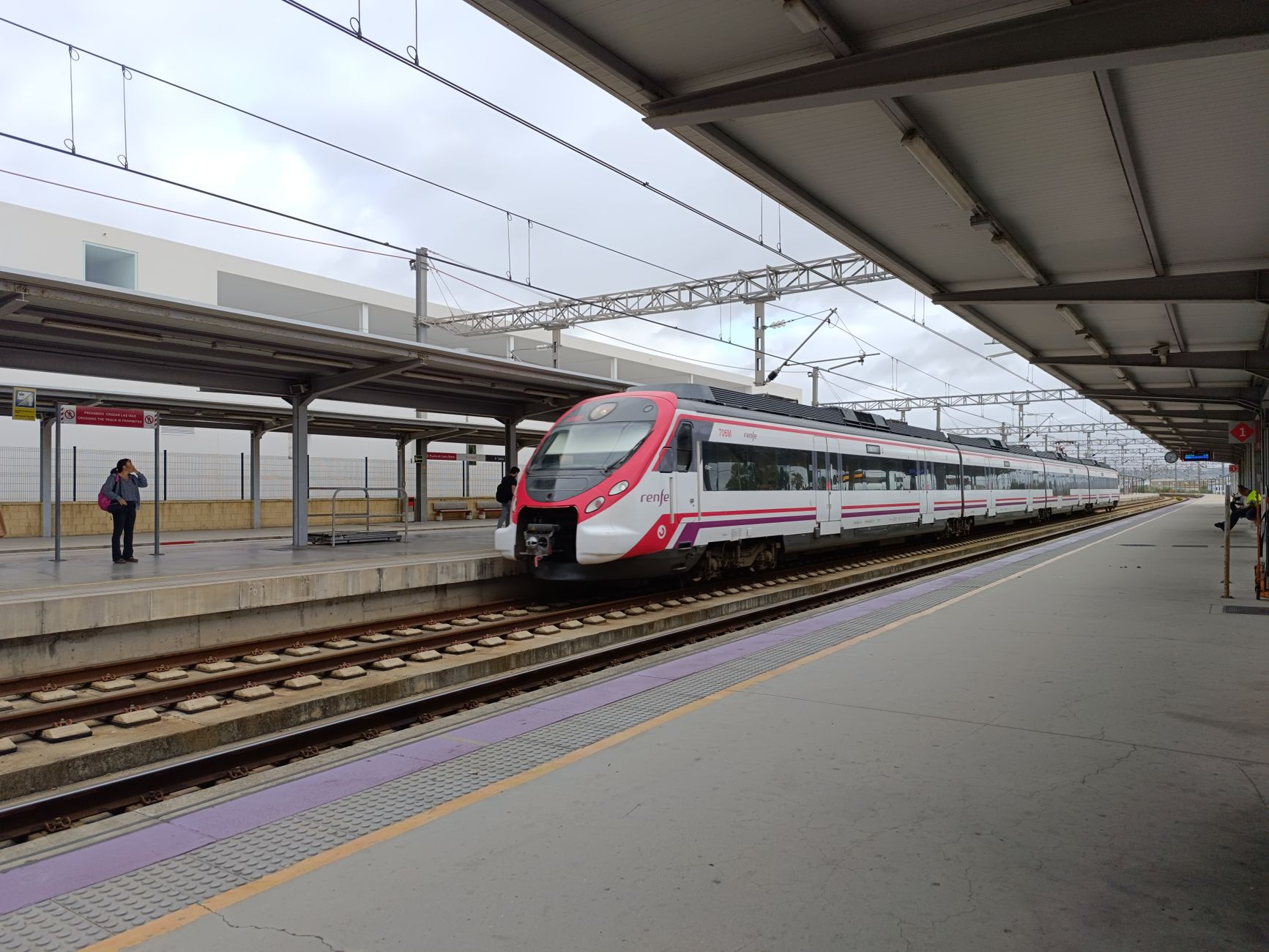

The Iron Artery at the End of the World
The Breton peninsula has historically represented a unique challenge for civil engineers and French transportation authorities. Separated from the industrial bustle of central France by a vast expanse of granite hills, wind-swept moors, and muddy estuaries, this western region maintained a relative isolation for centuries that conditioned its economy and culture. It was not until the second half of the 19th century that the arrival of the railway broke this natural barrier, radically transforming the mobility of people and goods. The rail line linking Rennes to the military and commercial port of Brest stands today as a living monument to the technical audacity of the Third Republic and the pressing need to integrate peripheral territories into the national grid.
This report examines the evolution of a key infrastructure that overcame major geographical obstacles through the construction of imposing stone viaducts, trenches excavated in living rock, and stations designed to project centralist modernity onto a deeply rooted identity. Through archival sources, engineering reports of the era, and a contemporary journey along its tracks, we unravel how the logistics of coal, agricultural produce, and naval equipment shaped the layout of one of the most fascinating lines in the Atlantic Europe.
Topographic Challenges and Granite Civil Engineering
The construction of the railway toward Brest demanded unprecedented technical solutions in western France. The Breton relief, characterized by the Arrée mountains and the hills of the so-called Argoat—the wooded and rugged interior—forced engineering teams led by the Western Railway Company to plot routes avoiding excessive slopes that the heavy steam locomotives of the era could not have surmounted. Each kilometer won from the landscape required meticulous stonemasonry, where local laborers, known as terrassiers, sculpted embankments and retaining walls using the region’s characteristic gray granite.
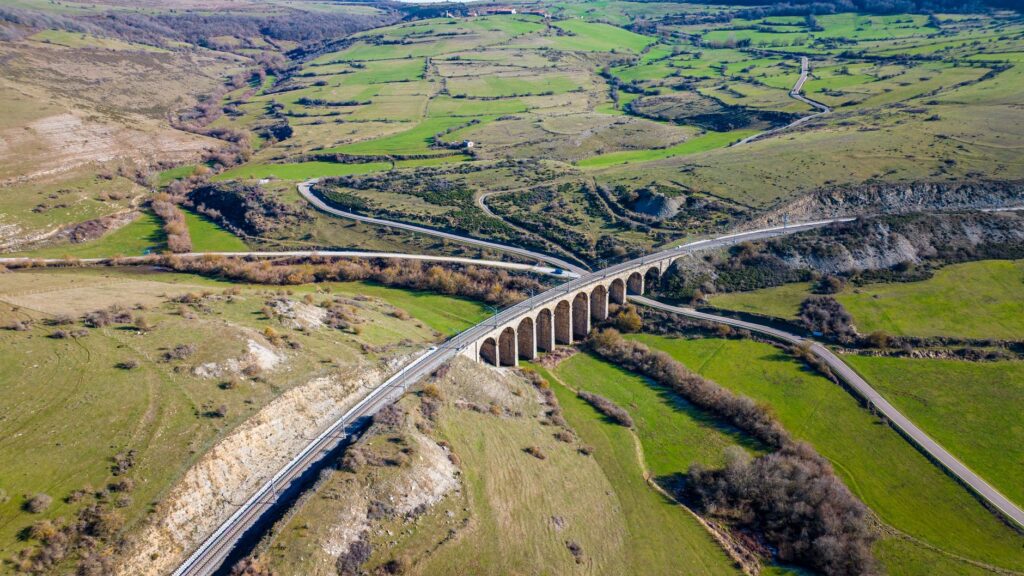
One of the most complex milestones of this layout is found near Morlaix, where the valley of the Jarlot River presented an impassable barrier. The chosen solution was the construction of a majestic double-deck viaduct, a masterpiece of industrial architecture that still defines the town’s urban profile today. This colossus of stone and masonry not only bridged a dizzying elevation change but symbolized the victory of human technique over the caprices of Atlantic geography. Chronicles of the period capture travelers’ astonishment upon seeing trains suspended in mid-air appearing to float above the slate roofs of the city.
Port Logistics and the Naval Strategy of Brest
Beyond the territorial integration of rural populations dedicated to subsistence agriculture and coastal fishing, the fundamental rationale of this railway line responded to an imperative geostrategic necessity: connecting the military arsenal of Brest directly with the country’s capital. The Breton port, situated in one of the largest and most protected natural roadsteads in Europe, housed the main naval base of the French Atlantic fleet. Ensuring a constant flow of heavy supplies, armaments, coal, and troops from the continental industrial basins was a matter of national security that justified the millions invested in the railway.
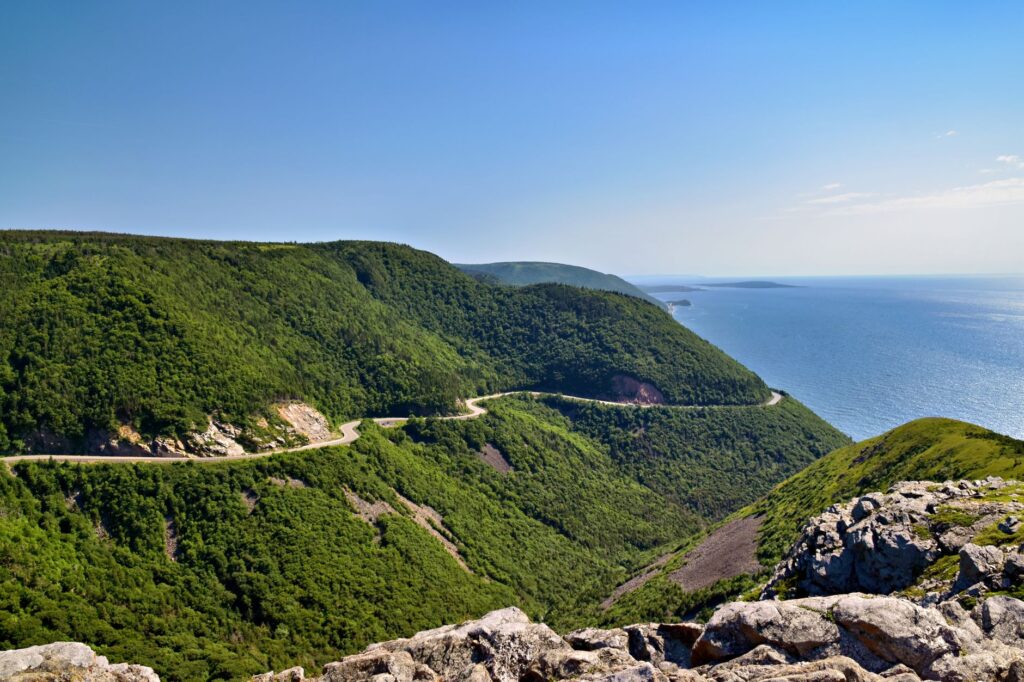
The terminal station in Brest, conceived as a multimodal logistics hub, was physically integrated with the port docks through a network of secondary shunting tracks descending steep slopes via cable braking systems and specialized shunting locomotives. This layout facilitated the direct transshipment of goods from transatlantic steamers and warships to freight cars. Transport historian Jean-Marc Delaunay notes that synchronization between the dock and the platform turned Brest into a fundamental gear of the French Atlantic economy, facilitating the export of Breton agro-alimentary products—such as butter, artichokes, and salted pork—to Parisian markets in record time.
Station Architecture: Standardization and Regional Identity
The rollout of the Rennes-to-Brest line was not merely a revolution in civil engineering and travel times; it also irreversibly transformed the architectural landscape of the towns along the route. The railway company adopted a standardized construction model for secondary stations, characterized by symmetrical rectangular buildings, exposed masonry facades with ashlar cornerstones, and steeply pitched slate gable roofs designed to withstand recurrent Atlantic gales.
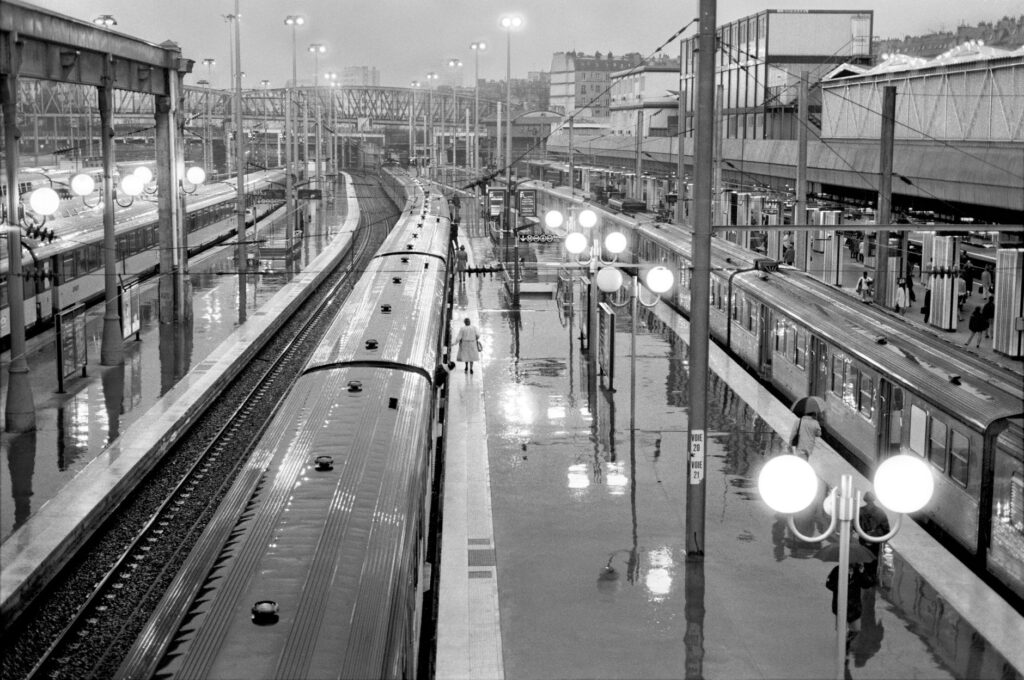
However, in larger terminals such as Guingamp, Saint-Brieuc, or Brest itself, architects incorporated subtle decorative elements that dialogued with local culture. Although metropolitan engineers imposed functional rigor of a distinctly Parisian lineage, Breton stonemasons imprinted lintels and capitals with ornamental details inspired by Celtic motifs and coastal marine fauna. These stations quickly became the new nervous centers of urban life, displacing traditional market squares and attracting inns, grain warehouses, and post offices that redrew the 19th-century urbanism of interior Brittany.
The railway in Brittany was not a simple means of transport; it was the scalpel that opened the flanks of a land enclosed within its own mists, connecting the ancient culture of menhirs with the industrial pulse of modern Europe.
Sociocultural Impact: From Isolation to Modernity
The incursion of the train deep into Brittany profoundly altered traditional rhythms of life. For centuries, rural communities had lived in a self-sufficient economy where travel beyond the neighboring parish was done on foot or by oxcart. With the opening of the Brest line, a journey that previously demanded days of grueling travel across waterlogged roads was reduced to a few hours. This fostered seasonal migrations of agricultural workers toward the fields of the Parisian basin and simultaneously facilitated the arrival of early romantic travelers and bourgeois vacationers drawn by the wild exoticism of the pink granite coast and the mysteries of the megalithic alignments of Carnac—though the latter lay further south, the Breton imaginary became popular nationwide thanks to improved accessibility.
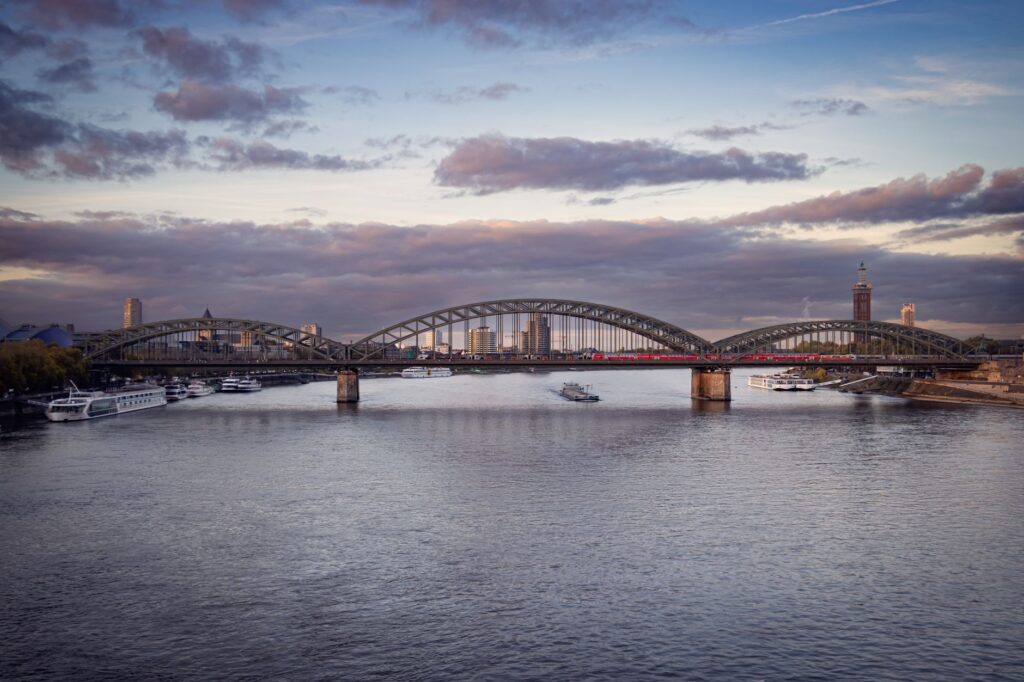
This bidirectional flow was not without cultural tensions. Educational and administrative authorities used the train as a vehicle to spread official French, progressively marginalizing the daily use of the Breton language, which was viewed from Paris as an obstacle to national unity. Third-class carriages became spaces of linguistic and social friction, where monolingual peasantry came into direct contact with officials and merchants from the capital. Paradoxically, the very line accelerating cultural homogenization also allowed Breton intellectuals of the 20th-century regionalist movement to travel more easily to meet, debate, and organize the preservation of their intangible heritage.
Electrical Modernization and 21st-Century Challenges
With the advent of the 20th century and the rising supremacy of road transport, the Western Line railway faced a period of decline and technical obsolescence. Steam locomotives gave way to diesel units following the nationalization of networks in 1938 under the newly created SNCF, but the winding layout and century-old bridges no longer met the speed demands of contemporary Europe. It was not until the 1980s that a profound, comprehensive modernization of the line was undertaken, culminating in the complete electrification of the Rennes-Brest section and the subsequent arrival of the High-Speed Train (TGV) in 2017, which reduced travel time between Paris and Brest to just over three and a half hours.
Today, the infrastructure faces a dual challenge: maintaining competitiveness against private automobiles in a region with a dense network of toll-free secondary roads, and ensuring the environmental sustainability of its maintenance. Modern engineers must contend with marine corrosion affecting metal viaducts near the coast and vegetation management in a humid, lush Atlantic climate. Despite these difficulties, the line continues to prove its validity as the economic and social backbone of Brittany, demonstrating that past civil engineering marvels possess structural resilience capable of transcending the technological revolutions for which they were conceived.
Practical guide
Planning a journey along the historic railway corridor from Rennes to Brest requires understanding the transportation structure and heritage attractions dotting this Atlantic route.
- How to get there: The natural starting point is Rennes station, perfectly connected to Paris-Montparnasse via high-frequency TGV services (approximately 1 hour and 30 minutes travel time).
- Tickets and fares: Tickets for regional trains (TER BreizhGo) and high-speed services can be purchased at SNCF ticket counters, via their official app, or through authorized vendors. Advance booking is recommended for TGV journeys.
- Recommended route: Making technical stops in Saint-Brieuc, Guingamp, and Morlaix is advised to admire historic viaducts and original railway architecture. Each station features local connections to the northern coast (Pink Granite Coast) and the mountainous interior.
- Best time to travel: May through September offers the most favorable weather conditions for combining train travel with hiking excursions along coastal paths (such as the famous GR34).
- Logistical tip: The TER regional transport network allows free bicycle transport in designated spaces subject to availability, facilitating the combination of train travel with cycle tourism on greenways built over former mining and secondary tracks.
On the final platform in Brest, where the tracks sink definitively into the salt of the military port, the traveler realizes that the true magnitude of this work lies not merely in the thousands of granite blocks assembled with millimetric precision, but in its uninterrupted capacity to unite human destinies across time. Under the subdued light filtered through oceanic clouds, the metallic whistle of a regional convoy braking gently echoes as a secular reminder that modernity in this corner of Europe was forged through hammer, steam, and cast iron, binding forever the living rock of the end of the world with the incessant heartbeat of the continent.